 Tribeca Birria Crawl Planner for a Jury Duty Lunch Break
Restaurants
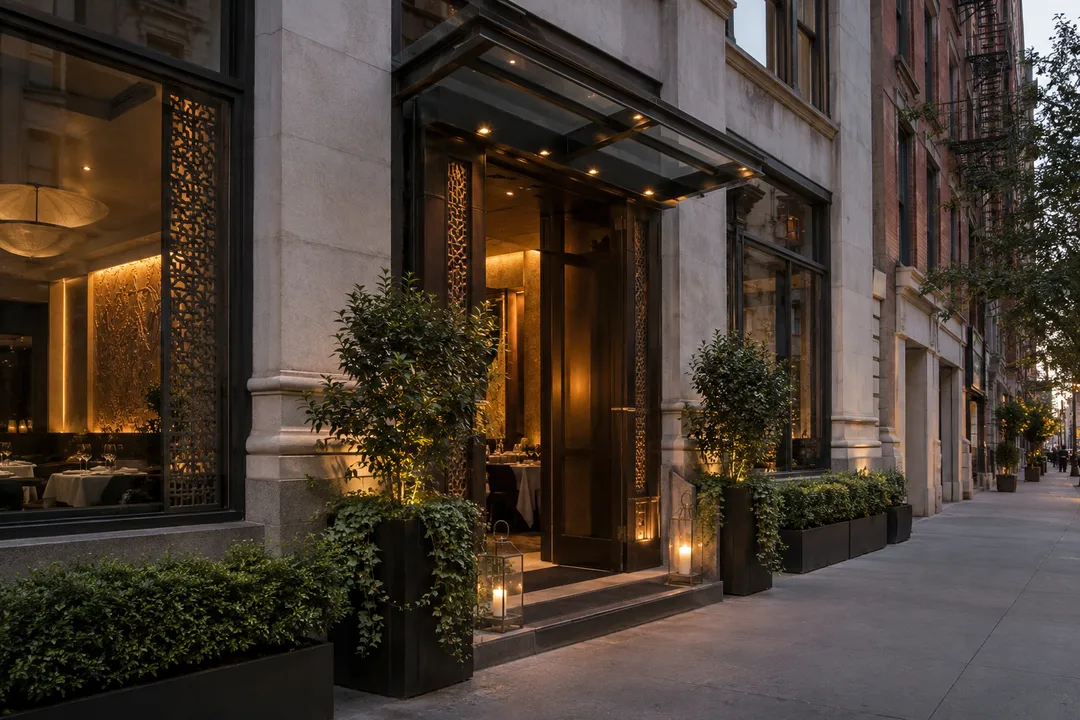
Indian Restaurant Near Me in NYC: Tamarind Tribeca for a Refined Dinner
A Tribeca guide to Tamarind, the long-running Indian fine-dining restaurant known for polished service, tandoor cooking, and a spacious dining room near Hudson Street.
When the search for an indian restaurant near me comes up around Tribeca, Tamarind is the choice for a formal Indian dinner with room to settle in. The restaurant at 99 Hudson Street has long occupied a different lane from quick curry counters: its cooking uses classic regional ideas, while the service, dining room, and presentation are deliberately polished. This is the kind of place to choose for a birthday, client dinner, or an evening when you want conversation to matter as much as the food.
The Hudson Street location is convenient from several downtown subway stops. The A, C, E, 1, and R lines can bring you within a walk, and the Chambers Street area has enough sidewalk space to arrive without the frantic feeling of Midtown. Come a little early if you want to see the room before it fills. Tribeca's streets become calm after office hours, which makes the short walk from the station part of the evening rather than a chore.
Tamarind's story is one of making Indian food legible to a fine-dining audience without removing its structure. The menu has room for familiar dishes, but the kitchen is more precise than a casual neighborhood restaurant. Tandoor cooking, layered sauces, and carefully plated vegetables share the menu with rice and bread meant to be eaten communally. The restaurant's strength is consistency: a table can order broadly, and each course arrives with clear technique and a composed rhythm.
Begin with a tandoor item. The murgh malai tikka or a similarly marinated chicken starter generally falls in the $22 to $26 range, while a seafood option may cost a little more. These are best shared before the sauces arrive because the smoke and char are easiest to notice while the meat is hot. A vegetarian table can look for paneer or a roasted vegetable preparation, usually around $18 to $22, with the kitchen's spice blend doing most of the work.
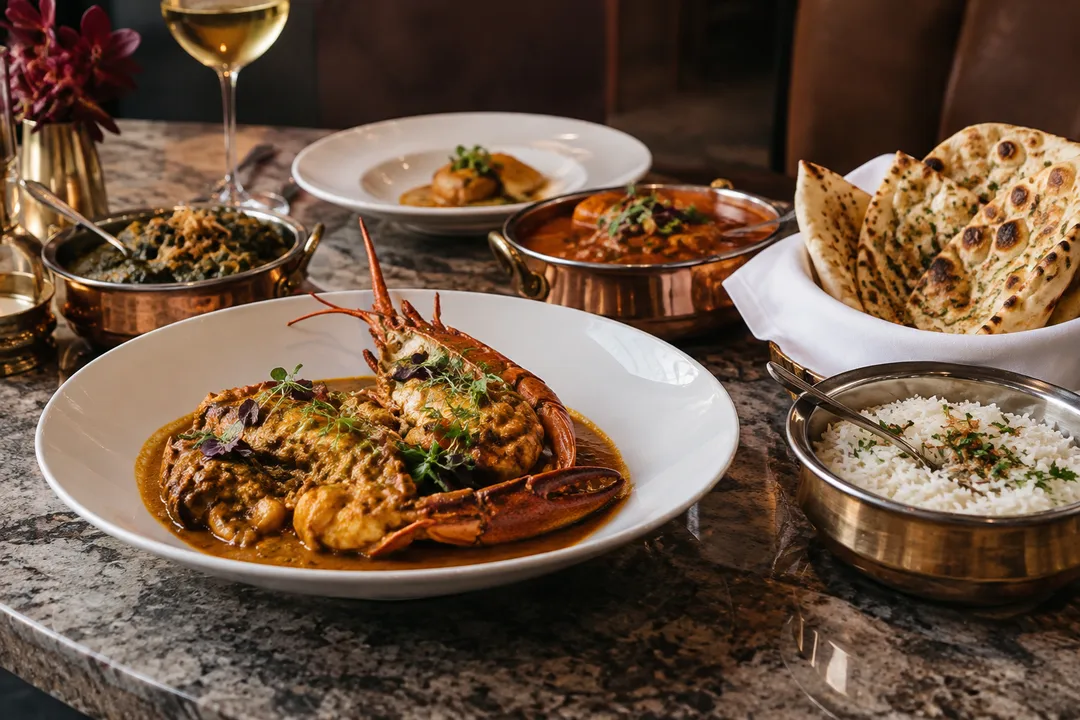
The menu's seafood dishes are a strong middle course. Lobster or shellfish preparations can reach $40 and above, while a regional fish curry may sit in the low $30s. Tamarind is a good setting for diners who want spice with control: the sauces are aromatic and layered, but the heat is usually easier to negotiate than at a more improvisational regional restaurant. Ask whether the kitchen can serve a dish with extra chili on the side instead of altering the entire plate.
For meat, look toward a slow-braised lamb or a signature chicken curry in the $30 to $38 range. The best way to order is to select one rich sauce, one grilled item, and a vegetable so the table does not become a single color and texture. The bread basket matters too. A crisp naan or layered paratha gives the sauces a practical purpose, and a portion of basmati rice helps stretch the gravies across the table.
Tamarind is particularly friendly to a mixed group because the menu includes clear vegetarian, seafood, and meat lanes. A party of four can share two starters, two mains, one vegetable, rice, and two breads without over-ordering. Let the server pace the courses. The room is designed for a longer meal, and sending everything at once turns an otherwise elegant dinner into a crowded tabletop. Prices are high enough that a little coordination is worth the effort.
The bar program supports the same style. Expect cocktails around $18 to $20, with classic formats and ingredients that echo cardamom, ginger, or mango. A dry white wine pairs well with seafood, while a fuller red can handle lamb. Guests skipping alcohol should ask for a fresh lime or spice-forward option. Avoid treating a sweet drink as the only way to manage chili; the kitchen can recommend a better pairing based on the actual dish.
Reservations are strongly advised, especially Friday evenings and during the holiday season. Walk-ins may work at the bar or during an early weekday service, but Tamarind is not a restaurant where you should build a special night around hope. Dress is best described as polished city dining. You do not need a jacket for every visit, but clothes that fit a business dinner or celebration will feel more natural than gym wear.
The interior is spacious by downtown standards, with warm lighting and enough separation between tables for a private conversation. That physical comfort is part of the appeal. Service is attentive and accustomed to diners who may be new to regional terminology, so ask for a concise explanation of the sauce, the cooking method, and the suggested order. A good question is which dish should be eaten immediately and which one benefits from resting.
Plan a Tribeca walk around the meal. Before dinner, stop at the Hudson River Park promenade or visit a gallery in the neighborhood's former industrial buildings. Afterward, walk west for skyline views, or head toward Canal Street if you want a livelier contrast. The area is also close to the 9/11 Memorial and the Oculus, both useful options for visitors arranging a downtown evening. Leave room for a short walk because the neighborhood rewards looking up.
Practical Notes: Tamarind is best for celebrations, business dinners, and diners who value polished service. Budget roughly $100 to $150 per person before drinks and tip, depending on seafood and wine. Confirm current hours and prices, and tell the team about allergies or dietary restrictions before ordering. The room is comfortable but reservations matter. When the dining room is full, the Karpo APP can help you find another nearby Indian restaurant without abandoning the Tribeca plan. The restaurant also makes sense for visitors staying downtown because it offers a calm reset after a busy day of sightseeing. A reservation gives you a place to sit, a staff that can manage dietary requests, and enough space to talk through the menu without shouting. That comfort should not be mistaken for blandness: the best Tamarind dishes still have perfume, char, and heat. The difference is that the kitchen and service present those elements with deliberate control.
For a business meal, settle the ordering plan early and let the kitchen pace the table. One person can share dietary information with the captain, while the rest of the group chooses a broad mix of dishes. That keeps the conversation moving and avoids a parade of questions once everyone is seated. Tamarind has enough room and service structure to make a long lunch or dinner feel purposeful rather than simply expensive.
Tamarind's polished setting also makes it a practical choice when one guest wants a classic restaurant experience and another wants to explore. The menu can support both priorities at once. A familiar tandoor dish gives the cautious diner a point of entry, while a regional curry, vegetable, or seafood preparation gives the table something more distinctive to discuss.
Ask Karpo for more information.
Keep reading
- Tribeca Birria Crawl Planner for a Jury Duty Lunch Break
 Flushing Birria Crawl Planner After Sunday Park Soccer
 Bushwick Birria Crawl Planner Around a DIY Show Night