 Tribeca Birria Crawl Planner for a Jury Duty Lunch Break
Restaurants
Indian Restaurant Near Me in NYC: Semma in Greenwich Village
A Greenwich Village guide to Semma, the Michelin-recognized South Indian restaurant serving dishes from Tamil Nadu and the surrounding region, with ordering and reservation advice.
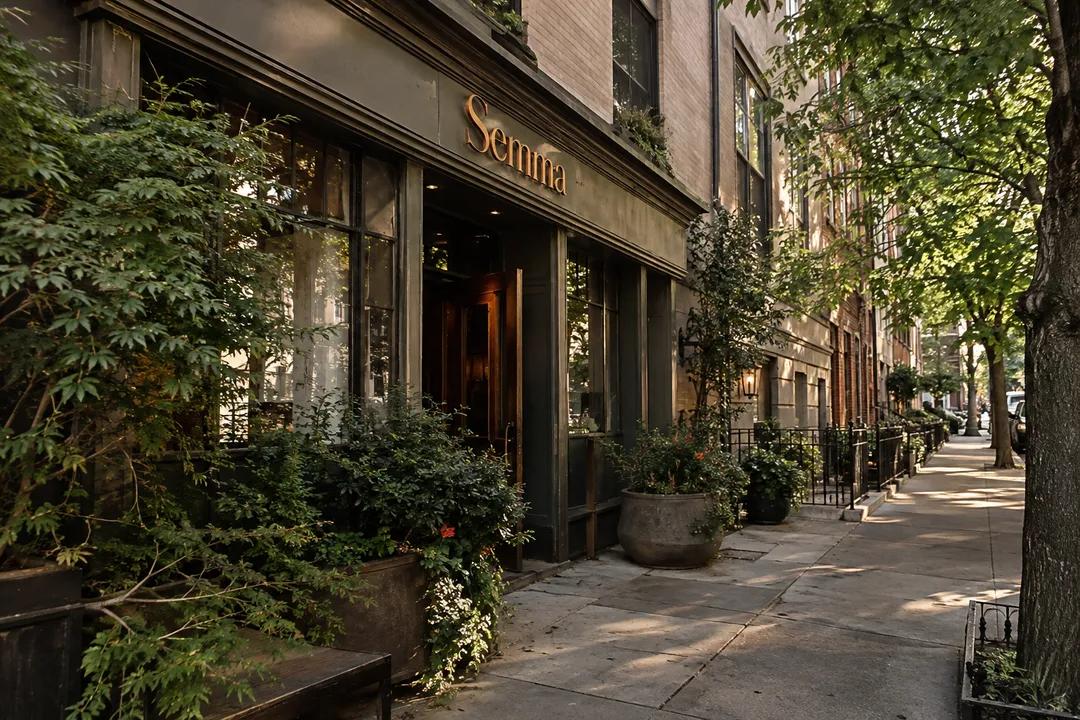
For anyone typing indian restaurant near me while moving through Greenwich Village, Semma is the destination when the craving leans South Indian and intensely regional. The restaurant at 60 Greenwich Avenue is associated with chef Vijay Kumar and the Unapologetic Foods team, and its menu is built around Tamil Nadu cooking rather than an all-purpose list of tikka, naan, and creamy curry. The dining room feels polished but not hushed, making it a strong choice for a serious dinner that still feels like New York.
Semma is easy to reach from the West Village's dense subway network, although the final walk is more pleasant than the station names suggest. The A, C, E, L, F, M, and PATH connections around 14th Street can all put you within a reasonable walk, and the M11 or M14 buses help if weather is poor. Greenwich Avenue is narrow and busy, so build in a few minutes to find the entrance and check in without blocking the sidewalk.
The restaurant's identity comes from dishes that chef Vijay Kumar grew up with and from ingredients that are often underrepresented on American Indian menus. You may encounter dried fish, game, seafood, souring agents, and spice combinations that are not softened for a generic audience. Semma's appeal is not simply that it is acclaimed; it is that the menu has a point of view. A first visit should be treated as a guided regional meal instead of a hunt for the most familiar item.
Begin with a snack that gives the table a map of the kitchen. The vada or a seasonal fritter is often in the $14 to $18 range, while a seafood starter may land closer to $20. If the menu lists nathai varuval, the snails are a compelling choice for diners who enjoy chewy texture and a deeply seasoned masala. Ask about substitutions before ordering because availability can change. Semma rewards curiosity, but the staff can steer a first-time table toward a comfortable mix.
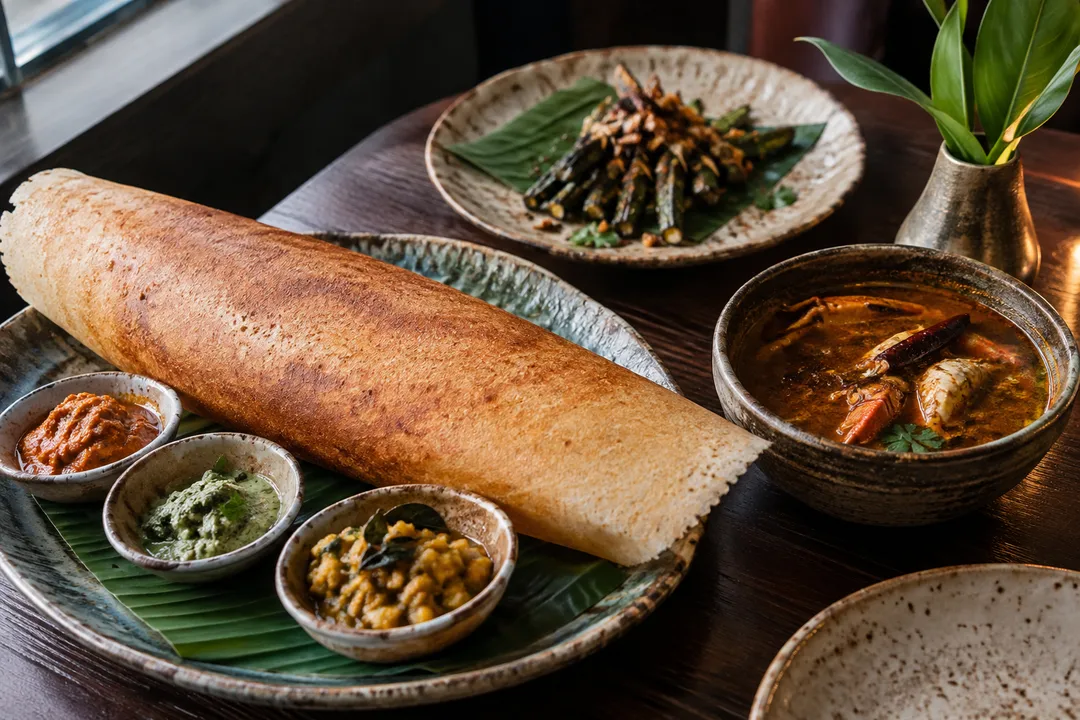
The dosa course is one of the clearest reasons to visit. A crisp dosa with chutney and sambar generally costs around $18 to $22, and the contrast between the brittle edge and soft center makes it more than a side. Share it early while the shell is at its best. The chutneys are not decoration: coconut, tomato, and sharper herb-based accompaniments change the bite. Do not bury the dosa under a heavy entrée before everyone has tried it.
For mains, the meen moilee or another coastal fish preparation can run about $32, bringing coconut, curry leaf, and gentle acidity to the table. The crab dish, when listed, is richer and often priced in the high $30s. These dishes are better with rice than with a stack of bread. Order one seafood plate for the table even if you are also sharing meat, because Semma's coastal flavors show how different the menu is from North Indian restaurant shorthand.
The lamb, goat, and game selections are where the menu becomes more challenging. A slow-cooked biryani or goat preparation may cost $30 to $38, with bone-in meat and a sauce that becomes more layered as it cools. Portions are designed for sharing but are not enormous, so two diners should choose two mains plus a starch rather than trying to sample everything. If the server flags a dish as especially spicy, take that warning literally and add cooling yogurt or a vegetable.
Drinks can make the meal easier to pace. Semma's cocktails often sit around $18, and a bright, citrus-led option is useful against fried starters and chili. A lager or a glass of white wine works too. Ask for water immediately and order drinks before the first wave of food arrives; the dining room can become busy quickly. Nonalcoholic guests should ask what is fresh rather than defaulting to a sugary bottled drink.
Reservations are the main rule. Semma is a small, high-demand room, and a same-night table is much easier at an early weekday seating than at 8:00 p.m. Keep the reservation time realistic because late arrivals compress the service for everyone. Walk-ins may find a seat at the counter, but it is not a dependable plan for a special occasion. A complete party and a flexible time window make the host's job easier and improve your odds.
The room mixes warm wood, close-set tables, and a visible sense of movement from the service team. It is sophisticated without turning the food into a museum piece. Servers are used to explaining unfamiliar Tamil terms, and asking a specific question is better than requesting that everything be mild. Tell them what you already like: seafood, sour flavors, smoke, or heat. That answer will produce a more useful recommendation than simply asking for the most popular dish.
A Semma reservation can anchor a full Village walk. Before dinner, browse the independent bookstores and record shops around Bleecker Street, or take a slower route through Washington Square Park. Afterward, head toward the Hudson River for a quiet nighttime stretch, or continue north to the West Village's small cocktail bars. If you are planning a weekend, check gallery openings and live music nearby so the meal feels like one chapter of the evening, not the only event.
Practical Notes: Semma suits diners who want regional South Indian cooking and are comfortable sharing plates. Expect about $80 to $120 per person before drinks and tip for a full dinner. Confirm current hours, menu prices, and reservation rules before you go. The entrance and compact seating can be challenging for some mobility needs, so ask ahead about the most accessible arrangement. Mention allergies at the start, and use the Karpo APP when you want a nearby alternative after the reservation is full. If you are bringing a guest who is uncertain about South Indian food, frame the meal around contrasts rather than unfamiliar names. Start with a crisp dosa, follow it with a coconut or tamarind-led seafood dish, and finish with rice or a cooling side. Semma is generous to diners who ask questions, but it is less forgiving of rushed ordering. Give the staff a clear picture of your appetite and comfort level, then let the kitchen's regional logic guide the table.
A return visit can be more revealing than trying to cover the whole menu in one night. The restaurant's regional cooking changes with availability, and a dish that was not on your first table may show a different side of the kitchen. Keep notes on what you liked, then tell the server that preference next time. Specific feedback usually produces a more interesting recommendation than asking for the safest choice.
Keep the first visit centered on the food rather than trying to turn the reservation into a loud group event. Semma's strongest details are small: the fermented edge of a dosa, the sourness in a fish sauce, the way a curry leaf changes a bite. A table that pays attention will leave with a clearer idea of Tamil cooking and a stronger reason to return.
Ask Karpo for more information.
Keep reading
- Tribeca Birria Crawl Planner for a Jury Duty Lunch Break
 Flushing Birria Crawl Planner After Sunday Park Soccer
 Bushwick Birria Crawl Planner Around a DIY Show Night