 Chelsea Consignment Shop Crawl Planner for Your First Studio
Hidden Gems & Odd Finds
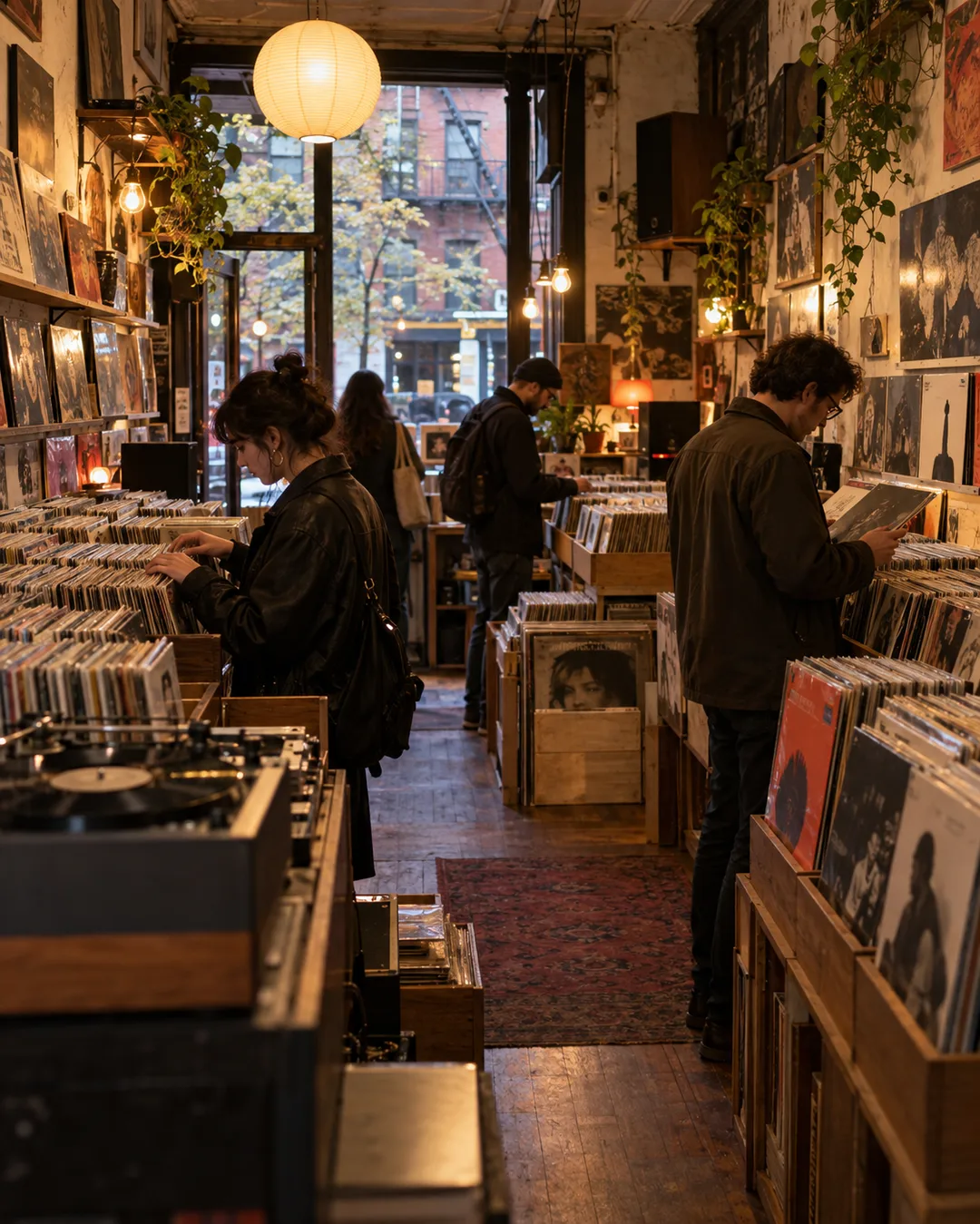
Independent Record Store Near Me: Stranded Records on East Fifth
Stranded Records NYC, the retail arm of archival label Superior Viaduct, brings new and used vinyl to 218 East 5th Street in the East Village.
Stranded Records is the independent record store near me pick for listeners who like their browsing connected to label history. The NYC shop is at 218 East 5th Street in the East Village and is the retail arm of Superior Viaduct, the archival label known for carefully presented reissues and unusual catalog work. You can come for new and used vinyl, but the more interesting visit is a small lesson in how a label's taste shapes a store's shelves.
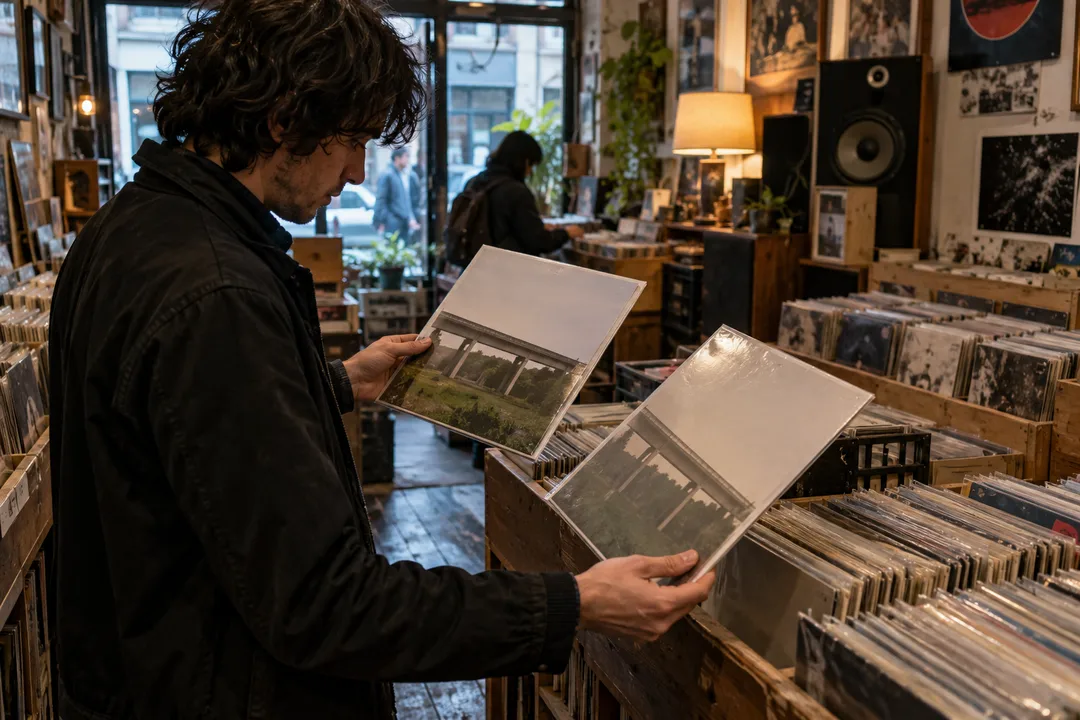
Why this shop is different
The relationship with Superior Viaduct gives Stranded a different center of gravity from a general record shop. The floor can move between used records and new archival releases, so a buyer may begin with a familiar genre and end up following a label, a scene, or a musician whose work was overlooked the first time around. That is particularly valuable for people who enjoy liner notes, design, and the story behind why a record has been brought back.
What to buy
Start by scanning the new-release and reissue displays, then step into the used bins with one question: what sits beside this record? If you find a minimalist electronic title, look for the earlier experimental work that made it possible. If you spot a jazz record, follow the personnel and label trail. Stranded rewards associative browsing because the store's archival identity gives those connections a little more shape than random crate luck.
How to browse well
The must-buy record here is the one that teaches you something without becoming homework. A Superior Viaduct reissue can be a sensible choice when you want clean context and a clear presentation, while a used title can be the better find when the jacket has a story and the price makes experimentation easy. Choose one record you already understand and one that requires a second listen. That pairing keeps a label-focused shop approachable.
When to go
Inspect packaging as part of the purchase. Archival releases often make design, mastering notes, and source information part of the experience, while used copies may show exactly how much they have been handled. Read the back cover, check the disc, and ask about a title if the label history is unfamiliar. Staff recommendations are most useful when you say what you already own and what you do not want to repeat.
The neighborhood walk
The room is small enough that etiquette matters. Keep a pulled stack neat, return dividers carefully, and do not leave a record balanced on a turntable while you walk away. If another customer is waiting for the same section, finish the copy in your hand before expanding your pile. East Village record shops work best when browsing feels shared rather than competitive, and the staff can spot a serious buyer without a performance of expertise.
Practical notes
Come during a quiet weekday stretch if you want to read every label. The East Village is more crowded later in the day and on weekends, when record hunters combine shopping with drinks and dinner. A morning or early afternoon visit is better for a careful reissue comparison. A later visit is better if you want to hear what other people are asking about and leave with a recommendation you would not have searched for yourself.
The neighborhood walk practically writes itself. From East Fifth Street, head toward Tompkins Square Park, then loop through the East Village streets where small food counters, bars, and independent storefronts keep the route lively. If you continue west, you can finish near Astor Place or Washington Square Park. Put the records in a protective sleeve before walking; a sudden drizzle is a bigger threat to a paper jacket than to your itinerary.
For a more archival afternoon, pair Stranded with a visit to another cultural stop rather than another shop. A gallery, a used bookstore, or a small music event gives the reissue story somewhere to land. The East Village is dense enough that you can make the day feel layered without moving far. Decide whether you want food before or after the browse, because the shop's quiet concentration makes hunger easy to ignore until you are already carrying records.
Skip a reissue if the artist's sound does not fit your actual listening habits. Label prestige is useful guidance, not a command to buy. The opposite mistake is skipping every unfamiliar title because you cannot preview it; choose one low-risk experiment and read the notes. Stranded's strength is curation, but curation only helps when you let it lead you somewhere new without pretending every discovery must become a collection project.
Practical notes: Stranded Records NYC lists 218 East 5th Street, New York, NY 10003. The same page identifies the San Francisco and Oakland locations, so use the NYC listing when planning this visit. Check Stranded's current store information for hours, buying instructions, and new releases. Bring a short label list, a protective bag, and enough time for the archive trail to become the point of the outing.
Stranded works best for collectors who enjoy reissues, experimental music, jazz, electronic catalogues, and the physical design of a record. It also suits an East Village visitor who wants a small, purposeful browse rather than a warehouse. It is less useful if you need a broad, bargain-only inventory. The reward is coherence: the store gives new and used vinyl a shared sense of history.
Before you leave, write down one label and one musician from a record you did not buy. Those two names are the best next prompt for the Karpo APP, whether you want another music stop, a meal nearby, or a walking route through downtown. Stranded is memorable because the purchase is only half the visit. The other half is following the paper trail from one sleeve to a wider musical world.
The store also makes a strong first stop for someone who wants to understand why reissues matter. Compare a familiar artist's original-era design with a newer archival presentation, then ask what information the later edition makes easier to hear or read. You do not need to become a completist. One thoughtful comparison is enough to make the next record-shopping trip more deliberate, especially if you leave with a title from outside your usual decade.
Ask Karpo for more information.
Keep reading
- Chelsea Consignment Shop Crawl Planner for Your First Studio
 East Village Consignment Shop Crawl Planner: Leather Jackets
 Harlem Consignment Shop Crawl Planner for a Jazz Night Look