 Chelsea Consignment Shop Crawl Planner for Your First Studio
Hidden Gems & Odd Finds
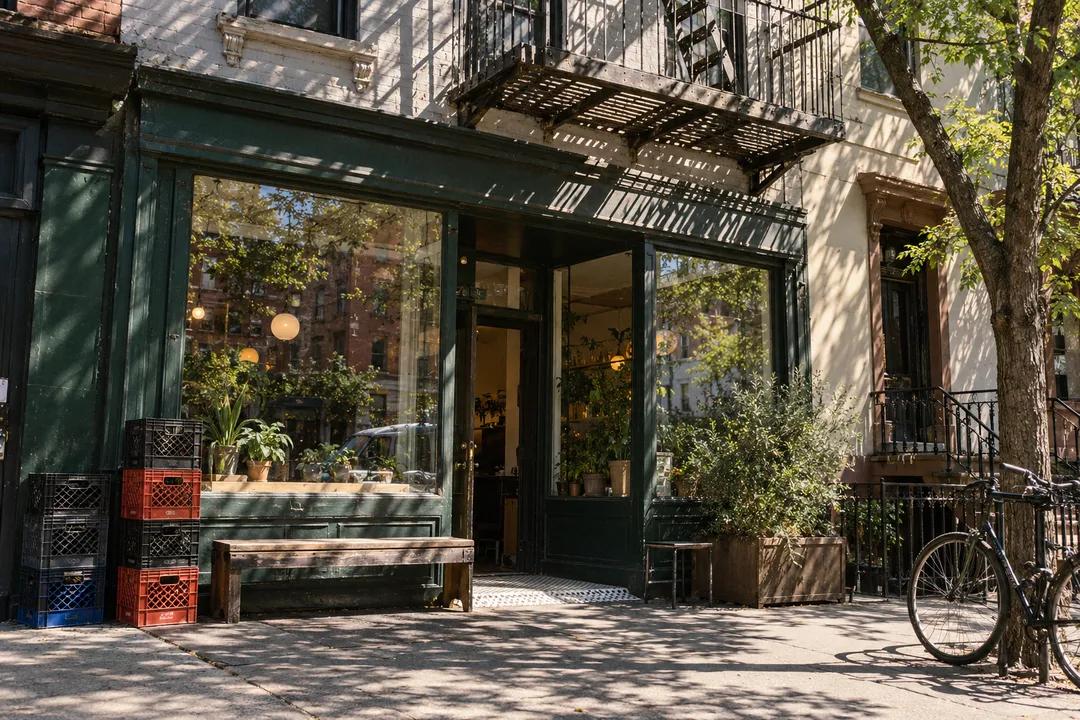
Independent Record Store Near Me in NYC: A-1 Records in the East Village
A practical guide to A-1 Record Shop at 439 East 6th Street, with its soul and hip-hop focus, listening-room etiquette, and East Village route.
A-1 Record Shop makes the independent record store near me in NYC search feel local and specific at 439 East 6th Street, New York, NY 10009. The shop is open daily from noon to 8 p.m. and is especially associated with soul, funk, hip-hop, and the kind of vinyl browsing that rewards a good ear more than a long itinerary. Its East Village address puts it inside a neighborhood where a record stop can easily become a whole afternoon of music, food, bars, and side-street wandering.
Why A-1 is an East Village listening stop
Use 439 East 6th Street, New York, NY 10009 in your plan. A-1 Record Shop is open daily from noon to 8 p.m., with a genre identity that makes it more rewarding than a general-purpose stop. Browse soul, funk, and hip-hop slowly, use the listening station considerately, ask for a bridge between sounds, and leave time for the neighborhood after the bins. That is how a small record shop becomes a real city experience.
Where to begin with soul and funk
A-1 is easier to appreciate when you arrive with a mood rather than a strict title request. Start with soul, funk, hip-hop, or a related sound and allow the East Village stock to widen the search.
How to judge a used record in hand
If several people are browsing, choose separate bins and meet again when someone has a record worth playing or discussing. This keeps the modest floor from feeling crowded.
What to do after East Sixth Street
The strongest find may be an overlooked pressing or a staff recommendation rather than a headline collectible. A record that becomes part of your listening routine is the better souvenir.
Leave time for a short East Village loop after the purchase. The changing storefronts and side streets give the crate-digging session a useful second act.
Pick one corner to remember for next time and stop there first on your return. A personal route is more valuable than an exhaustive inventory.
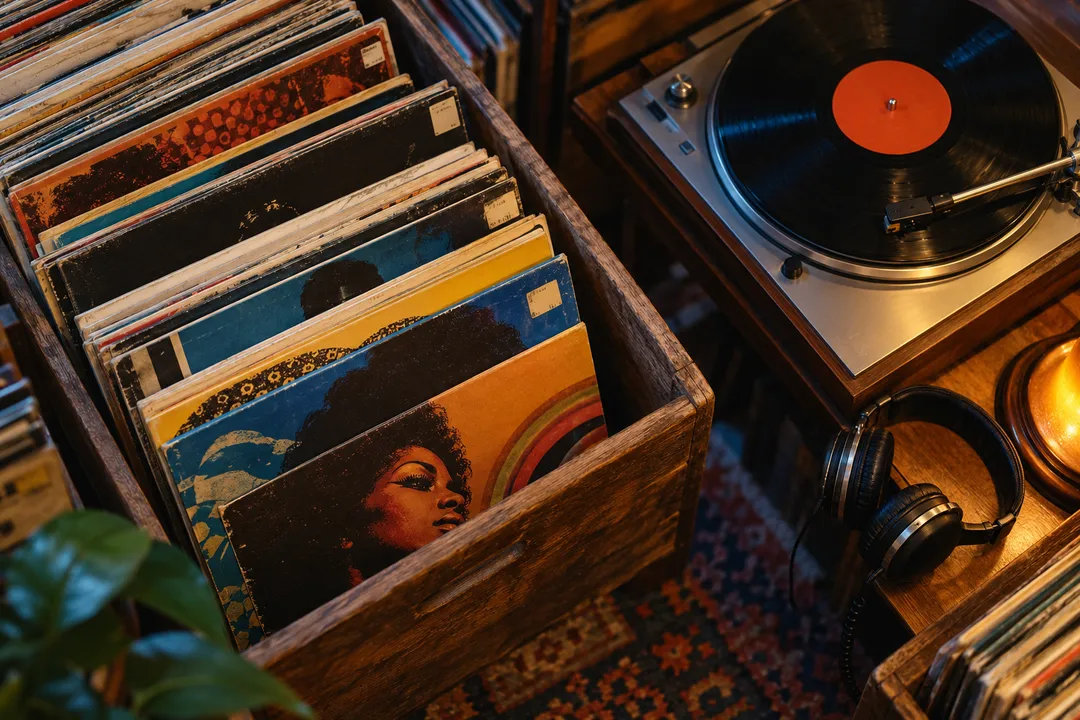
A-1 is not the place to approach as a generic music warehouse. The appeal is the concentration: wooden bins, a strong soul and funk presence, hip-hop records, and staff recommendations that can move you from a familiar artist to a less obvious one. The store's modest scale is useful because it lets you develop a browsing rhythm. You can scan the front, move into the main genre sections, and return to a title after hearing something in the room that changes what you are looking for.
The best first pass is to start with the section that matches your mood rather than the decade you think you should be shopping. Soul collectors can work through vocal groups, funk, and related grooves. Hip-hop listeners can compare familiar names with production or regional connections. Curious visitors can ask the staff for a record that explains a particular sound. The listening station is part of the shop's character. Use it with purpose, keep your bag close, and leave room for another person who is trying to hear a title before buying it.
A-1's regulars often look like people who came in for one record and are comfortable leaving with a different one. You may see a DJ checking a sample source, a collector flipping through soul with a disciplined speed, or a first-time buyer asking why one pressing matters. The quiet rule is to keep the browsing path open and return records to the correct bin when you change your mind. That small courtesy matters in a room where several people may be listening and searching at once.
The store's strongest reason to visit is its ability to turn genre into conversation. Soul, funk, and hip-hop are not isolated shelves. They are connected by musicians, labels, samples, rhythms, and production choices. Ask a staff member for a bridge rather than a list: a record between classic soul and early hip-hop, or a funk album that works for someone who normally listens to jazz. That kind of question makes the shop's expertise useful without requiring you to arrive as a specialist.
Use a two-part budget rule. Choose one record you know you will play, then reserve a smaller amount for an unexpected find. Before you buy, inspect the record and sleeve together, especially if you plan to sample or DJ with it. A visually worn cover can be acceptable when the disc is the point. A beautiful sleeve is not a substitute for a clean listening copy. A-1 is most fun when you make those decisions in the room rather than treating every record as a collectible by default.
Skip the store if your only goal is a sealed, current pop release with a predictable online price. A-1 is better for the tactile part of music shopping: recommendation, discovery, texture, and the chance that the shelf changes the question you walked in with. The honest call is to choose it when you want soul, funk, hip-hop, or a neighboring sound, and to choose a larger new-release shop when you need a specific current title immediately.
The daily noon-to-8 schedule makes A-1 easy to fit around an East Village plan. Early afternoon is useful for a calmer browse, while late afternoon brings more neighborhood energy and a stronger chance of seeing DJs, collectors, and regulars moving through. Keep the visit flexible: a record shop with a listening station works better before a reservation than in the ten minutes between two fixed commitments.
After A-1, build a short East Village walk rather than crossing town. Continue along East 6th Street, turn toward Avenue A, or drift toward Tompkins Square Park and the small businesses around it. The neighborhood's scale suits the store's mood: you can make decisions at the bins, then reset outside with a coffee, snack, or slower block. If you want a second music stop, plan it only after A-1. The first shop may already have changed the direction of the afternoon.
For a first purchase, pick a record with a sound you can describe in one sentence. Maybe you want bass-heavy funk, warm vocal soul, a classic break, or a hip-hop album with a particular production style. That sentence gives the staff something to work with and keeps your hunt personal. Avoid buying a famous title solely because it is famous. The better souvenir is the record that becomes attached to the East Village walk because you discovered it there.
Ask Karpo for more information.
Keep reading
- Chelsea Consignment Shop Crawl Planner for Your First Studio
 East Village Consignment Shop Crawl Planner: Leather Jackets
 Harlem Consignment Shop Crawl Planner for a Jazz Night Look