 Chelsea Consignment Shop Crawl Planner for Your First Studio
Hidden Gems & Odd Finds
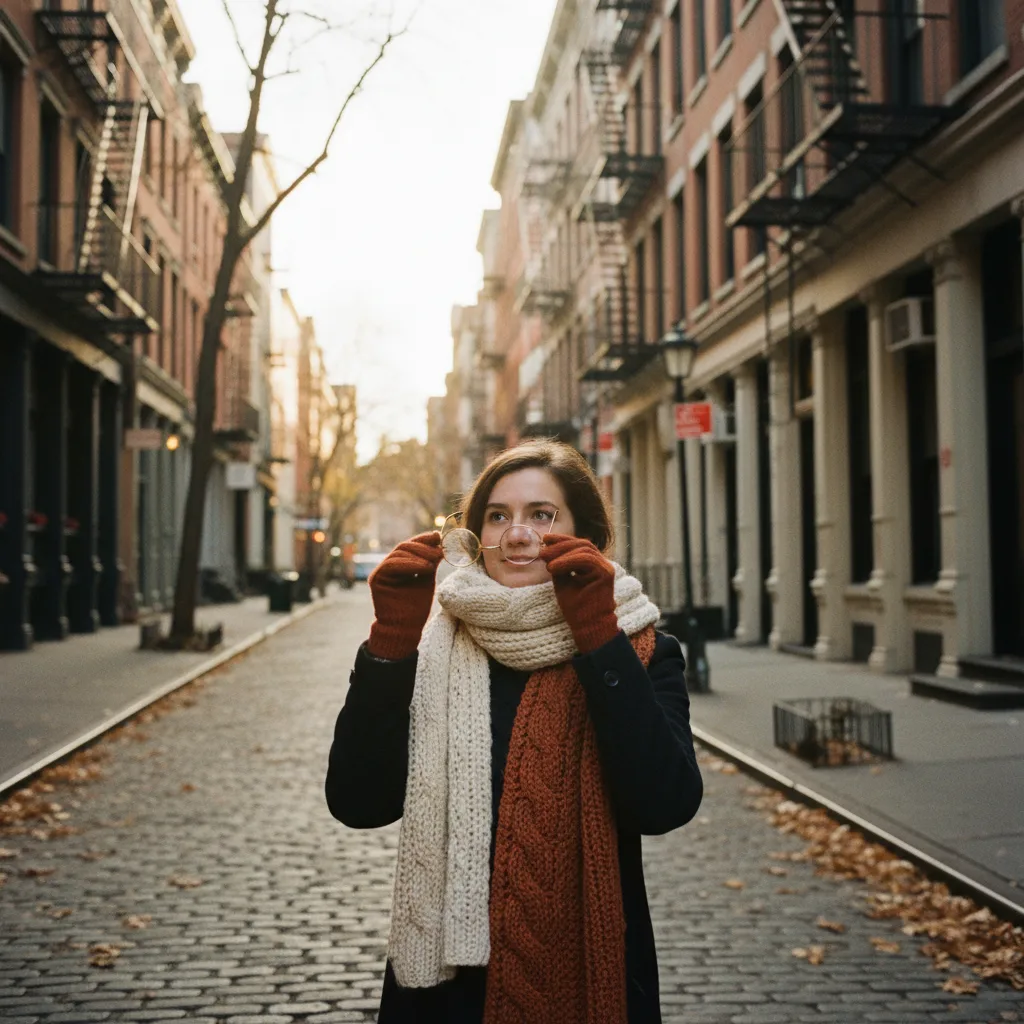
SoHo Independent Eyewear Shop Finder for Vintage Hunters
A SoHo route for vintage eyewear hunters: dodge Broadway crowds, judge an old frame's condition, pick shapes that suit you and get your find fitted with lenses.
SoHo is famous for flagship stores, and on a Saturday Broadway can feel like a moving wall of shopping bags. Yet a few blocks east and west, on streets lined with cast iron facades and old loading docks, you can still find the slower pleasures that made the neighbourhood interesting. For people who love older eyewear, that means vintage frames hiding in curated boutiques and independent opticians who know how to bring them back to life. This route is built around the hunt.
Why Vintage Frames Are Worth the Search
Frames made decades ago often have details that are hard to find today: thick, hand-polished acetate, rivets that show at the hinge, delicate gold wire that has worn into a soft glow. They also come in proportions that feel fresh because they are not currently everywhere. A pair of small oval wire frames or a chunky browline can look more personal than anything on a mass-market shelf.
There is a sustainability angle as well. Giving a good old frame a second life with new lenses is a satisfying alternative to buying something brand new. Plenty of SoHo regulars treat their glasses the way they treat a well-made coat, as an object to repair and keep rather than replace every couple of years.
Start Away From Broadway
Begin your search on the side streets rather than the main avenue. Greene, Mercer, Wooster and Thompson Streets have a calmer rhythm, and the smaller stores there are more likely to stock a tray of carefully chosen old frames alongside clothing, objects or books. Walking these blocks also lets you enjoy the architecture, from the iron columns to the vaulted sidewalk lights set into the pavement.
Go early in the day if you can. Shopkeepers have more time to talk before the afternoon rush, and they are often generous with stories about where a frame came from. Vintage dealers and independent optical shops in the area frequently know each other, so a friendly question about where else to look can lead you to your next stop.
Judging an Old Frame in Your Hands
Before you fall in love with a shape, look closely at its condition. Open and close the arms gently to feel whether the hinges are firm. Look for fine cracks near the bridge and at the points where the arms meet the front, since those are the places that take the most stress. In acetate frames, a cloudy or chalky surface can sometimes be polished, but deep crazing usually cannot.
Metal frames deserve their own inspection. Check the solder joints around the bridge and make sure the nose pads, if there are any, sit evenly. Gold-filled wire frames from the middle of the last century can be wonderfully sturdy, while very thin plated metal may be more fragile. When in doubt, ask the seller whether an optician has already looked at it.

Choosing a Shape That Suits You Now
Vintage shopping can tempt you into frames that look great on the tray but strange on your face. Hold each candidate up to a mirror and ask whether it flatters you today, not whether it would have been fashionable on a film star long ago. Pay attention to the width: older frames were often made a little narrower, which can feel tight on wider faces.
Take photos of your favourites in natural light near the shop door. SoHo's tall windows and pale stone streets give a fair, even light, and comparing two or three photos helps you see which frame feels like you. If a friend is with you, ask them to pick their favourite without telling them yours, and see whether you agree.
Where the Old Frames Come From
Part of the fun of vintage eyewear is imagining its first owner. Dealers in this part of Manhattan gather frames from estate sales, closed optical shops in small towns and dusty stockrooms where unsold pairs sat in their original sleeves for decades. These so-called deadstock frames have never been worn, which makes them especially appealing.
Ask about provenance when you pick up a frame you like. Some sellers can tell you roughly which decade a style comes from, or which country it was made in, by reading the markings on the inside of the arm. Those small stories turn an ordinary errand into a conversation you will remember every time you put the glasses on.
Handing Your Find to an Independent Optician
A vintage frame becomes everyday eyewear only when it holds your prescription properly. Independent opticians in and around SoHo are used to customers walking in with a treasure from a flea market or a family drawer. They will usually inspect the frame, discuss whether it can safely take new lenses, and advise on lens materials that suit its shape.
Bring your current prescription and, ideally, your existing glasses so the optician can compare lens heights and fit. Be open to their advice if a frame is too fragile to edge new lenses into. A good optician would rather tell you a frame should become a display piece than see it snap a week after you start wearing it.
Breaks Between Stops
A long hunt deserves pauses. Drift west toward the small cafes around Sixth Avenue and Spring Street, or head east into the edges of Nolita for a pastry and a seat by a window. The quieter blocks around Vandam and Charlton Streets are also pleasant for a short walk among older row houses when the shopping streets feel busy.
Use those breaks to reconsider. A vintage frame you passed on an hour ago may still be on your mind, which is a good sign. Many experienced collectors follow a simple rule: if you are still thinking about it after a coffee, go back. If you have already forgotten it, it was never the one.
Caring for Your Frame After Pick-Up
Once your vintage pair has lenses and a fresh fit, treat it kindly. Use two hands to take it off, store it in a hard case, and avoid leaving it on a car dashboard or a sunny windowsill where acetate can warp. A gentle wipe with a soft cloth is usually all the care it needs between visits to the optician.
Return for small adjustments whenever the frame starts to slide or tilt. Older hinges sometimes loosen as they settle, and a quick tightening keeps them sound for years. Over time, the frame becomes part of your story as much as the story of the person who wore it before you.
Using Karpo APP for the Hunt
Ask the Karpo APP for SoHo spots that suit a vintage eyewear hunt, from curated boutiques to independent opticians who relens old frames, and add a cafe break to the same plan. Karpo helps you shape the afternoon so you can spend it where it matters, turning old frames over in your hands until one of them feels like it was always yours.
Ask Karpo for more information.
Keep reading
- Chelsea Consignment Shop Crawl Planner for Your First Studio
 East Village Consignment Shop Crawl Planner: Leather Jackets
 Harlem Consignment Shop Crawl Planner for a Jazz Night Look