 Tribeca Neighborhood Coffee Crawl Planner With a Stroller
Coffee & Dessert
SoHo Independent Coffee Tasting Trail Between Galleries
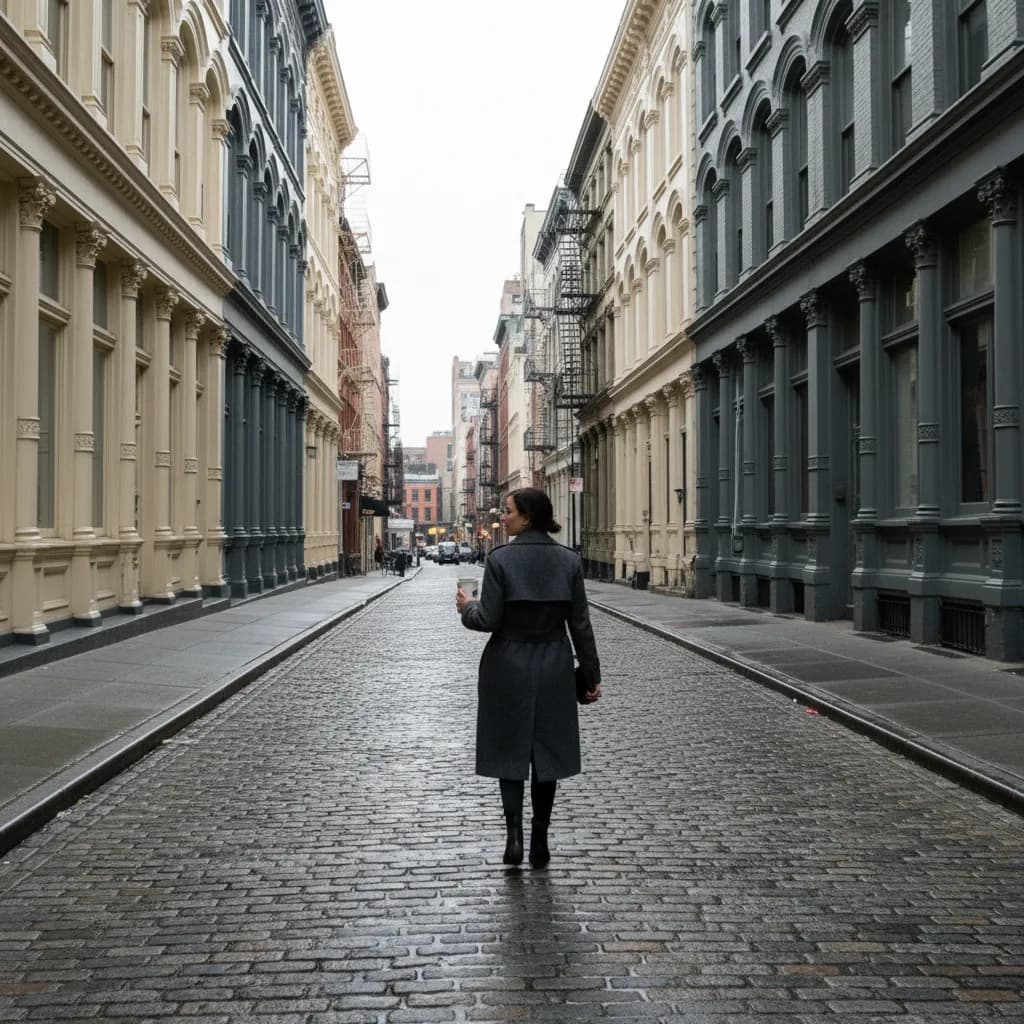
Pair a SoHo independent coffee tasting trail with gallery hopping: light roasts on Greene and Mercer, side streets over Broadway, a last cup on cobblestones.
SoHo is often sold as a shopping district, but its quieter side streets still belong to the artists, architects and gallerists who made the neighborhood famous. Mixing that world with an independent coffee tasting trail gives an ordinary afternoon a rhythm: you look at a room full of paintings, step outside into the cast-iron canyon of Greene or Mercer Street, sip something carefully brewed, and carry that slower attention into the next space. The coffee sharpens the art, and the art gives you a reason to pause between cups.
Reading the Cast-Iron Streets Before You Sip
The facades are the first exhibit. Many of the buildings here went up in the nineteenth century as warehouses and factories, their fronts cast in iron panels that let builders add tall windows, slim columns and ornate cornices for a fraction of the cost of carved stone. When manufacturing moved out, artists moved in, drawn by the huge open lofts and the cheap rent of that era. Galleries followed, and later the boutiques. Walking these blocks slowly, with a coffee in hand, lets you notice the details most shoppers rush past: loading docks turned into stoops, vault lights glinting in the sidewalk, freight elevators behind glass doors.
That layered history also explains why independent cafes here tend to be compact and design-conscious. Many sit in former storage rooms or narrow slices of a ground floor, with minimalist counters and big windows. The people running them often care as much about presentation as about extraction, which makes SoHo a good place to taste light, delicate roasts that reward a clean cup and careful attention.
Choosing a Light Roast Flight
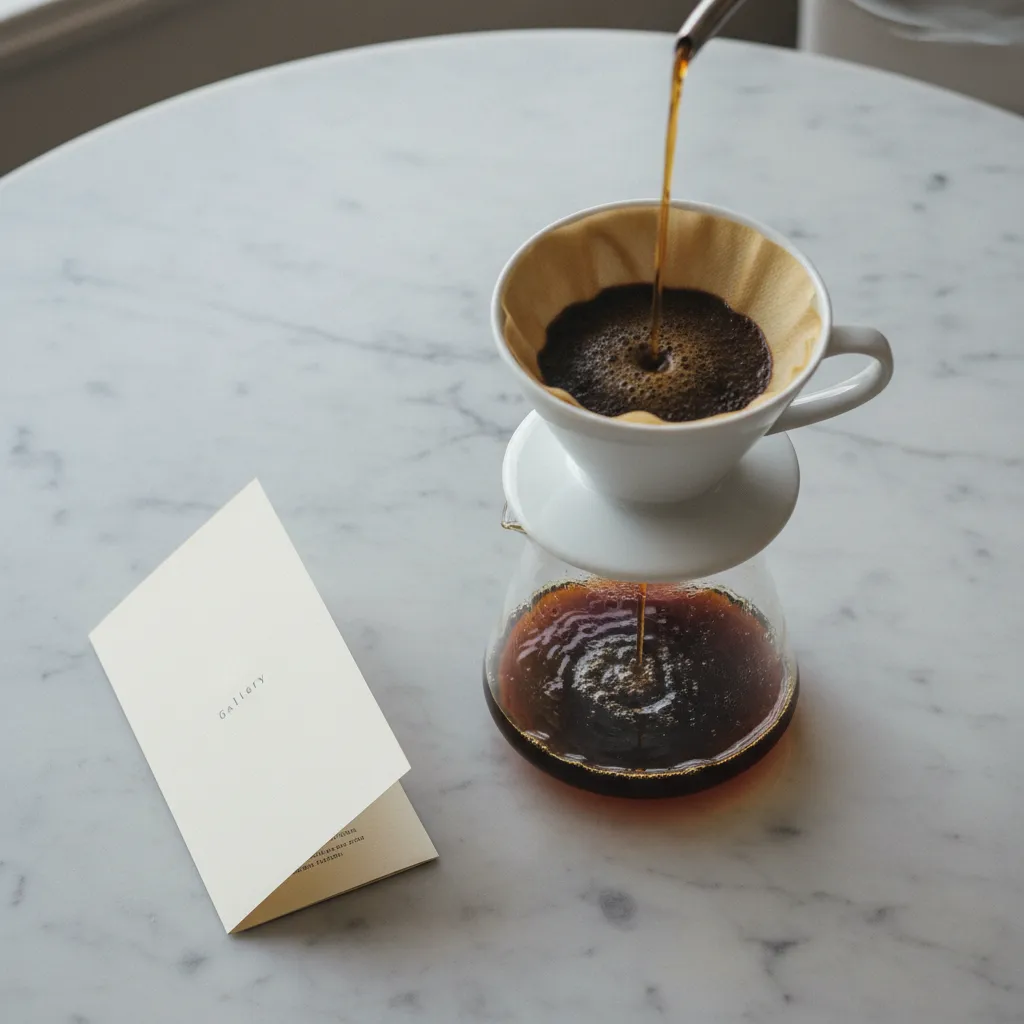
If you only drink dark, milky coffee at home, this is the neighborhood to try something different. Light roasts keep more of the bean's origin character, so you might taste jasmine, bergamot, peach or even a hint of red wine, depending on where the coffee was grown and how it was processed. Washed coffees tend to taste crisp and tea-like. Natural-processed coffees, dried with the fruit still around the seed, often taste jammy and round. Comparing one of each on the same afternoon is a simple way to learn the difference.
Ask the barista whether they offer a tasting flight or two small cups side by side. Some independent counters are happy to split a pour-over into smaller servings when you explain that you are comparing origins. If they cannot, order one hand-poured coffee at your first stop and a different origin at your second, and keep a quick note about each.
The Gallery Interval: Where Coffee Fits
Plan the afternoon in loops. Start with a coffee near the southern edge of the neighborhood, then visit two or three galleries before your next cup. Most galleries do not allow drinks inside, so finish each cup on the sidewalk and treat that pause as part of the walk. Standing under a cast-iron cornice while you taste the last sip, then stepping into a white-walled room, creates a pleasing contrast between warm and cool, busy and still.
Between shows, talk about what you saw. A tasting trail with a friend works best when you share impressions, and the same habit applies to art. You may find that describing a painting with words like bright, muddy or layered makes it easier to describe a coffee the same way, and the reverse is also true. By the third stop, your notes about color and flavor start to sound oddly alike.
Side Streets Beat Broadway
Broadway carries the heaviest foot traffic in the area, especially on weekends, and its storefronts lean toward national brands. Keep your route on the parallel streets instead: Greene, Mercer, Wooster and the blocks around Prince and Spring. These are where you will find quieter cafes, smaller galleries and the cobblestone stretches that make the neighborhood photogenic. Cross Broadway only when you have to, and you will spend more time tasting and less time weaving through crowds.
Thompson and Sullivan Streets on the western side have a different texture, with older tenement buildings, small restaurants and a few neighborhood bakeries. They make a nice detour if you want a pastry break or a coffee with a more relaxed, residential feel after the polish of the cast-iron core.
How to Taste a Pour-Over Like a Barista
Let the cup cool. Coffee straight off the brewer is too hot to taste well, and many of the most interesting flavors appear only as it drops toward warm. Sip a little every few minutes and notice how the cup changes. Slurp quietly if you can, because pulling air in with the coffee spreads it across your palate the way professional cuppers do. Then think about three simple questions: Is it bright or mellow? Is it light or heavy in the mouth? Does the finish linger or disappear?
Skip milk and sugar for the first half of each cup. If you want to add them later, go ahead, but tasting it plain first tells you what the roaster intended. A small glass of water between coffees resets your palate and keeps a long afternoon comfortable.
Using Karpo APP Between Shows
Karpo APP is a useful companion for this kind of loose itinerary. Ask it for independent coffee counters in SoHo that serve pour-over or light roasts, and for galleries nearby, and it can suggest a walking order that keeps you on the side streets. Save the plan so you can glance at it between shows without losing the thread of the afternoon.
You can also use it to adapt. If a gallery is between exhibitions or a cafe is too busy, ask Karpo APP for a similar spot a few blocks away. When you find a coffee you love, save it to your list so a future trail can start there.
Practical Notes for an Afternoon Here
Weekday afternoons are calmer than weekends, when shoppers fill the sidewalks. Comfortable shoes matter, since cobblestones and vault-light sidewalks can be uneven. Carry a small bag for any beans you buy, and ask the barista how long the coffee rested after roasting so you know when it will taste its finest at home. Be polite in galleries: finish drinks outside, keep voices low and ask before taking photos. If you are tasting with a friend, share cups to keep your caffeine intake gentle, and save your boldest choice for last so it does not overwhelm the delicate coffees that came before.
Ask Karpo for more information.
Keep reading
- Tribeca Neighborhood Coffee Crawl Planner With a Stroller
 Flushing Neighborhood Coffee Crawl Planner Beyond Espresso
 Bushwick Neighborhood Coffee Crawl Planner for Mural Hunters