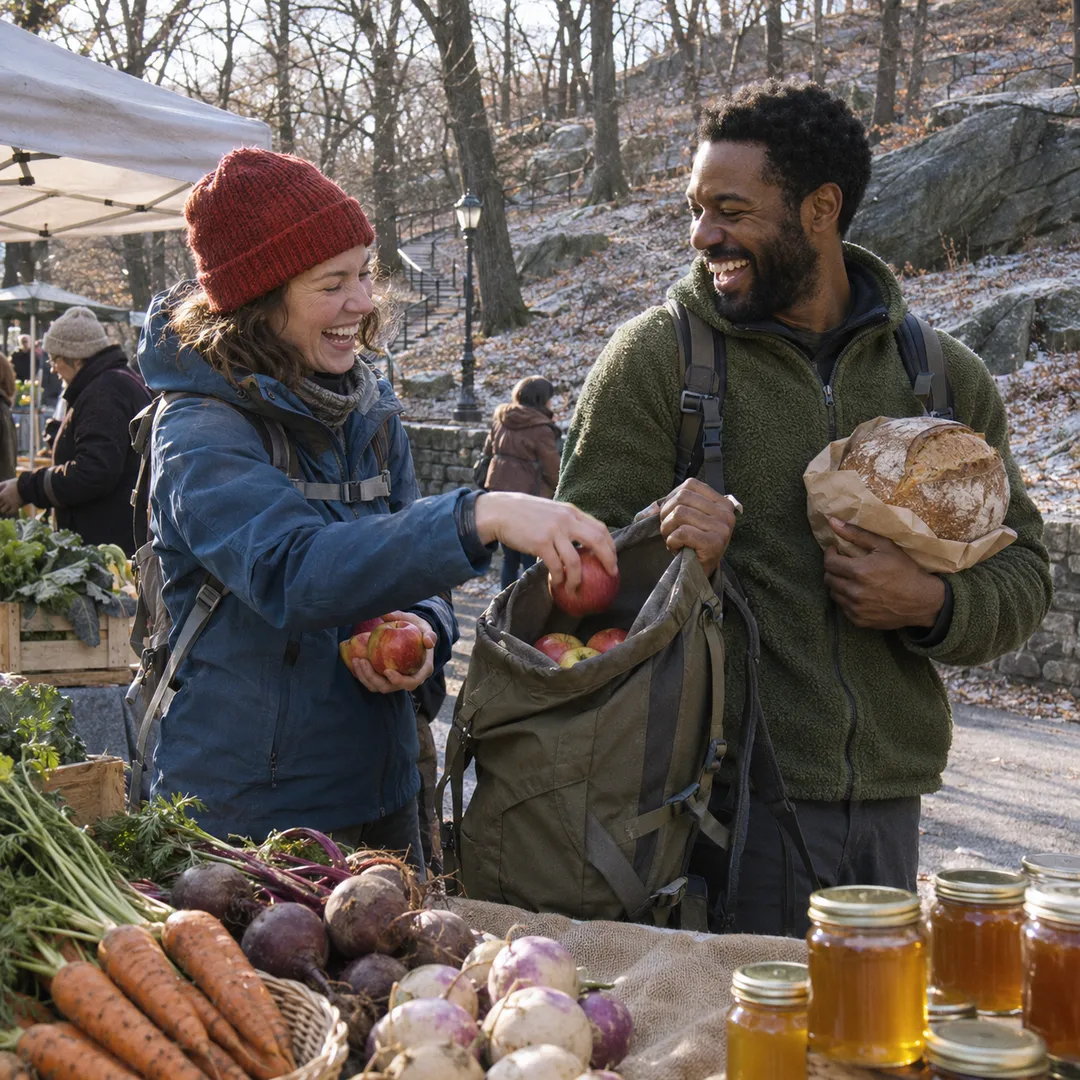
 Inwood Winter Greenmarket Picker for Hikers on Cold Mornings
Weekend Plans

Independent Cinema Screening Finder: Upper West Side Series
Upper West Side indie screenings center on Film at Lincoln Center on West 65th Street. Follow a series or festival, then walk to Riverside or Central Park.
On the Upper West Side, independent film is less about a quirky storefront and more about an institution. Film at Lincoln Center runs two venues on West 65th Street, the Walter Reade Theater, which opened in 1991, and the Elinor Bunin Munroe Film Center across the street, which opened in 2011. Together they program retrospectives, new international work and the New York Film Festival, which has run since 1963. For anyone who wants a serious screening without heading downtown, this is the obvious anchor. The key is learning to plan around series and festivals rather than single titles.
Think in Series, Not Single Films
Film at Lincoln Center builds much of its calendar in series: a director retrospective, a national cinema showcase, a themed program around an actor or a decade. A single film in such a series makes the most sense when you know what surrounds it. Reading the series introduction before buying a ticket often reveals that a lesser-known title is the real centerpiece, the one the programmers were most excited to show.
This approach also helps with timing. Series run for days or weeks, so if one screening does not fit, another title from the same program might. Instead of asking what is playing tonight, ask which series is running this month and which of its screenings fit my week. The answer is usually more satisfying.
The annual calendar has a rhythm worth knowing. The New York Film Festival dominates late September and October, with premieres, talks and crowds. In spring, New Directors/New Films, co-presented with the Museum of Modern Art, highlights emerging filmmakers. Between them, the regular program carries on with retrospectives and new releases.
Building a Workable Shortlist
Start by fixing the practical limits: the evenings you are free, how late you can stay, and whether you want an introduction or discussion. Festival screenings in particular often include talks that extend the night considerably.
Next, choose two or three screenings from the current series and write one sentence for each explaining why it is there. A note like a restored 1960s Japanese drama, two hours, intro by the curator, finish around nine forty gives everyone enough to decide. Karpo APP is a convenient place to keep that list. You can describe the evening you want in plain language, organize the screenings you have found, and share the reasoning with friends. Karpo is a planning assistant, so ticket purchases, member pricing and exact times always come from Film at Lincoln Center's own website.
During festival season, plan earlier than usual. Popular screenings can sell out quickly, and having a second choice ready saves the evening. A shortlist built a week ahead, with one confident pick and one flexible alternate, is usually enough to get through even the busiest festival week without stress.

Walks That Frame the Screening
The plaza at Lincoln Center is a pleasant place to arrive early, with the Revson Fountain at its center and the opera house glowing behind it in the evening. For a longer walk, head west toward Riverside Park, where paths along the Hudson give you a quiet stretch to think before or after a demanding film.
Central Park is a few blocks east. A matinee followed by a walk through the park's western edge makes a classic Upper West Side afternoon. After an evening screening, Columbus and Amsterdam Avenues offer plenty of places for dinner or a drink, close enough that the conversation about the film does not lose momentum. On a fine evening, a bench along the Riverside Park promenade at sunset can be as memorable as the film itself, and it is a short walk back to the avenues for a late meal.
Getting home is straightforward. The 66th Street-Lincoln Center station on the 1 line is right there, and the 59th Street-Columbus Circle station a short walk south connects to the A, B, C, D and 1 lines.
Getting More From the Program Notes
One of the quiet pleasures of a curated venue is the writing that comes with it. Series pages usually include a short essay explaining why the films were chosen, and individual listings often mention the print or restoration being shown. Spending five minutes with those notes before you go changes how you watch. You will notice the motifs the programmers had in mind, and you will have something to talk about afterward beyond whether you liked it.
If an introduction is scheduled, treat it as part of the film. Curators and visiting filmmakers often share context that is hard to find elsewhere, from how a print was rescued to why a director's early work was overlooked. Arriving late to skip the talk is a common mistake that regulars rarely make.
Keep a few of those insights in your notes alongside the screening. The next time a related series appears, you will already know where you want to start.
Matching the Screening to Your Company
Retrospectives suit dedicated film fans and solo viewers who want to follow a director's career over several visits. For dates, a well-reviewed new international release with a moderate running time tends to work better, followed by dinner on Columbus Avenue.
Groups that include occasional moviegoers may enjoy a festival screening, where the sense of occasion and a post-film discussion add energy. Out-of-town guests often appreciate the setting itself; seeing a film in the Lincoln Center complex feels like part of a New York visit.
If you are bringing older relatives, a weekday matinee is often calmer, with fewer crowds in the lobby and easier transit. Students and younger viewers should check whether reduced prices are offered, details of which are on the official site.
Practical Notes for Upper West Side Film Nights
Schedules, prices and membership benefits change with each season, so rely on Film at Lincoln Center's official pages when planning. Festival tickets often go on sale to members first and then to the public, which means the most popular screenings may be gone by the general sale date. Plan accordingly if a specific premiere matters to you.
Arrive at least twenty minutes before showtime, especially for introductions. If you need accessibility information, contact the venue directly about the specific theater and entrance.
After each night, note which series you enjoyed and how the timing felt. That record makes it easy to plan the next independent screening on the Upper West Side, and it builds into a personal map of the directors and programs you want to follow.
Ask Karpo for more information.
Keep reading
- Inwood Winter Greenmarket Picker for Hikers on Cold Mornings
 Carroll Gardens Winter Greenmarket Picker for Holiday Bakers
 Jackson Heights Winter Greenmarket Picker for a Family Day