 Crown Heights Rainy Day Kids Activity Finder for Toddlers
Weekend Plans
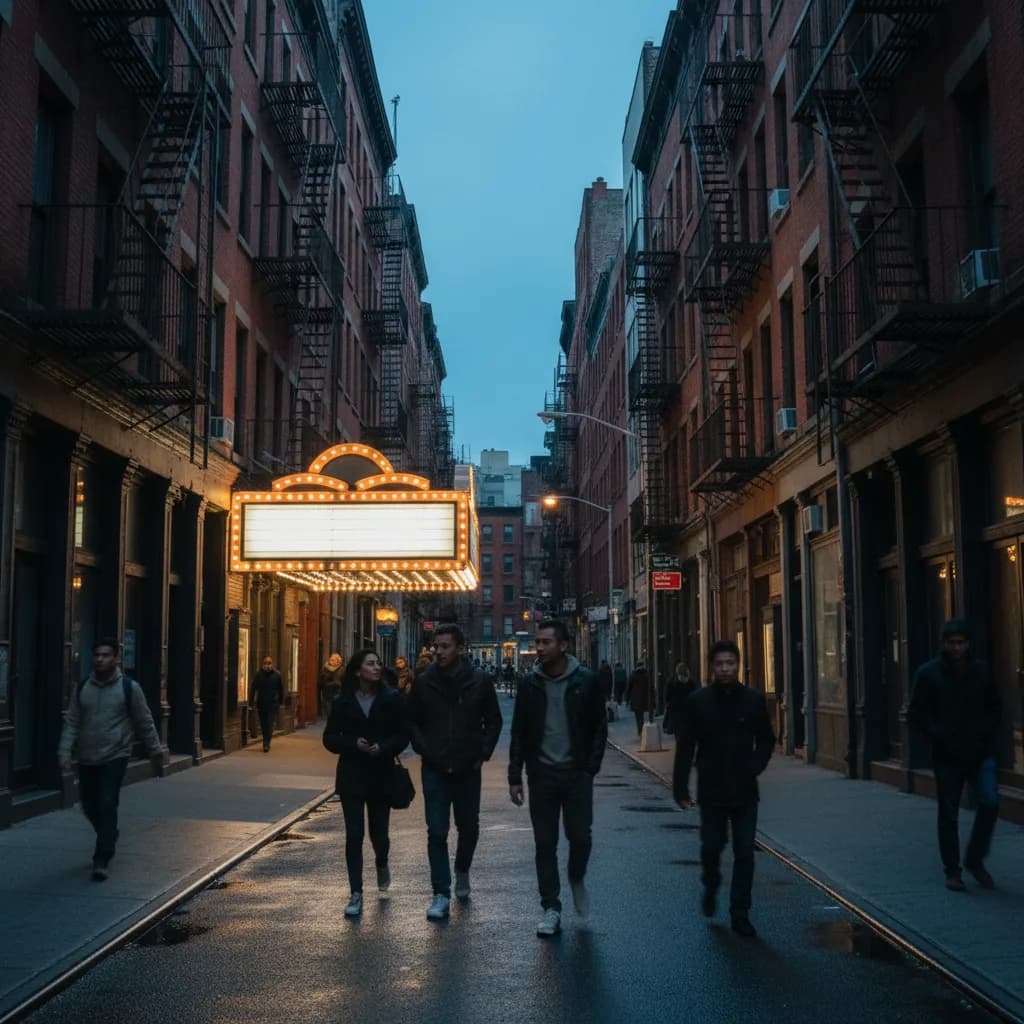
Independent Cinema Screening Finder: Lower East Side Nights
Lower East Side indie film nights run from Metrograph on Ludlow Street to Anthology on Second Avenue. Pick one screening, then build the walk around it.
The Lower East Side is one of the few Manhattan neighborhoods where you can choose a film the way you choose a bar: by walking a few blocks and seeing what feels right. Metrograph sits on Ludlow Street, Anthology Film Archives anchors the corner of Second Avenue and East 2nd Street just north of Houston, and the tenement grid between them is packed with places to eat before or argue afterward. The hard part is not finding a screening; it is lining up a print, a start time and a dinner table so the night does not fall apart at 9:40 p.m. This page walks through how to do that, and how Karpo APP can hold the shortlist while you decide.
Why the LES Works for Repertory Nights
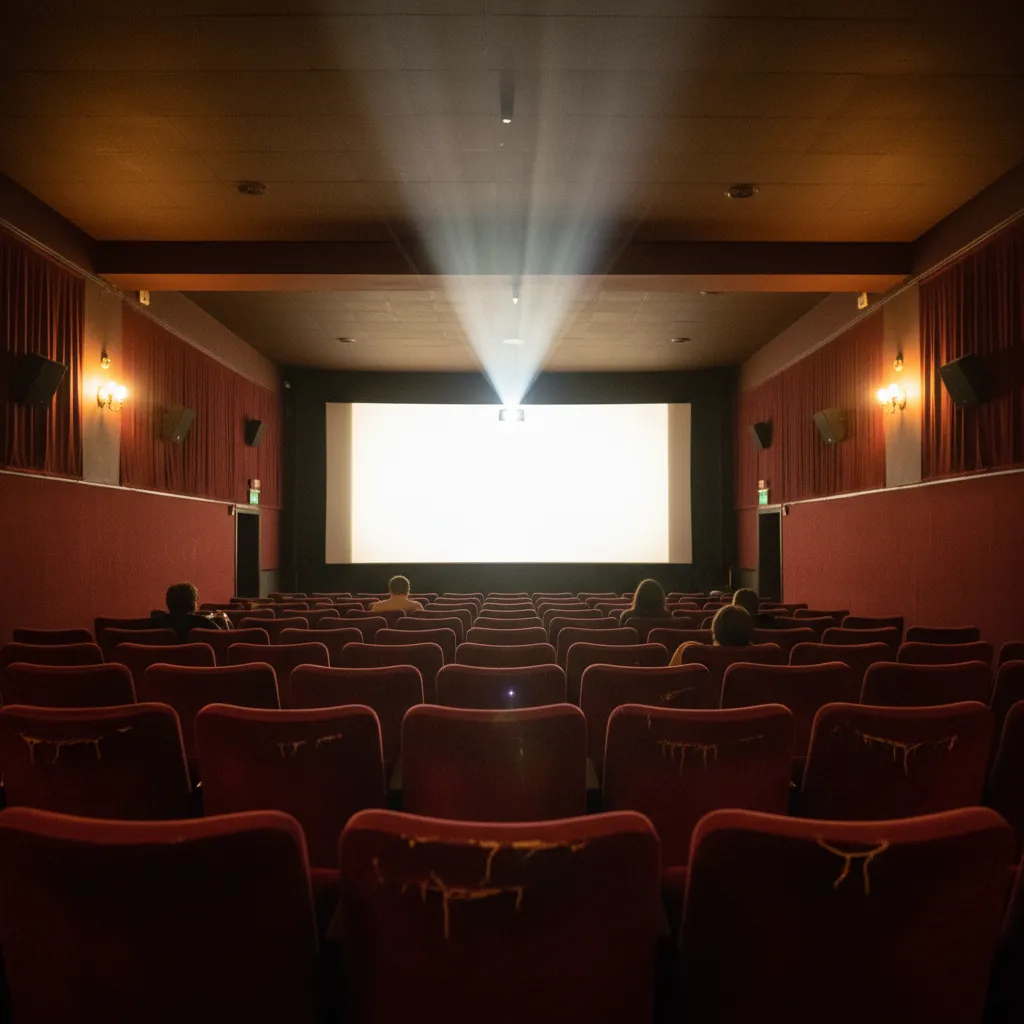
Most cinemas in Manhattan are destinations you travel to and leave. The Lower East Side is different because two very different programmers sit within a short walk of each other. Metrograph opened in 2016 with a deliberately old-school feel: a curated calendar that leans on retrospectives, restorations and director series, plus a bar and dining room upstairs that makes it easy to stay in the building before the lights go down. Anthology Film Archives, founded in 1970 by Jonas Mekas and a group of fellow filmmakers, is the opposite temperament. It is an archive first, with programs built around avant-garde work, rediscovered prints and themed series that can run for weeks.
That contrast is the whole point of planning here. On a single Friday you might weigh a polished 4K restoration of a 1970s thriller against a 16mm program of experimental shorts. Neither is the right answer in general. The right answer depends on who you are going with, how much you want to talk afterward and whether you can sit through a two-and-a-half-hour cut after a long workday. Treat the neighborhood as a menu with two kitchens rather than a single venue with a fixed schedule.
Start With the Program, Not the Poster
The most common mistake with independent screenings is grabbing the most famous title on the calendar and fitting everything else around it. Repertory houses build their calendars in series, so a single film often makes more sense inside its program. If Metrograph is running a director retrospective, the lesser-known early feature may be the more rewarding ticket and the one with fewer people in the lobby. If Anthology is screening a themed series, the program notes usually explain why the films sit together, and that context can change which night you pick.
Before you commit, read each cinema's own calendar page and note three things: the running time, the format if it is listed, and whether the screening includes an introduction or a conversation with a filmmaker. Introductions and Q&A sessions add time at both ends of the night, which matters if you have a dinner plan or a last train to catch. Write those details down somewhere you will actually look at again. That is where a planning tool earns its place.
In Karpo APP you can describe the night in plain language, for example a slow restoration on Friday after 7 p.m. with a quiet dinner nearby, and ask it to help organize the options you have found into a short, readable list. Karpo does not sell tickets or track seat counts, so the final check on times and availability always happens on the cinema's own site. What it does well is keep your reasoning in one place so the group conversation does not restart every time someone opens a new tab.
Building the Walk Around the Screening
Once the film is fixed, the neighborhood fills in the rest. A Metrograph night pairs naturally with an early meal on Ludlow, Orchard or Essex Street, then a short walk south. If you have spare time, Seward Park is a quiet place to sit for ten minutes and let the workday drain away before a long film. After a late show, Delancey Street is close for the F, J, M and Z trains, which is useful when the credits roll later than planned.
An Anthology night works better as a northern loop. Approach from Houston Street, walk up Second Avenue, and give yourself time to look at the building itself, a former courthouse that the archive has occupied for decades. Afterward the East Village is right there for a late bite, and the Second Avenue F stop is a short walk away. If you want to see both cinemas in one weekend, do Anthology on Saturday afternoon and Metrograph on Saturday night; the walk between them is short enough to treat as part of the program.
Whatever the route, leave a buffer of at least twenty minutes before the listed start. Independent houses often run trailers or an introduction, but some screenings begin promptly, and arriving flustered into a dark room is the fastest way to ruin a film you waited weeks to see.
Matching the Night to the Company
Solo viewers have the most freedom here. A weekday matinee at either venue is usually calmer, and you can follow a series across several visits without coordinating anyone else's calendar. If you are going alone, pick the more demanding program, the one you would feel guilty dragging a friend to, and reward yourself with a slow walk afterward.
For a first date, the trick is choosing a film that gives you something to talk about without needing a seminar to decode. A well-known restoration or a crowd-pleasing classic at Metrograph, followed by a drink upstairs or around the corner, gives the evening a natural shape. For a group of friends with mixed tastes, build a shortlist of two: one confident pick and one adventurous alternate, each with a one-line reason. Karpo APP is handy for exactly this step, since you can share the reasoning, not just the links, and let everyone react before anyone commits.
Visiting friends who have never been downtown deserve a little more context. Tell them what kind of evening it is, whether it will be loud or reflective, and how long the walk is. A sentence like this is a short, older film, then dumplings and a walk to the train sets expectations better than a link to a schedule.
Practical Notes Before You Go
Ticket prices, membership discounts and showtimes change with each series, so take them from the cinemas' official pages on the day you plan, not from a saved screenshot. Popular Metrograph screenings and opening nights of major series can sell out in advance, while many Anthology programs have more walk-up flexibility; check each listing rather than assuming either way.
Accessibility details, such as elevator access to a particular screen, are worth confirming directly with the venue if anyone in your group needs them. The same goes for food policies. Building a little verification into the plan is not overcautious; it is what turns a good idea into a smooth evening.
Finally, save a note after each night about what worked: which venue suited your mood, how long the walk felt and which dinner timing left room to talk. Over a season those notes become a personal filter, and the next independent screening plan on the Lower East Side starts from experience rather than guesswork.
Ask Karpo for more information.
Keep reading
- Crown Heights Rainy Day Kids Activity Finder for Toddlers
 Jackson Heights Rainy Day Kids Activity Finder for Siblings
 Lower East Side Rainy Day Kids Activity Finder by Stroller