 Tribeca Bowling Group Night Planner for Wedding Guests
Sports Social
Ice Skating Rink Planner: Upper West Side Kids First Glide
Upper West Side families can walk through Central Park to its southern rink for a kid-friendly skate, with skyline views, room to wobble and easy ways to rest.
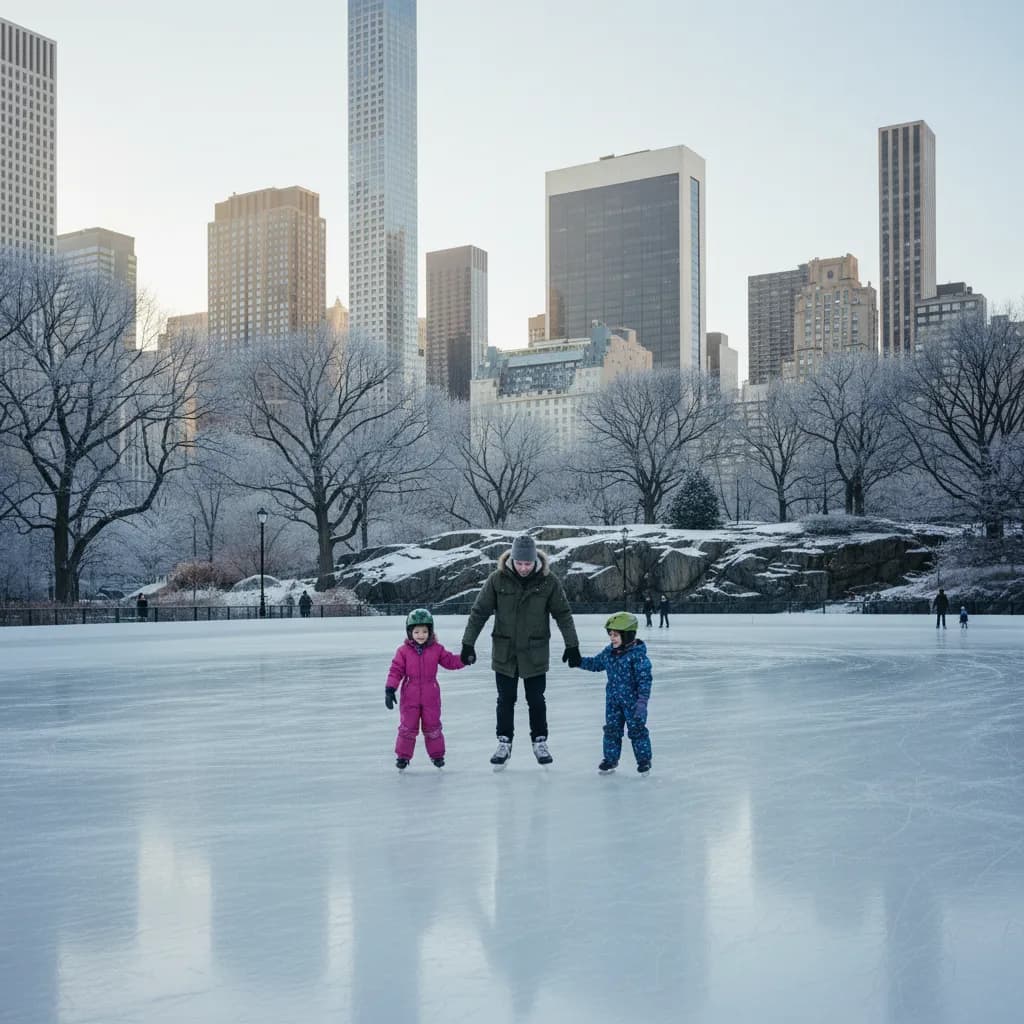
Families on the Upper West Side have an advantage when it comes to an ice skating rink planner: Central Park is right there. Walk east from Columbus or Amsterdam, follow the paths south through the park and you reach the rink near the southern end, set among rocky outcrops with the midtown skyline rising behind the trees. It is one of the most cinematic places to learn to skate, and for small children, the walk itself becomes part of the adventure before anyone even laces a boot.
Why the Park Rink Suits Young Skaters
Children learn best when they are not rushed, and a big outdoor rink gives them room to wobble without crowding. The park setting also helps restless kids, who can watch squirrels, climb on the rocks nearby or look up at the towers when they need a break. Unlike the tight plaza rink downtown, this one feels like part of a park rather than part of a tourist route, which makes it easier for parents to relax too.
The skyline view makes the experience memorable even for children who spend most of the session holding a parent's hand. Many Upper West Side families return every winter, and kids measure their progress by the year: last season they needed the boards, this season they can do a full lap alone. That sense of a small family tradition is a big part of why the park rink stays popular with locals.
Getting There With Kids in Tow
The walk from the Upper West Side through the park is pleasant, but it is longer than it looks on a map for short legs. Families with toddlers often bring a stroller for the trip and leave it at the side of the rink area during the session. Older kids can walk, especially if you turn the route into a game, such as spotting statues or counting bridges. Enter the park in the West Sixties and head southeast, passing the lawns and the carousel area on the way.
On colder mornings, consider taking a crosstown bus or a taxi partway and walking only the last stretch through the park. The aim is to arrive with kids who still have energy for the ice, not tired children who want to go home after ten minutes. Pack a small snack for the walk so nobody arrives hungry, because hungry children and new skates rarely mix well.
Gear That Makes a Big Difference
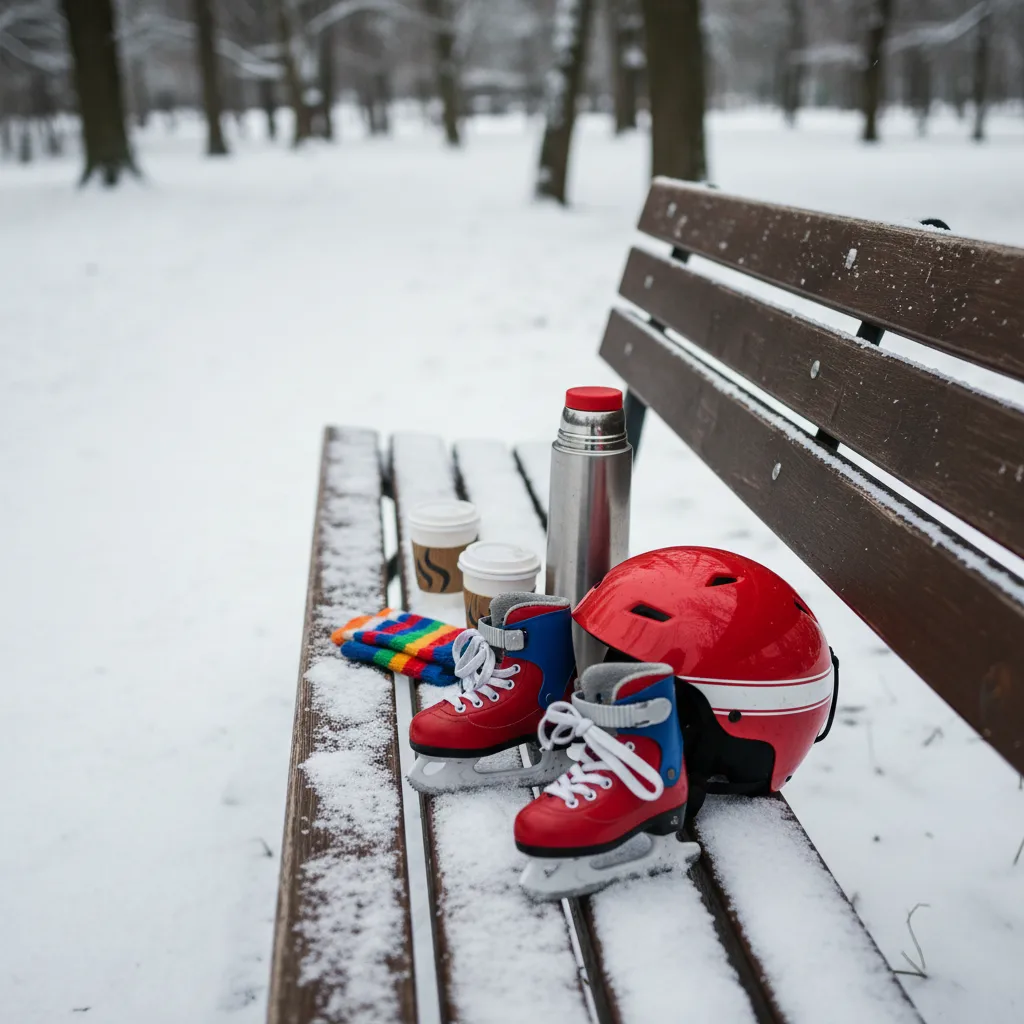
A helmet is the single most useful item for young skaters. Bike helmets work fine if the rink does not provide one, and they protect against the backward falls that beginners tend to take. Waterproof snow pants or a snowsuit keep kids dry when they sit on the ice, which they will. Mittens are better than gloves for small hands, and an extra pair in your bag saves the day when the first pair gets soaked.
Rental skates for kids should feel snug around the ankle, with only a little room at the toes. Loose skates are the main reason children feel unstable. Double-check laces after the first few laps, since they tend to loosen as feet warm up. Parents who skate themselves should rent too, because walking alongside a child in boots on the ice is far harder than it looks and often ends in two falls rather than one.
Making the Session Fun Instead of Stressful
Keep expectations small for the first visit. Children who have never skated might spend most of their time holding a parent's hands or a skating aid, and that is perfectly fine. Praise every short glide, take breaks before kids get frustrated and end the session on a high note rather than waiting for tears. A good first outing is twenty or thirty minutes on the ice, followed by hot chocolate and a walk to the playground.
For siblings with different abilities, try taking turns rather than skating as one group. One parent can work with the beginner near the boards, while the other skates laps with the more confident child. Switch halfway through so each child gets attention. If you are alone with two kids, choose a calmer time when the rink is quieter, and let the older child help the younger one, which tends to make both of them proud.
Choosing a Quieter Time
Weekend afternoons draw big crowds, especially around school holidays. Weekday mornings during school breaks or the first session on a weekend tend to be calmer, with fresh ice and fewer fast skaters weaving through. Families who can skate on a weekday after school will find the rink pleasant as the light fades and the skyline begins to glow, which children find magical.
After the Rink: Warming Up on the Way Home
Walking back toward the Upper West Side, stop at one of the park's playgrounds if the kids still have energy, or head straight to a cafe on Columbus Avenue for something warm. Many families make the post-skate treat a firm part of the ritual, which also gives kids a reason to stay positive during the tough moments on the ice. Back home, a warm bath and an early dinner usually follow, since skating tires children out more than almost anything else.
How Karpo APP Helps Families Plan
Karpo APP can help parents plan the outing before the morning rush. Describe a family skate for young beginners near the Upper West Side, with a warm cafe and a playground nearby, and it suggests rinks, park routes and neighborhood spots that fit. Save the plan, share it with the other parent or grandparents and adjust it if the weather changes. For lessons, session times or any rink rules, contact the rink directly.
Practical Notes for Upper West Side Families
Label hats, mittens and helmets with your child's name, since many look identical in a pile on the bench. Bring tissues, a small towel for wet faces and a spare set of socks. Keep a plastic bag for wet gear on the walk home. Set a clear meeting point in case a child drifts away on the ice. And remember that the goal is a happy afternoon, not perfect skating.
Ask Karpo for more information.
Keep reading
- Tribeca Bowling Group Night Planner for Wedding Guests
 Flushing Bowling Group Night Planner for Thanksgiving Break
 Bushwick Bowling Group Night Planner After Band Practice