 Events Near Me in Gowanus: The Bell House's Trivia and Live Shows
Watch Parties
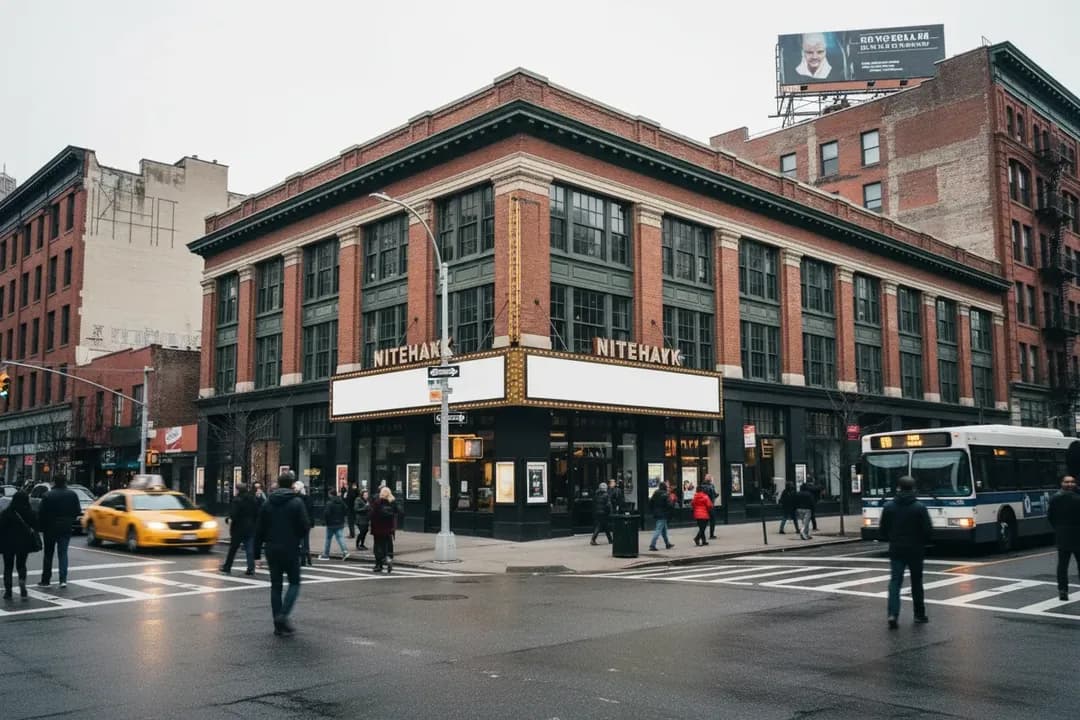
NYC Watch Parties for House Music Documentaries at Sports Social Venues
A practical NYC guide to pairing house music films with documentary cinemas, screen-heavy bars, and private rooms that need verification first.
New York City has the audience for house music documentaries, but the best watch party is a fit problem, not a trend problem. A sports bar can work when screens, audio, reservations, and crowd behavior support a film-length program. A documentary cinema can work when the title is actually booked and tickets are available. A private event space can work when the organizer needs playback control, captions, microphones, and room flow after credits. Current listings checked for Tuesday, August 4, 2026 point to a practical rule: confirm the film, venue permission, access details, and subway conditions before asking people to travel.
Want a sharper NYC shortlist before sending invites? Text Karpo for venue-fit picks, transit checks, and backup options tied to this city’s house music documentary crowd.
Roosevelt House on East 65th Street for Discussion-Led Viewing
Roosevelt House at Hunter College is the clearest recent NYC signal that house film programming can fit a civic, cultural, and discussion-led room. Its official listing for Monday, June 8, 2026 named an in-person screening of Move Ya Body: The Birth of House followed by a conversation with director Elegance Bratton, producer Chester Algernal Gordo, and moderator Emil Wilbekin. That setup suits viewers who want history, identity, and reflection more than bar noise.
The tradeoff is timing: that Roosevelt House event is past, not a standing schedule. Use it as a model for the room you are trying to build elsewhere. Ask whether a venue allows an in-person-only screening, whether a moderated conversation can follow, and whether microphones, captions, accessible seating, and late-arrival handling are practical. If a new listing is not live, treat Roosevelt House as context, not a bookable plan.
DCTV Firehouse on Lafayette Street for Documentary Focus
DCTV’s Firehouse is a strong fit when the audience needs a real documentary room rather than a sports-bar compromise. Current DCTV ticketing pages identify Firehouse as DCTV’s Cinema for Documentary Film at 87 Lafayette Street, with the entrance around the corner on White Street. Reputable venue listings describe a 67-seat theater with 4K projection, 7.1 surround sound, concessions, ADA accessibility, and an adjoining event space.
That smaller-room advantage is attention; the failure mode is availability. Firehouse programming changes, and a community group cannot assume a rental, partner event, or public slot just because the subject fits. Check the DCTV calendar first, then ask about rentals or collaborations. Verify seating, restroom access, service-animal access, caption support, and whether your playback source is permitted before promoting the screening as confirmed.
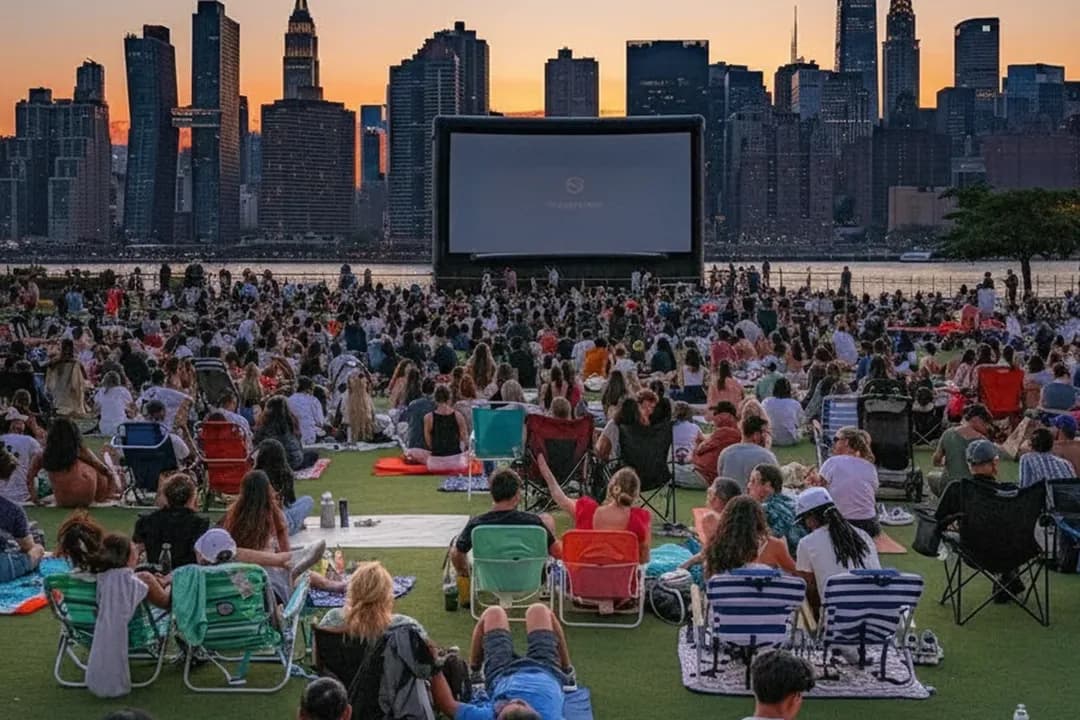
IFC Center in Greenwich Village for Indie-Film Audiences
IFC Center works best when your crowd overlaps with NYC’s independent-film audience. Its official site describes five cinemas, documentary features, DOC NYC every November, DOC NYC Selects across winter, spring, and summer, and projection formats that include digital and 35mm. On Tuesday, August 4, 2026, its showtime page listed current films, which shows why organizers must distinguish a real showtime from a venue that merely fits the genre.
Control is the constraint at IFC. It is a programmed cinema with its own tickets, showtimes, and policies, not a blank lounge for a self-run watch party. If a house documentary is not on the day’s listing, use the venue as a lead, not a plan. For a group outing, verify tickets, exact start time, accessible seating, caption devices, and a nearby after-screening meetup spot before publishing the invite.
D.B. Cooper’s Near Hudson Yards for Screen-Heavy Groups
D.B. Cooper’s is a practical Midtown sports-bar candidate because its private-events page explicitly references sports watch parties, private events, HD screens, surround sound, customizable menus, food and drink packages, dedicated private space, 14 large-screen HD TVs, and an in-house jumbotron. Its location near Hudson Yards, Madison Square Garden, Times Square, and the Javits Center makes it easier for mixed-borough groups to meet after work.
The risk is assuming sports-watch infrastructure automatically supports film. A documentary needs sustained dialogue audio, fewer visual distractions, and a clear playback plan. Ask whether one area can carry the film with clean sound while other TVs are muted or off, whether licensed playback is allowed, and whether a private or semi-private section is available. If open sports programming will dominate, use D.B. Cooper’s for pre-screening drinks instead.
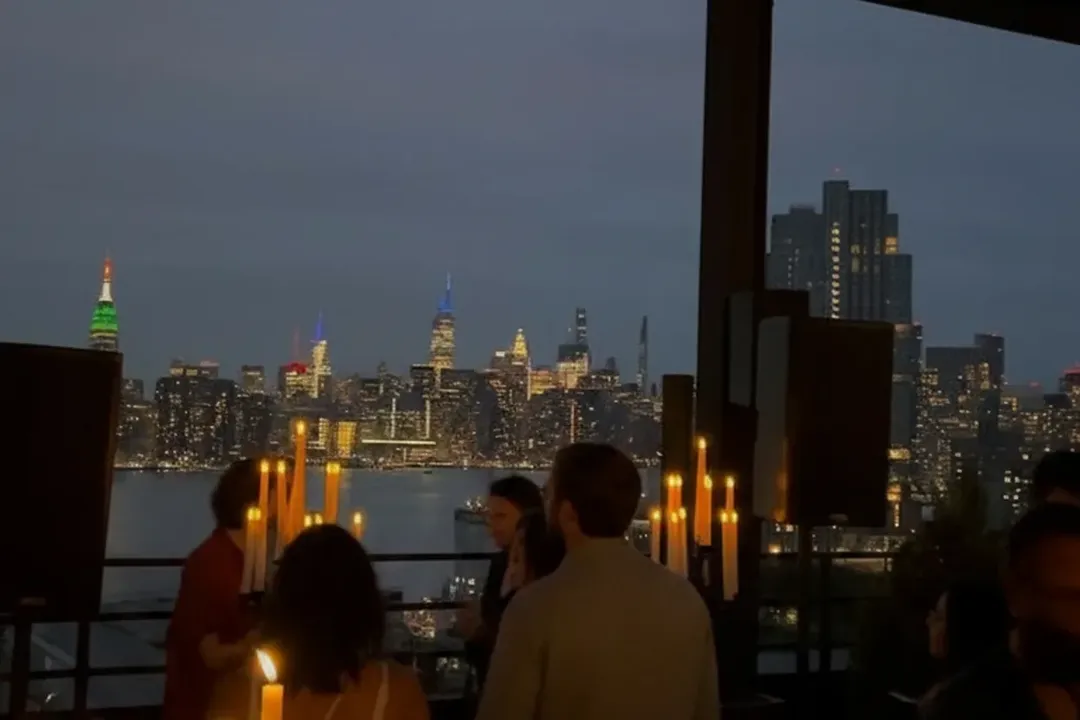
LUME Studios at 393 Broadway for Controlled AV
LUME Studios is the high-control Broadway option for organizers who care about immersion, branding, and event flow. Its official sports-viewing page lists 393 Broadway in the SoHo-Tribeca area, 360-degree projection, 17-speaker JBL spatial audio, fast Wi-Fi, full bar service, catering options, and spaces that range from intimate rooms to an immersive studio with up to 200 standing guests or 120 seated guests.
Scale is the tradeoff, and it should be treated honestly. A private immersive venue makes sense when attendance, sponsors, production needs, or a panel justify the effort. Confirm seating versus standing capacity, playback format, licensing responsibilities, load-in time, microphones, captions, accessible routing, and whether the room can stay dialogue-forward. If the documentary needs quiet concentration more than spectacle, a smaller cinema may serve the audience better.
one4one on Chrystie Street for Lower East Side Energy
one4one Sports Club & Lounge gives Lower East Side organizers a social, screen-forward room instead of a formal cinema. Its partnership page lists brand and watch-party concepts tied to major sports events, including private viewing events, two floors, full bar programming, and a 178-inch LED wall. That combination can suit groups who want the documentary to lead into conversation, music, or a neighborhood night out.
Alignment still needs confirmation because the venue’s public framing is sports-first. Ask whether a non-sports film can be booked privately, whether the LED wall can run your source cleanly, and whether sound can remain speech-focused for the full runtime. Also verify current hours, age rules, food options, entry expectations, and crowd separation. A loud adjacent watch event can turn a strong room into a poor documentary experience.
MTA Alerts and Same-Day Calls Before Invites
Transit should shape the shortlist. Roosevelt House favors Upper East Side access, DCTV sits near Canal Street connections, IFC Center points toward Greenwich Village, D.B. Cooper’s serves Midtown west-side meetups, LUME works for SoHo and Tribeca, and one4one pulls Lower East Side crowds. The MTA site is the official place to check real-time alerts, elevator and escalator status, and service-change notices before naming a route.
The final action is a same-day verification loop: confirm the film, the room, and the route before anyone leaves home. Get the public showtime or private booking in writing, confirm legal playback access, request captions or assistive listening where relevant, and name a nearby backup plan. If any changing fact cannot be confirmed, say so plainly in the invite and frame the gathering as a topic meetup, not a guaranteed screening.
Tags: #AskKarpo #BeforeYouGo #NYCWatchParties #HouseMusic #HouseMusicDocumentaries #NYCNightlife #NYCFilm #DocumentaryFilm #SportsBarsNYC #MusicVenue #CommunityScreening #LowerEastSide #GreenwichVillage #HudsonYards
All trademarks are the property of their respective owners.
Ask Karpo first
Tell Karpo your date, group size, budget, and starting point. We’ll check current access, timing, transit, and the cleanest New York City plan for Sports bar, music venue, community screening space before you head out.
Ask Karpo for more information.
Keep reading
- Events Near Me in Gowanus: The Bell House's Trivia and Live Shows
 McDonald's Near Me in the West Village: Corner Bistro's Cash-Only Burger
 Happy Hour Near Me in Hell's Kitchen: Rudy's Free Hot Dog With Beer