 Long Island City Empanada Spot Picker: Stock the Freezer
Restaurants
Harlem Hot Pot Group Dinner Picker for Split Spice Tables
Planning hot pot for a Harlem crew with mixed spice tolerance? Pick a split pot, seat the heat lovers together and walk off dinner along the uptown avenues.
Hot pot is the rare group dinner where the table itself decides whether the night works, and in Harlem that decision usually comes down to one question. Who wants the fire? Uptown friend groups tend to be mixed in every way, from the cousin who grew up on Sichuan peppercorns to the coworker who orders mild wings. This hot pot group dinner picker walks through how to choose a room, a pot and a seating plan for eight to twelve people in Harlem, so the spice fans and the broth sippers both leave full and happy.
Start With the Spice Map, Not the Restaurant
Before anyone opens a map, send the group one simple question. Ask everyone to rate their heat tolerance from one to three. A table of ten usually splits into three camps: a few people who want the full numbing chili experience, a middle group happy with a medium tomato or curry broth, and a couple of guests who want plain bone broth or mushroom. That spread tells you more about where to go than any ranking list. A place with only one shared cauldron per table will leave somebody miserable. You want a room that offers divided pots or several small burners per table.
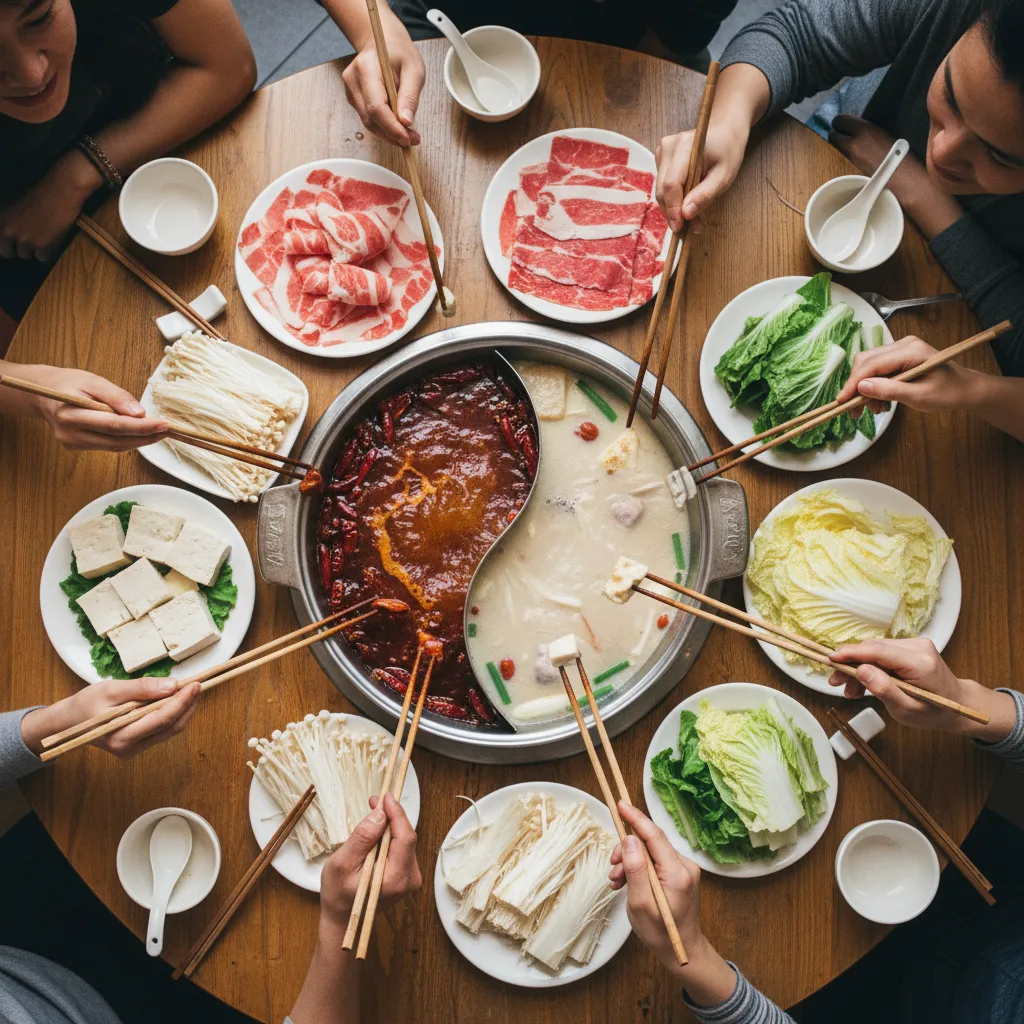
The classic answer is the yin-yang pot, a single vessel split down the middle by a metal wall. One side bubbles red with chili oil and dried peppers, the other stays pale and gentle. For bigger Harlem groups, ask whether the restaurant can run two divided pots across a long table, which gives you four broths in total. That way the heat camp sits at one end, the mild camp at the other, and the middle group drifts between them with their chopsticks.
Reading a Harlem Hot Pot Room Before You Commit
Harlem has a dining scene built around big tables and long nights, and the hot pot rooms that suit groups tend to share a few traits. Look for booths or round tables with a lazy Susan, because passing plates across a rectangular table of twelve gets old fast. Notice the ventilation too. A room thick with steam and chili haze is great for a crew of spice lovers but tough on a grandmother in a wool coat. When you scout a spot, glance at whether the burners are built into the tables or set on portable stands, since built-in burners leave more space for plates.
Ask Karpo APP for hot pot spots near 125th Street or along the avenues that can seat a group your size, then read through the descriptions for words like private room, round table or split pot. Save two or three options to a shortlist and share them with the group chat. Letting people vote on a short list is far faster than debating every noodle shop between Morningside and East Harlem.
How to Order So Nobody Waits for Food
The biggest mistake big groups make is ordering everything at once and then watching it wilt. Start with proteins that cook in seconds, like thin-sliced beef, lamb rolls and pork belly, so the table has something to eat while the broth deepens. Add sturdy items next: tofu, fish balls, corn on the cob and taro. Leafy greens, enoki mushrooms and glass noodles go in last, because they soften quickly and soak up the most flavor once the broth has been simmering a while.
Assign one person per pot to be the keeper. That person watches the ladle, fishes out the shrimp before they turn rubbery and tells everyone when the lamb is ready. In a mixed-spice group, the keeper of the mild side has a real job, since spicy broth tends to drift across the divider when people get excited. A small strainer basket for each guest helps the shy eaters claim their share without reaching across the whole table.
Order meat in rounds rather than a single mountain. Two or three plates per pot to start is usually enough for a group of ten, then add more once you see how fast the table is eating. This keeps the bill honest and stops platters from sitting out at room temperature.
The Sauce Bar Is Where the Spice Peace Happens
Most hot pot rooms have a sauce station, and it quietly solves the spice problem better than the broth does. Guests who cannot handle chili in the pot can still build a dipping bowl with sesame paste, garlic, scallion, cilantro and a drop of black vinegar. Heat lovers add chili oil, crushed peanuts and Sichuan pepper. Encourage the first-timers to make a small test bowl, taste a slice of beef, then adjust rather than loading up a giant bowl that may not suit them.
One honest tip. Skip the urge to drown everything in sesame paste. It is rich and filling, and after twenty minutes a table full of sesame-heavy bowls starts to feel sluggish. A lighter soy and vinegar dip keeps the meal moving and leaves room for noodles at the end.
Seating Ten or More Without Chaos
Seat by spice camp first and friendship second. It sounds strange, but it works. If the person who loves heat ends up at the mild end, they spend the night leaning across plates and splashing broth. Put the spice lovers next to the red side of the pot and the cautious eaters by the clear side, then let conversation sort itself out. Birthday guests and anyone who has never done hot pot should sit near a pot keeper who can show them the rhythm of dip, cook, eat.
Coats are another uptown winter puzzle. Harlem hot pot nights tend to happen in cold months, and a table of twelve can generate a small mountain of puffer jackets. Ask whether the room has hooks or a coat area, or plan to hang everything on chair backs away from the steam so nobody walks home smelling of beef tallow.
Splitting the Bill When Appetites Differ
Hot pot bills can feel lopsided because some people eat three plates of wagyu while others nibble tofu. Agree on the approach before you sit down. An even split works for close friends. For mixed groups, consider splitting the broth and shared plates evenly and letting anyone who orders premium cuts add them to their own share. Saying this out loud in the group chat beforehand saves an awkward ten minutes at the end of the night.
If the restaurant offers an all-you-can-eat format, the math gets easier, but it changes the pace. Everyone feels pressure to order a lot, and the table can get crowded. For a celebratory dinner where conversation matters, an à la carte table often feels more relaxed than a timed buffet.
Walking It Off Uptown After the Last Noodle
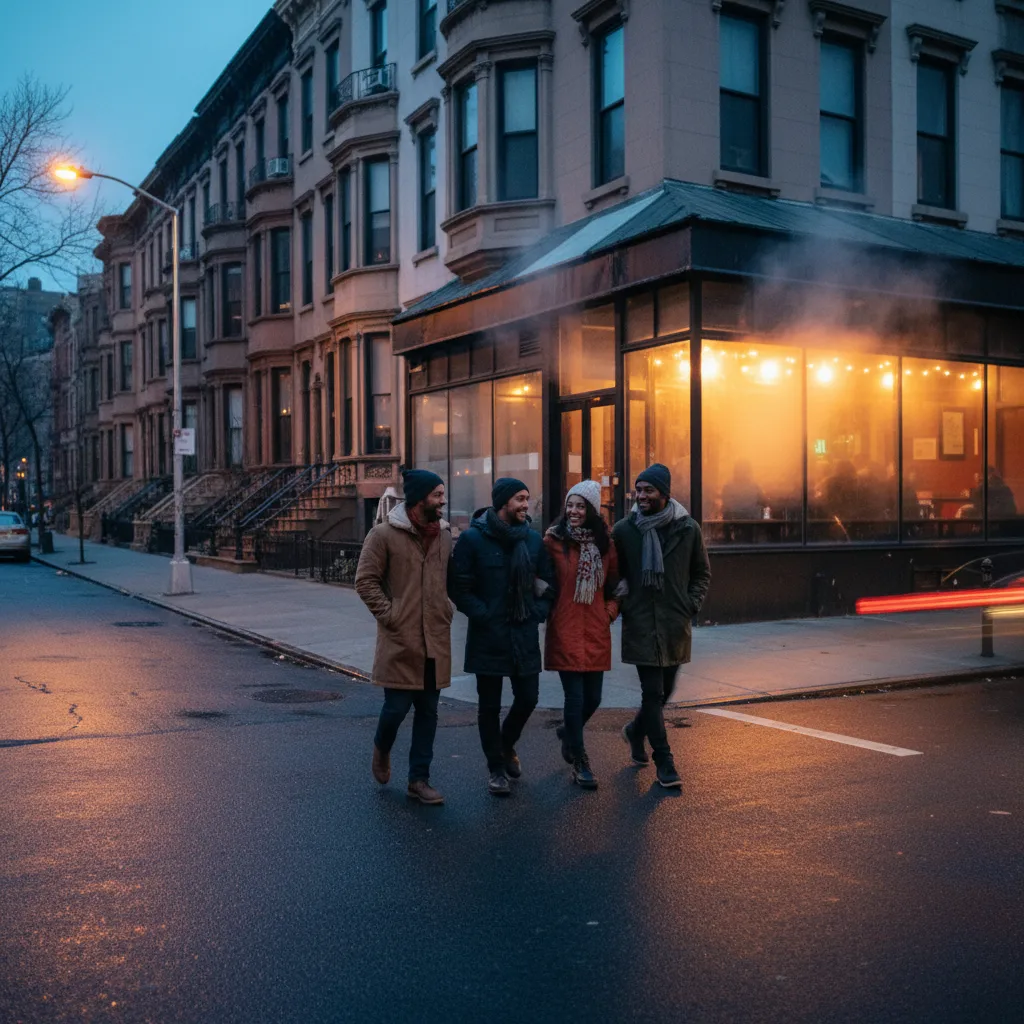
One of the pleasures of choosing Harlem for a group hot pot is the walk afterward. The broad avenues lined with brownstones are made for slow, full-stomach strolling. On a clear night, wander toward Marcus Garvey Park and loop past the rowhouses around Mount Morris, or head west toward the grand old buildings near Strivers' Row, where the architecture rewards anyone who looks up. In colder weather, a short walk to a nearby dessert spot or jazz bar keeps the group together a little longer.
If the group wants a second stop, ask Karpo APP for a nearby place with live music or a dessert counter that can take a crowd at short notice. Hot pot leaves people warm and talkative, which makes it the perfect opening act for an uptown night out.
Practical Notes for Your Harlem Hot Pot Night
Send the spice survey a few days ahead and pick a room with divided pots or several burners. Arrive together if you can, since a group of twelve trickling in over forty minutes leaves early arrivals staring at simmering broth. Wear layers you do not mind smelling like dinner. Keep one pot keeper per broth, order in rounds and save the noodles for the end, when the broth is at its deepest. Agree on the bill split before the first slice of beef hits the pot.
Ask Karpo for more information.
Keep reading
- Long Island City Empanada Spot Picker: Stock the Freezer
 East Village Food Truck Lunch Finder Between Classes
 Greenpoint Empanada Spot Picker: Order a Party Dozen