 Chelsea Consignment Shop Crawl Planner for Your First Studio
Hidden Gems & Odd Finds
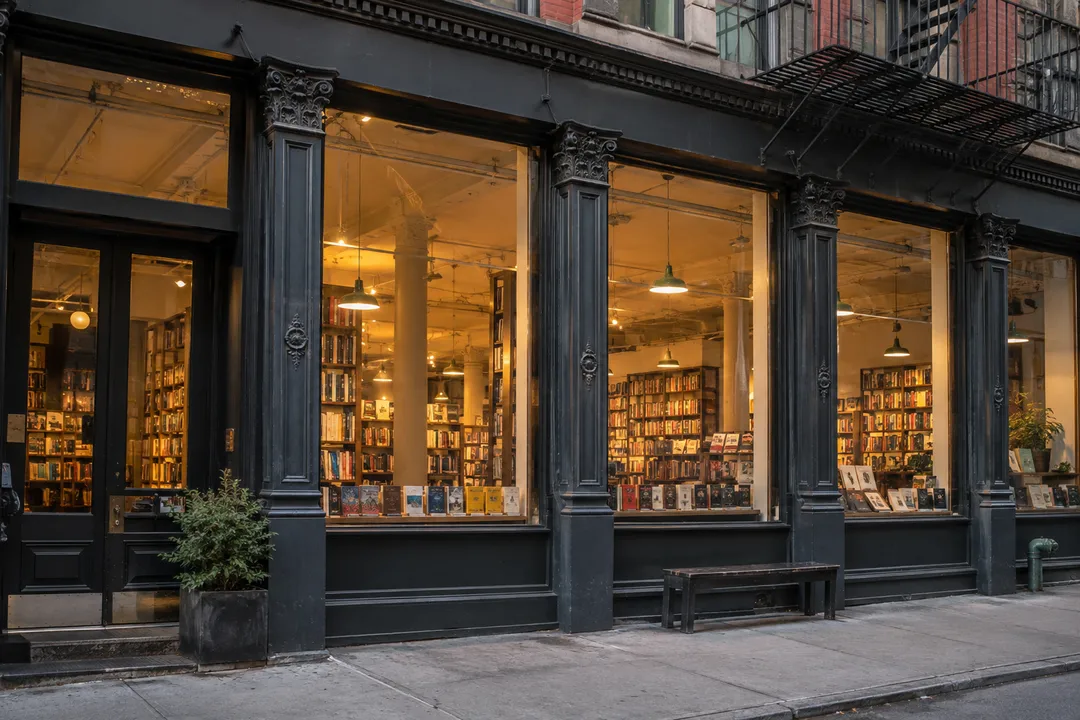
Horror Bookstore Near Me in SoHo: Housing Works Bookstore
A SoHo guide to Housing Works Bookstore at 126 Crosby Street, where used books, literary events, and a social-mission cafe make a rewarding stop for horror readers.
A search for horror bookstore near me in SoHo can lead somewhere better than a themed pop-up: Housing Works Bookstore at 126 Crosby Street. The shop is a used bookstore and cafe with a social mission, which gives the visit a different rhythm from a conventional retail browse. Horror readers will find shelves of fiction, classics, criticism, film, and unexpected paperbacks, plus the pleasure of knowing the purchase supports Housing Works' work rather than disappearing into a seasonal marketing budget.
The location sits in a quieter pocket of SoHo, close to Prince Street and the galleries, restaurants, and cast-iron facades that make this part of downtown so walkable. Use the N, R, W, 4, 5, 6, A, C, E, or 1 trains and continue on foot. Crosby Street feels removed from the loudest shopping blocks, so the approach helps reset the pace. Plan for a browse that can turn into coffee, conversation, or an event rather than a ten-minute search for a single title.
The horror selection is naturally mixed into the broader used inventory. Look for gothic classics in fiction, horror cinema in film, supernatural stories in literature, and older paperbacks hiding in genre shelves. The store can be especially good for readers who like secondhand condition and older cover design. Ask staff whether a current display or recent donation has produced more genre fiction. The answer changes with the day's intake, and that changing stock is the central reason to visit a used shop.
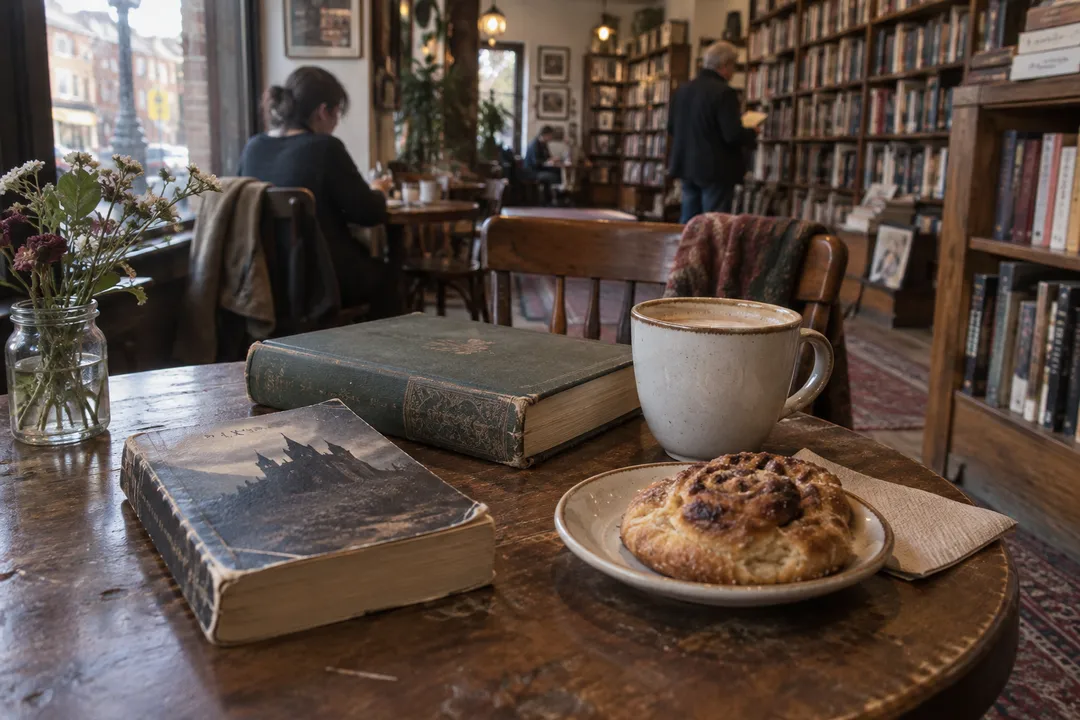
Used-book prices make it easy to experiment. A paperback may be $7, $10, or $12, while a clean hardcover can be around $16 to $24. The cafe gives you a second price point for extending the visit: a drip coffee around $3.50 and a pastry around $4.50 make a simple reading break. Those concrete numbers help you plan a small purchase without treating the shelves like a fixed catalog. Inspect each book for markings, missing dust jackets, or an unusual edition before paying.
The store's social-mission identity is part of its story. Housing Works has long connected books, community, and support for people affected by HIV/AIDS, homelessness, and related inequities. That context changes the feeling of buying a used horror novel. You are participating in a neighborhood institution with a purpose, and the store's event and cafe activity keep it from feeling like a silent warehouse of donations. The books have had previous owners; the purchase gives the room's work another turn.
The used shelves also make this a good place to build a themed mini-stack without spending like a collector. Pair one familiar gothic title with a short-story anthology and a book about film or folklore. The combination gives you three different kinds of unease and makes the purchase feel intentional. A secondhand shop is at its best when the reader leaves with a route through ideas, not merely the book that had the most recognizable cover.
There are a few rules worth following. Keep drinks on the cafe side, use a table for comparing books, and return anything you do not want to the counter or the shelf where staff directs you. The bookstore can host readings and community gatherings, so a display table may be part of an event setup. If you are photographing a cover or a shelf, be mindful of other customers. The easiest way to browse is to keep your bag close, your stack small, and your questions specific.
Come on a weekday morning for the most relaxed route through the shelves. Afternoons bring SoHo shoppers, and event nights can change the layout entirely. The store's calendar matters if you want a reading or a community program, while a quiet Saturday can be good for unstructured used-book hunting. There is no restaurant-style queue for regular browsing, but a popular event can fill the room. Arrive early when the date is built around a speaker or author.
Housing Works Bookstore has a strong place in New York's independent-bookstore history because it pairs commerce with a visible public purpose. Its story is not about a single genre or a carefully staged atmosphere. It is about donated books, community space, and a retail room that stays useful because people keep bringing it new material. Horror fits that model beautifully: the best find may be a paperback somebody else loved enough to keep, then donated years later.
The room feels brighter and more social than a gothic specialist store. Tall shelves and tables leave space for conversation, and the cafe adds the sounds of cups, chairs, and readers deciding what to take home. That is a strength if you want to talk about a book or read a few pages before buying. It is also a reminder that the store is shared space. The ideal visit balances concentration with awareness of the other people using it.
Build a SoHo walking loop around the shop. Walk toward the New Museum or the small galleries south of Houston Street, take a slow route through the cast-iron blocks, or continue toward the West Village after a coffee. If the weather is clear, buy a used paperback and take it to a nearby bench before dinner. The store works as both an anchor and a pause: it gives a shopping-heavy neighborhood a more thoughtful center.
Practical notes: Housing Works Bookstore is at 126 Crosby Street, New York, NY 10012, and the organization lists a phone number with the 212 area code. Bring a tote and expect secondhand condition to affect price. Card payment is practical, but call ahead for a specific title, cafe question, or event detail. The space is easier to navigate without large luggage, and the cafe means you should keep food and drinks separate from the books.
Choose Housing Works when you want horror with a city-life texture: a used paperback, a coffee, a reading, and a route through SoHo that does not depend on a Halloween display. Use Karpo APP to find what fits around the visit, then let the shop's changing shelves supply the part of the plan you could not have searched for in advance.
Ask Karpo for more information.
Keep reading
- Chelsea Consignment Shop Crawl Planner for Your First Studio
 East Village Consignment Shop Crawl Planner: Leather Jackets
 Harlem Consignment Shop Crawl Planner for a Jazz Night Look