 Flatiron Holiday Window Walk Planner for Remote Teams
Free Things to Do
Williamsburg Historic Quarry Nature Walk: 4 Free Stops
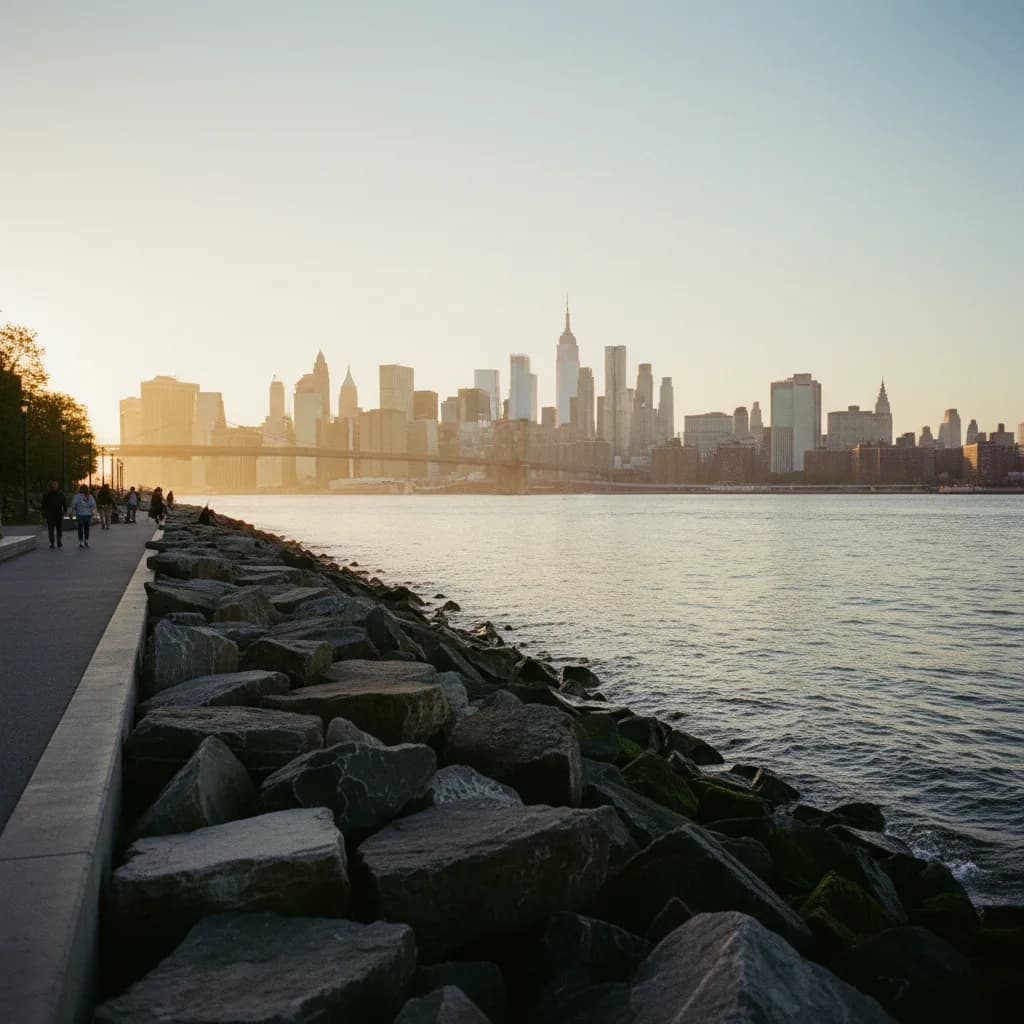
Explore historic quarry nature walk routes along the Williamsburg waterfront. Observe shoreline stone revetments and Manhattan skyline vistas in Karpo APP.
Stepping out at the Bedford Avenue subway station in Williamsburg places walkers amidst a dynamic neighborhood where industrial maritime heritage meets modern public greenways along the East River. While Williamsburg is widely celebrated for creative arts and dining, an exploratory historic quarry nature walk reveals how massive quantities of quarried stone were shipped here over two centuries to build sugar refinery foundations, shipping docks, and shoreline bulkheads. Karpo APP provides an intuitive digital tool that guides outdoor walkers from vibrant avenue corridors toward expansive riverfront parks, plotting scenic routes that highlight the raw masonry and waterfront geology anchoring the Brooklyn shoreline.
Walk From Bedford Avenue to Domino Park Pier
Beginning on Bedford Avenue, proceed westward along Grand Street toward the riverfront, noting the architectural transition from nineteenth-century masonry rowhouses to former industrial brick warehouses. At street level, rugged bluestone curbs and granite Belgian block pavers at historic alley intersections hint at the historic quarries of upstate New York and coastal New England that supplied Brooklyn's early transit infrastructure. Reaching the eastern entrance of Domino Park introduces walkers to a modern linear greenway constructed directly over the historic refinery footprint, where salvaged industrial stone and modern riprap revetments form a dramatic waterfront landscape.
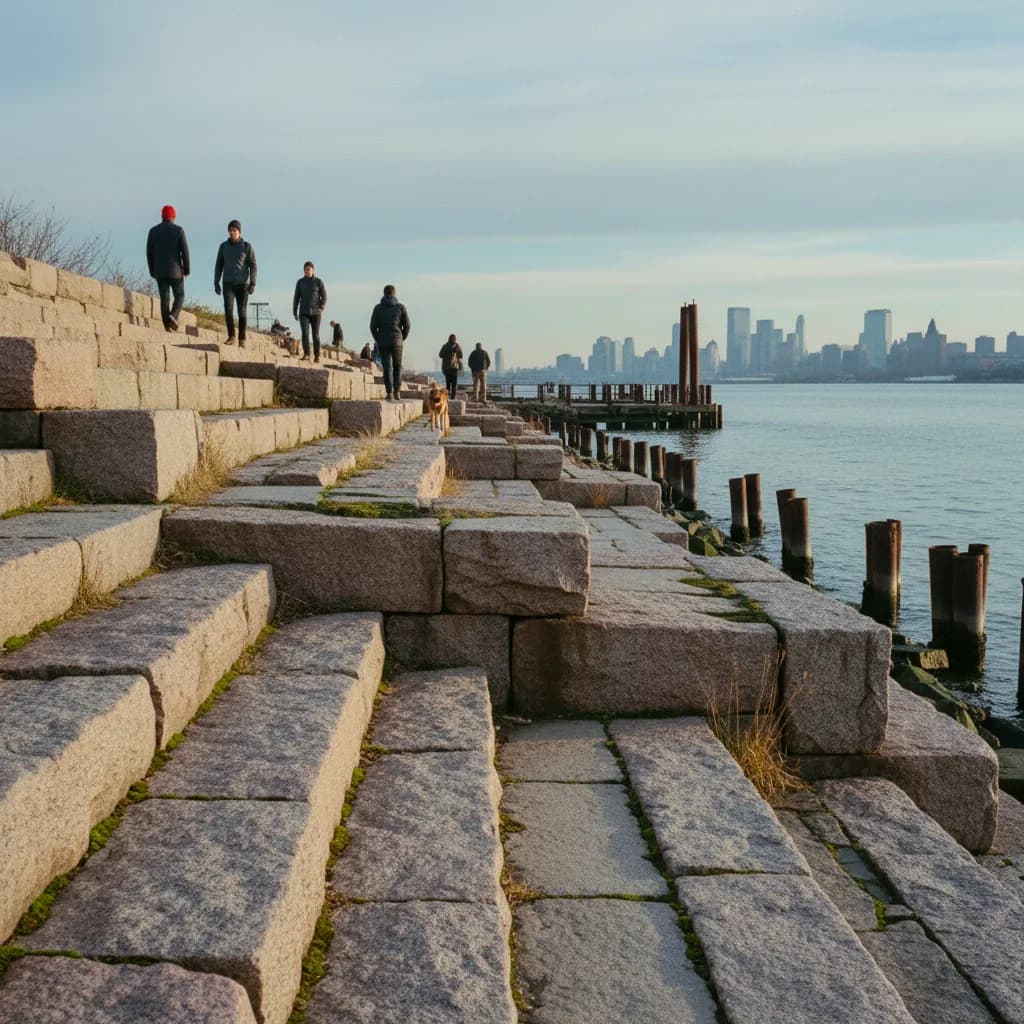
Entering the park allows walkers to follow a continuous promenade that parallels the rushing saltwater currents of the East River. Beneath the restored crane tracks and sugar refinery artifacts, massive granite foundation blocks and quarried stone seawalls provide resilient structural stabilization against tidal erosion. The rough, chiselled faces of these heavy stone blocks showcase historic quarry splitting marks, drill lines, and mineral inclusions that tell the story of early American industrial stone cutting. Walking along the elevated wooden boardwalks and paved stone paths offers continuous vistas of the Manhattan skyline across the river.
Study Reclaimed Granite Foundations and Riprap
Heading south toward the Williamsburg Bridge reveals extensive shoreline rock revetments composed of large metamorphic boulders, quarried diabase, and weathered granite slabs. These heavy stone barriers protect the shoreline while creating microhabitats for local marine life, with low tides exposing barnacle-encrusted rock shelves and tidal pools. Benches situated along the waterfront provide ideal perches for examining the natural mineral textures of the rock while observing passing tugboats and passenger ferries navigating the tidal channel. River breezes and panoramic bridge views combine to create a deeply engaging outdoor atmosphere.
Continuing toward the Grand Ferry Park landing connects walkers to one of the oldest public waterfront access points in north Brooklyn. Here, an unpaved shoreline nook allows visitors to see natural beach gravel, river-smoothed cobbles, and ballast stones that washed ashore over decades of maritime commerce. This tranquil pocket park provides a quiet contrast to the bustling recreation lawns to the north, offering shaded willow trees, historic stone bollards, and quiet places to sit directly alongside the water edge while taking in the expansive river perspective.
Catch Sunrise Illumination on East River Rocks
Early morning scheduling nature walk during early morning hours between six-thirty and nine-thirty yields the most rewarding lighting and trail conditions. Sunrise rising behind Brooklyn illuminates the eastern faces of the Manhattan skyline across the river while casting long, dramatic shadows across the shoreline rock revetments. Morning hours also see very light foot traffic along the Domino Park promenade, creating a serene environment for nature study, landscape photography, and quiet mindfulness along the water.
Considering the open exposure of the Brooklyn waterfront, preparing appropriate weather protection ensures a comfortable outing. Strong coastal gusts frequently sweep across the East River, making a windproof shell or light fleece desirable even during mild seasons. Wearing supportive walking shoes with non-slip rubber soles is essential when stepping across varied surfaces like timber boardwalks, granite pavers, and occasional gravel paths. Bringing water and a mobile charging battery guarantees you can document your discoveries without running out of power.
Respect Waterfront Boundaries and Pier Safety
Waterfront visitor safety and environmental awareness is vital during waterfront walks. Park regulations strictly prohibit climbing over perimeter safety railings or attempting to walk onto wet shoreline boulders, where slick green algae and sudden boat wakes create hazardous conditions. Stay on designated boardwalk paths, elevated overlooks, and paved multi-use trails that provide secure vantages for admiring shoreline masonry. Respecting these boundaries preserves the shoreline stabilization infrastructure and protects native waterfowl.
Returning inland toward riverfront loop, heading back into the neighborhood along Berry Street or Wythe Avenue offers a rewarding return route. Neighborhood roasteries, local bakeries, and shaded community gardens provide inviting spots to pause, refresh, and review your walking impressions. Connecting natural waterfront corridors with rich neighborhood culture turns a simple morning walk into an enriching half-day adventure. Having a clear route plan ensures you experience the best of both environments.
Track Brooklyn Walking Loops With Karpo APP
Streamlined greenway navigation navigating the Williamsburg riverfront by integrating transit stops, public park access points, and shoreline walking trails into one convenient interface. The platform helps you find accessible park ramps, discover sheltered rest pavilions, and track distance as you walk along the East River. Instead of switching between multiple mapping applications, you have a cohesive itinerary that adapts smoothly to your walking pace.
Saved geographic pins allows users to drop personal pins on distinctive geological formations, salvaged industrial stone relics, and exceptional scenic lookouts along the Brooklyn coast. Saving and organizing these landmarks makes it effortless to revisit your favorite spots or share customized walking itineraries with friends and outdoor enthusiasts. With Karpo APP managing the details, you can focus on the sensory pleasure of open water, fresh air, and historic stone.
Essential Preparation for Brooklyn Riverwalks
Useful Brooklyn walking notes will help you make the most of your Williamsburg walking excursion. The complete walking loop from Bedford Avenue station through Domino Park, Grand Ferry Park, and back covers approximately two miles, offering an easy sixty- to ninety-minute walk. Clean public restrooms and hydration stations are available within Domino Park near the center pavilion. Always remain mindful of separated bike and pedestrian paths along Kent Avenue to ensure safe navigation alongside local cyclists.
Reflecting on industrial point of historic quarry stone, industrial heritage, and open waterways provides a memorable perspective on Brooklyn's enduring shoreline. From massive reclaimed granite machinery footings to protective riverbank boulder revetments, Williamsburg offers a captivating open-air study in coastal stone resilience. With careful preparation, respectful trail etiquette, and the guidance of Karpo APP, walkers can enjoy an inspiring nature retreat along New York's historic industrial waterfront.
Ask Karpo for more information.
Keep reading
- Flatiron Holiday Window Walk Planner for Remote Teams
 SoHo Holiday Window Walk Planner for a Sketchbook Afternoon
 Upper East Side Holiday Window Walk Planner After a Museum