 Flatiron Holiday Window Walk Planner for Remote Teams
Free Things to Do
SoHo Historic Quarry Nature Walk: 4 Free Urban Trail Stops
Follow historic quarry nature walk circuits originating in SoHo corridors. Trace Belgian block granite paving and nearby Hudson park paths in Karpo APP.
Exiting the Prince Street subway station brings walkers into the celebrated Cast-Iron Historic District of SoHo, an architectural landmark zone whose ground-level surfaces tell a profound geological story. While visitors often admire the ornamental iron facades overhead, an attentive historic quarry nature walk reveals that SoHo's streets and building foundations are built from millions of tons of quarried stone, including New England granites, Maine pegmatites, and Palisades trap rock. Karpo APP provides a smart digital walking map that connects these historic stone streetscapes with nearby Hudson River waterfront parks, allowing urban explorers to turn a morning walk into a rich geological investigation.
Map Historic Belgian Block Streets Toward Hudson
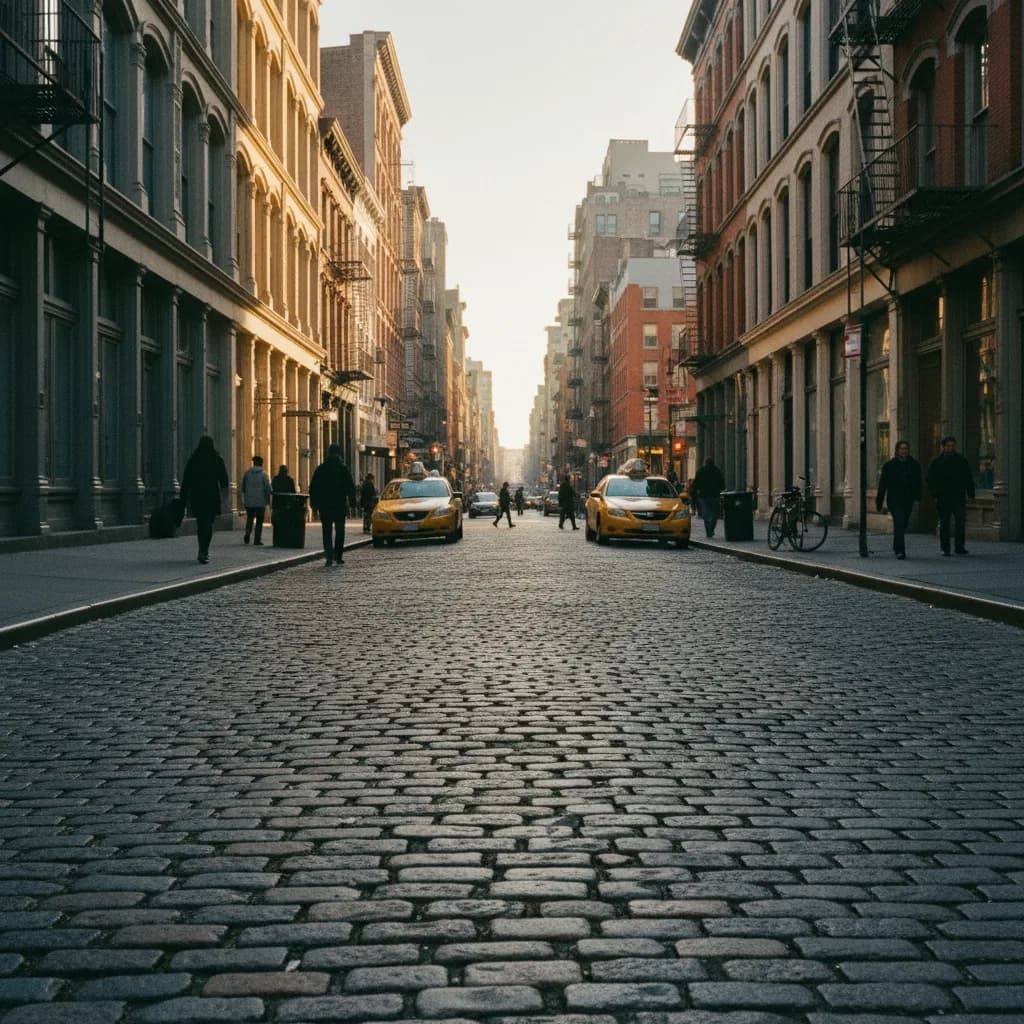
Begin walking westward along Prince Street before turning south onto Mercer or Greene Street, where the roadway is paved with authentic Belgian block stone pavers. These durable rectangular blocks were hand-cleaved in historic coastal quarries across Maine, Massachusetts, and Connecticut during the nineteenth century, shipped down the Atlantic coast to provide resilient roadbeds for heavy commercial freight wagons. Inspecting the surface of the stones reveals distinct feldspar crystals, quartz veins, and mica flecks that have been polished smooth by more than a century of carriage and automobile traffic.
As you walk along Greene Street, observe the massive curb stones lining the sidewalks, many cut from single continuous granite slabs measuring ten to fifteen feet in length. The bases of SoHo's landmark cast-iron buildings sit directly on thick foundation courses of rough-hewn granite and schist, engineered to bear immense structural weight over soft alluvial soils. These foundational stone courses show hand-drilled split grooves and chisel work, preserving the tactile record of historic stonecutters. Continuing westward along Broome Street leads out of the commercial core toward the open green corridors of West Street.
Examine Quarried Granite Curbs and River Boulders
Crossing the West Side Highway at Houston or Canal Street connects you directly with the southern reaches of Hudson River Park. Here, the landscape transitions from nineteenth-century quarried street paving to modern coastal stone engineering, where thousands of massive granite and diabase boulders stabilize the river shoreline. Walking along the wide waterfront esplanade provides sweeping views of the river currents and the towering basalt cliffs across the water in New Jersey. Resting benches situated along the piers provide peaceful vantage points for examining shoreline geology under open skies.
Following the waterfront path southward toward Tribeca brings you past landscaped park piers featuring native coastal grasses, rocky stream features, and maritime shrub plantings. The juxtaposition of smooth crushed stone pathways, rough quarry boulders, and tidal water creates an invigorating natural environment right alongside downtown Manhattan. Informational displays along the esplanade describe how early river ports utilized ballast stone from visiting sailing ships to build early wharves, creating artificial geological foundations that still exist beneath modern park landscaping.
Time Your Stroll for Early Daylight Clarity
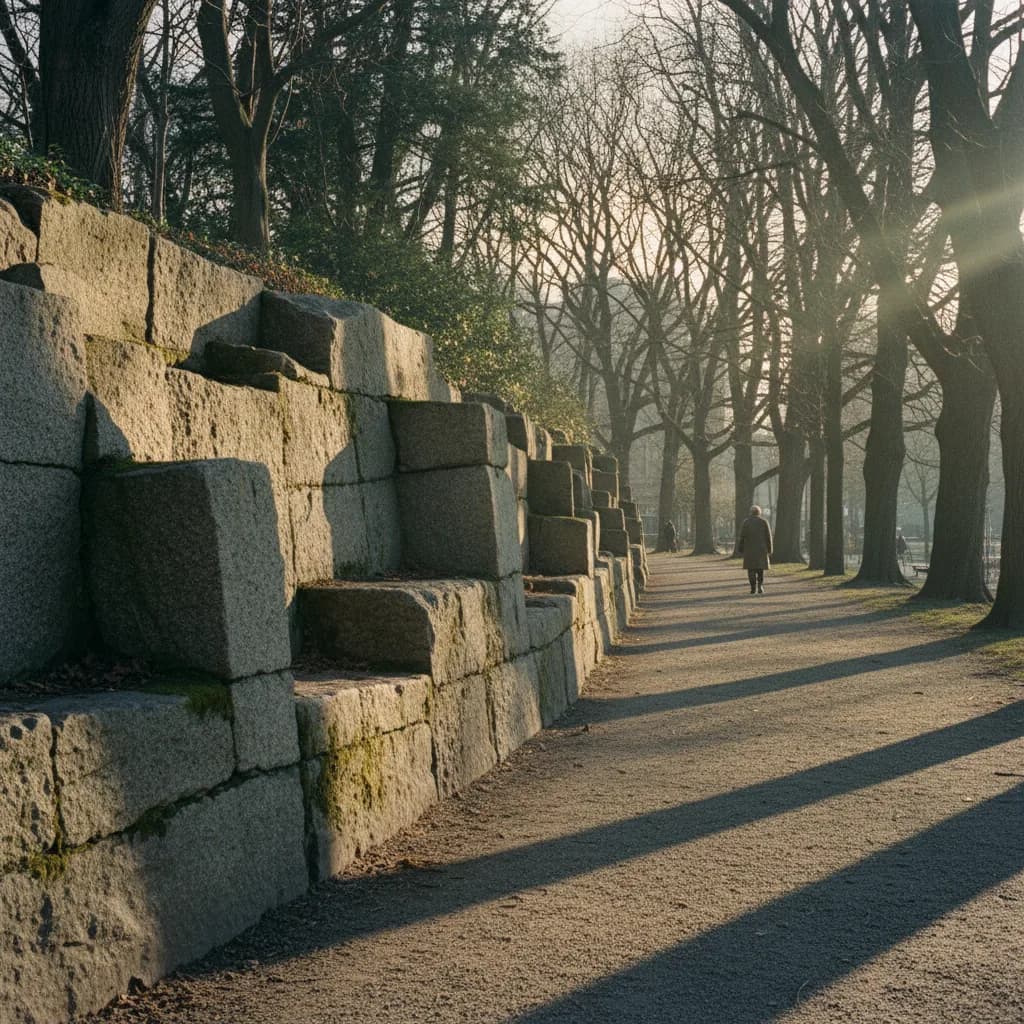
Planning your SoHo and waterfront walking circuit during early morning hours between seven and nine-thirty guarantees the quietest and most scenic outing. During this window, the low morning sun illuminates the eastern building facades of Mercer and Greene streets, highlighting the subtle color variations of pink, gray, and white granite pavers. Commercial storefronts remain closed and vehicle delivery traffic is minimal, allowing you to walk freely down the center of historic cobblestone corridors without distraction.
Navigating SoHo's historic stone roadways requires mindful footwear choices. The uneven gaps between Belgian block stones and weathered stone curbs can easily twist an ankle in thin-soled or heeled shoes; sturdy walking boots or sneakers with thick, supportive soles provide the safest traction. Carrying a lightweight shoulder bag with water, sunglasses, and a camera allows you to move freely without feeling weighed down during several miles of pavement walking.
Navigate Urban Stone Surfaces With Safe Footing
Safety and urban awareness remain essential when exploring mixed pedestrian and roadway areas. While certain side streets have limited vehicle traffic, always remain alert for occasional delivery vans, cyclists, and maintenance vehicles when stepping off the sidewalk to inspect street stone. When walking along the riverfront, respect safety barriers and avoid stepping onto slick shoreline riprap boulders where tidal surges can create wet hazards. Staying within designated pedestrian walkways ensures an enjoyable and trouble-free trek.
Pairing your geological walking circuit with nearby neighborhood amenities enhances the total experience. After looping through Hudson River Park, return into SoHo along Spring or Broome Street to discover quiet neighborhood bakeries, espresso bars, and historic architectural courtyards. Resting in a bright indoor cafe provides a pleasant setting to log your walking distance, review photos of distinctive rock textures, and plan your next city walk. A well-paced route ensures your outdoor morning feels balanced and rewarding.
Coordinate Historic District Routes in Karpo APP
Karpo APP acts as an intuitive guide through SoHo's historic street grid and waterfront extensions, ensuring you never miss key geological or architectural landmarks. The app clearly maps out the best-preserved Belgian block street segments, accessible highway crossings, and scenic river overlooks. Instead of wrestling with clumsy map screenshots or guessing which streets retain historic paving, you have a curated route that keeps your walk flowing effortlessly.
The application also lets users pin intriguing stone varieties, historic building foundation details, and peaceful waterfront rest pavilions for future reference. Saving custom notes about morning light angles or quiet bench locations helps you build a personalized library of favorite urban walking loops. With Karpo APP managing your route logistics, you can fully appreciate the historic stonework beneath your feet.
Practical Advice for Navigating SoHo Pavements
A few practical pointers will maximize your enjoyment of this SoHo walking route. The circuit from Prince Street through the historic district to Hudson River Park and back spans approximately two miles, taking around an hour and a half at an observant pace. Public restrooms are accessible within Hudson River Park at the Pier 40 complex and Pier 25. Pay close attention to pedestrian traffic signals when crossing busy West Street to ensure safe transitions between the neighborhood and the waterfront.
Experiencing SoHo through its quarried granite foundations and waterfront boulder revetments offers a refreshing perspective on one of Manhattan's most famous districts. From hand-cleaved New England cobblestones to defensive shoreline rock barriers along the Hudson, this walking trail showcases the enduring geological materials that built and protected the city. By combining careful walking preparation, mindful observation, and the digital assistance of Karpo APP, urban walkers can uncover a fascinating geological journey through historic downtown.
Ask Karpo for more information.
Keep reading
- Flatiron Holiday Window Walk Planner for Remote Teams
 SoHo Holiday Window Walk Planner for a Sketchbook Afternoon
 Upper East Side Holiday Window Walk Planner After a Museum