 SoHo Tailor Alteration Shop Finder for Sample Sale Finds
Neighborhood Guides
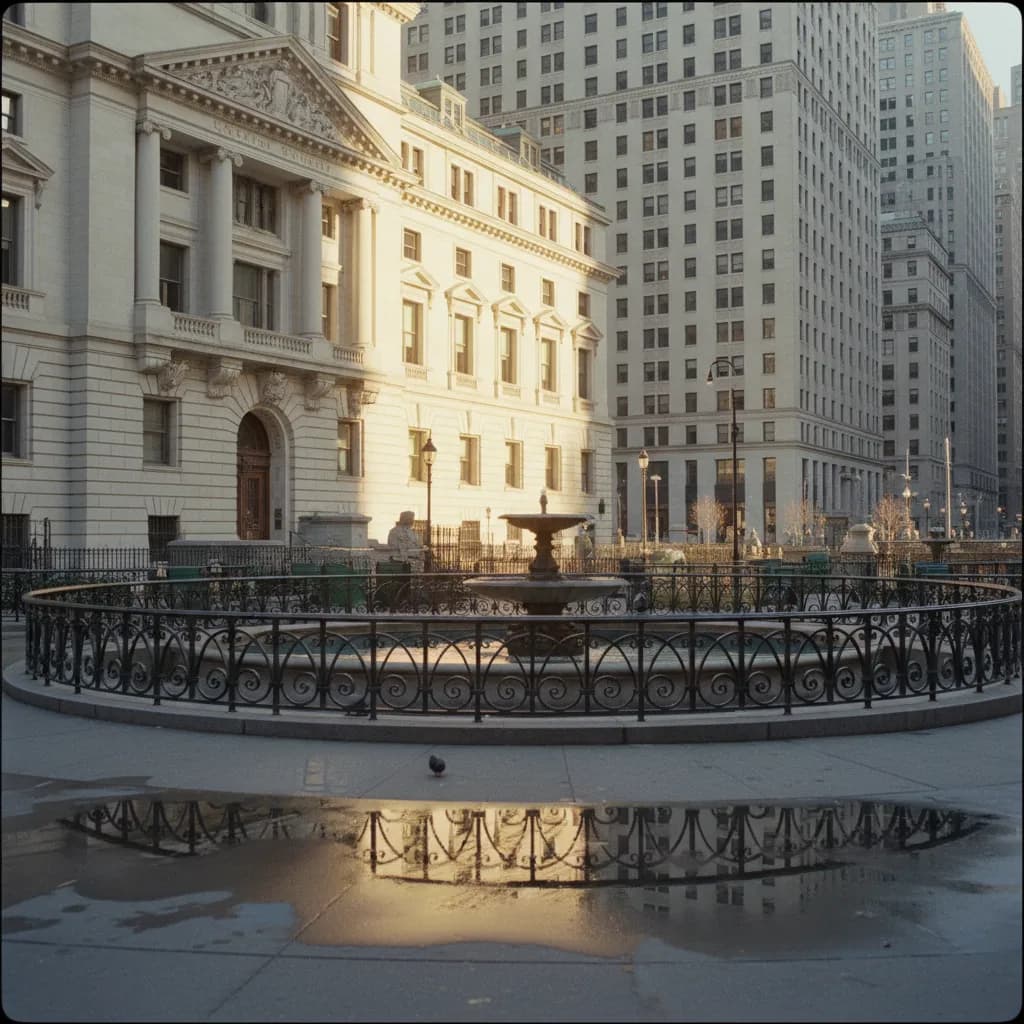
Bowling Green Historic Plaza Walk: Downtown Oval Loop
Walk through American history on this Bowling Green plaza walk in Lower Manhattan. Use the Karpo APP to explore colonial monuments, fountains, and stone paths.
Bowling Green represents the oldest public park in New York City, designated by the municipal Common Council in 1733 at the very southern tip of Manhattan where Broadway begins. Long before British colonial authorities leased the teardrop-shaped turf to local merchants for lawn bowling at the nominal fee of one peppercorn per year, Dutch settlers utilized the clearing as a cattle market and parade ground outside Fort Amsterdam. Embarking on this historic plaza walk connects urban explorers directly to the revolutionary birth of the American republic amidst towering financial canyon walls.
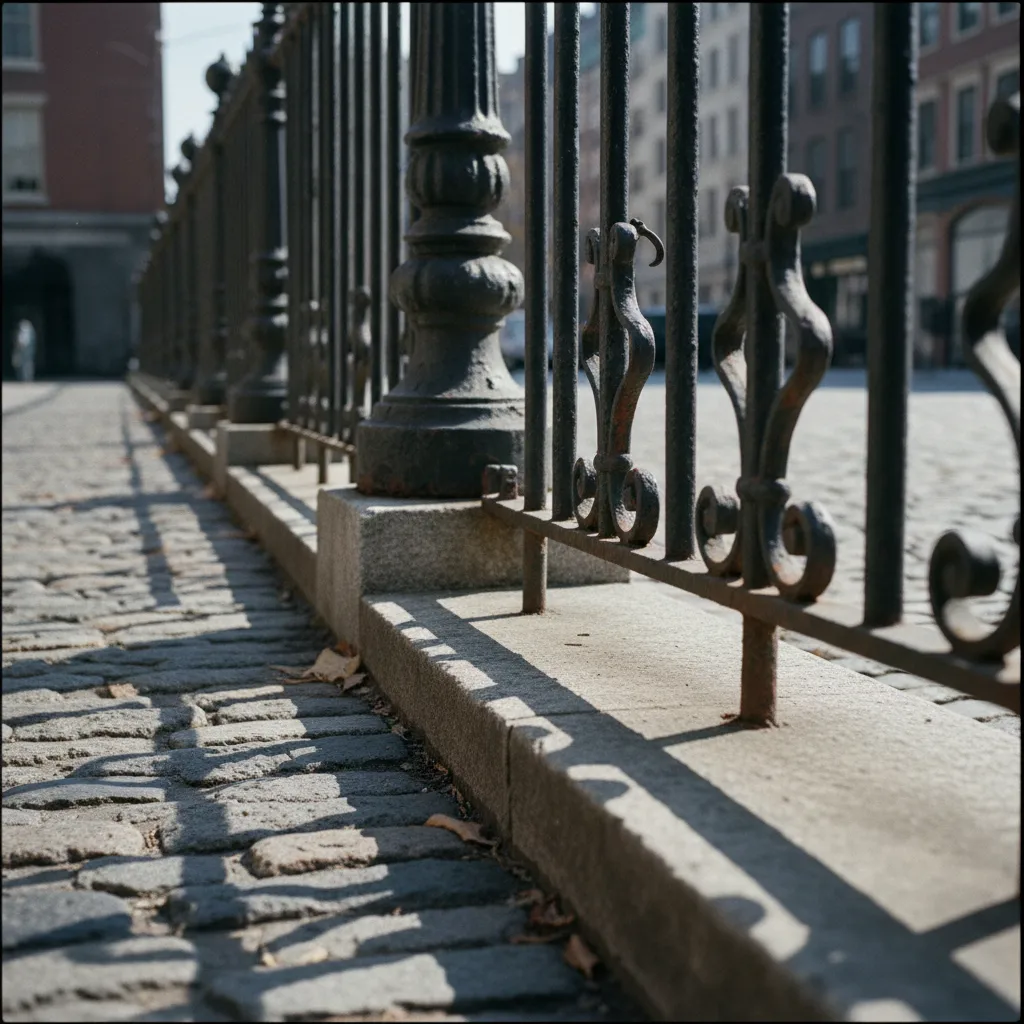
Revolutionary Defiance and the 1771 Wrought-Iron Fence
Encompassing the green stands one of Manhattan's most poignant tangible relics of the American Revolution: an ornamental wrought-iron fence erected in 1771. Wealthy loyalist merchants financed the heavy barrier to safeguard an ornate gilded equestrian lead statue of King George III installed in 1770. However, on the sweltering evening of July 9, 1776, following George Washington's public reading of the Declaration of Independence at City Hall Commons, a jubilant crowd of Sons of Liberty and continental soldiers marched down Broadway to tear the royal effigy from its pedestal.
The impassioned patriots hacked the lead monarch into pieces, hauling the lead metal upstate to supply continental infantry regiments with ammunition. In a fierce act of symbolic defiance, the revolutionary crowd stripped the royal finials and ornamentation from the perimeter. Walking alongside the dark iron enclosure today lets you explore one of the oldest preserved public park boundaries in New York, retaining its continuous 1771 oval perimeter intact as a designated New York City landmark.
Beaux-Arts Grandeur at the Custom House Threshold
Anchoring the southern edge of the oval plaza at 1 Bowling Green looms the monumental Alexander Hamilton U.S. Custom House, designed in 1907 by architect Cass Gilbert. Commissioned when federal customs duties collected at the Port of New York financed the vast majority of national government operations, this colossal Beaux-Arts palace reflects the sheer commercial magnitude of early twentieth-century maritime trade through monumental Maine granite walls, colossal Corinthian columns, and ornate marine sculptures.
Flanking the monumental front staircase stand four monumental allegorical limestone sculpture groups executed by celebrated American artist Daniel Chester French. Representing the Four Continents—Asia, America, Europe, and Africa—these intricate compositions depict America looking forward into industrial enterprise while Europe studies classic antiquity. Stepping across the granite threshold leads into the Smithsonian National Museum of the American Indian, which offers free public admission daily inside the landmark rotunda per federal museum visitor guidelines.
The Central Fountain Oval and Belgian Pavements
Following the curved perimeter footpath around the interior of Bowling Green reveals a tranquil central fountain framed by concentric stone basins and vibrant seasonal tulip plantings. Reinstalled during extensive park renovations, the fountain aerates cool harbor drafts that sweep north from Battery Park, creating an invigorating auditory backdrop of cascading water against the distant rumble of Wall Street commerce.
Smooth bluestone pavers transition into authentic Belgian block cobblestones along the roadway boundaries, preserving seventeenth-century street proportions that contrast sharply with modern glass office towers. Shaded wooden park benches arranged along the southern arc provide comfortable front-row vantages where downtown workers, resident maritime historians, and passing international travelers pause to watch the city move.
The Charging Bull and Broadway's Financial Spine
Following the plaza northward along Broadway brings pedestrians directly to the bronze Charging Bull sculpture, created by artist Arturo Di Modica and installed following the 1987 financial crisis. Cast in heavy bronze and with imposing muscular bronze proportions, the beast stands with head lowered and nostrils flared, symbolizing American financial resilience, determination, and economic optimism on the cobblestone traffic island at Morris Street.
The surrounding street canyon displays notable historic skyscraper architecture spanning the early twentieth century. Across Broadway stands the historic Standard Oil Company headquarters, completed in 1928 with a curved limestone facade that traces the ancient colonial path, crowned by a massive limestone pyramid and classical lantern. Further north along the walk, landmark bronze plaques set into sidewalk masonry trace the original colonial high-water line of the Hudson River.
Peak Tourist Crowds and What to Skip
To appreciate the subtle revolutionary layers of Bowling Green without irritation, schedule your walk for an early weekday morning at 8:00 am. At this quiet dawn hour, the first rays of sunlight slant through Lower Manhattan's skyscraper corridors, illuminating the Custom House statuary and letting you trace the iron fence marks in peaceful contemplation while street sweepers clear the Broadway curbs.
Skip joining the dense tourist scrums that pack tightly around the Charging Bull horns and tail between 11:30 am and 3:30 pm, where tour bus groups wait in long queues for photo snapshots. Instead, bypass the crowded traffic island entirely and focus your attention on the quiet eastern walkways of Bowling Green itself, or explore the tranquil cobblestone alleys of Beaver Street directly to the east.
Historic Alleys and Dutch Cobblestones in Stone Street
From the eastern side of the Custom House, take a two-minute walking detour eastward along Beaver Street into the historic Stone Street Historic District. Paved in rough granite cobbles and recognized as New Amsterdam's earliest paved commercial thoroughfare in 1658, Stone Street features restored nineteenth-century Greek Revival commercial lofts housing lively outdoor tavern tables beneath festive string lights.
If inclement rain showers or strong harbor gusts disrupt your walking route, seek immediate shelter inside the rotunda of the Alexander Hamilton U.S. Custom House. Walking through the monumental bronze doors grants access to Reginald Marsh's extraordinary 1937 WPA fresco murals depicting historic steamships docking in New York Harbor, painted directly across the vaulted ceiling of the central collector's room.
Transit Access and Downtown Practical Notes
Public transportation access to Bowling Green is exceptionally convenient. The Bowling Green subway station provides direct access to the 4 and 5 express subway lines, with platform stairs opening into the park grounds and an accessible street elevator situated along Broadway near Battery Place per MTA accessibility records. Alternatively, the R and W trains serve Whitehall Street-South Ferry just one short block to the south, while the 1 train terminates nearby at South Ferry.
Bowling Green's park grounds maintained by NYC Parks feature fully level, clean, and paved walkways with smooth granite curbs, while nearby Battery Park extends pedestrian exploration along the scenic harbor shore of Lower Manhattan. Incorporate this Bowling Green historic plaza walk into your Lower Manhattan itinerary to touch original colonial metalwork and understand the ground zero of American urban democracy.
Ask Karpo for more information.
Keep reading
- SoHo Tailor Alteration Shop Finder for Sample Sale Finds
 Williamsburg Tailor Alteration Shop Finder for Bike Riders
 Upper West Side Tailor Alteration Shop Finder for Kids