 Upper West Side Nail Salon Walk In Finder: First Manicure
Neighborhood Guides
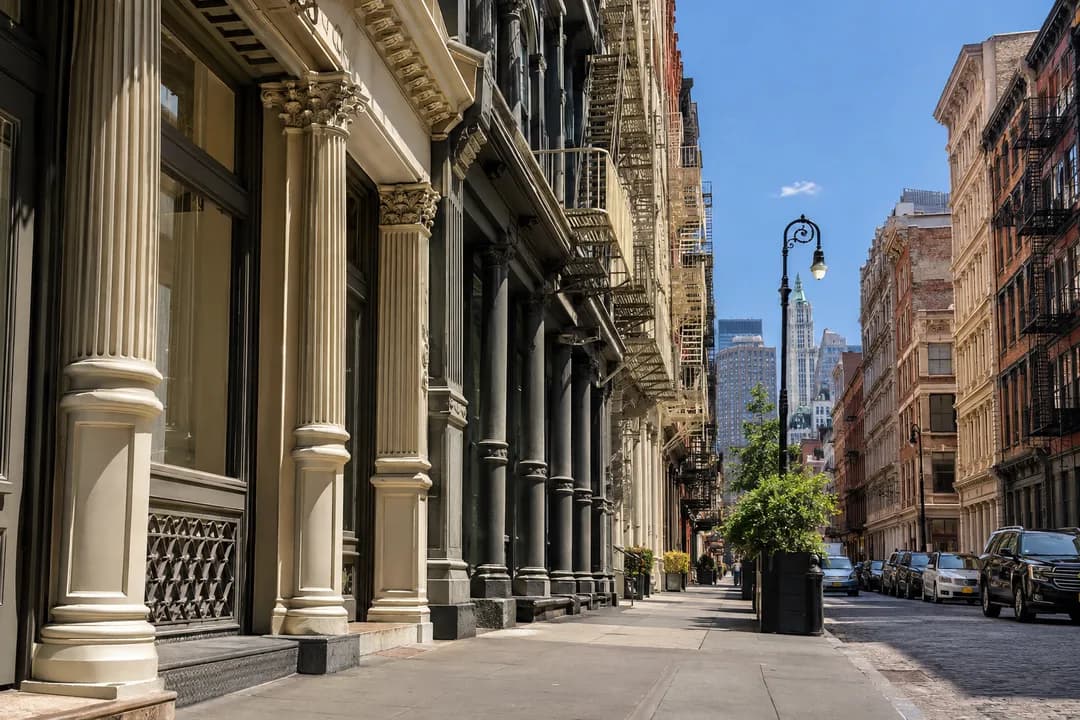
Historic Neighborhood Loop in SoHo: Cast-Iron Route
Build a SoHo historic neighborhood loop that compares cast-iron streets, gallery energy, and quieter side blocks with route branches for pace and weather.
A SoHo historic neighborhood loop is easiest to enjoy when the cast-iron district becomes a sequence of comparisons rather than a single shopping sweep. Use Karpo APP to choose a facade-focused route, a gallery-and-street-art route, or a quieter architectural circuit. Each version can share a few recognizable anchors while changing the order, pause length, and escape from the busiest sidewalks.
Pick your SoHo lens
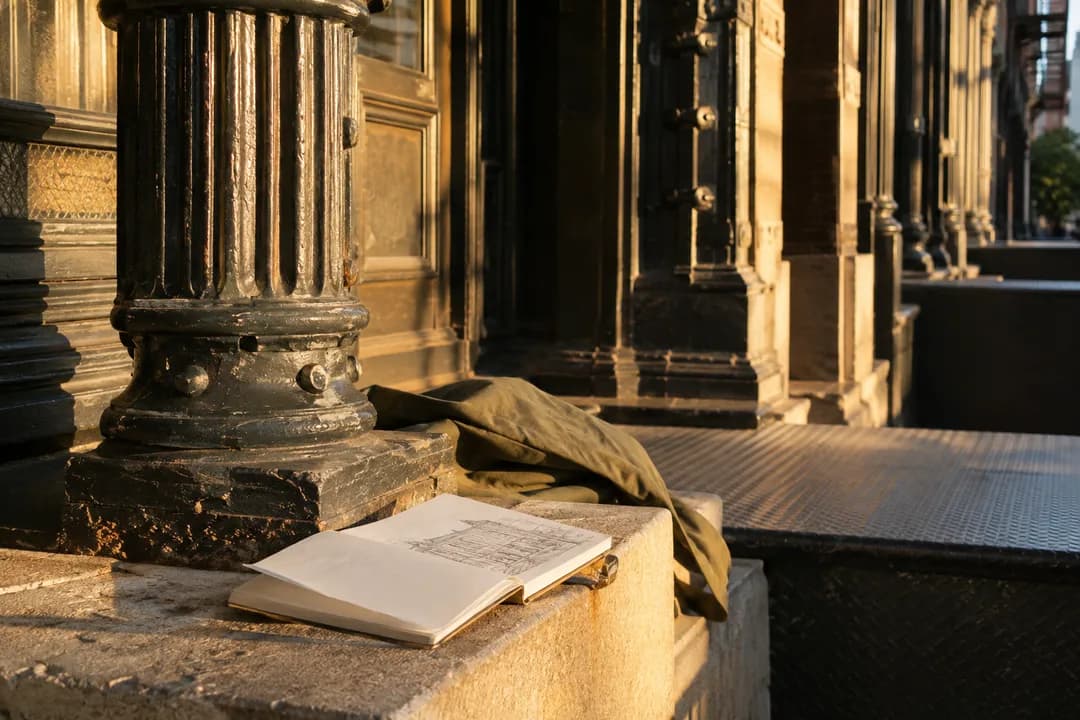
Start by choosing what you want the buildings to do for the day. A detail lens favors columns, window bays, cornices, and the way afternoon light catches metal. A people-and-place lens gives more room to galleries, small businesses, and street rhythm. A history lens links blocks that reveal how the district changed use over time. Naming the lens prevents the loop from becoming a generic list of famous corners.
Anchor the cast-iron chapter
The cast-iron streets work as a strong first chapter because they provide immediate visual language. Ask for a route that begins with a broad facade comparison, then narrows toward details a group can actually discuss. The app can keep the chapter compact for a casual visitor or add a slower sketching pause for someone who wants to draw. The route earns its length when each turn changes what you notice.
Separate shopping from looking
SoHo's retail energy can overwhelm an architecture plan, so make it a filter rather than an accident. If the group wants storefront browsing, place it after the first visual chapter and give it a clear time box. If the purpose is photography or design, route around the most congested corridors and preserve sightlines. Karpo APP can offer both versions so nobody feels trapped between competing agendas.
Build a side-street release
A good loop includes a side-street release where the pace drops and the facades can be read without constant shoulder checks. Choose one that changes the soundscape, not just the map color. The transition gives the group a chance to compare quiet residential frontage with the district's busier commercial face. Mark it as a reset chapter so people know the calmer stretch is part of the design.
Add a gallery decision
If the group likes art, let the route decide how galleries function. They can be a planned anchor, a weather refuge, or an optional browse that only happens if the sidewalk energy feels right. Ask Karpo APP to keep the gallery chapter flexible and to show a no-gallery branch without making the route feel incomplete. That protects the walk from becoming a forced indoor itinerary when the street itself is the main attraction.
Use light as a planner input
SoHo changes character with light, so include it in the route request. Morning favors crisp edges and less visual clutter; afternoon brings warmer reflections; overcast weather can flatten glare and make surface texture easier to read. The planner can adjust the order of wide streets and narrow passages around that preference. You are not predicting a perfect photograph; you are choosing the conditions in which your group will look best.
Keep the group moving
Cast-iron details invite stops, but too many unplanned pauses can turn a short loop into a tiring shuffle. Set a rule that each chapter gets one deep look and one quick pass. Karpo APP can label optional detail stops so the group knows where to spend attention and where to keep moving. That structure leaves room for discovery without making the slowest observer feel rushed.
Plan a rain version
Rain can make SoHo's metal and stone surfaces beautiful while making the sidewalks harder to navigate. Build a wet-weather branch with shorter exterior exposures, more sheltered transitions, and a deliberate place to dry off. Keep the architectural question intact—compare columns, windows, or doorways—so the rainy route feels like a different reading of the district rather than a consolation prize.
Choose a social rhythm
Some groups want conversation; others want a photo walk with occasional check-ins. Make that preference explicit and let the loop alternate social stretches with looking stretches. A route that names when to talk and when to observe is easier for mixed companions. It also makes a solo version possible: the same anchors can become prompts for a self-guided visual diary instead of a group discussion.
End where the day continues
SoHo can be a destination or a connector, so choose an ending that supports what follows. A lively avenue works if the group is continuing into dinner or nightlife; a quieter edge helps if they want a calm finish and an easy departure. Ask for two endings with different energy and walking friction. That simple choice keeps the historic loop from fighting the rest of the day.
Save a detail list
When the route is over, save the details people actually remembered: a repeated window pattern, a surprising corner, or a facade that looked different on the return. Those notes make the next loop more personal and help Karpo APP prioritize the right kind of discovery. A useful history walk should leave you with a handful of observations, not just a completed line on a map.
Practical notes for SoHo
Wear comfortable shoes, keep the route shareable, and decide whether shopping is central before you start. Make an optional short branch obvious, because SoHo's surfaces and crowds can tire a group faster than the map suggests. If rain or congestion wins, switch to the saved side-street version. The district rewards a plan that protects looking time while leaving room for an unplanned doorway, sketch, or conversation. Leave a little margin between the final architectural chapter and the next appointment. That buffer lets the group stop for an unexpected doorway, regroup after a crowded crossing, or simply look up without checking the map. SoHo is more rewarding when the route protects attention. A flexible plan can still be precise about the decision points while allowing the street to supply one unscripted moment. Keep a short version ready for anyone who is finished browsing or needs an easier exit. It should preserve one strong cast-iron comparison and one quiet transition, proving that a shorter plan can still carry the district’s character.
Ask Karpo for more information.
Keep reading
- Upper West Side Nail Salon Walk In Finder: First Manicure
 Astoria Nail Salon Walk In Finder: Parent and Kid Sunday
 Williamsburg Nail Salon Walk In Finder for a Friend Group