 SoHo Tailor Alteration Shop Finder for Sample Sale Finds
Neighborhood Guides
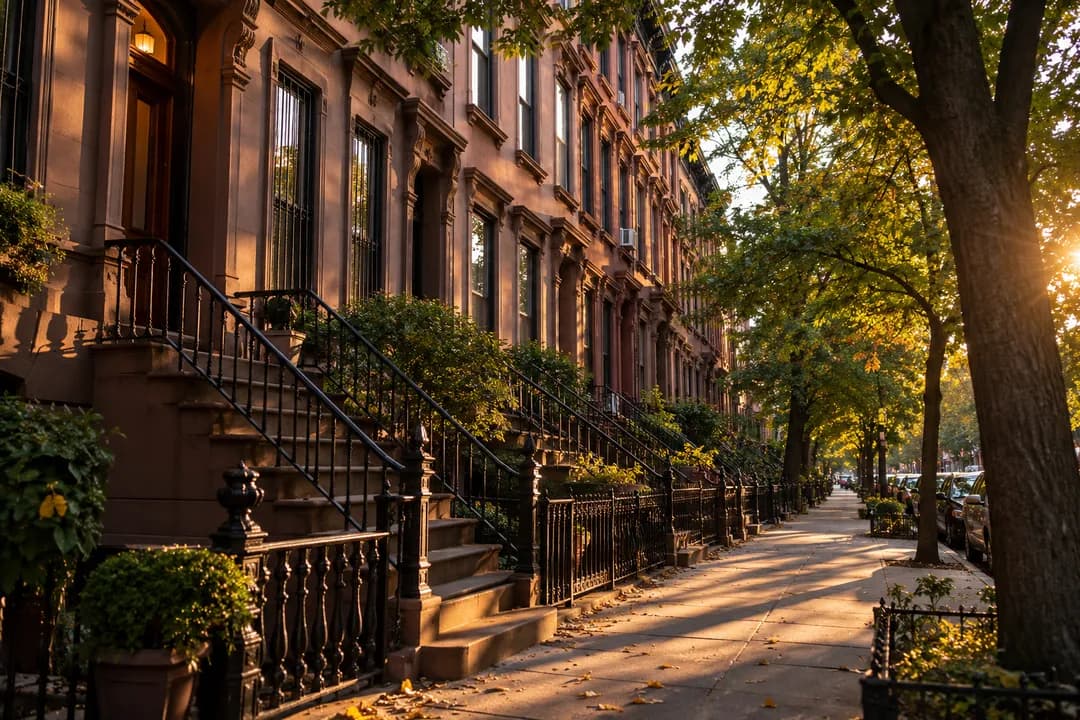
Historic Neighborhood Loop in Harlem: Brownstone Route
Plan a Harlem historic neighborhood loop through brownstone rows, cultural landmarks, and leafy blocks, with adjustable branches for pace and group needs.
A Harlem historic neighborhood loop should hold architecture and living culture in the same frame. Brownstone rows, churches, stoops, murals, and neighborhood institutions each tell a different part of the story, so the planner needs more than a list of pretty blocks. Use Karpo APP to choose a brownstone study, a music-and-memory route, or a family-friendly circuit with clear pauses and a dependable finish.
Choose the Harlem story
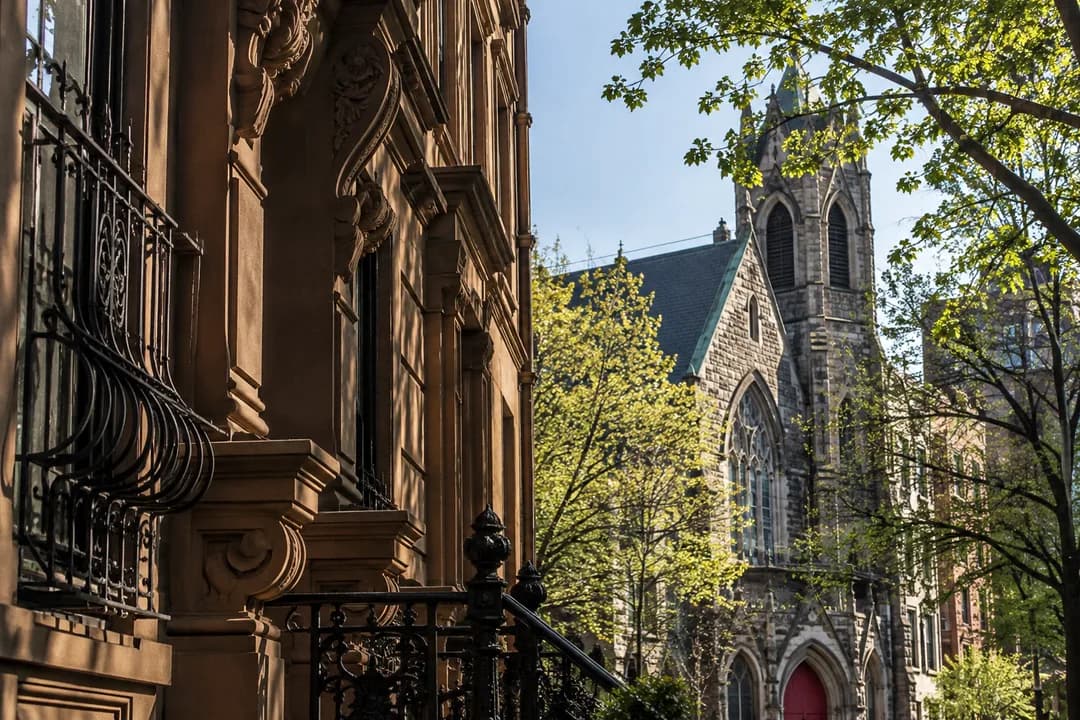
Decide what kind of story the group wants to follow before selecting streets. A facade-first loop can emphasize stoops, cornices, and row-house rhythm. A culture-first route can connect public art, music memory, and places where the neighborhood's creative life is visible. A family version can shorten the distance and add observation prompts. The same area supports all three, but the order should reflect the story rather than pretend every stop has equal weight.
Start with a clear anchor
Use one unmistakable public landmark as the opening anchor so everyone understands the route's direction. From there, ask the app to move through a sequence of residential texture, cultural context, and a final gathering point. A clear anchor also helps late arrivals join without a complicated explanation. The first chapter should orient the group, not spend its best detail before anyone has learned how the loop is shaped.
Read a row, not one house
Brownstone appreciation improves when the route asks for comparison. Notice how stoops repeat and diverge, how trees interrupt the row, and how renovations change the rhythm of windows and doors. Karpo APP can turn that into a short visual prompt at each chapter. The group is then looking at a neighborhood system rather than ranking one facade as the winner, which keeps the walk generous and attentive.
Make culture a living layer
A Harlem route should not treat culture as a museum label pasted onto a street. Build a chapter where public art, music memory, food smells, and everyday movement sit together without claiming to explain the whole neighborhood. The planner can suggest prompts—listen for a change in sound, note a mural's color field, or mark a community gathering edge—so visitors stay curious and avoid reducing the area to a postcard.
Plan for mixed companions
Groups often arrive with different expectations: one person wants architecture, another wants history, and someone else wants a relaxed stroll. Give each person a possible contribution and one chapter they can lead. Karpo APP can show where the route branches and reunites, making the plan feel collaborative. A mixed group does not need identical interests; it needs a route that makes room for each interest without multiplying the distance.
Use a quiet-block branch
If the main corridor feels too active, shift into a quieter block for a chapter that lets the group breathe. Ask for shade, fewer crossings, or a slower visual sequence rather than simply 'less busy.' The branch should preserve the neighborhood's character and reconnect cleanly to the main route. Saving it in advance means the group can change tone without opening a new planning problem halfway through.
Balance detail and distance
Harlem's scale can tempt a planner to add one more block, then another. Set a real stopping point and decide which chapter is optional. A photographer may choose fewer blocks with longer pauses; a visiting family may prefer a continuous route with one visual game. Karpo APP can compare those versions and make the tradeoff visible, so the plan stays honest about energy rather than promising an effortless grand tour.
Make weather part of the story
Heat, rain, and early darkness each change how the neighborhood reads. In heat, move detailed facade work toward shaded chapters and shorten exposed crossings. In rain, keep the route close to sheltered transitions while retaining one memorable exterior scene. In low light, prioritize a route with clear orientation anchors. Build these branches before leaving so the group can adapt without treating weather as a failure.
Choose a respectful pace
A historic neighborhood loop is also a walk through people's homes and routines. Set a pace that leaves room for observation without blocking stoops or turning private buildings into photo props. The app can include a simple courtesy reminder at the chapters where visitors tend to linger. That makes the route feel grounded and helps a group enjoy the architecture while remembering that the neighborhood is lived in.
Give the ending a purpose
End with a purpose that matches the group's next move: a conversation point, a transit handoff, or a place to continue exploring. Ask for two endings, one social and one quiet, so the route can fit different days. The final chapter should feel like a release from the walk's close looking, not another demand for attention. A thoughtful ending is what turns a route into a complete outing.
Review what changed
Afterward, save the moments that changed the group's understanding: a row that looked different in person, a public-art detail, or a conversation sparked by a landmark. Note where the route felt too dense and where a pause was missing. Those observations let Karpo APP build a better second version and keep the plan rooted in your actual experience rather than in an abstract map.
Practical notes for Harlem
Keep the route shareable, set one person as the timekeeper, and make the short branch visible from the start. Comfortable shoes matter more than speed, especially when the group pauses often. Stay attentive to residents and storefront activity, and let the plan change if a block feels too crowded. Harlem rewards a loop that combines close looking with humility, curiosity, and enough room for the neighborhood to speak for itself. Keep the route's language welcoming to people who are new to Harlem. Explain what the group is looking for, avoid treating residents as scenery, and let cultural context stay specific rather than sweeping. A thoughtful planner can hold history, architecture, and present-day life together without claiming to summarize the whole neighborhood. That restraint is part of the route design, and it makes the walk more generous for everyone involved.
Ask Karpo for more information.
Keep reading
- SoHo Tailor Alteration Shop Finder for Sample Sale Finds
 Williamsburg Tailor Alteration Shop Finder for Bike Riders
 Upper West Side Tailor Alteration Shop Finder for Kids