 SoHo Tailor Alteration Shop Finder for Sample Sale Finds
Neighborhood Guides
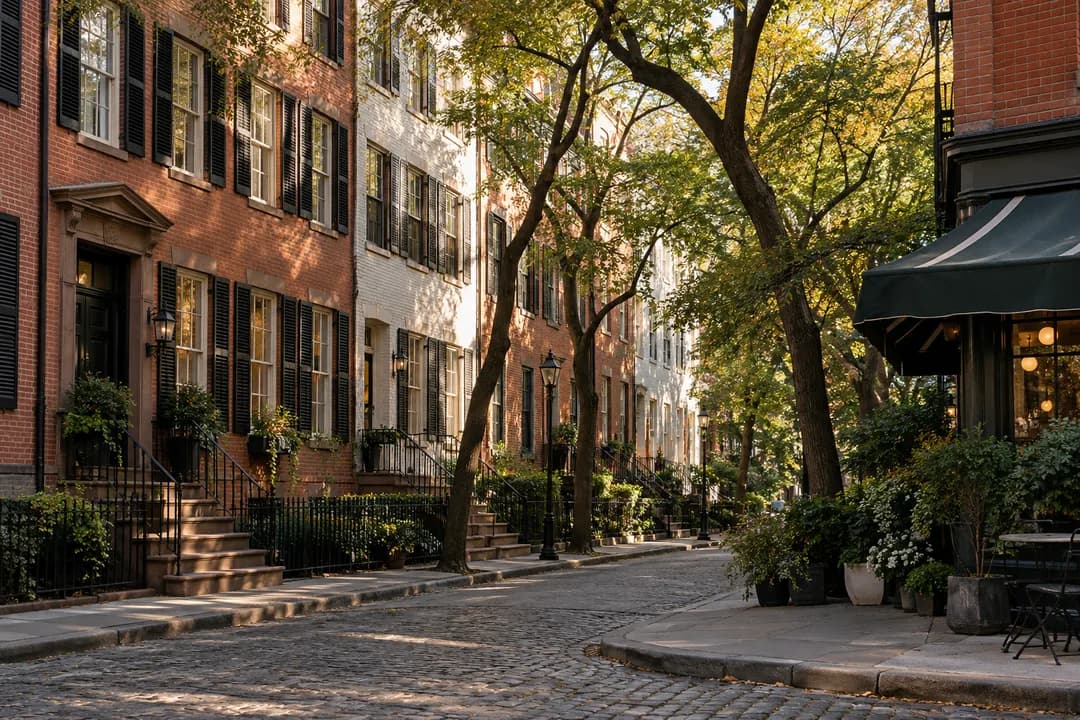
Historic Neighborhood Loop in Greenwich Village: 3 Routes
Plan a Greenwich Village historic neighborhood loop by mood, walking pace, and landmark density, with easy route branches for weather, company, and time.
A Greenwich Village historic neighborhood loop works best when you let the streets set the tempo instead of chasing a checklist. Start with the kind of outing you want—quiet architecture, literary corners, or a social wander—and let Karpo APP shape the sequence around that choice. The route can hold Washington Square Park, narrow lanes, and the Jefferson Market Garden without pretending every stop needs the same amount of time.
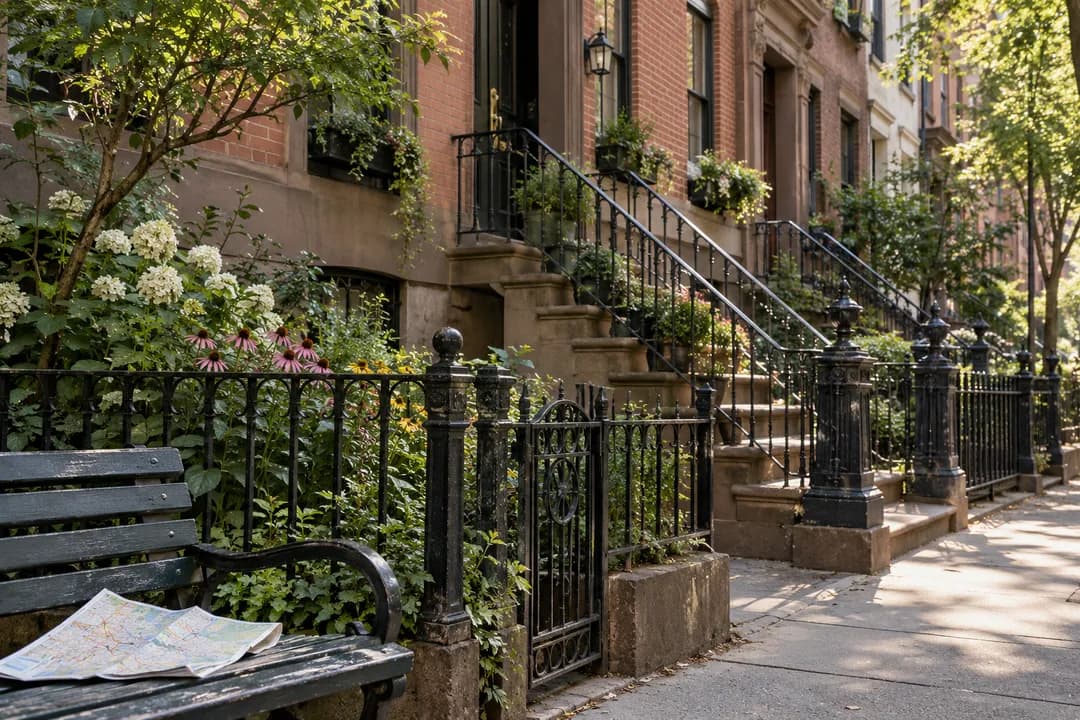
Choose your Village mood
Begin by naming the feeling you want at the top of the plan. A first-time visitor may want a clear orientation arc from Washington Square Park into the quieter western blocks. Someone who already knows the park can ask for a brownstone-heavy version that favors stoops, ironwork, and small garden glimpses. A third option can emphasize creative history around MacDougal Street and the village's performance memory. The point is to make the route answer a decision, not simply draw a circle.
Set the opening landmark
Washington Square Park is a useful anchor because it gives the loop an unmistakable starting scene and several ways to leave it. From the arch, a short eastward branch can add busier pedestrian energy; a northwestern branch can move quickly into residential blocks; a southern branch can turn toward older commercial traces. Ask Karpo APP to rank the opening by visual contrast so the first ten minutes feel intentional rather than like a random turn off the subway.
Build three walking chapters
Break the outing into three chapters: orientation, texture, and release. Orientation covers the park edge and the first view down a narrow street. Texture is where you slow for stoops, patched brick, tiny plaques, and the changing width of the sidewalks. Release means ending somewhere with a little more room, whether that is a garden edge, a broad avenue, or a cafe-heavy corner. Chapter labels help a group know when to pause and when to keep moving.
Use the quiet-lane filter
If the group dislikes crowds, tell the planner to favor lanes with residential frontage and fewer destination storefronts. That usually produces a more observant walk: you notice window proportions, cellar steps, planted railings, and how old buildings meet newer infill. The filter should also limit backtracking, because a quiet street loses its charm when the route repeatedly crosses the same noisy junction. Save the quiet version as its own plan so you can switch back after a busy first block.
Add a history prompt
A good loop gives people something to look for without turning the walk into a lecture. Add prompts such as 'find three different stoop railings' or 'compare a cast-iron detail with a painted cornice.' The app can turn those prompts into small observation cards for children, visiting friends, or a sketching partner. They keep attention on the built environment while leaving room for personal stories, and they make the same streets feel different on a second visit.
Plan the social handoff
Greenwich Village routes work for mixed groups when the plan includes a clear handoff point. Mark a place where the fast walkers can loop back, the slower pair can linger, and everyone can reunite without a frantic group text. Karpo APP can surface a midway meeting area and a final neighborhood choice, then keep the route legible for anyone arriving late. A shared plan is calmer when nobody has to improvise the rendezvous.
Make weather branches early
Weather changes the best Village loop more than a small temperature swing does. In rain, shorten the exposed park crossing and ask for arcaded or shop-lined alternatives, while preserving one architectural pocket as the payoff. In strong sun, move the most detailed facade viewing to the first or last chapter and reserve a shaded garden pause for the middle. Save both branches before leaving so the group can choose without rebuilding the route on the sidewalk.
Keep the pace human
Use walking pace as a real input. A photographer needs longer pauses and a smaller radius; a friend with a tight evening window needs a compact loop with one signature view. The route should state where to spend five minutes, where to spend fifteen, and where to keep moving. That rhythm prevents the common failure mode in historic districts: racing past the best details early, then dragging through the final blocks because the plan was too ambitious.
Pick the ending scene
The ending should feel like a deliberate change of register. Choose a green edge if the group wants a soft landing, a lively avenue if they are continuing to dinner, or a transit-friendly corner if people are splitting up. Ask Karpo APP to show two endings with different energy rather than one supposedly perfect finish. That small choice makes the loop useful for both an afternoon wander and a pre-show warm-up.
Save a repeatable version
Once the group completes the loop, note what actually worked: which chapter ran long, which turn felt confusing, and which pause everyone remembered. Save those notes with the plan and duplicate it for a shorter return visit. A repeatable version is more valuable than a polished one-off because it lets you keep the Village's character while changing the company, weather branch, or starting landmark next time.
Use Karpo APP for the handoff
The practical move is to ask Karpo APP for a Greenwich Village historic neighborhood loop with your chosen mood, pace, and ending. Give it the non-negotiables first—quiet streets, a garden stop, minimal stairs, or a fixed departure window—then let it propose the order. You are using the app to reduce planning friction, not to outsource curiosity; the best route still leaves room to turn toward an unexpected stoop or side lane.
Practical notes for the walk
Wear shoes that handle uneven pavement, keep the group size visible in the plan, and choose one person to watch the clock while everyone else looks up. Keep the route shareable, with a short version ready for anyone who drops out. If the first chapter feels too crowded, switch to the saved quiet branch rather than forcing the original sequence. Greenwich Village rewards a loop that is flexible, observant, and sized to the people actually walking it.
Ask Karpo for more information.
Keep reading
- SoHo Tailor Alteration Shop Finder for Sample Sale Finds
 Williamsburg Tailor Alteration Shop Finder for Bike Riders
 Upper West Side Tailor Alteration Shop Finder for Kids