 SoHo Tailor Alteration Shop Finder for Sample Sale Finds
Neighborhood Guides
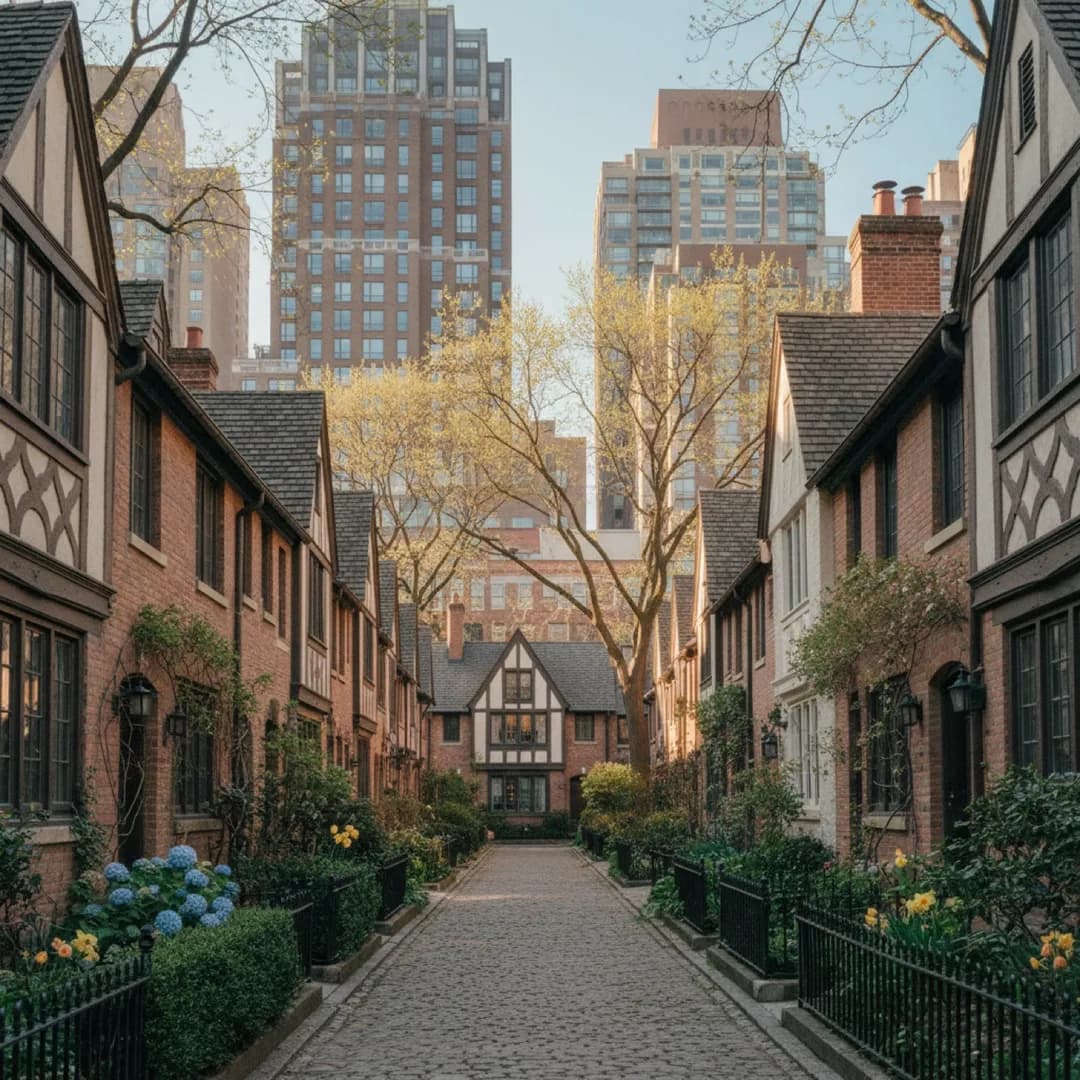
Historic Alleyway Heritage Walk: UWS Pomander Walk Loop
An Upper West Side heritage walk is free and best on a spring afternoon: peek into gated Pomander Walk, then trace prewar blocks down to Riverside Drive.
The Upper West Side is better known for grand avenues than secret passages, which is exactly why its one true storybook lane feels like such a find. Hidden between two side streets near Broadway, a row of miniature Tudor cottages faces a narrow garden walk as if it had been lifted out of an English village. Around it spreads one of the richest collections of prewar architecture in New York, from wedding-cake apartment palaces to quiet brownstone rows sloping down to the Hudson. This historic alleyway heritage walk links the hidden lane with the landmarks around it, making for an easy afternoon that suits families, architecture lovers and anyone who prefers a slower pace.
Pomander Walk: A Stage Set Turned Into a Home
Pomander Walk runs mid-block in the West Nineties, just off Broadway. Its little two-storey houses have half-timbered gables, colorful doors and tiny front gardens, and the whole row was inspired by the scenery of a popular English stage comedy. The developer reportedly meant it as a temporary use of the land, yet the cottages proved so charming that they outlasted the plan and became a cherished enclave.
The lane is private and gated at both ends, so you will view it from the street rather than walk inside. Visit each gate in turn. The southern view and the northern view feel surprisingly different, with the apartment towers rising behind the cottages from one angle and the gardens taking center stage from the other. Spring brings flowers and blossoms, and the lane is especially pretty in soft afternoon light.
Broadway's Gilded Apartment Palaces
Walk south along Broadway to see how the neighborhood answered the question of how to make apartment living fashionable. Around Verdi Square, look for a towering Beaux-Arts building with rounded corner turrets, ornate balconies and a mansard roof. It began life as a luxury residential hotel, famous for its thick walls that made it popular with musicians and singers who needed to practice without disturbing the neighbors.
Verdi Square itself, a small triangle with a statue of the composer surrounded by figures from his operas, makes a good pause point. The busy subway station beside it reminds you that the arrival of the train is what turned these blocks from scattered farms and shanties into a dense residential quarter almost overnight.
Side Streets Lined With Brownstones and Stoops
Leave Broadway and cut west along any of the side streets in the West Eighties and Seventies. Here the scale drops to rows of brownstones and limestone townhouses with carved doorways, bay windows and stoops climbing to parlor floors. Look for repeating patterns, where a builder put up a whole row at once, and for little variations in ironwork and stone that owners added later to make each house their own.
These blocks feel like a living catalog of late nineteenth century styles, from Romanesque arches to Renaissance-inspired cornices. Walk slowly and look up, because the decoration often gets richer near the rooflines. A few of the streets are especially tree-lined, giving the feeling of walking down a green corridor even though you are steps from busy avenues.
Riverside Drive: The Grand Curve by the Hudson
Continue to Riverside Drive, which bends and curves along the edge of the park, ignoring the Manhattan grid. Mansions and elegant apartment houses were built to face the river, and many still have rounded bays, turrets and terraces designed to capture the view. Unlike the straight avenues, the drive invites you to wander, with each curve revealing new facades.
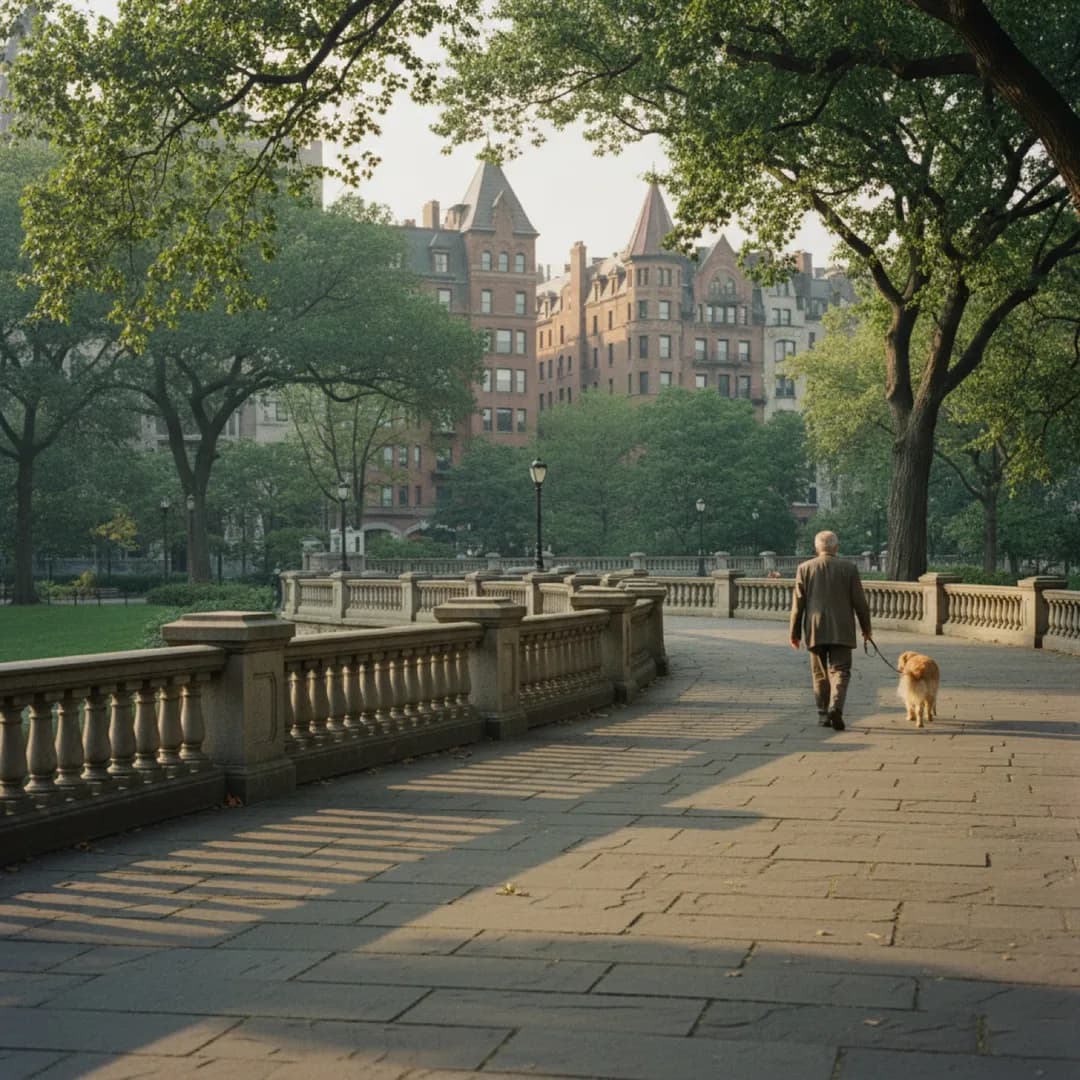
Step into Riverside Park via one of the stone stairways and follow the promenade with its granite balustrades and old lampposts. Designed by the same landscape minds behind Central Park, the park drops in terraces toward the water, with monuments, playgrounds and quiet benches tucked along the slopes. It is the natural finale for this walk, especially as the afternoon light starts to warm the river.
Monuments Worth a Short Detour
If you have the energy, follow the drive north to a classical memorial temple honoring Civil War soldiers and sailors, set on a raised terrace overlooking the Hudson. Its circle of columns and the views from the plaza are well worth the extra blocks. Closer to Pomander Walk, keep an eye out for smaller memorials and plaques set into the park walls, each telling a piece of the neighborhood's civic story.
These monuments give the walk a sense of how proud the Upper West Side was of its new status as a fine place to live. They were built to impress, and they still do, especially when you approach them along the curving paths of the park.
A Quiet Ending at Straus Park
For a gentler finish than the riverfront, walk north up Broadway to the little triangle of Straus Park, where Broadway meets West End Avenue. A reclining bronze figure gazes over a small pool, honoring a married couple who chose to stay together aboard the Titanic rather than be separated. Their home stood nearby, and neighbors raised the memorial soon after the disaster.
The park is tiny, shaded and usually calm, with benches where students from the nearby university and longtime residents read side by side. It is a touching reminder that the grand architecture of the neighborhood was always home to real families with real stories, and it makes a reflective last stop before you head for the subway or a cafe.
Making the Afternoon Your Own With Karpo
This part of Manhattan is full of bakeries, bookshops and classic coffee shops, so it is easy to turn the walk into a relaxed afternoon outing. Ask the Karpo APP to suggest a cozy cafe near Broadway for a warm-up, a kid-friendly snack stop near Riverside Park or a calm dinner spot nearby once the walk ends. It is a simple way to match the route to your group, whether you are walking with grandparents, toddlers or a camera bag.
Good to Know Before You Go
Plan on about two hours at a gentle pace, including stops at both Pomander Walk gates and a stretch along Riverside Park. Wear comfortable shoes, since some park paths are steep and the stairways down from the drive can be uneven. Respect the privacy of residents on Pomander Walk and the brownstone blocks, keeping photography quick and voices low. Spring and autumn offer the best combination of flowers, foliage and comfortable temperatures, but the river views make this route a pleasure in almost any season.
Ask Karpo for more information.
Keep reading
- SoHo Tailor Alteration Shop Finder for Sample Sale Finds
 Williamsburg Tailor Alteration Shop Finder for Bike Riders
 Upper West Side Tailor Alteration Shop Finder for Kids