 Upper West Side Nail Salon Walk In Finder: First Manicure
Neighborhood Guides
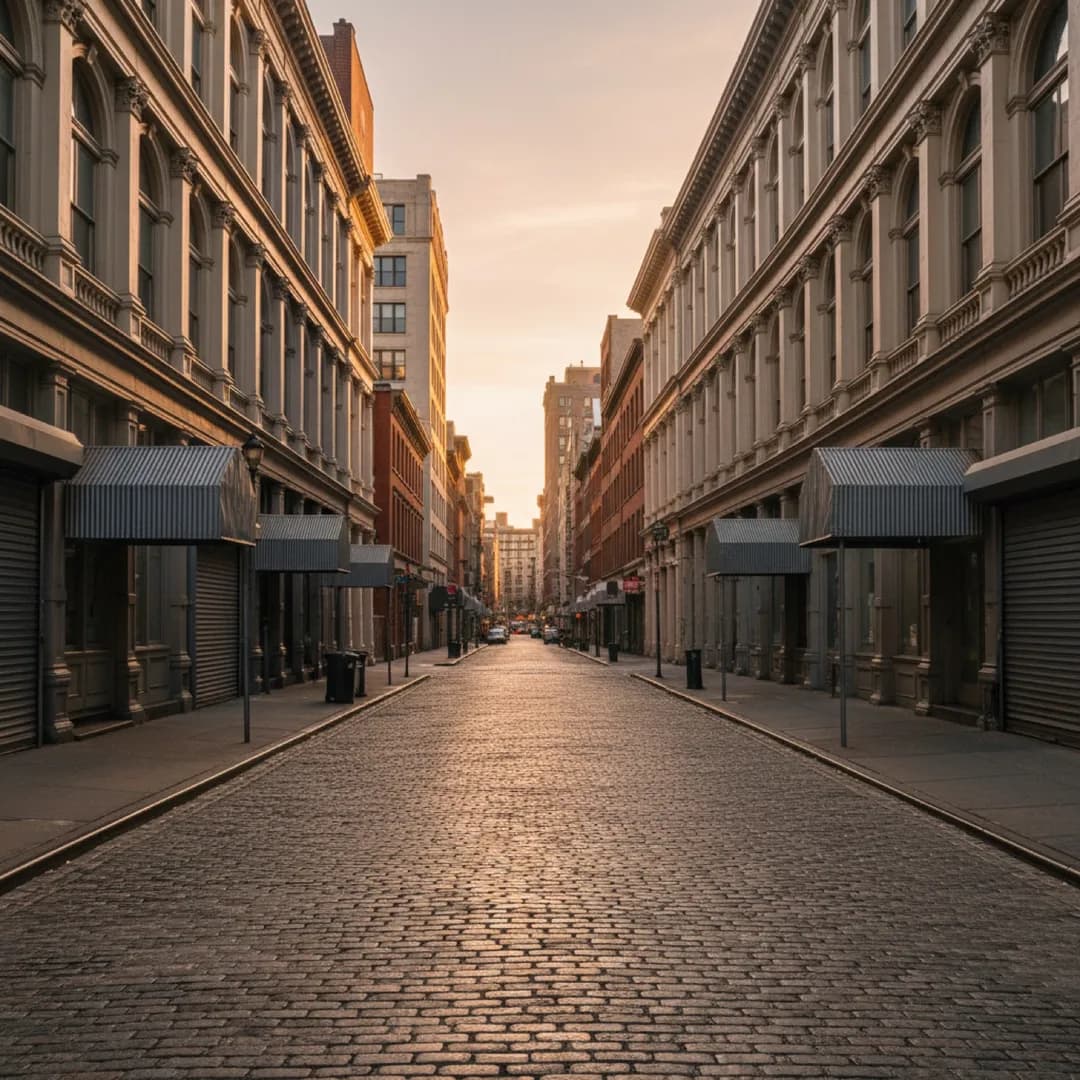
Historic Alleyway Heritage Walk: SoHo Cast Iron at Dusk
SoHo's heritage walk is free and self-guided: follow Belgian-block lanes past cast-iron lofts on Greene and Mercer, ideally in low evening light for photos.
Most people come to SoHo to shop, and they spend the whole visit looking at window displays at eye level. Raise your eyes a few feet and the neighborhood turns into something else entirely: an outdoor museum of cast-iron facades, loading docks, granite paving and sidewalk skylights built for the warehouses and sweatshops that once filled these blocks. This historic alleyway heritage walk treats SoHo as an industrial district first and a shopping street second. It works as a self-guided loop, it costs nothing, and it is best done when the sun is low and the iron columns throw long shadows across the cobbles.
Why SoHo Looks the Way It Does
In the second half of the nineteenth century, builders discovered they could order entire facades from foundries, bolt the pieces together and paint them to resemble carved stone. The result was quick, fireproof-ish and ornate, with tall windows that let daylight reach workers sewing, printing and packing inside. Whole blocks between Houston and Canal filled with these buildings, and SoHo now holds one of the largest concentrations of cast-iron architecture anywhere.
Later, as manufacturing left, artists moved into the big open floors illegally, then legally, and fought to stop a planned expressway from flattening the area. That fight is the reason the district survived. When you walk here, you are walking through a neighborhood that was nearly erased and then saved by the people who lived in its lofts.
Greene Street: The Showpiece Block
Begin on Greene Street, which many architecture fans consider the heart of the district. Long rows of facades with Corinthian columns, arched windows and heavy cornices line both sides, and parts of the roadway are still paved with rectangular Belgian blocks rather than asphalt. Walk down the middle of the sidewalk on one side, then cross and come back on the other, because the buildings opposite you always look better than the ones directly overhead.
Tap a column gently and you may hear the hollow ring of metal, which is the easiest way to tell iron from stone. Look also at the bases of the buildings for raised loading platforms where carts once pulled up to unload bolts of cloth. Many of those platforms are now used as boutique entrances, yet the original iron steps and edges are still visible.
Vault Lights and the Underground Story
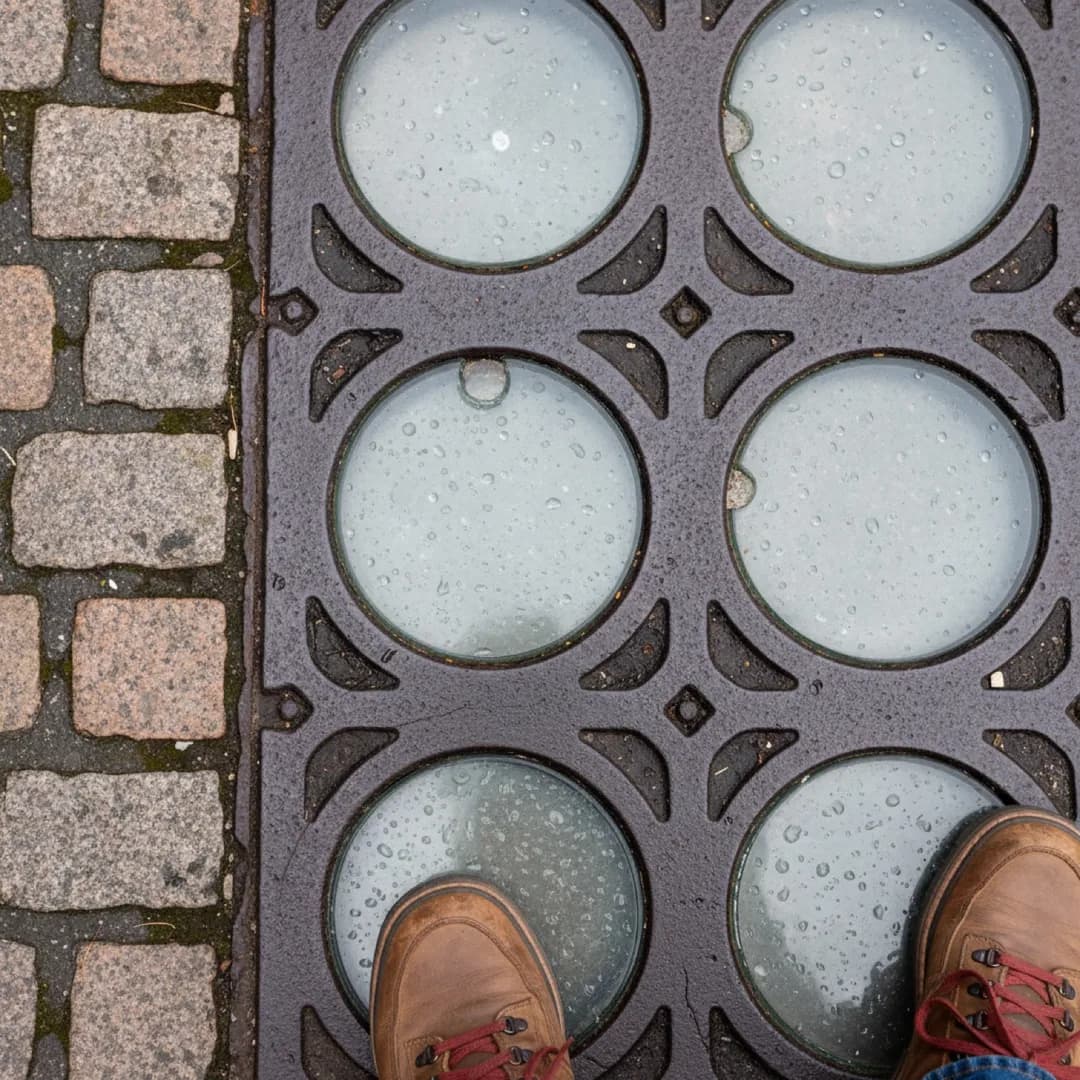
Along several blocks, the sidewalk itself is part of the heritage. Small round glass disks set into iron plates once let daylight into storage vaults that stretched under the pavement. Many have turned purple or amber with age, and some are patched with concrete. Crouch down near one and you will see a tiny window into how these warehouses used every inch of space, including the area under your feet.
These vault-light platforms are fragile and increasingly rare, so treat them as artifacts rather than photo props. The most interesting runs tend to sit in front of the oldest buildings, so if you spot them, look up immediately: you are probably standing in front of an especially well-preserved facade.
Mercer, Crosby and the Narrow Lanes Between
Mercer Street and Crosby Street feel like the service alleys of the district, and that is exactly why they belong on an alleyway walk. They are narrower and quieter than Broadway, with fewer tourists and more delivery entrances, fire escapes and freight doors. Crosby in particular still has stretches of cobblestone and gives a sense of how gritty the streets felt before the galleries and design shops arrived.
Near the southern edge of Houston, tiny Jersey Street is barely a block long and often overlooked. It is the kind of lane you only find by wandering, with blank brick walls and loading bays that recall the area's manufacturing past. Combine it with a quick look at the grand red-brick printing building nearby and you have a snapshot of SoHo's working life in a few minutes.
Broome Street and the Corner Landmarks
Swing over to Broome Street to see how the style matured. At the corner with Broadway stands one of the most admired cast-iron buildings in the city, a tall white palazzo with rows of arched windows that repeat like a piece of music. It was also an early home of a passenger elevator, which helped convince New Yorkers that tall commercial buildings were practical.
Walk a little further west and the facades become plainer and more industrial, with simple pilasters instead of ornate columns. That contrast is part of the story. The showpieces were built to impress buyers, while the humbler blocks were pure working space, and seeing both in one stroll makes the district feel real rather than staged.
Timing the Walk Around Light and Crowds
Weekend afternoons on Broadway and Prince Street can feel like a stadium concourse. Instead, plan this loop for a weekday evening or early on a Sunday, when the cobbled side streets empty out and you can photograph whole facades without strangers in the frame. Golden hour is the sweet spot, because the cream and grey paint picks up warm light and the column shadows give the buildings real depth.
If rain is in the forecast, consider going anyway. Wet Belgian blocks reflect the street lamps beautifully, and the cast-iron fronts look darker and more dramatic. Just watch your footing, since the old stones get slippery and the curbs are higher than modern ones.
Turning the Walk Into an Evening
Once you have looped Greene, Mercer and Crosby, the neighborhood shifts into dinner mode. Cafes with tables tucked under old iron canopies, wine bars in former storage rooms and small galleries that stay lit after dark make it easy to keep going. Use the Karpo APP to ask for a relaxed place to sit nearby after your walk, or for suggestions that suit your group, whether that means a quiet glass of wine, a family-friendly pizza spot or a dessert stop on the way to the subway.
Before You Head Out
Bring shoes with good grip for the cobblestones and leave large bags behind, because sidewalks narrow sharply near loading docks. Allow about ninety minutes for an unhurried pace, longer if you like photography. Respect residents, since many lofts are still homes, and avoid blocking doorways or sitting on private steps. Finally, keep a small sketch of the route in mind: Greene Street first for the showpiece facades, Mercer and Crosby for the alley feeling, then a slow wander south toward Canal if you want to see the district fade back into everyday Manhattan.
Ask Karpo for more information.
Keep reading
- Upper West Side Nail Salon Walk In Finder: First Manicure
 Astoria Nail Salon Walk In Finder: Parent and Kid Sunday
 Williamsburg Nail Salon Walk In Finder for a Friend Group