 SoHo Tailor Alteration Shop Finder for Sample Sale Finds
Neighborhood Guides
Historic Alleyway Heritage Walk: LES Murals and Tenements
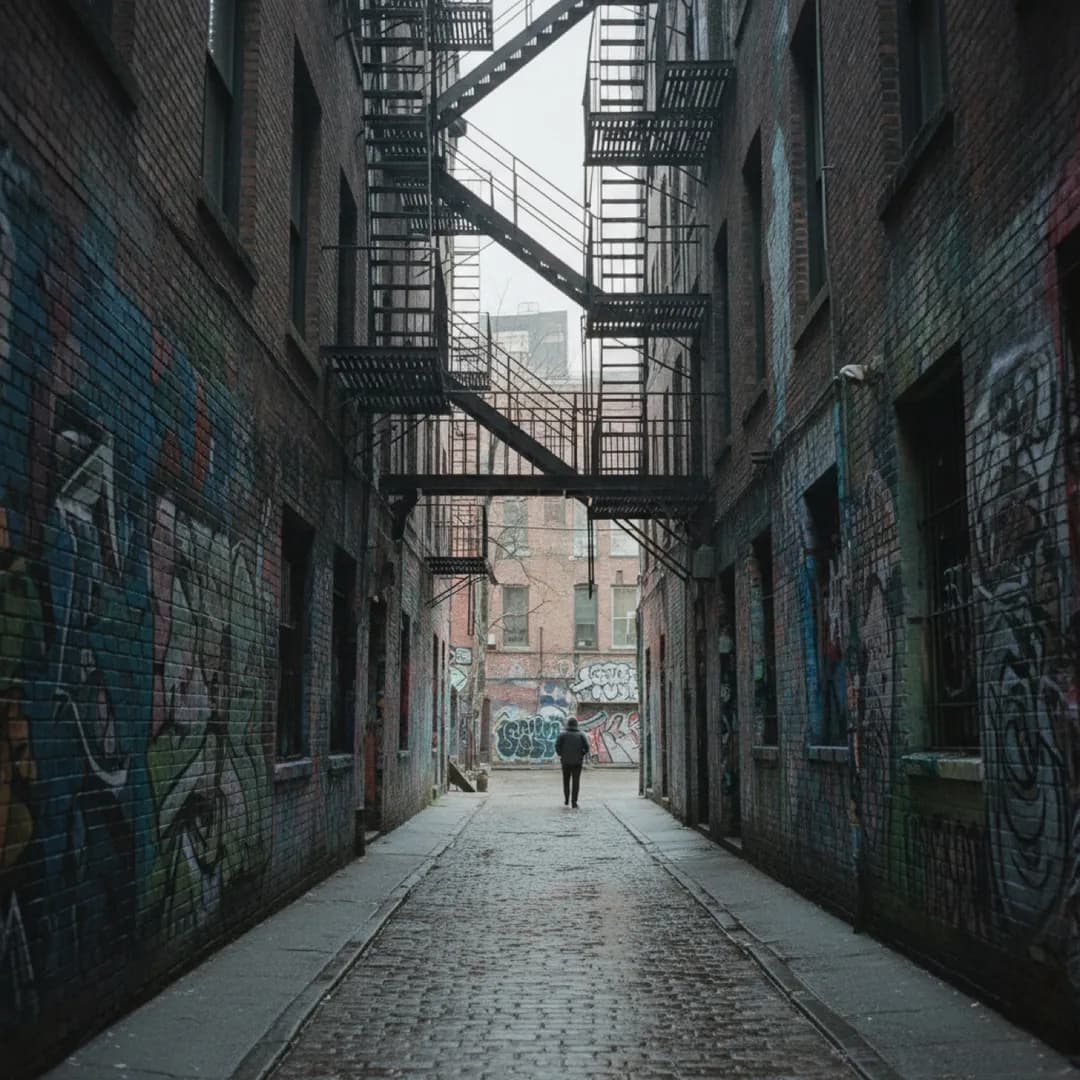
A Lower East Side heritage walk works best on a quiet weekday morning, starting in Freeman Alley and threading tenement blocks toward Seward Park on foot.
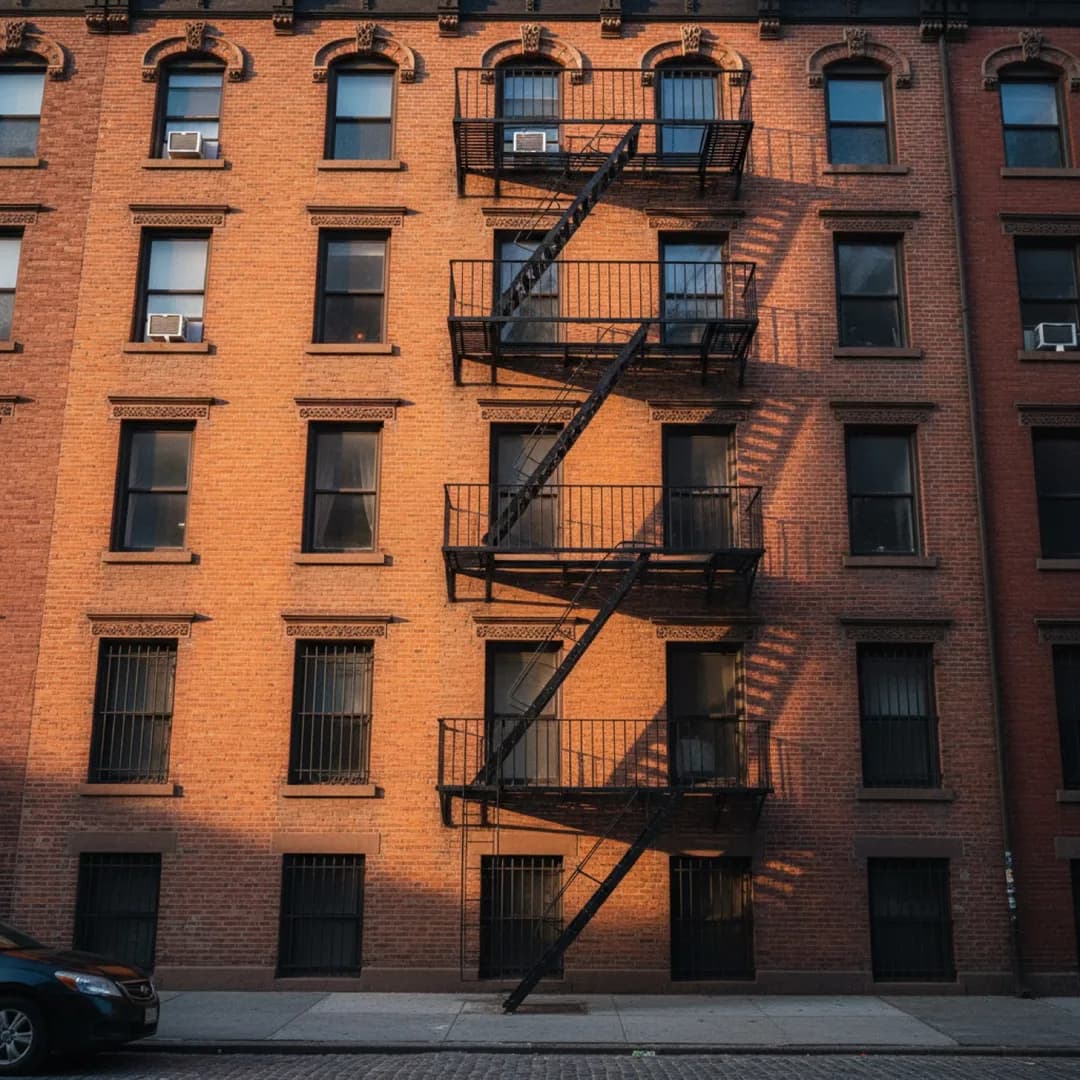
The Lower East Side is not a neighborhood of grand boulevards. Its history lives in narrow places: a dead-end alley wrapped in layered murals, five-storey tenements stitched together by zig-zag fire escapes, and side streets where pushcart vendors once shouted prices in half a dozen languages. A historic alleyway heritage walk here is less about ticking off landmarks and more about reading the texture of a district that housed wave after wave of newcomers. This route keeps you on foot for roughly two relaxed hours and ends somewhere you can sit, eat and talk about what you saw.
Start in Freeman Alley While It Is Still Quiet
Freeman Alley is the closest thing Manhattan has to a back lane from an old European quarter. It slips off Rivington Street between Bowery and Chrystie, runs a short distance and simply stops. Every surface is painted, stickered and repainted, so the walls change from month to month as artists cover each other's work. On a grey morning the colors glow against the wet pavement, and you can actually hear your own footsteps.
Go early on a weekday and you will usually share the lane with a delivery driver and maybe one photographer. By weekend afternoons it fills with people posing for portraits, which is fun in its own way but makes it hard to study the layers. Walk to the very end, turn around, and look back toward the street. That reverse view, with the tenement cornices framing a slice of sky, is the image most visitors miss.
Reading the Tenement Blocks on Orchard and Eldridge
Leave the alley and head east into the grid around Orchard, Ludlow and Eldridge. This was once one of the most crowded places on earth, and the buildings still tell that story if you know what to look for. Notice how narrow the lots are, how the fire escapes climb the facade rather than hiding at the back, and how many ground floors still have the deep shop windows that once displayed fabric, hats and hardware.
Orchard Street is the spine of the old garment and pushcart trade, and walking it slowly is the heart of this route. Look up above the modern shop signs. Stone lintels, carved faces, faded painted advertisements and the occasional iron star anchor plate reveal how builders squeezed decoration onto tight budgets. If you want the interior story of how families lived in these rooms, a guided tenement tour in the neighborhood is the natural add-on, and it pairs well with this outdoor loop.
Eldridge Street rewards a detour south for its grand old synagogue, a dramatic facade with a great rose window rising among ordinary walk-ups. Even from the sidewalk it shows how much these immigrant congregations invested in a single building. Pause across the street so you can take in the whole front at once.
Seward Park and the Newspaper Row Along East Broadway
Keep heading south and east until the streets open up at Seward Park. Locals treat it as a backyard, with chess tables, a playground and benches under big plane trees, and it makes a natural halfway break. The park was created to give tenement children somewhere to breathe, and you can still feel that purpose in how busy it gets after school lets out.
Just beside the park, East Broadway was the hub of Yiddish journalism, and one tall former newspaper building still faces the green with its ornate upper floors. Stand by the park railings and look at how the old publishing offices loomed over the crowded blocks. Nearby the branch library, with its tall windows, belongs to the same era of civic buildings meant to lift up the neighborhood through reading.
Side Lanes, Doorways and Small Details Worth Slowing For
The best part of an alley walk is what happens between the headline stops. Look for courtyards visible through gaps between buildings, old metal cellar doors set into the sidewalk, and storefront churches that took over spaces once used by tailors. Some blocks still have hand-lettered signs in Chinese, Spanish and Hebrew side by side, which captures how the neighborhood keeps layering cultures instead of replacing them.
Corners are worth a second look too. Many tenement buildings carry their names or dates carved high above the entrance, and several former bathhouses, banks and settlement houses hide behind newer awnings. Ask yourself what each ground floor sold a century ago, and the street starts to read like a timeline.
If you enjoy street art, wander a couple of extra blocks around Delancey and the streets below Houston. Murals appear on gates, roll-down shutters and the blank side walls of tenements. Many shutters only reveal their artwork when stores are closed, so an early start or an evening stroll shows a completely different gallery from the middle of the day.
Where to Rest and Refuel Along the Way
Food is part of the heritage here. The Lower East Side gave New York its appetizing shops, pickle barrels, knish bakeries and dumpling counters, and many of those traditions continue alongside newer cafes and natural wine bars. Plan to snack rather than sit down for a big meal halfway through. A warm knish or a paper bag of dumplings eaten on a Seward Park bench feels exactly right for this walk.
Finish near Houston Street if you want a longer lunch. The blocks there mix old delicatessen culture with modern bistros, and a long table at the end of the route is the perfect place to compare photos and decide which alley you want to come back to at a different time of day.
Using Karpo to Shape Your Own Loop
Every walker wants something slightly different. Some care most about murals, others about architecture, and families often need a playground stop built in. Open the Karpo APP, describe the kind of morning you want, and ask it to suggest nearby cafes, bakeries or quiet benches that fit the route above. You can also ask for ideas on adjacent neighborhoods, such as continuing into Chinatown or across to the East Village, if you still have energy after Seward Park.
Practical Notes for the Walk
Wear comfortable shoes, since you will spend most of your time on uneven sidewalks and cellar door plates. Weekday mornings are the calmest choice for photography, while late afternoons bring better light on the west-facing facades. Be respectful in residential doorways and courtyards, because people still live in these buildings and many of the most charming passages are private. Bring a small bag for snacks, a phone with a camera for the murals, and enough time to linger. This is a neighborhood that rewards wandering much more than rushing.
Ask Karpo for more information.
Keep reading
- SoHo Tailor Alteration Shop Finder for Sample Sale Finds
 Williamsburg Tailor Alteration Shop Finder for Bike Riders
 Upper West Side Tailor Alteration Shop Finder for Kids