 Tribeca Bowling Group Night Planner for Wedding Guests
Sports Social
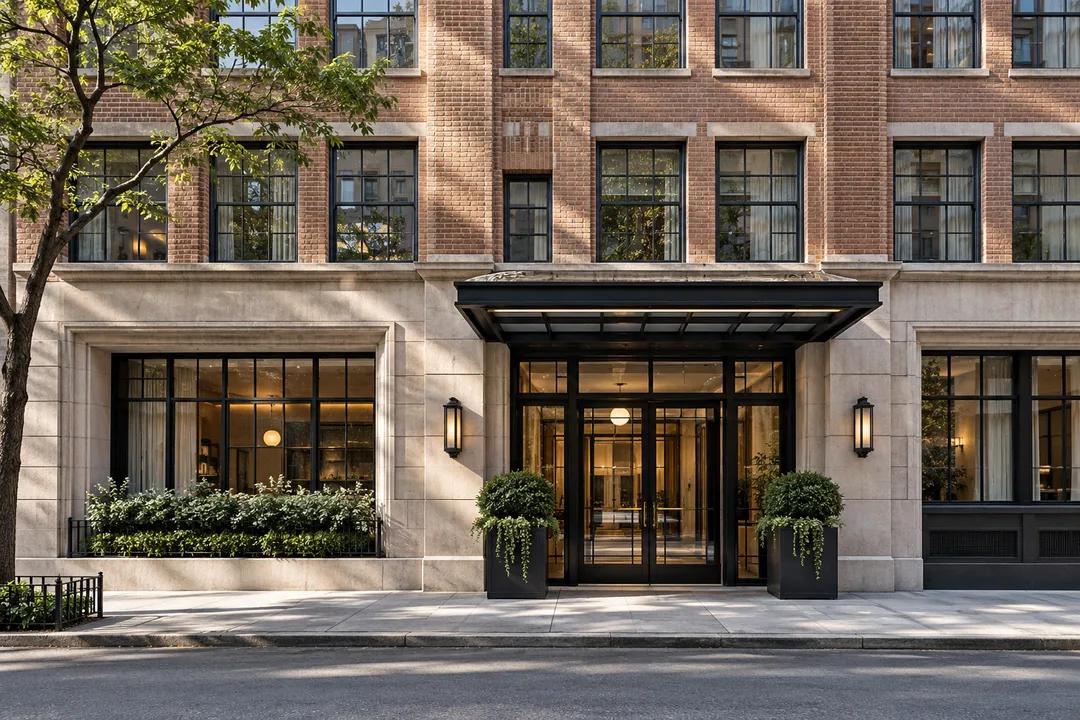
HIIT Class Near Me in NoMad: Athletic Conditioning at Tone House
Tone House at 32 E 31st St delivers 60-minute turf-based athletic conditioning with sleds, resistance bungees, and directional agility drills for $45 per class.
Tone House operates at 32 E 31st St between Madison Avenue and Park Avenue South, running sixty-minute athletic conditioning sessions that test collegiate-level agility and stamina. A single drop-in pass costs $45, while newcomers can book a two-class Rookie Pass for $50 to experience the team-driven environment across back-to-back workouts. If you search for an elite hiit class near me that moves beyond commercial gym routines, this turf facility in NoMad delivers one of the most demanding physical training regimens anywhere in New York City.
The Athletic Turf Training Method
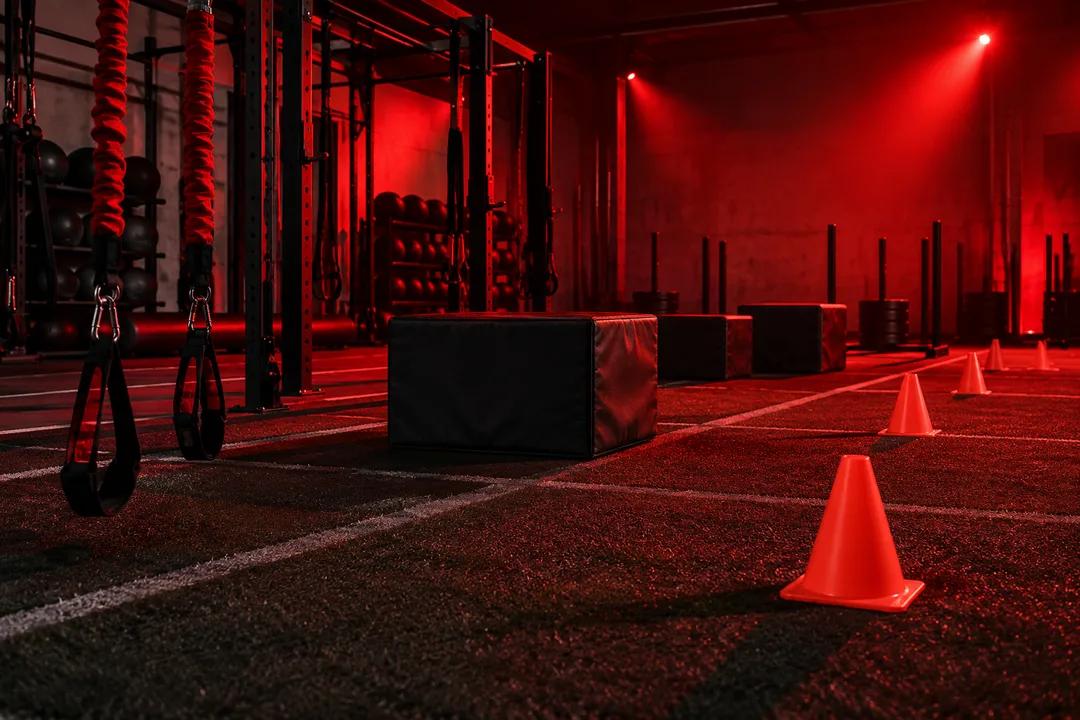
Every workout takes place on a high-density red turf field designed to absorb impact while supporting rapid multidirectional sprints and sled pushes. The session begins with the legendary warm-up, a relentless ten-minute sequence of bear crawls, lateral shuffles, down-and-ups, and sprint stops that elevates your heart rate to near maximum before the main lift begins. Rather than training as isolated individuals, athletes line up in squad formations, cheering on lane partners and slapping the turf together before each sprint set begins.
The training blocks incorporate resistance bungees tethered to structural steel columns, heavy weighted push sleds, agility cones, plyometric boxes, and sandbags weighing up to eighty pounds. Work periods run anywhere from twenty to forty seconds with short recovery windows, simulating the energy demands of fourth-quarter team sports. Daily focuses alternate between upper body power, lower body strength, core stability, and full-field conditioning, ensuring muscular balance across continuous weekly visits.
The harness and bungee station provides a standout test of pure forward propulsion. Athletes strap into padded waist harnesses and sprint into maximum cord tension, working against continuous elastic drag before driving forward into medicine ball slams. This contrast training develops explosive hip extension and athletic drive that standard gym machines cannot replicate.
Founder Alonzo Wilson and Studio Background
The studio requires that all athletes adhere to a firm twelve-hour cancellation window for evening classes and a fourteen-hour window for early morning weekday sessions. If an emergency arises, calling the reception team allows staff to reallocate your spot to waitlisted athletes waiting in the mezzanine lounge. First-timers often find the mental stamina required equally as demanding as the physical output; coaches encourage pacing early intervals at seventy percent intensity so that reserve power remains available during the final four-minute gut-check finisher.
Alonzo Wilson, a former collegiate and professional football player, founded Tone House in 2014 with the goal of bringing authentic varsity team training to everyday urban professionals. His philosophy removes individual mirrors and ego-driven lifting in favor of collective accountability, demanding that every participant complete their repetitions without cutting corners. Over the past decade, the facility has attracted marathon runners, weekend club athletes, and corporate leaders who want functional power that carries over into everyday life.
The coaches on staff carry backgrounds in competitive athletics, from Division I track and field to collegiate rugby and football. They treat class attendees as teammates rather than clients, setting up an atmosphere where encouragement replaces competition. The studio culture centers on shared struggle, turning difficult conditioning blocks into bonding experiences that bring athletes back week after week.
Preparation, Coaching, and Station Etiquette
First-time visitors should arrive twenty-five minutes before class to meet their coach, complete an injury screen, and learn the basic verbal commands used during squad drills. Wear supportive cross-training sneakers with reliable lateral grip; soft running shoes with high stack foam are discouraged because they reduce ankle stability during lateral shuffles. Lockers are controlled by digital codes, and spacious locker rooms provide hot showers, plush bath towels, and grooming toiletries for getting ready post-workout.
Coaches maintain high standards on the turf, offering real-time form corrections on squat depth, posture, and sprinting mechanics. If you experience muscle fatigue, coaches will guide you to modify sprint lengths or lighten sled weight without interrupting your squad's momentum.
The front desk staff will review your signed liability waiver and issue an introductory wristband to ensure coaches keep extra watch over your pacing. Arriving late is prohibited; once the team warm-up begins on the turf, the doors close to prevent injuries caused by cold joints. Expect to sweat profusely, so taking advantage of the complimentary towel stations before hitting the turf is mandatory.
Recovery Protocols and What to Avoid
Given the heavy eccentric strain of turf sprints and sled pushes, proper hydration before arrival is essential. The studio sells electrolytes and chilled water, but bringing your own electrolyte shaker bottle saves time. Avoid jumping immediately into the advanced conditioning sessions without completing at least two introductory rookie classes first. The progressive structure ensures your joints and hamstrings adapt safely to the sudden acceleration and deceleration demands.
Transit Routes and NoMad Neighborhood Spots
Reaching the NoMad studio is seamless using the subway system. The 6 train stops two blocks north at 33rd Street and Park Avenue, as well as three blocks south at 28th Street. The N, R, and W trains stop nearby at 28th Street and Broadway, making Tone House accessible from both the East Side and West Side within a short walk. Citi Bike docks are positioned along East 31st Street directly opposite the studio entrance.
After finishing training, walk two blocks west to Madison Square Park to stretch beneath the mature oak trees with views of the historic Flatiron skyline. For protein-rich recovery meals, Sweetgreen on 27th Street and Broadway serves warm grain bowls with blackened chicken and roasted sweet potatoes. If you prefer specialty coffee, Devocion on 27th Street brews fresh Colombian coffees sourced directly from farm cooperatives, providing an airy brick sunroom to recharge your energy.
For extended recovery, the nearby area houses top-tier physical therapy and cryotherapy clinics along Park Avenue South. Many athletes stop by The Little Beet on 24th Street for customized gluten-free braised beef and roasted broccoli bowls. The neighborhood combines historic pre-war architecture with modern fitness hubs, making it an ideal central destination for weekend training sessions.
For athletes visiting from out of state or traveling across boroughs, the studio provides rental athletic footwear with appropriate flat soles and lateral outriggers for twenty dollars per visit. Complimentary padlocks, chilled eucalyptus face towels, and high-velocity hair dryers are situated throughout the private dressing suites. After a grueling session on the turf, hydration is the top priority, and athletes frequently cross over to Whole Foods Market on East 28th Street for freshly squeezed coconut water and electrolyte recovery beverages.
Ask Karpo for more information.
Keep reading
- Tribeca Bowling Group Night Planner for Wedding Guests
 Flushing Bowling Group Night Planner for Thanksgiving Break
 Bushwick Bowling Group Night Planner After Band Practice