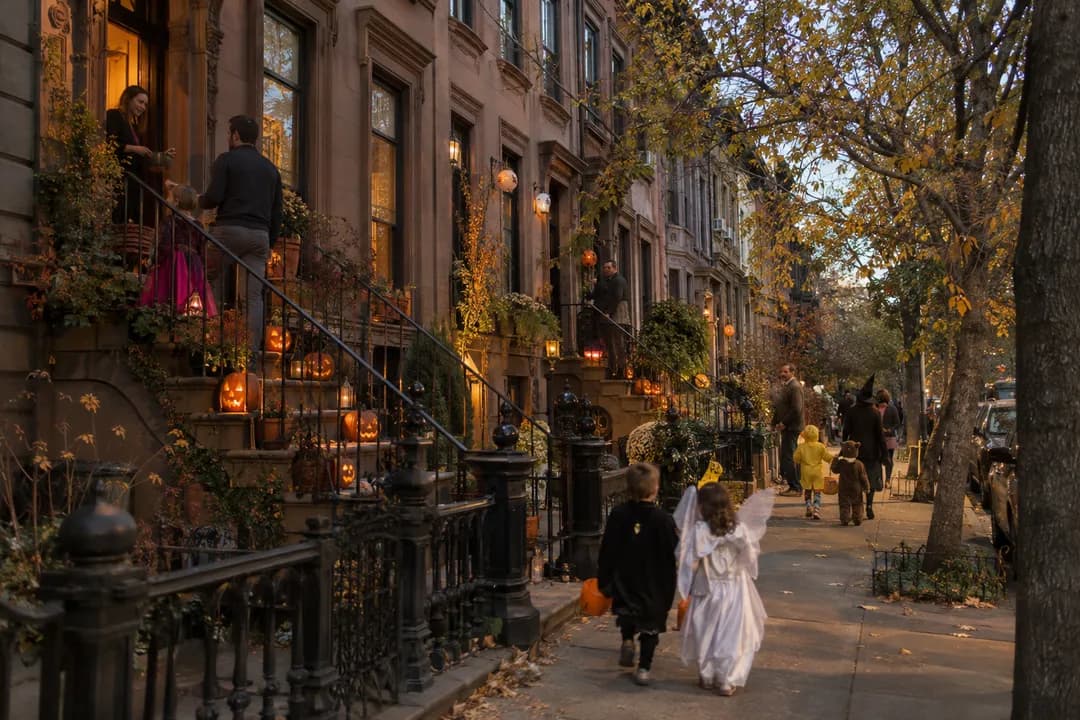
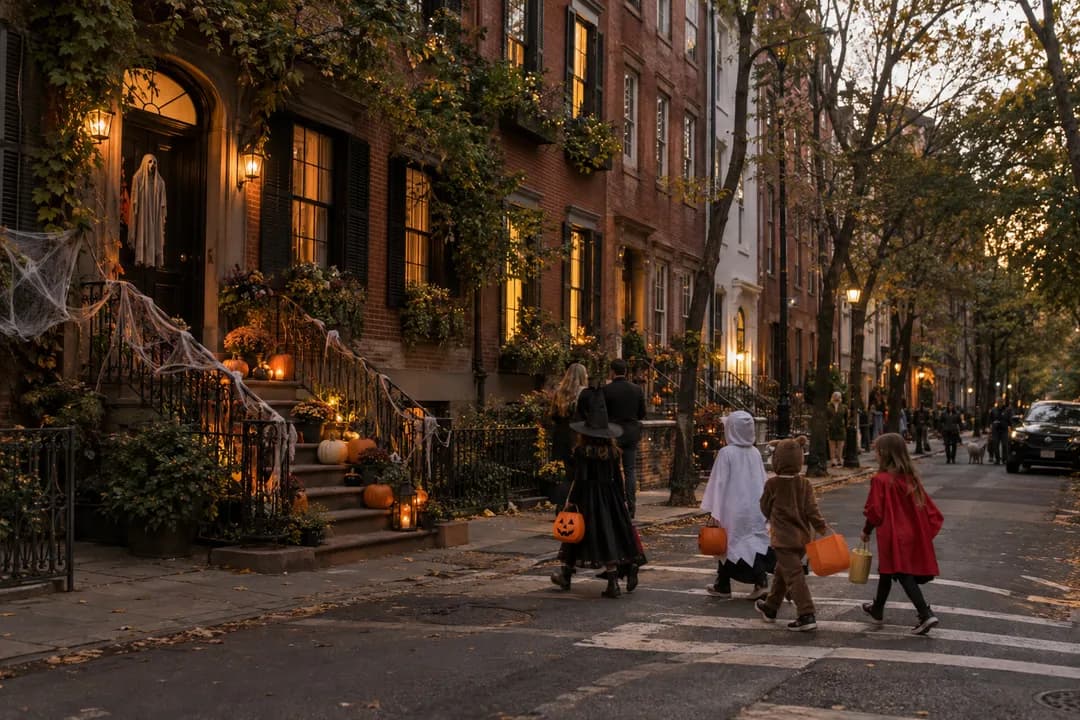
 Best Trick or Treating Neighborhoods Near Me: Park Slope
Neighborhood Guides
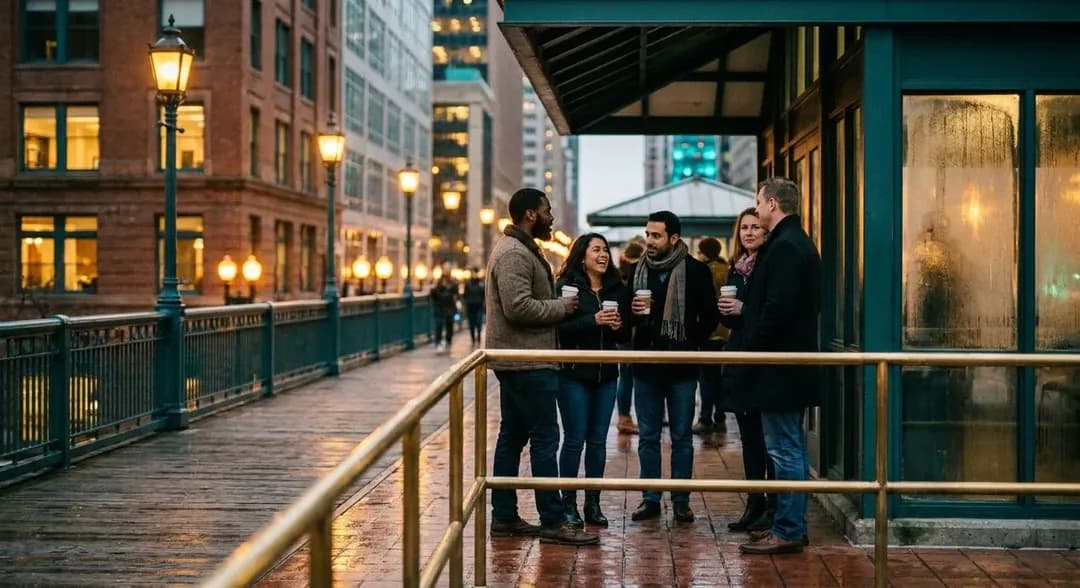
Walking the High Line Before It Closes: 1.45 Miles of Near-Empty Elevated Park
The High Line is open until 10 PM in summer. Arrive in the last hour before closing and the 1.45-mile stretch is almost entirely yours, glowing above a quieting city.
The last hour north
You enter at Gansevoort and Tenth Avenue at 9:15 PM on a Tuesday in summer. The metal gate is still propped open. A single parks employee sits in the small booth, barely glancing up from his phone. Most people don't realize the High Line stays open until ten—tourists have internalized sunset as closing time. Their loss. You have the stairs nearly to yourself, climbing past the last of the Standard Hotel's ground-floor bar crowd, their voices fading as you rise above street level. At the top, the park stretches north like an empty runway. The wooden planks still hold the day's warmth. You can hear your own footsteps.
The Standard looms to your left, its floor-to-ceiling windows glowing in stacked rectangles. Some curtains are drawn. Others frame silhouettes—someone at a desk, someone standing with a drink. You're not spying; the architecture invites it. The building was designed to be seen and to see. At this hour, with the park nearly empty, you become the sole audience to a vertical theater of lit rooms. The hotel's underside, where it straddles the High Line, creates a tunnel of concrete and shadow. Your footsteps echo differently here. Then you're out again, and the West Village spreads to your right in a carpet of low brownstone lights.
The benches at 14th Street

The 14th Street passage widens into a viewing area with angled wooden benches. During the day, every seat is taken. Now you have your pick. A bench on the north end offers the best sightline down the park's southern stretch and across to the illuminated meat-packing district. You sit. The wood is cool now. From here, you can see the whole choreography of late-night traffic on Tenth Avenue below: cabs running lights, delivery trucks double-parked, a single cyclist with a blinking red taillight.
The plantings look different at night. What reads as wild prairie grass in daylight becomes a field of shadows and seed heads catching streetlight. The designers left the original rail tracks exposed in places, and at night they gleam like silver threads. You notice things you'd miss in a crowd: the way the park curves gently, following the old railway's path. The fact that you're thirty feet up but it feels like ground level. The distant hum of the city compressing into white noise. A maintenance cart sits parked near one of the exits, empty. No one comes for it.
The rail yards open up
North of 16th Street, the High Line crosses over the active rail yards. During the day, this section feels industrial, almost harsh. At night, it transforms into something else entirely. The yards spread west in a geometric pattern of tracks and signals, all of it lit by sodium vapor lights that turn everything amber. You stop at the viewing platform—there's a metal railing here, slightly weathered—and watch a single freight train crawl north, its headlight cutting through the dark. The train takes several minutes to pass. You count.
This is where the park's original purpose becomes visible. You're standing on infrastructure that once moved goods into the city. The tracks below still do the same work, just different cargo. At this hour, with no interpretive plaques to read and no tour groups to overhear, the history feels more present, not less. The Standard's lit windows are behind you now. Ahead, the park narrows again, and the plantings grow denser. You can smell them—something sweet and grassy that the day's heat has released. A single moth spirals around one of the pathway lights.
The Whitney keeps watch
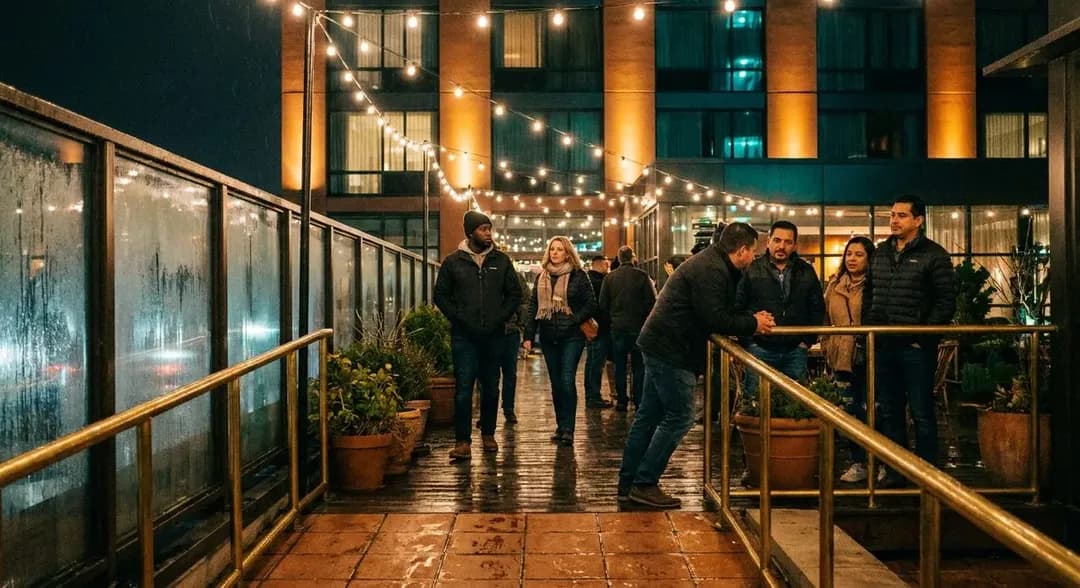
The museum closed hours ago, but its exterior lights stay on all night. The building sits at the base of the High Line like a geometric sentinel, all concrete and cantilevered floors. From the park level, you're nearly even with its upper terraces. The outdoor sculpture court is empty but visible. You can see a large steel piece catching the building's uplights. The museum's windows reflect nothing at this hour, just black glass and interior shadows.
The High Line curves here, following the building's edge, and for a stretch you're walking directly alongside the Whitney's north face. There's a bench at the curve's apex where you can sit and feel the building's mass beside you. The museum's presence changes the park's scale. You're suddenly aware of how narrow the High Line actually is, how it's really just a path, not a plaza. A security guard's silhouette passes behind a ground-floor window. The only other person you've seen in twenty minutes.
Chelsea's dark grid
North of 20th Street, the High Line enters Chelsea proper, and the neighborhood's grid asserts itself. You're walking through a canyon of gallery buildings and former warehouses, most of them dark. A few top-floor apartments show light—someone reading, someone cooking a late meal. The park's lighting is more sparse here, just pools of LED every thirty feet. Your eyes adjust. The shadows between lights become navigable, comfortable even. You pass the 23rd Street overlook where, during the day, tourists photograph the Statue of Liberty's distant torch. Tonight you can't see it. Just the dark Hudson and, beyond it, Jersey City's scattered lights.
The silence isn't complete—you can still hear traffic from Tenth Avenue, a siren somewhere east, the mechanical hum of the Standard's rooftop equipment far behind you. But the park itself is quiet. Your phone shows 9:47 PM. You're making good time. The northern section awaits, where the High Line becomes narrower, more intimate, and the city presses closer on both sides. You keep walking. The planks beneath your feet have a rhythm now, a slight give and creak that marks your progress north. At this pace, you'll reach 34th Street well before closing, as the parks employees begin their final rounds from the south.
Practical notes
The High Line runs 1.45 miles from Gansevoort Street to 34th Street and 12th Avenue, with access points every two to three blocks. Summer hours (April 1–November 30): 7 AM to 10 PM daily. Winter hours: earlier closing times. Check thehighline.org for current hours and maintenance closures. Entry is free. The Gansevoort entrance (at Washington Street) is the southernmost point. The 23rd Street entrance has elevator access. Allow 45-60 minutes to walk the full length at a steady pace, longer if you stop frequently. The park is well-lit but bring a light jacket—it's windier than street level. All benches are first-come seating. The Whitney Museum (99 Gansevoort Street) has varying hours; check in advance. Nearest subway: A/C/E to 14th Street or 7 to 34th Street-Hudson Yards. Restrooms available at 16th Street. No bikes or skateboards allowed. Dogs permitted on leash.
Tags: #HighLine #NYCAfterDark #LateNightWalk #MeatpackingDistrict #ChelseaNYC #TheStandardHotel #WhitneyMuseum #NYCParks #WestSideStory #ElevatedPark #LateNightNYC #HudsonYards #UrbanHiking #NYCInsider #TheWayHome
Sources consulted: thehighline.org · nycgovparks.org
All trademarks are the property of their respective owners.
Ask Karpo for more information.
Keep reading
- Best Trick or Treating Neighborhoods Near Me: Park Slope
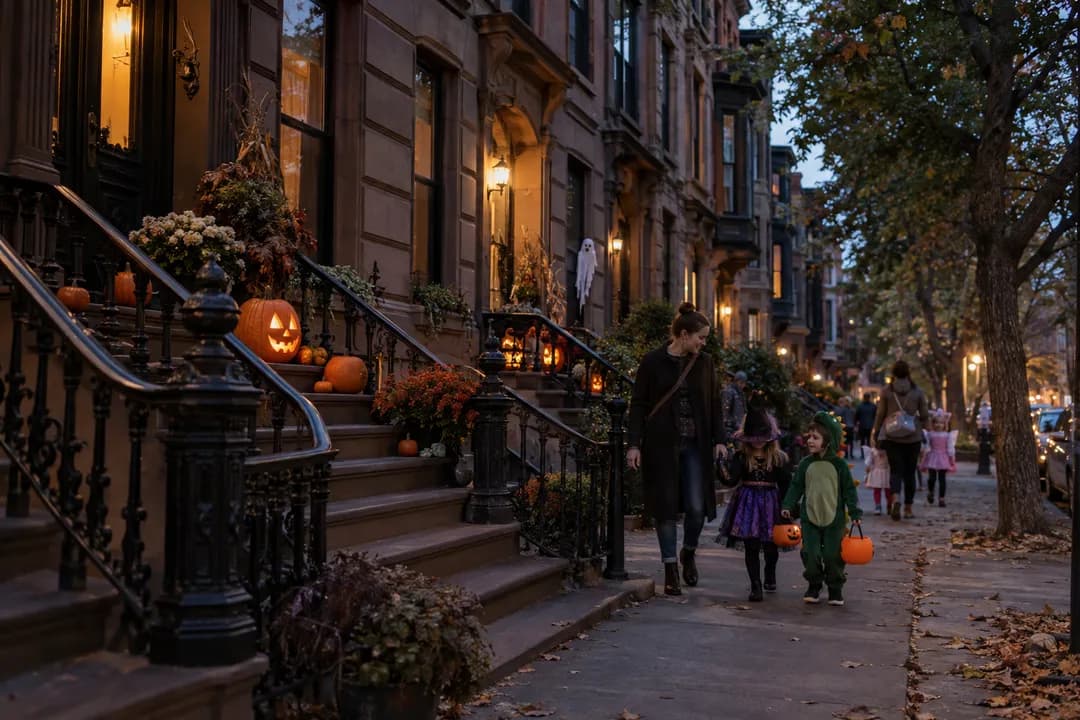 Best Trick or Treating Neighborhoods Near Me: Carroll Gardens
 Best Trick or Treating Neighborhoods Near Me: West Village