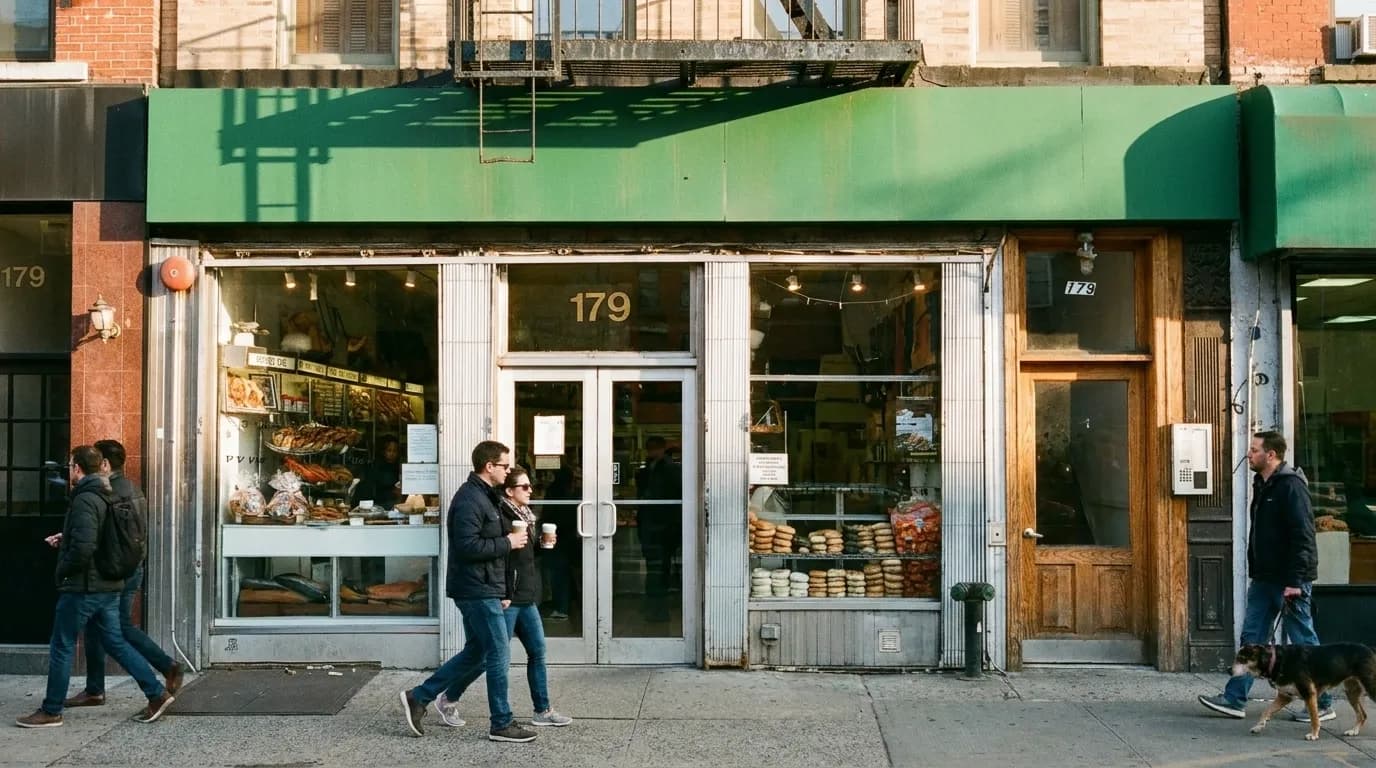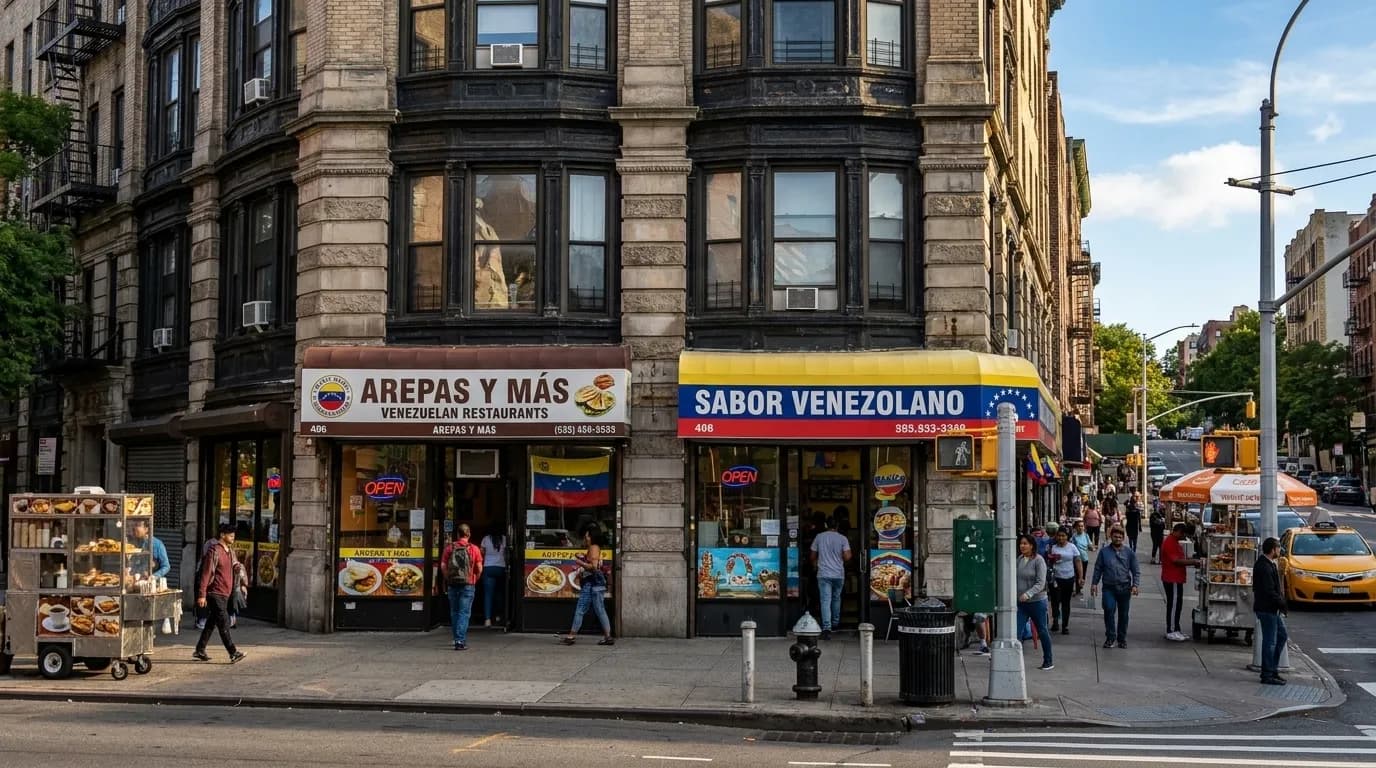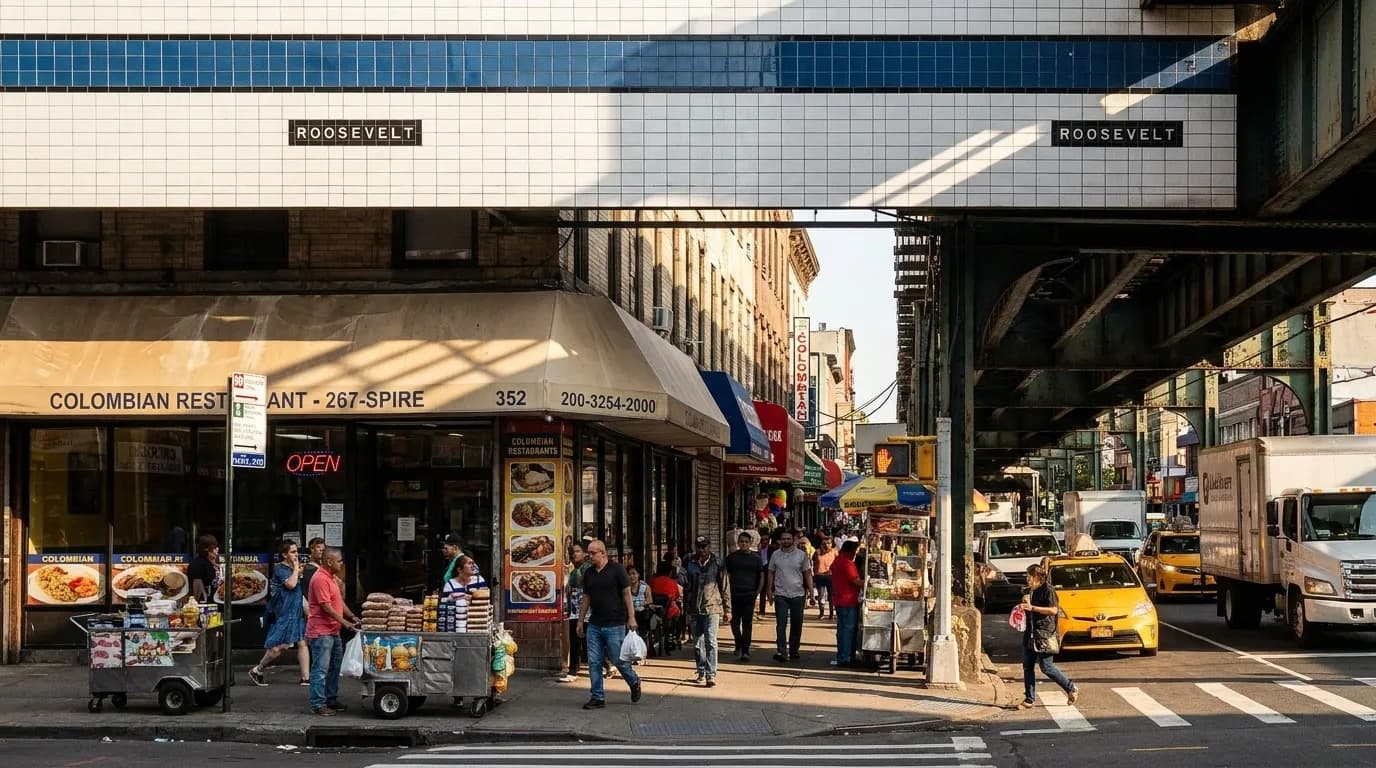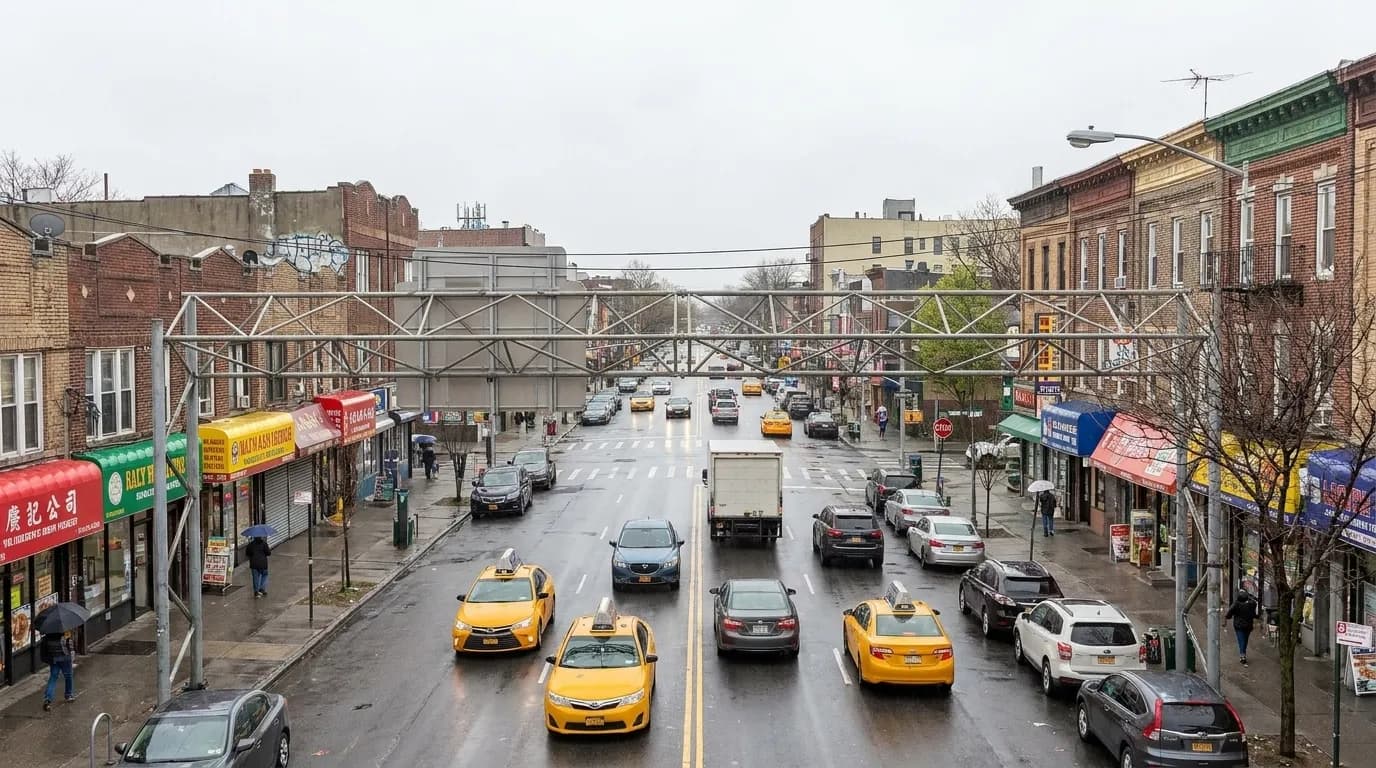
The restaurant guides all draw from the same handful of publicists, the same opening-week invite lists, the same Instagram tagging patterns. That feedback loop works great if you want to wait ninety minutes for a table at a place that just landed venture funding. It works less well if you want to eat like someone who's been riding the 7 train for twenty years. These four spots represent a different kind of New York dining—places where the food is legitimately excellent, prices haven't drifted into absurdity, and nobody's trying to build a media brand around dumplings or fried fish.
Karpo keeps a running list of spots like these—places that feed neighborhoods, not algorithms. Ask about anything open right now.

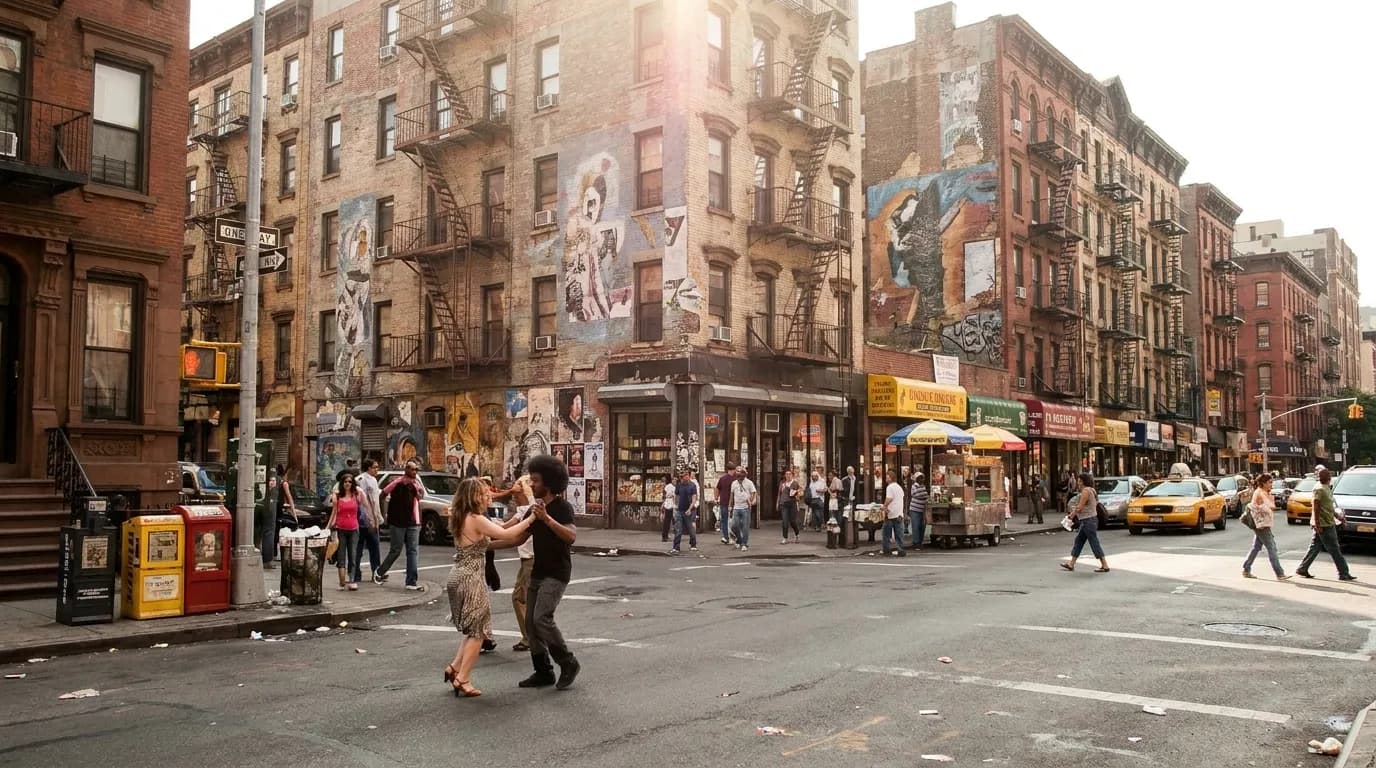
Casa Adela, Loisaida
This Puerto Rican lunch counter on Avenue C has been feeding the neighborhood since 1972, back when Loisaida was a word you had to explain to people from uptown. The dining room is tight—seven tables, fluorescent lighting, a handful of regulars who've been coming here longer than you've been alive. The kitchen opens early and runs until mid-afternoon, serving the kind of food that held together a working-class community through decades of displacement and rising rents.
Order the mofongo, which arrives as a dense, garlicky mountain of mashed plantains topped with your choice of pernil, chuleta, or shrimp in a savory broth. The pork is fork-tender, the portions are enormous, and nothing on the menu breaks twelve dollars. The women running the place will correct your Spanish and ask if you want more sauce. Go before noon on weekdays if you want a table to yourself; after twelve-thirty it's standing room only until the rice runs out.
Lhasa Fast Food, Jackson Heights
Tucked into a second-floor food court on 74th Street, this Tibetan spot serves some of the best momos in the city to an audience that's ninety percent Himalayan immigrants and ten percent people who stumbled upstairs looking for the bathroom. The space is utilitarian—shared tables, a small kitchen window, zero décor—but the dumplings are exceptional. The beef momos are pan-fried to order, crispy on one side, juicy in the center, served with a chile sauce that builds slowly.
The thukpa is equally good, a hand-pulled noodle soup with vegetables and your choice of protein that costs around seven dollars and will carry you through the rest of the day. Order at the counter, take a number, and wait. The kitchen is not fast despite the name. Locals know to call ahead if they're picking up; walk-ins should plan on fifteen to twenty minutes. The food court itself is worth exploring—there's a Nepalese counter, a Bengali sweet shop, and a grocery selling hard-to-find Himalayan staples downstairs.
Punjabi Grocery & Deli, Lower East Side
This Houston Street storefront has been serving steam-table Indian food to cab drivers, students, and night-shift workers since 1989. The setup is dead simple: a row of metal trays behind a sneeze guard, a small seating area with a handful of stools, and a price point that hasn't moved much in a decade. You can eat a full meal here for under six dollars. The menu rotates daily but always includes several curries, rice, dal, and a couple of vegetable dishes. The chana masala is reliably excellent, as is the saag paneer when it's on offer.
The deli is open twenty-four hours, which makes it a vital resource if you're wandering the Lower East Side at three in the morning and need something hot that isn't pizza. The crowd is eclectic—post-shift service workers, late-night regulars, the occasional lost tourist. Grab a plate, point at what you want, pay at the register, and eat standing at the narrow counter along the wall. There's no atmosphere to speak of, just good food served without ceremony to people who need it.
Astoria Seafood, Astoria
This fish market and restaurant hybrid sits on a quiet stretch of Astoria near the Triborough Bridge, where the neighborhood still feels more like a Greek fishing village than a Brooklyn overflow zone. Walk in and you're standing in a working seafood counter—whole fish on ice, live crabs in tanks, shellfish by the pound. The restaurant portion is in the back: a handful of tables, paper placemats, and a menu that's essentially "pick any fish from the case and we'll cook it however you want."
The grilled branzino is a safe bet, but the real move is to ask what came in that morning and go with whatever the counter guy recommends. They'll weigh it, price it by the pound, and grill it whole with lemon, olive oil, and oregano. Sides are simple—Greek salad, roasted potatoes, grilled vegetables. The fish is impeccably fresh and the cooking is straightforward, which is exactly the point. Locals come here with out-of-town family when they want to prove New York can still do simple things well. Expect to pay around twenty to thirty dollars per person depending on what you order, which is a borderline miracle given the quality. Cash only, and the wait can stretch on weekends, but they'll sell you a beer while you stand outside.
Why these places stay under the radar
None of these spots have publicists, Instagram-friendly interiors, or tasting menus. They don't take reservations through the apps everyone uses, and they're not trying to scale into multi-location brands. Casa Adela still uses a handwritten paper menu. Punjabi Grocery doesn't have a website. Astoria Seafood's idea of marketing is a chalkboard on the sidewalk. That lack of polish is part of the appeal, but it also means they don't show up in the same recommendation engines that surface the newest natural-wine bar or reservation-only omakase counter.
These are the places that feed the city's working backbone—the people who can't afford to spend forty dollars on lunch, who need dinner at midnight, who want a meal that tastes like home. They survive because they're embedded in their neighborhoods, not because they're chasing media coverage. That makes them harder to find, but it also means they're not going to change the menu or double the prices the week after some outlet runs a breathless feature.
Practical notes
Casa Adela is cash-only and closes by late afternoon; plan for lunch. Lhasa Fast Food is on the second floor of a building that's easy to walk past—look for the staircase between storefronts. Punjabi Grocery takes cards but the ATM is often broken; bring cash to be safe. Astoria Seafood is cash-only, no exceptions, and the nearest ATM is two blocks away. For transit, Casa Adela is a short walk from the F at 2nd Avenue. Lhasa Fast Food is right off the 7 at 74th-Roosevelt. Punjabi Grocery is between the F/M at 2nd Avenue and the B/D at Grand. Astoria Seafood requires a walk from the N/W at Astoria Boulevard or a short cab ride from the train. None of these places take reservations. Go early or off-peak if you want to avoid a wait.
Tags: #nyc #hiddengems #localfood #cheapeatsnycnyc #casaadela #lhasafastfood #punjabigrociery #astoriaseafood #queensfood #lowereastside #jacksonheights #infatuation #noreservations #cashonly #authenticnyc
All trademarks are the property of their respective owners.
Ask Karpo first
Karpo tracks the New York spots that don't need hype to stay good—the neighborhood anchors, the family operations, the places locals protect by not posting about them too much. Next time you're hungry and tired of seeing the same names in every guide, ask. We'll send you somewhere real.