 Crown Heights Rainy Day Kids Activity Finder for Toddlers
Weekend Plans
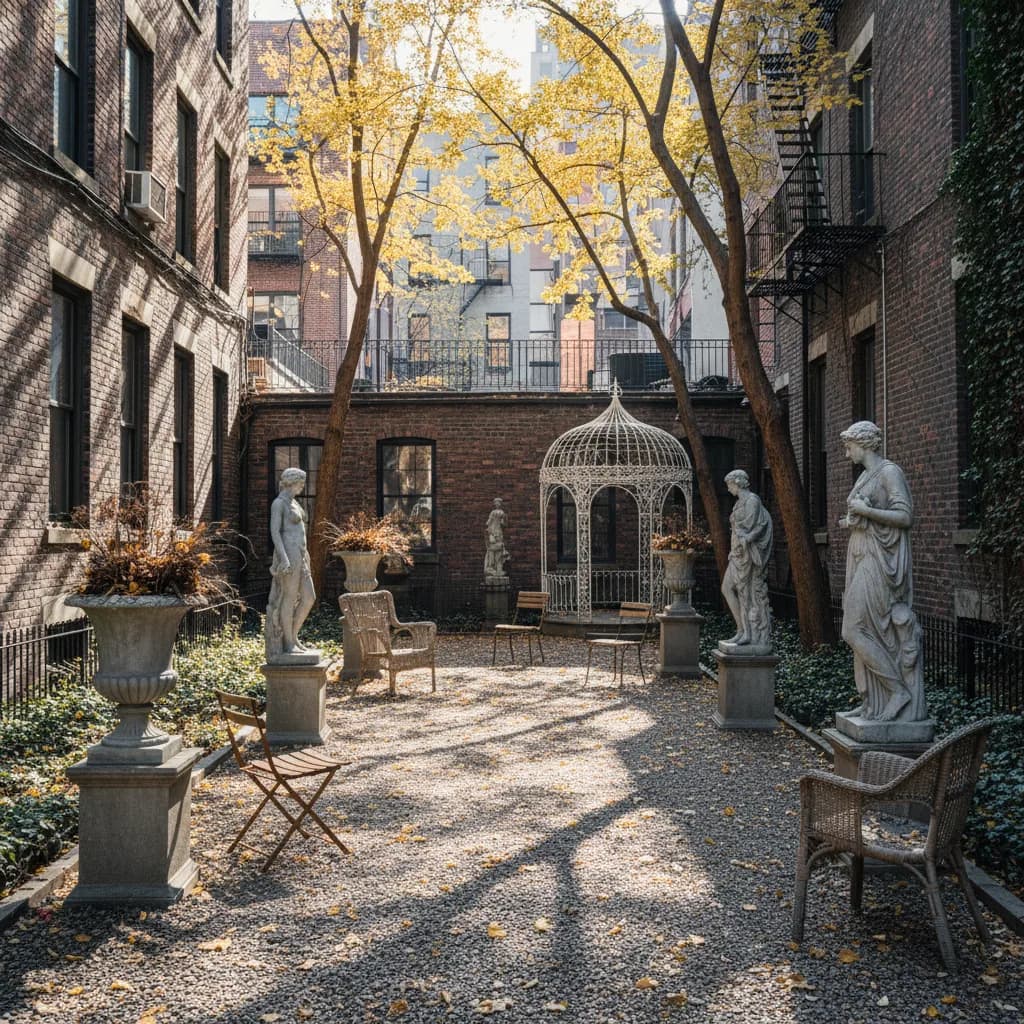
SoHo Hidden Courtyard Garden: The Sculpture Lot Next Door
SoHo's nearest hidden courtyard garden is Elizabeth Street Garden in Nolita, a free sculpture garden between Prince and Spring. Here is how to fit it in.
SoHo itself has almost no garden space, because its cast-iron blocks were built wall to wall for warehouses. The closest true hidden courtyard garden is Elizabeth Street Garden, a free public sculpture garden on Elizabeth Street between Prince and Spring Streets in Nolita, roughly a five-minute walk east of Broadway. After years of court fights, the city designated the lot as parkland and the developer dropped its lawsuit in August 2026, so the garden is staying open to the public.
Why SoHo Visitors End Up on Elizabeth Street
Walk any stretch of Greene, Mercer or Wooster Street and you will see why people search for a garden here. The facades are beautiful, the sidewalks are crowded with shoppers, and there is nowhere to sit that is not a cafe chair. The few green patches west of Broadway are playground triangles rather than gardens, which is why Elizabeth Street, a short walk past Lafayette, has become the default escape.
The garden fills a lot that sat empty for decades before Allan Reiver, who ran an antiques and garden-ornament gallery next door, leased it from the city in 1991 and filled it with stone statues, columns and urns. That origin explains its look. It feels less like a park and more like a stonemason's yard that went wild, with lions, cherubs and balustrades half buried in planting.
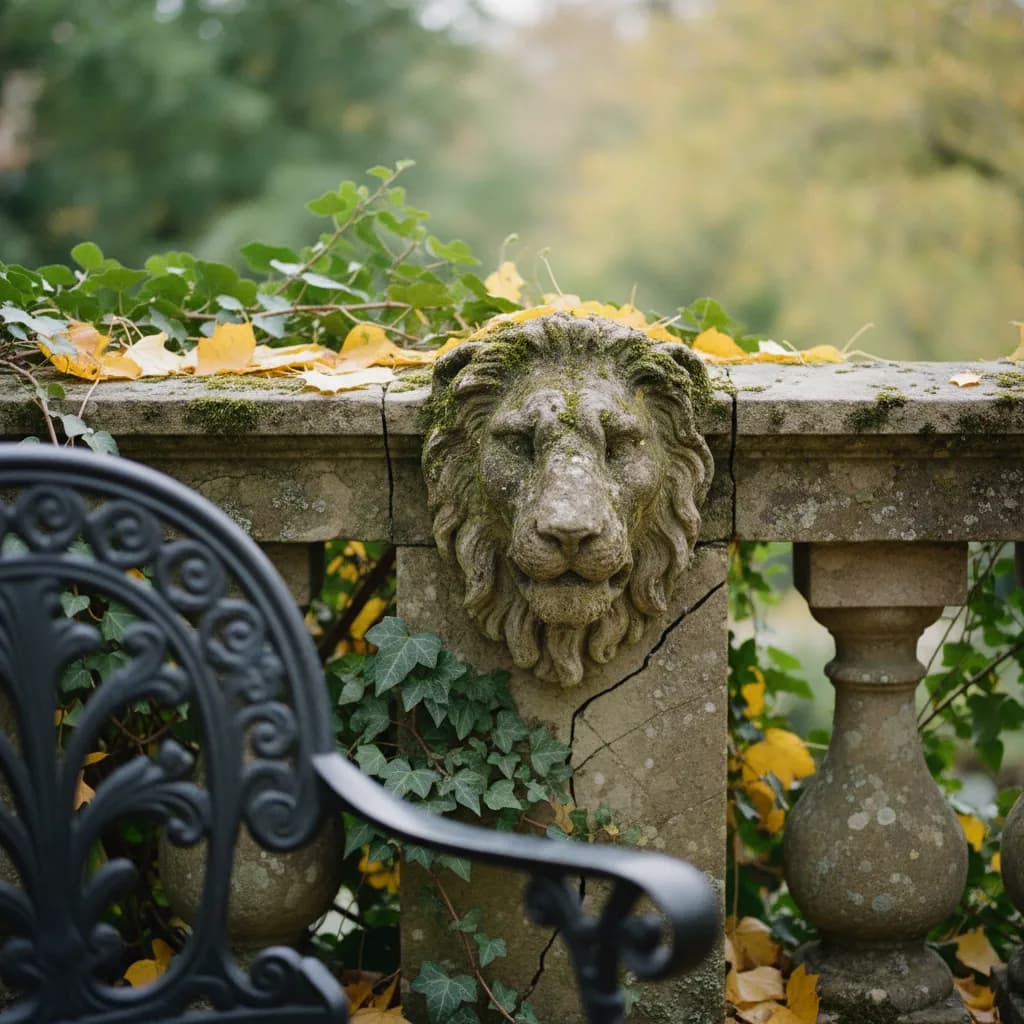
What You Find Behind the Elizabeth Street Gate
The garden runs back from Elizabeth Street toward Mott Street, long and narrow, with a lawn in the middle, gravel paths, and a small gazebo that photographers crowd around in spring. Statues sit everywhere, some on plinths and some simply on the grass. Mismatched chairs and benches are scattered so you can pick sun or shade, and there are no tables to claim, which keeps the mood unhurried.
The people here are a Nolita mix: residents with toddlers, office workers with sandwiches, sketchers drawing the statues, and volunteers in work gloves on maintenance days. Volunteers run free events through the year, from readings to children's activities, and those programs are listed on the garden's own website. On event afternoons the lawn fills, so if you want quiet, go on a weekday morning instead.
Timing a Visit Around SoHo Crowds
The trick is to treat the garden as a break in the middle of a SoHo day rather than a destination at the end. Shop or gallery-hop west of Broadway in the morning, when Prince Street is still manageable, then cut east for an hour in the garden before lunch. By early afternoon on Saturdays the Broadway sidewalks are at their worst, and that is exactly when a bench among the statues feels most valuable.
Skip the garden on the first warm Saturday of spring if you dislike crowds, because that is when the whole of downtown seems to arrive at once. Autumn weekdays are the sweet spot: fewer visitors, golden leaves on the paths and enough sun to sit outside comfortably. In winter the garden is still there, but the planting is bare and the statues become the whole show.
Weather decides more than the calendar does. The garden has almost no cover beyond the gazebo and the tree canopy, so a drizzly day leaves you with wet chairs and nowhere dry to sit. On those days, browse the bookshops and galleries of SoHo first and save the garden for the following morning, when the gravel has drained and the stone looks darker and richer in photographs.
Two More Quiet Corners Nearby
If Elizabeth Street is full, keep walking two blocks to the Basilica of St. Patrick's Old Cathedral on Mulberry Street. Its churchyard is enclosed by a tall brick wall that is one of the most photographed walls in downtown Manhattan, and while the yard inside opens mainly for organized tours, walking the wall along Mott and Mulberry is a calm detour in itself, with far fewer shoppers than Broadway.
On the west side of SoHo, Spring Street Park where Spring Street crosses Sixth Avenue offers trees and benches in a small public triangle. It is not hidden and it is not a courtyard, but it is the most convenient place west of Broadway to sit outside. Use it as a rest stop if your walk ends near the C and E trains on Spring Street.
Letting Karpo Shape the Afternoon
Open the Karpo APP and tell it what the day looks like: in SoHo until four, want an outdoor place to sit for forty minutes, then an early dinner nearby, travelling with a friend who hates crowds. Karpo responds with options and an order that fits, so the garden lands at the right moment instead of becoming a rushed stop. You can ask it to compare the garden with indoor alternatives if the forecast turns.
Karpo does not watch the garden gate and cannot tell you how many people are on the lawn right now. It also cannot reserve anything, and the garden does not take reservations anyway. What it does well is planning: matching your time, mood and company to real places nearby, then adjusting when you tell it a spot was busier than expected or that rain is coming in.
A Simple SoHo to Nolita Garden Walk
Start at the Prince Street station on the R and W lines and walk east along Prince Street past Broadway and Lafayette. Turn right onto Elizabeth Street and the garden gate appears mid-block on your right. Allow forty-five minutes to wander the statues and sit, then exit and continue to Mott Street, where small shops and cafes line the narrow blocks running north toward Houston.
Loop back past the Old Cathedral wall on Mulberry Street, then head west on Spring Street through SoHo to finish at Spring Street Park near Sixth Avenue. The whole circuit is about a mile and a half and easy at a slow pace. Leave the dog at home for the garden part and carry any food out with you, since the volunteers keep the space clean without a dedicated maintenance staff.
Ask Karpo for more information.
Keep reading
- Crown Heights Rainy Day Kids Activity Finder for Toddlers
 Jackson Heights Rainy Day Kids Activity Finder for Siblings
 Lower East Side Rainy Day Kids Activity Finder by Stroller