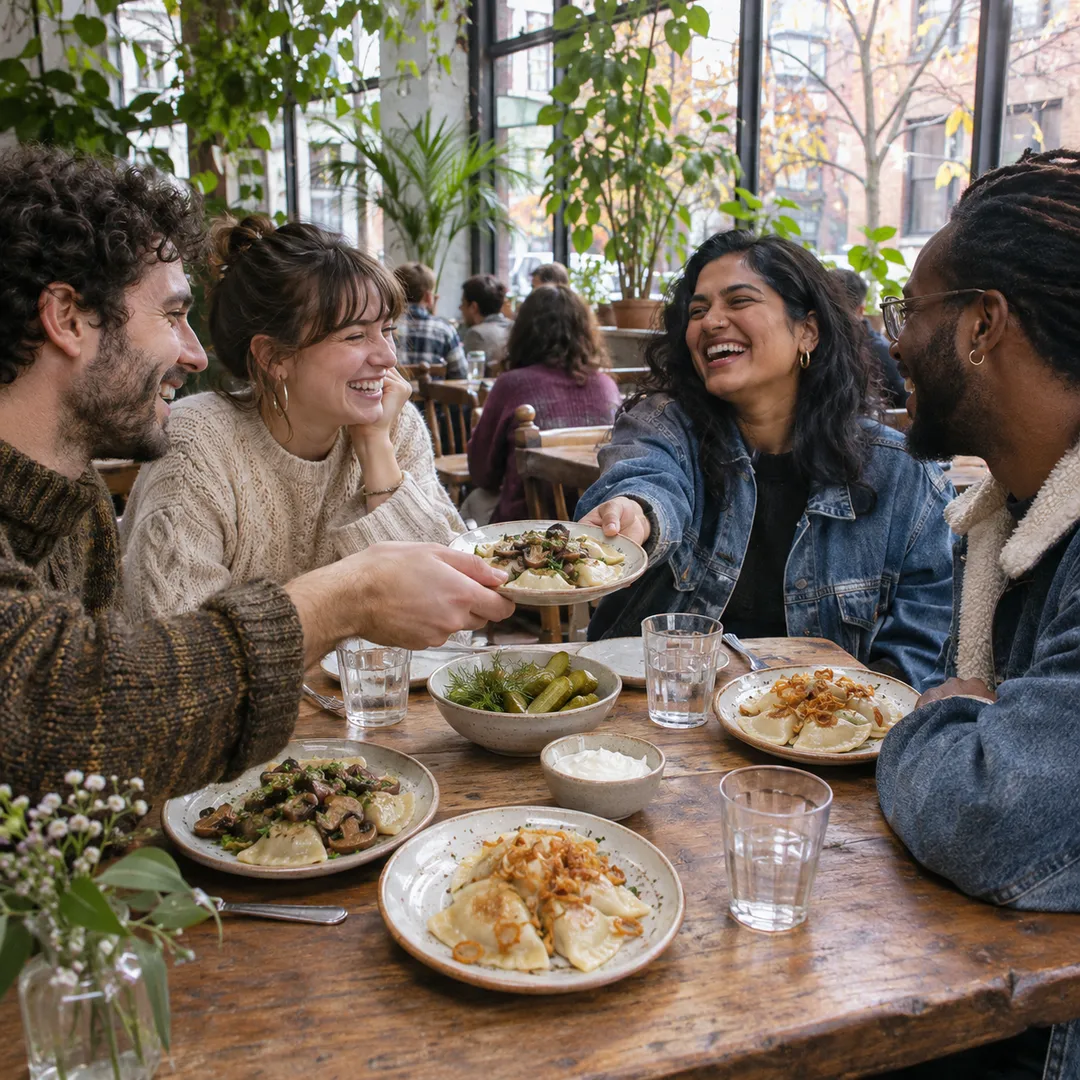
 Williamsburg Pierogi Lunch Spot Picker for Mixed Diets
Restaurants
West Village Heritage Food Court Finder: Chelsea at 7 AM
From the West Village, Chelsea Market at 75 Ninth Avenue is a short walk north, open 7 AM to 10 PM inside the old Nabisco factory where the Oreo was first sold.
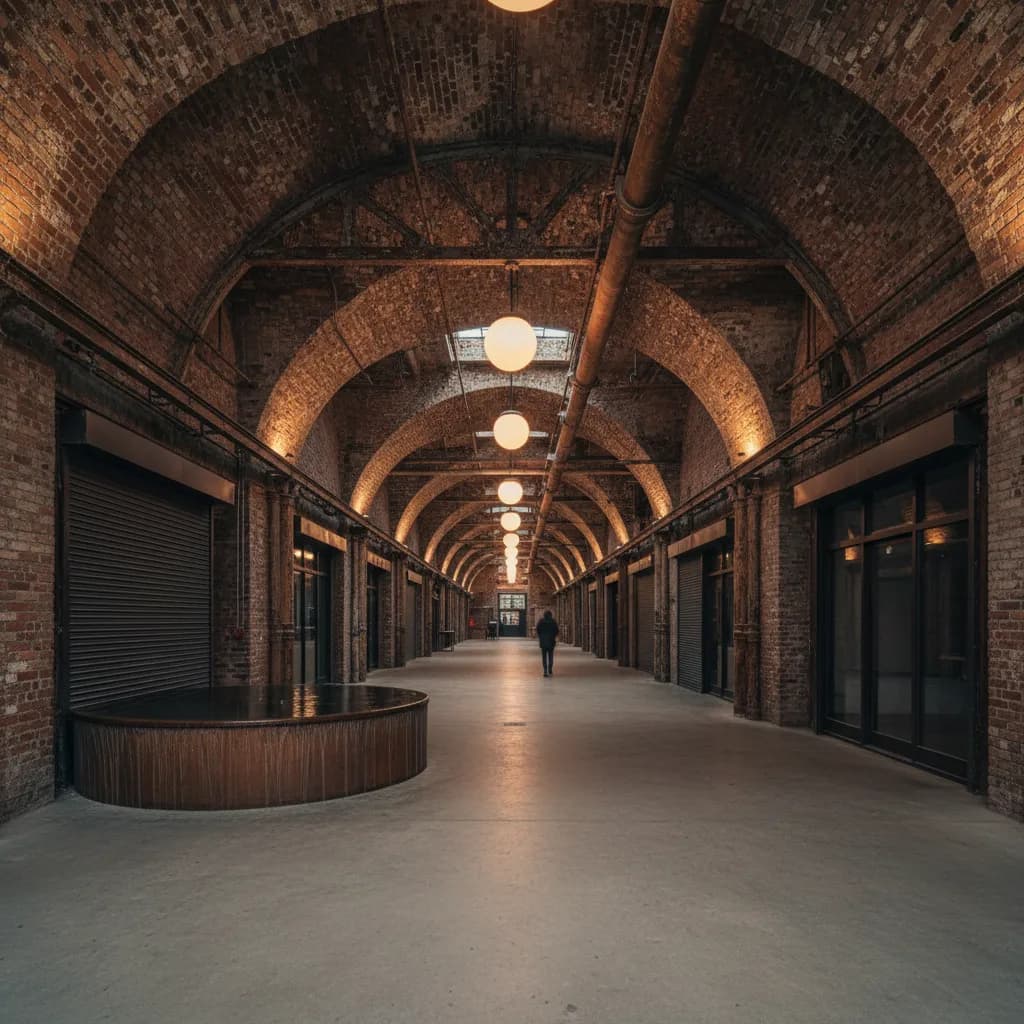
The West Village has no market hall of its own, but the city's best-known heritage food court is only a short walk north. Chelsea Market fills the block at 75 Ninth Avenue, between 15th and 16th Streets, and its official site lists the concourse as open from 7 AM to 10 PM. The building is the former National Biscuit Company factory, where the first Oreo was sold in March 1912, which makes it the obvious pick when someone in the Village asks for a heritage food court finder answer within walking distance.
The Walk Up From Bleecker Street
Start anywhere along Bleecker or Hudson Street and head north toward Gansevoort Street, where the Village grid gives way to the cobbled lanes of the Meatpacking District. Ninth Avenue begins just above, and the market entrance sits on the west side of the avenue a few blocks further up. The route runs through two former industrial districts in one stroll, and it explains the building before you reach it: this whole edge of Manhattan was warehouses, rail sidings and meat lockers long before it was a dining destination.
If you would rather ride, the A, C, E and L trains stop at 14th Street and Eighth Avenue, two short blocks east of the market. From the Christopher Street station on the 1 train, the walk is a little longer and passes more of the old Village rowhouse streets. Either way, plan to enter from Ninth Avenue and leave through the Tenth Avenue side, which opens toward the High Line.
How a Biscuit Factory Became a Food Concourse
Nabisco assembled its Manhattan bakery complex block by block from the 1890s, and the company kept baking here until it left the city in 1958. Developer Irwin Cohen bought the buildings in the 1990s and reshaped the ground floor into a market while keeping the brick, the factory pipes and the uneven floors. The Lobster Place moved in as the first tenant in 1996, and Amy's Bread opened in the spring of 1997, two names that still anchor the concourse today.
The ownership story kept moving after that. Jamestown acquired the property in 2003, and Google closed on a $2.4 billion purchase of the building in March 2018, with offices filling the floors above the food hall. None of that changes the visit for a hungry walker, but it does explain why the market feels part civic landmark and part corporate campus, with office badges at lunch and tourists at every other hour.
What to Eat on an Early Visit
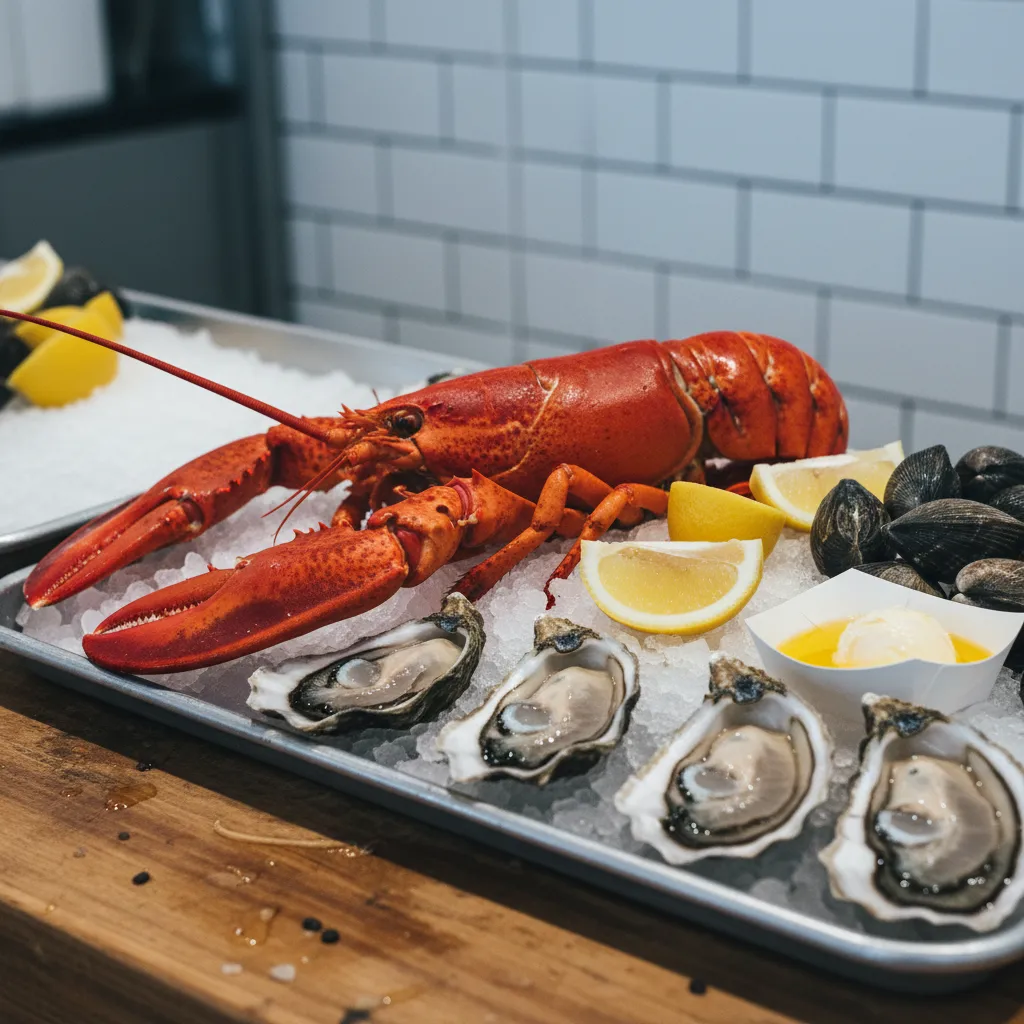
Opening time is the reason to make the walk. At 7 AM the long concourse is mostly quiet, a handful of bakery and coffee counters are already working, and you can actually see the old factory bones without dodging strollers. Amy's Bread is the classic first stop for a breakfast pastry or a loaf to carry home. Later in the morning, the Lobster Place counter becomes the market's busiest spot, so grab a steamed lobster or a few oysters before the lunch wave arrives.
The official directory also lists Mokbar for Korean ramen, Dickson's Farmstand for butcher-counter sandwiches and Eat Offbeat, which works with chefs who arrived in New York as refugees. Mixing one plate from each kind of counter is the best way to use a multi-vendor hall. Pearl River Mart is a store rather than a food stall, but its Asian groceries and housewares make a good browse while a friend waits in a longer line.
When to Skip It and Where to Go Instead
Avoid Saturday afternoons unless you enjoy crowds. Weekend tour groups move through the concourse in packs, the narrow aisles back up around the most photographed counters, and seating disappears. If you arrive to a wall of people, walk back south to the Village and eat at a neighborhood counter instead, or ride the L and F trains to Essex Market at 88 Essex Street on the Lower East Side, a municipal public market from 1940 that keeps a stronger grocery character and draws a more local crowd.
The best weekday window after breakfast is the hour between 10 and 11, when the office crowd from the floors above has not yet come down and most counters have finished their morning prep. That is the moment to order something that takes a few minutes to cook, such as a bowl of ramen or a hot sandwich, because nobody behind you is in a hurry yet. The worst is the stretch right after noon on a weekday, when lines from the offices and the High Line foot traffic meet in the middle of the building.
Reading the Building as You Walk
Look up as much as you look at the counters. The ceilings still carry the pipes and beams of a working bakery, and the renovation deliberately left much of the factory fabric rough and visible. Small details reward a slow pace: the shifts in floor level between the buildings that were joined together, the old freight openings, and the industrial water feature that greets you near the Ninth Avenue entrance. The Tenth Avenue end connects to the High Line, which passes along the west side of the complex.
Back to the Village by the High Line
The cleanest way home is to exit on the Tenth Avenue side, climb to the High Line and walk south to its Gansevoort Street end beside the Whitney Museum of American Art. From there the Village is a few minutes away on foot. That loop, Bleecker Street up Ninth Avenue, through the factory and back along the elevated park, turns a food stop into a two-hour walk through three eras of the West Side waterfront.
Practical Notes for Chelsea Market
The address is 75 Ninth Avenue, and the concourse runs 7 AM to 10 PM according to the market's homepage, with individual shops setting their own hours inside that window. Entry is free. Restrooms and seating are shared and fill quickly at lunch, so an early or late visit is more comfortable. Save Chelsea Market in the Karpo APP alongside your other West Village food spots, and the next time a friend asks where to find a historic food hall nearby, you will have the answer and the walking route ready.
Ask Karpo for more information.
Keep reading
- Williamsburg Pierogi Lunch Spot Picker for Mixed Diets
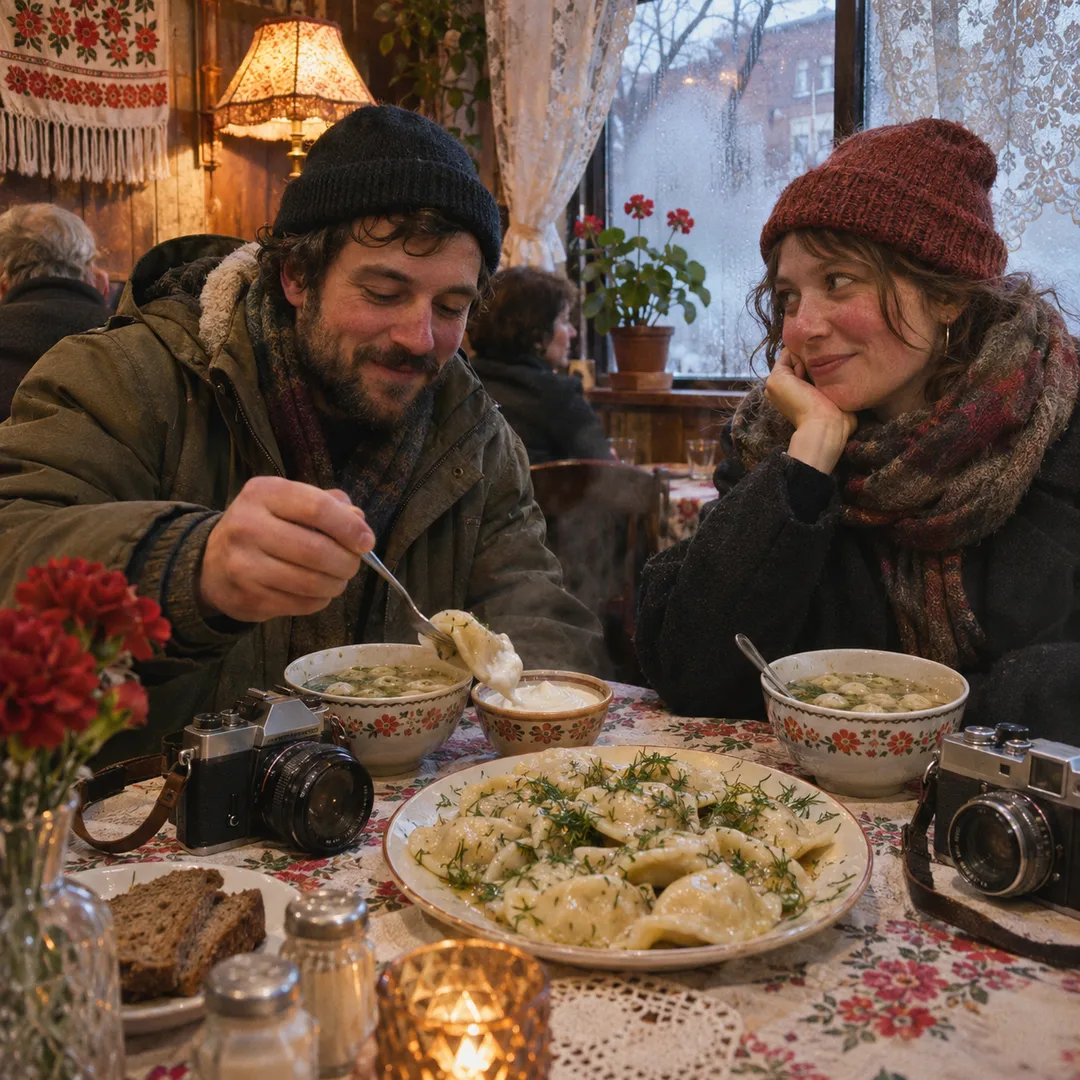 Brighton Beach Pierogi Lunch Spot Picker for Photographers
 Ridgewood Pierogi Lunch Spot Picker for Apartment Hunters