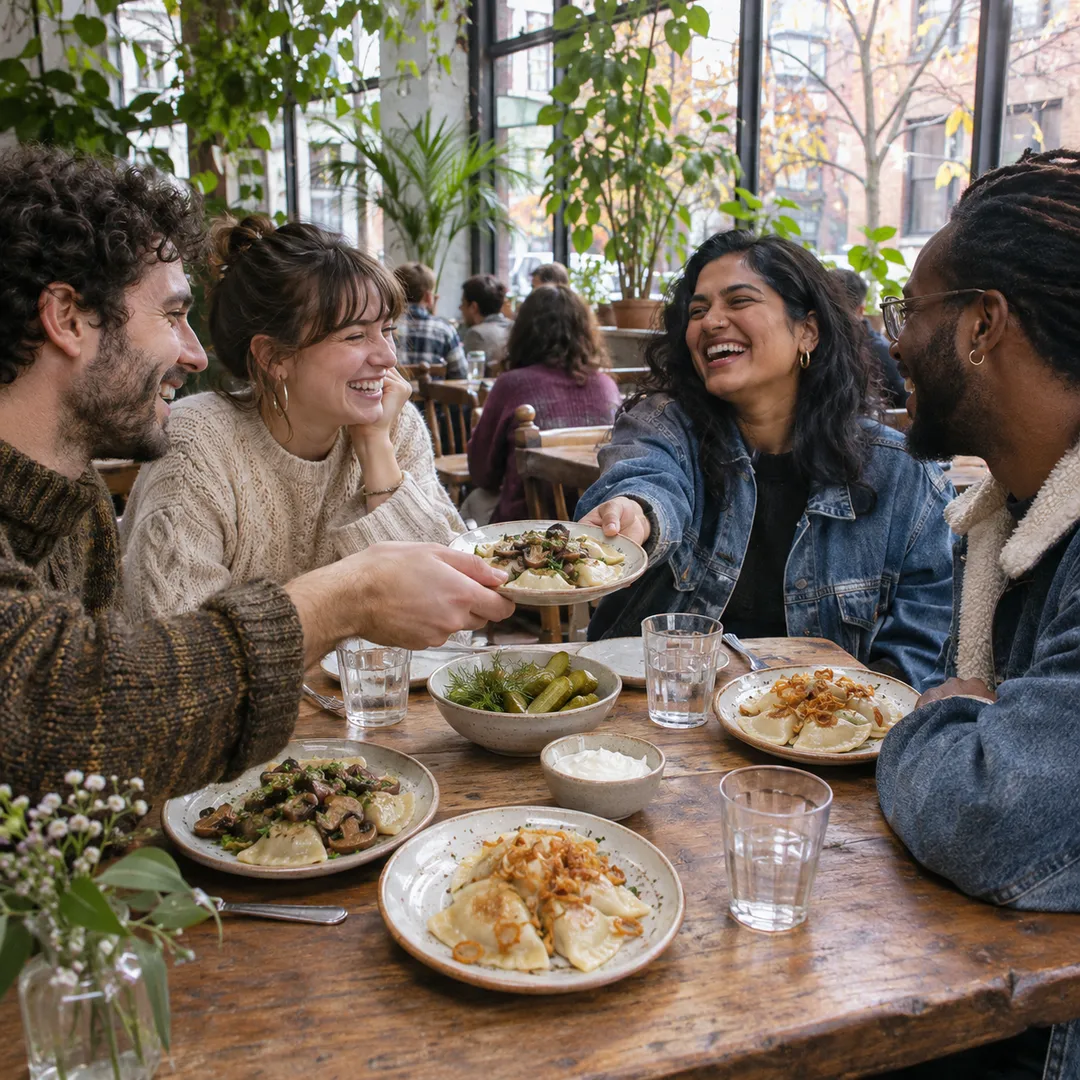
 Williamsburg Pierogi Lunch Spot Picker for Mixed Diets
Restaurants
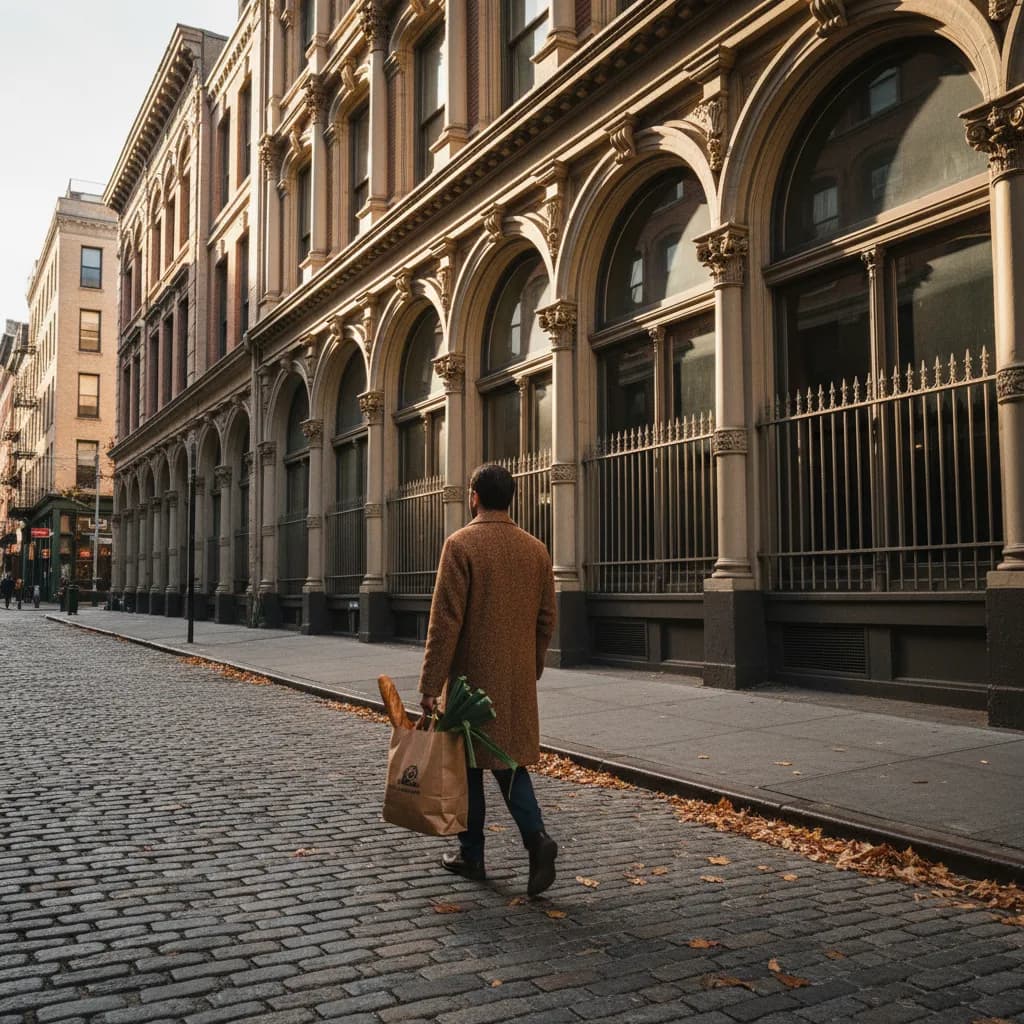
SoHo Heritage Food Court Finder: 3 Historic Halls by Subway
SoHo has no market hall, but Essex Market, Chelsea Market and Moore Street Market are each two or three subway stops away. Here is which fits your free hour.
SoHo itself has no historic market hall, so a heritage food court finder search from Broadway or Prince Street really means choosing a short ride. Three working candidates sit within two or three subway stops: Essex Market at 88 Essex Street, opened as a city market in 1940, Chelsea Market at 75 Ninth Avenue inside the former Nabisco bakery, and Moore Street Market at 110 Moore Street in Brooklyn, running since 1941. Each suits a different kind of free hour, and the right pick depends on what you want from lunch.
Why the Cast-Iron District Never Got Its Own Market
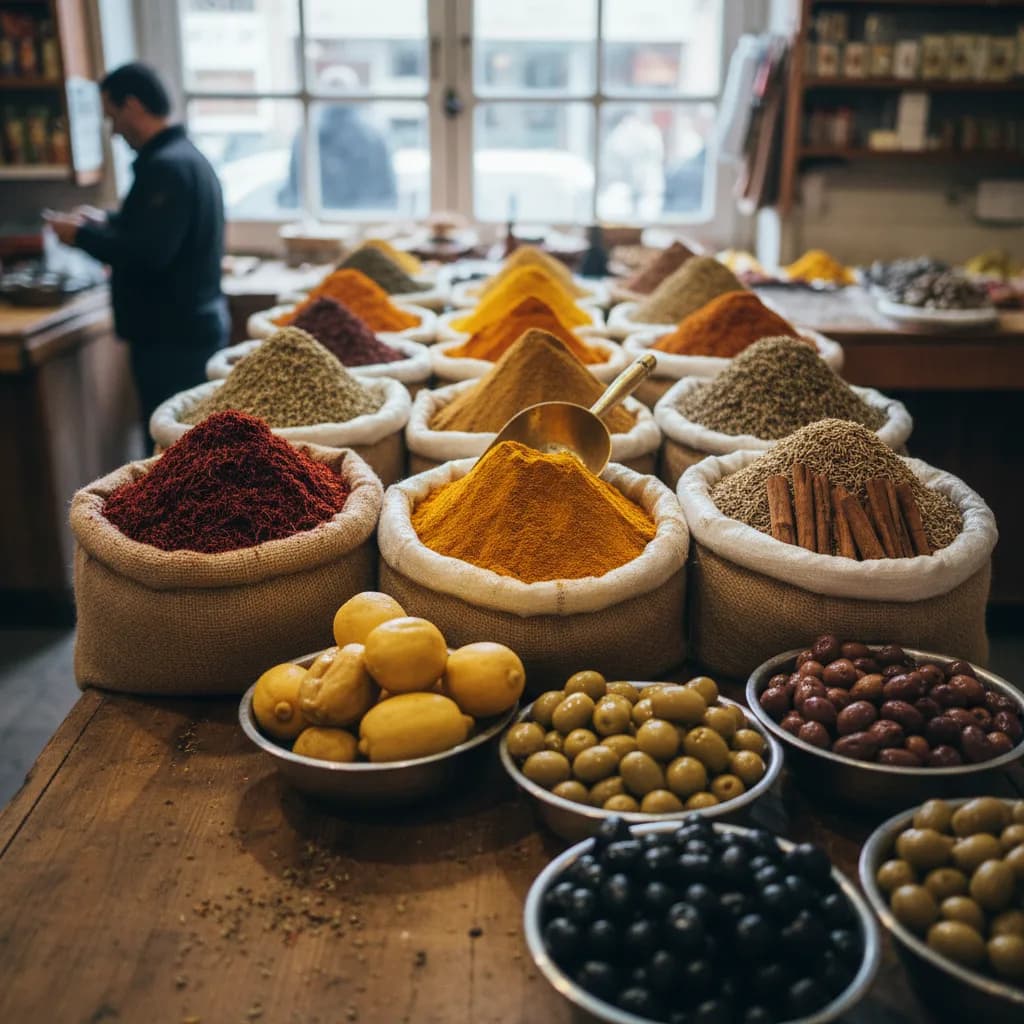
SoHo's landmark streets were built for manufacturing and wholesale trade, not for neighborhood groceries. The cast-iron lofts along Greene, Mercer and Broadway housed textile firms and warehouses through the late nineteenth century, while the immigrant households that supported pushcart markets lived further east on the Lower East Side. When Mayor La Guardia moved peddlers indoors around 1940, the new municipal halls went where the shoppers were. That history is why the closest heritage options are a short trip away instead of on Spring Street.
Pick Essex Market for a Grocery-First Lunch
Choose Essex when you want a hall that still behaves like a neighborhood market. From the Broadway–Lafayette Street station, the F train reaches Delancey Street–Essex Street in two stops, and the walk south to the market takes a couple of minutes. The official hours run 8 AM to 8 PM Monday through Wednesday, 8 AM to 9 PM Thursday through Saturday, and 10 AM to 6 PM on Sunday. You can also walk it in about twenty minutes along Broome or Delancey.
The directory there mixes counters such as Don Ceviche and Zerza Moroccan Kitchen with grocers such as Luis Meat Market and Viva Fruits & Vegetables, so a SoHo shopper can eat and also pick up olives, spices or cheese from Essex Olive & Spice and Formaggio Essex to take home. If you only have forty-five minutes between appointments, this is the most efficient of the three because the counters are close together and lines move quickly outside the noon peak.
Pick Chelsea Market for the Building Itself
Choose Chelsea when the architecture matters as much as the food. From Spring Street, the C or E train runs two stops north to 14th Street, and the market is a short walk west on Ninth Avenue. Its homepage lists the concourse as open 7 AM to 10 PM. The brick corridors and factory pipes come from the National Biscuit Company complex, where the Oreo was first sold in 1912, and original tenants such as the Lobster Place and Amy's Bread are still trading there.
The trade-off is crowds. Chelsea is a major tourist stop, and on weekends the narrow aisles feel more like a museum line than a lunch counter. A SoHo visitor with a flexible schedule should go early in the morning or after 3 PM on a weekday. If you arrive and the corridor is packed, step out the Tenth Avenue side onto the High Line, walk a few blocks, and come back once the lunch wave has thinned.
Pick Moore Street for a Half-Day Detour
Choose Moore Street only if you have a spare afternoon and want the least touristy option. Walk to the J and Z platform at Canal Street, ride across the Williamsburg Bridge on the elevated line, and get off on Broadway in Brooklyn for a walk of several blocks to the market at Moore and Humboldt Streets. The hall is plain, the vendors are mostly Caribbean and Latin American, and the draw is home-style cooking plus produce stands, a barbershop and a tailor under one roof.
Be honest with yourself about this one. It is the furthest of the three, seating is modest, and some stalls keep their own irregular schedules. If you are carrying shopping bags from Prince Street boutiques and only want a quick bite, skip it today and save it for a dedicated Brooklyn outing. For anyone curious about how New York's public markets actually started, though, it is the most authentic survivor of the La Guardia program in the borough.
A Simple Decision Rule for SoHo Shoppers
Under an hour and hungry: take the F to Essex. Ninety minutes and want photographs: take the C or E to Chelsea and go early. Half a day and want a neighborhood market with no tourists: take the J across the bridge to Moore Street. That rule covers most weekday plans, and it keeps you from wasting a lunch break walking crosstown to a hall that turns out to be the wrong mood for the day.
Weather changes the math. On a rainy afternoon Essex is the easiest choice, since the walk from the subway to the door is short. On a clear autumn day Chelsea pairs naturally with the High Line, which turns lunch into a long walk back down the West Side toward the Village. Moore Street works best on a dry Saturday morning, when the produce stalls are busiest and the walk from the Broadway elevated line is pleasant.
Before You Leave SoHo
Spend ten minutes looking at the neighborhood you are leaving. Greene Street between Canal and Houston holds one of the densest collections of cast-iron facades in the world, and the Haughwout Building at Broome and Broadway is among the most photographed ironwork in the district. Walking Greene first and then heading east or north to your chosen market makes the trip feel like a small architecture tour that happens to end in a very good lunch.
Practical Notes for the Three Halls
Entry to all three markets is free, and each vendor sets its own hours inside the building schedule. Essex Market is at 88 Essex Street, Chelsea Market at 75 Ninth Avenue, and Moore Street Market at 110 Moore Street in Brooklyn. Tap a contactless card or phone wallet at the OMNY readers for the short rides. Save all three in the Karpo APP as a SoHo lunch shortlist, so the next time you are shopping downtown you can pick the right hall in a few seconds.
Ask Karpo for more information.
Keep reading
- Williamsburg Pierogi Lunch Spot Picker for Mixed Diets
 Brighton Beach Pierogi Lunch Spot Picker for Photographers
 Ridgewood Pierogi Lunch Spot Picker for Apartment Hunters