 Long Island City Empanada Spot Picker: Stock the Freezer
Restaurants
West Village Heated Patio Dinner Picker: Reading the Heaters
Choose a warm outdoor table in the West Village by reading heater styles, wind and walls, so a November dinner for two stays cozy from first bite to dessert.
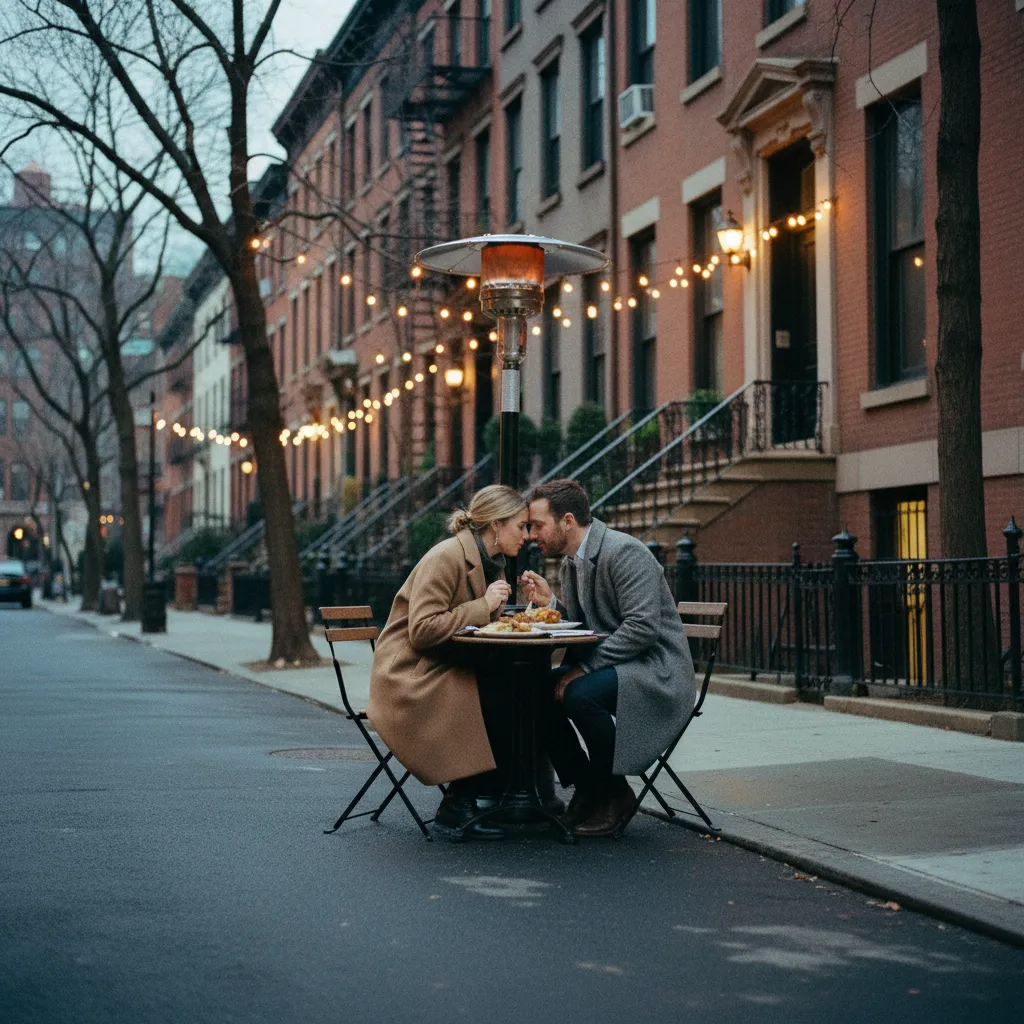
In the West Village, a warm dinner outside in November is less about finding a patio and more about finding the right seat on it. The neighborhood's crooked streets, low brick townhouses and tiny sidewalk setups mean two tables a few steps apart can feel like different seasons. This heated patio dinner picker is for couples who want to eat outdoors on a crisp evening without spending the meal with their hands tucked into their sleeves. It teaches you how to read the heaters, the walls and the wind, so you can walk up to any patio and know within a minute whether it will keep you warm.
Why the West Village Rewards a Careful Choice
The West Village was never laid out on the Manhattan grid. Its streets follow old paths and property lines, so they bend, meet at odd angles and sometimes cross each other in ways that confuse visitors. That charm has a practical side in cold weather. A street that runs into the wind can feel raw, while a short block tucked between taller buildings can stay calm and almost mild.
Restaurants here often work with very little space. A patio might be four tables on a sidewalk, a small wooden structure along the curb, or a narrow back garden behind a townhouse. Each setup holds heat differently, and the best way to enjoy outdoor dining here is to notice those differences instead of grabbing the first open seat.
Learn the Three Kinds of Patio Heat
Most outdoor heat in the neighborhood comes in three forms. The first is the tall standing heater, often shaped like a mushroom or a glass column with a flame inside. It warms a circle around it, strongest within a few steps, and it loses power quickly on a breezy night because the warm air drifts away.
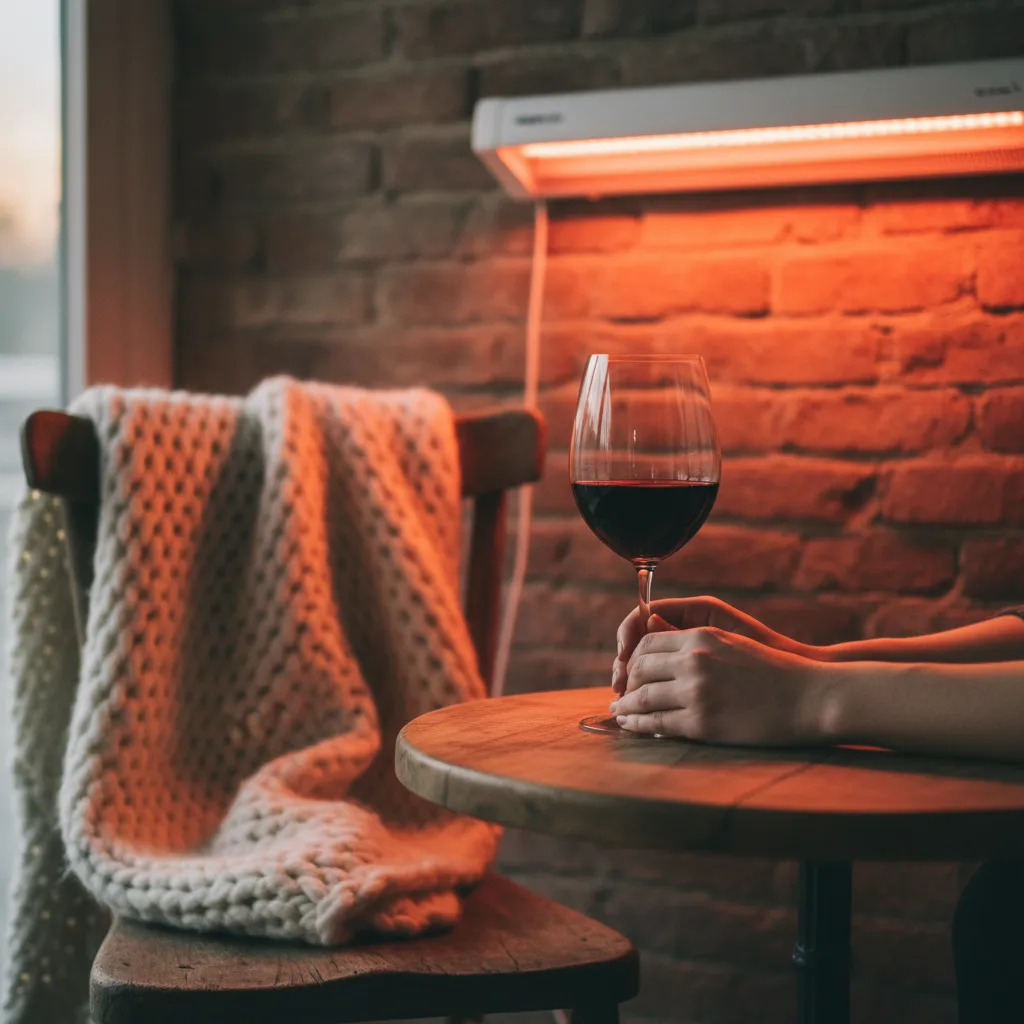
The second is the overhead lamp, usually mounted on a wall, an awning or the roof of a curbside structure. These infrared heaters glow red or orange and warm whatever they face, a bit like sunshine. They work well even with a breeze, but only if you sit inside the beam. One seat can be toasty while the chair across the table stays cool.
The third is the enclosed or half-enclosed space, such as a covered garden or a curbside cabin with plastic or wooden walls. These trap warm air and block wind, so they often feel the warmest. The tradeoff is that they can feel less open, and on busy nights they get crowded and loud. Knowing which type you prefer makes the choice simple.
A One-Minute Test at the Door
Before you sit, stand still at the patio's edge for a moment. Look up first. If you see lamps glowing above the tables, note which seats sit directly beneath them. Then look at the flames or glow on standing heaters. A steady glow means calm air. A flickering, leaning flame tells you the wind is moving through.
Next, check what is behind each table. A seat with its back against a brick wall or a planter box gets shelter from one side and often catches heat that bounces off the wall. A seat at the open corner of a sidewalk setup faces passing wind and foot traffic. If you have a choice, ask the host for a wall seat under a lamp. Hosts in this neighborhood know their patios well and are usually happy to steer you to the warmest spot.
Finally, look at what other guests are doing. If diners are wearing their coats zipped to the chin, the patio is running cool. If people have draped jackets over chairs and are laughing with bare hands on the table, you have probably found a good one.
Matching the Patio to Your Kind of Evening
A first or second date calls for a quiet corner, so a small sidewalk setup on a residential side street with one or two overhead lamps works well. You get the soft glow, the sound of the neighborhood and enough privacy to talk.
A longer anniversary dinner or a slow meal with several courses suits a back garden or a covered structure, where the heat stays even for hours. You will not need to shift seats halfway through as the evening cools. For a quick bite before a show or a walk, a busy avenue patio with standing heaters is fine, since you will be on your feet again soon.
Think about the food too. Dishes that arrive steaming, like pasta, soups, braises and roasted vegetables, hold their warmth longer outside and add to the cozy feeling. Cold plates and raw dishes cool you down, so save those for the start of the meal while you are still warm from walking.
Dress for the Table, Not the Street
Dressing for a heated patio is a little different from dressing for a walk. Heat from overhead lamps lands on your head and shoulders, while your feet and legs stay closer to the cold ground. Warm socks, boots and thicker trousers matter more than a heavy coat. A scarf you can loosen and a layer you can remove help you adjust as the heater does its work.
Many West Village patios offer blankets, and it is fine to ask for one even if none are on the chairs. A blanket over the knees closes the gap the heaters leave. Bring gloves for the walk but expect to take them off once you settle in.
Walk Before and After the Meal
Part of the pleasure of eating here is the walk. Arrive early and take a slow loop through the side streets, past the old townhouses, the tiny triangle parks and the corners where three streets meet. The walk warms you up so you sit down already comfortable, and it lets you peek at several patios before you commit.
After dessert, continue the loop toward the Hudson River for a look at the water and the lights of the piers, or wander toward Washington Square Park if you want more people and music around you. A short walk after a meal outdoors helps your body warm back up and makes the evening feel complete.
Timing Your Outdoor Dinner in Cold Months
Early evening is often the most pleasant time for a patio dinner in late autumn. The air has not yet dropped to its coldest point, and the heaters have had time to warm the space. Later in the night, the temperature falls and the wind sometimes rises, so a late seating outside works best in a covered space.
On rainy or very windy nights, it is wise to have a backup plan, such as a table indoors at the same restaurant or a second option a few blocks away. West Village patios are small, and a single gust can change how a whole setup feels. Flexibility keeps the evening relaxed.
How Karpo Can Help You Choose
When you are standing on a corner trying to decide, the Karpo APP can help you look up nearby restaurants with outdoor seating and compare a few options by mood, cuisine or style of space. Use it to build a short list of patios on calm side streets, then apply the one-minute test when you arrive. With a little practice, you will start reading West Village patios at a glance, and every cold-weather dinner for two will feel as warm as it looks.
Ask Karpo for more information.
Keep reading
- Long Island City Empanada Spot Picker: Stock the Freezer
 East Village Food Truck Lunch Finder Between Classes
 Greenpoint Empanada Spot Picker: Order a Party Dozen