 Lower East Side Hidden Speakeasy Bar Picker for a Solo Night
Bars & Nights Out
Greenwich Village Haunted Bars Near Me: Historic White Horse Tavern
An essential New York guide to White Horse Tavern on Hudson Street, featuring its 1880 origins, Dylan Thomas ghost stories, literary tavern folklore, and signature West Village pub dining.
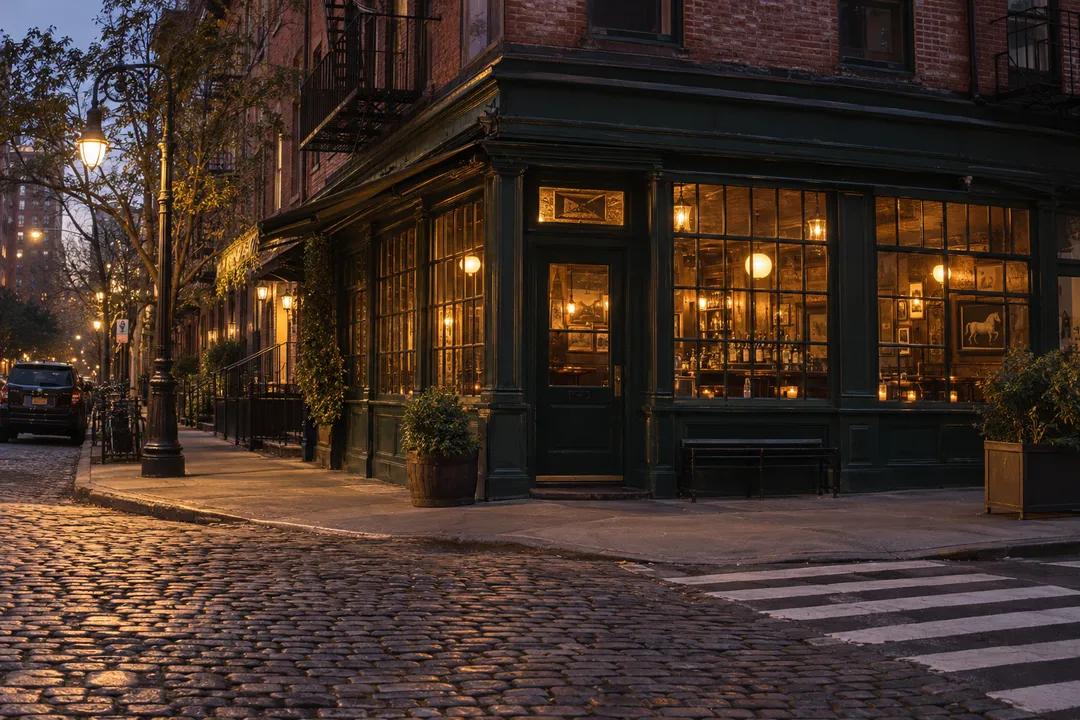
Greenwich Village holds a dense concentration of legendary drinking spots, but travelers exploring haunted bars in New York constantly gravitate toward White Horse Tavern. Standing proudly at the corner of Hudson Street and West 11th Street since 1880, this iconic corner tavern has served poets, stevedores, and bohemians for nearly a century and a half. Its classic hunter green storefront remains an enduring neighborhood beacon, evoking the rich literary and maritime traditions of old lower Manhattan across every architectural timber.
The tavern is easily reached by taking the 1 train to the Christopher Street–Sheridan Square station, followed by a pleasant four-block walk west along 11th Street. Those utilizing the A, C, or E lines can disembark at 14th Street and eighth Avenue, walking south through quiet tree-lined residential blocks. Hudson Street offers wide sidewalks that showcase some of the finest nineteenth-century brick architecture, gas lamps, and ornamental cast iron railings in the West Village.
Unlike sterile modern watering holes, the White Horse retains the tactile heft and architectural warmth of nineteenth-century New York. Thick oak wainscoting runs along the perimeter walls, while heavy wooden booths provide intimate seating beneath framed black-and-white photographs of famous patrons. The original long bar features polished brass footrails and beveled mirrors that have reflected generations of Village characters, longshoremen, and celebrated mid-century American writers.
The tavern's supernatural reputation belongs primarily to the celebrated Welsh poet Dylan Thomas, who made the establishment his primary American drinking haunt during the early 1950s. Legend holds that on November 3, 1953, Thomas consumed eighteen consecutive measures of straight whiskey at his favorite corner table before collapsing onto the wooden floorboards. He passed away several days later at nearby St. Vincent's Hospital, cementing his tragic and immortal bond with this corner room forever.
Tavern employees and frequent regulars have documented numerous spectral occurrences centered around Thomas's customary corner seat in the front room. Sudden cold breezes often swirl through the dining alcove even when exterior doors and windows remain firmly shut against the winter chill. Staff closing up after midnight have recounted smelling sudden wafts of clove cigarette smoke, hearing quiet muttering, and spotting shadowy figures lingering near the poet's framed portrait on the wall.
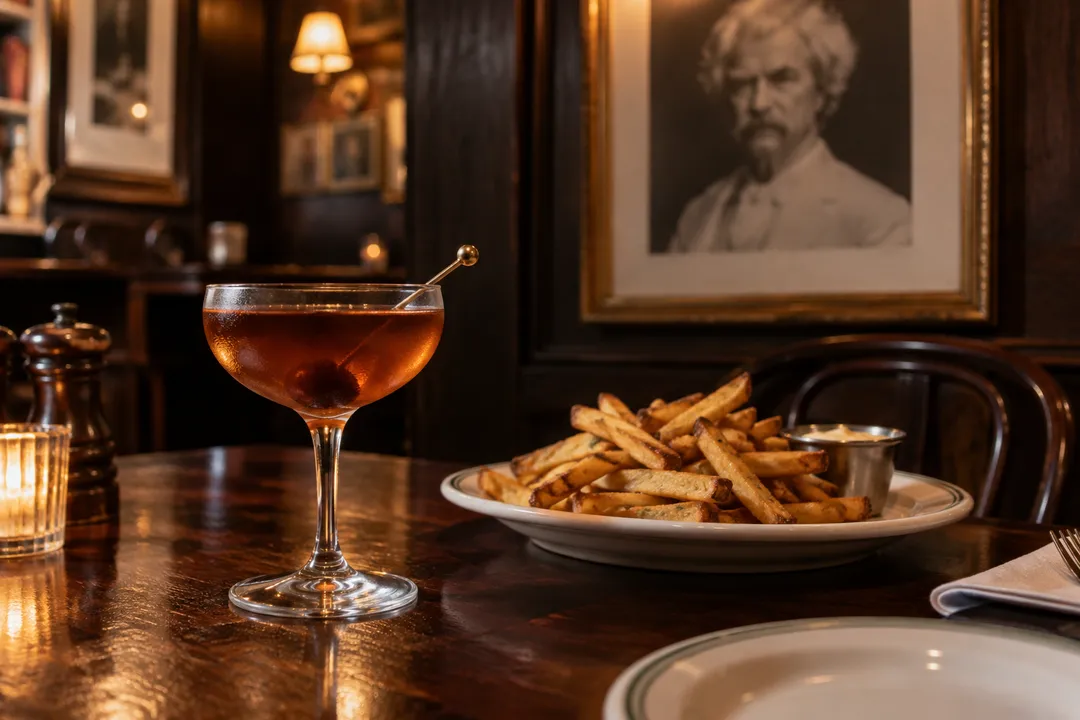
The beverage menu blends historic tavern cocktails with contemporary craft drafts, offering something deeply satisfying for every palate. The signature White Horse Manhattan costs eighteen dollars, stirred with bonded rye whiskey, sweet vermouth, and aromatic bitters, served straight up with a brandied cherry. Guests who prefer draft beer can order the White Horse House Ale for ten dollars or select from rotating seasonal IPAs sourced from prestigious regional New York breweries.
Dining at the tavern has evolved thoughtfully over the years, maintaining classic pub fare crafted from premium local ingredients and heritage recipes. The Prime Tavern Burger costs twenty-six dollars, featuring a proprietary dry-aged beef blend topped with aged cheddar, caramelized onions, and garlic aioli on a toasted brioche bun. The dish comes accompanied by a generous pile of crispy hand-cut french fries seasoned with sea salt and fresh herbs.
Other comforting selections include the cast-iron shepherd's pie for twenty-five dollars, prepared with slow-braised lamb shoulder, root vegetables, and garden peas under a golden potato crust. The kitchen also produces warm Bavarian-style soft pretzels with beer cheese dip for fourteen dollars, making an excellent shared starter for groups sampling cocktails before attending an evening reading, musical performance, or theater production in the Village.
To enjoy the historic space at a leisurely pace, plan your visit for a weekday afternoon between two and five o'clock. During these tranquil daylight hours, you can comfortably claim Dylan Thomas's corner booth, sip a fresh ale, and absorb the literary ambiance in relative stillness. Weekend brunch and Friday evening happy hours draw lively neighborhood crowds that quickly fill every stool along the mahogany bar with animated chatter.
Reservations can occasionally be secured online for indoor dining tables, but the front bar area remains open for walk-in visitors seeking drinks and conversation. If you arrive without a booking during peak evening hours, wait times for dining booths rarely exceed thirty minutes. The outdoor sidewalk patio along Hudson Street provides a pleasant alternative during crisp autumn afternoons when the trees turn golden and river breezes drift through.
Every architectural detail inside the tavern echoes the rich creative history of mid-century Greenwich Village bohemia. Jack Kerouac, Allen Ginsberg, and James Baldwin frequently occupied the back room during the Beat Generation era, arguing politics and reading poetry late into the night. Norman Mailer even organized the founding meetings of The Village Voice inside these very wooden booths, anchoring the room in American literary history.
Originally opened in 1880 by a German immigrant named Daniel L. White, the business initially served longshoremen and dockworkers laboring along the busy Hudson River piers. As maritime freight operations declined in the 1930s, low residential rents attracted bohemian writers, folk musicians, and radical intellectuals to the area. Musicians like Bob Dylan were regular fixtures here during the early Greenwich Village folk music boom of the 1960s.
A visit to the White Horse combines naturally with a stroll through the literary landmarks and historic townhouses of the West Village. Walk two blocks east to Bleecker Street to browse independent bookshops, record stores, and century-old pastry shops, or wander north toward the High Line elevated park for panoramic urban views. The quiet streets around Bank Street offer quintessential Village charm with picturesque brownstones and leafy pocket gardens.
From a practical standpoint, the tavern accepts all major payment cards and maintains clean, recently renovated restrooms for patron comfort. Street parking along Hudson Street is virtually non-existent, so arriving by subway, bus, or bicycle is strongly advised for visitors. Whether you arrive searching for poetic inspiration, ghostly encounters, or a memorable burger and pint, White Horse Tavern remains an irreplaceable slice of New York cultural heritage.
Ask Karpo for more information.
Keep reading
- Lower East Side Hidden Speakeasy Bar Picker for a Solo Night
 West Village Hidden Speakeasy Bar Picker for Out-of-Towners
 Carroll Gardens Hidden Speakeasy Bar Picker for a Nightcap