 Chelsea Piano Bar Night Picker for a Gallery Night Birthday
Bars & Nights Out
Historic Haunted Bars in New York: Inside The Ear Inn
A New York guide to The Ear Inn on Spring Street, exploring its 1817 James Brown House origins, resident sailor ghost Mickey, traditional comfort food, and Hudson Square maritime history.
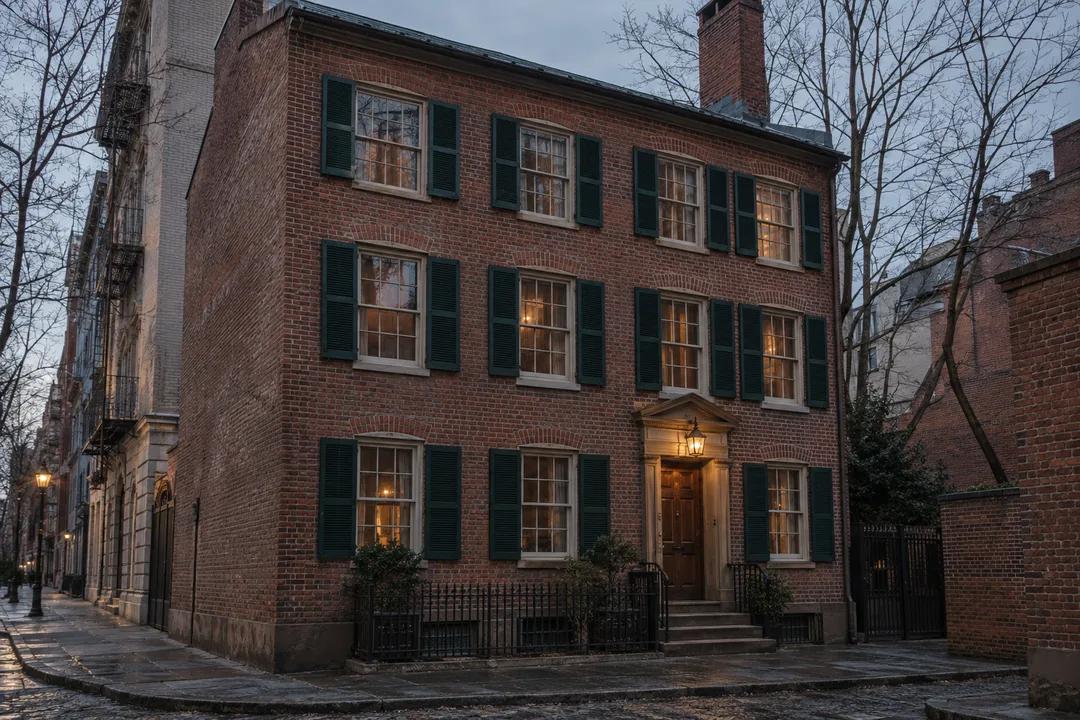
When curious travelers search for haunted bars in New York, The Ear Inn consistently emerges as one of the city's oldest continuously operating drinking establishments. Set inside the landmarked James Brown House at 326 Spring Street, this cozy brick tavern rests right on the western edge of SoHo and Hudson Square. Stepping across its worn stone threshold immediately transports visitors back two centuries to an era when the Hudson River lapped against the opposite side of the cobblestone road and tall sailing ships crowded the shoreline.
Reaching the tavern is remarkably straightforward by public transportation, sitting only four short blocks west of the Spring Street subway station on the C and E lines. Travelers taking the 1 train can get off at Houston Street and enjoy an easy five-minute walk southwest toward the waterfront. The surrounding blocks feature quiet residential cobblestones and former industrial printing houses that contrast sharply with the bustling retail corridors deeper in lower Manhattan.
What makes this historic location singular among New York taverns is its stubborn refusal to gentrify, sanitize its quirks, or adopt trendy modern cocktail aesthetics. The wooden floorboards slope noticeably beneath your feet, while dusty nautical relics, yellowed maps, and framed maritime newspaper clippings crowd the aged plaster walls. The seasoned staff still preserves a friendly, authentic neighborhood attitude, welcoming dock workers, bohemian artists, and curious ghost hunters with equal warmth and unpretentious charm.
The tavern's most famous spectral resident is Sailor Mickey, an unruly seafarer who met an untimely end right outside the building during the nineteenth century. According to enduring tavern folklore, Mickey was struck down by a horse-drawn delivery carriage along the icy cobblestone road and never truly departed the establishment. Over the decades, bartenders and regulars have credited his lingering spirit with a mischievous assortment of eerie disturbances, playful physical pranks, and unexplainable nighttime phenomena.
Generations of staff members have documented sudden temperature drops, mysteriously flickering electrical fixtures, and heavy beer glasses that slide inexplicably across the wooden bar top. Mickey reportedly holds a peculiar fondness for visiting female guests, occasionally tugging coat hems or blowing distinct chills of cool air onto the back of their necks. Several overnight bar managers have even reported hearing heavy boot steps pacing the upstairs residential apartments long after locking up the front doors.
The drink program centers on dependable, unfussy pints that honor the tavern's working-class maritime roots without charging inflated downtown prices. The standout pour is the proprietary Ear Beer, an amber house ale brewed specially for the bar by a regional craft brewery and sold for nine dollars a pint. For those seeking classic spirits, bartenders pour generous measures of Irish whiskey and neat Kentucky bourbon alongside dark stouts and crisp seasonal ciders.
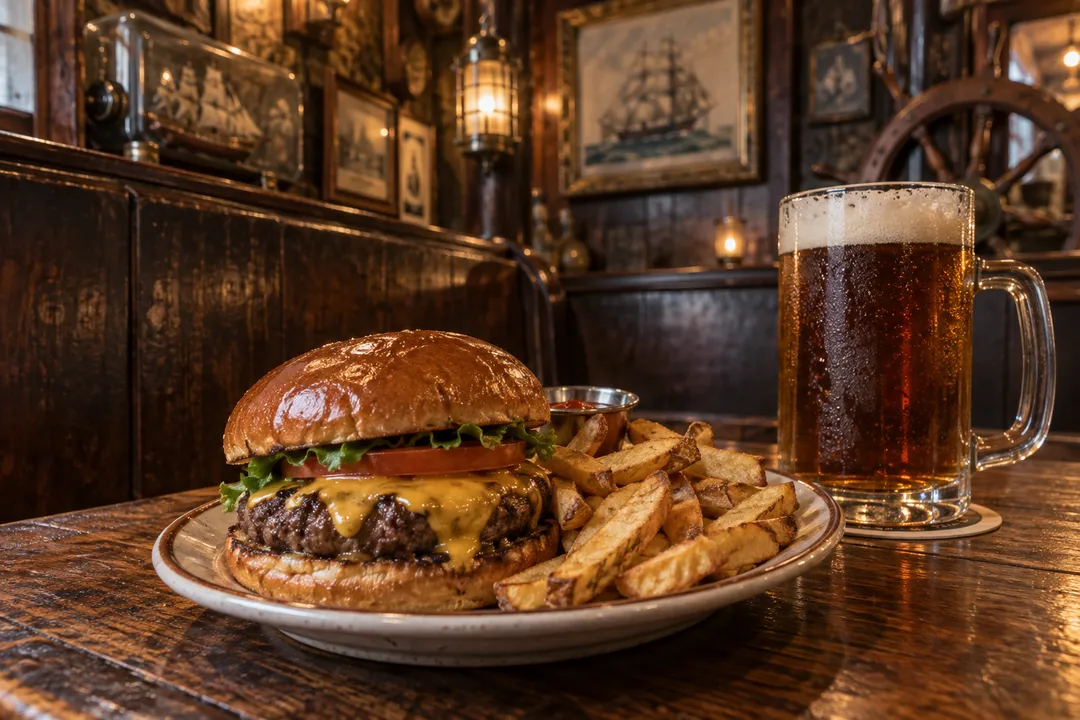
The kitchen prepares honest comfort food that far exceeds typical pub standards, maintaining traditional recipes refined over decades of continuous service. Their famous half-pound Ear Burger costs twenty-one dollars and arrives on a toasted bakery bun with melted sharp cheddar cheese, crisp lettuce, red onion, and thick-cut fries. Every patty is seared to order on a seasoned flat top that has absorbed decades of savory flavor, producing a juicy burger with exceptional crust.
Another enduring menu staple is the traditional shepherd's pie, priced at twenty-four dollars and served piping hot in a heavy ceramic crock straight from the oven. Tender minced beef simmered with root vegetables, sweet peas, and savory brown gravy sits beneath a beautifully piped layer of golden mashed potatoes. For lighter snacking, the kitchen serves crispy beer-battered fish and chips for twenty-three dollars, served with house-made tartar sauce and tangy malt vinegar.
Timing your arrival is essential to securing a comfortable seat without an extended wait out on the sidewalk during colder months. Weekday late afternoons between three and five o'clock offer the calmest window, when soft daylight still streams through the mullioned windows and neighborhood regulars gather around the bar. Thursday through Saturday evenings become lively and packed after seven, filling every wooden booth and standing corner with energetic conversations and laughter.
Seating works entirely on a traditional walk-in basis, meaning advance reservations are never taken for small parties or casual drinking visits. If you encounter a crowd at the door, put your name down with the host and grab a pint at the front standing counter. Tables generally turn over within forty-five minutes, and the experienced staff manages the queue with calm efficiency, humor, and genuine hospitality.
The physical room provides endless visual fascination for observant guests interested in early American architecture and maritime history. Long rolls of butcher paper cover every dining table, accompanied by tins of colored crayons that invite guests of all ages to doodle between courses. Brass gas lamps, pressed tin ceilings, and antique clock faces recall the tavern's mid-nineteenth-century heyday as a haven for river pilots and longshoremen.
The building itself was constructed in 1817 by James Brown, an African American Revolutionary War veteran who served as an aide to General George Washington. Later transformed into a saloon and boarding house, the property operated covertly as a speakeasy throughout Prohibition under the guise of an unnamed watering hole. The present moniker was adopted in the 1970s by transforming the neon 'BAR' sign into 'EAR' to bypass strict landmark signage restrictions.
Pairing a tavern lunch with an afternoon walking tour makes for an ideal Manhattan itinerary for architecture lovers and urban explorers. After finishing your meal, stroll two blocks west to the Hudson River Park esplanade to watch river ferries glide across the water toward Jersey City. Alternatively, wander east through the Charlton-King-Vandam Historic District to admire pristine Federal and Greek Revival townhouses shaded by mature ginkgo trees.
For practical planning, remember that The Ear Inn accepts major credit cards as well as cash for all food and drink tabs. The narrow vintage entryway and compact restrooms present slight navigation hurdles for travelers with heavy luggage, so pack light when visiting. Whether you come hoping to encounter Sailor Mickey or simply craving a cold ale and a historic burger, this legendary tavern delivers authentic New York character in every corner.
Ask Karpo for more information.
Keep reading
- Chelsea Piano Bar Night Picker for a Gallery Night Birthday
 Upper East Side Piano Bar Night Picker After the Museums
 Midtown Piano Bar Night Picker for an Anniversary Date