 Chelsea Piano Bar Night Picker for a Gallery Night Birthday
Bars & Nights Out
Financial District Haunted Bars: Revolutionary Spirits Inside Fraunces Tavern
A detailed historic guide to Fraunces Tavern on Pearl Street, exploring its 1762 colonial architecture, George Washington farewell lore, phantom footsteps, and Financial District whiskey dining.
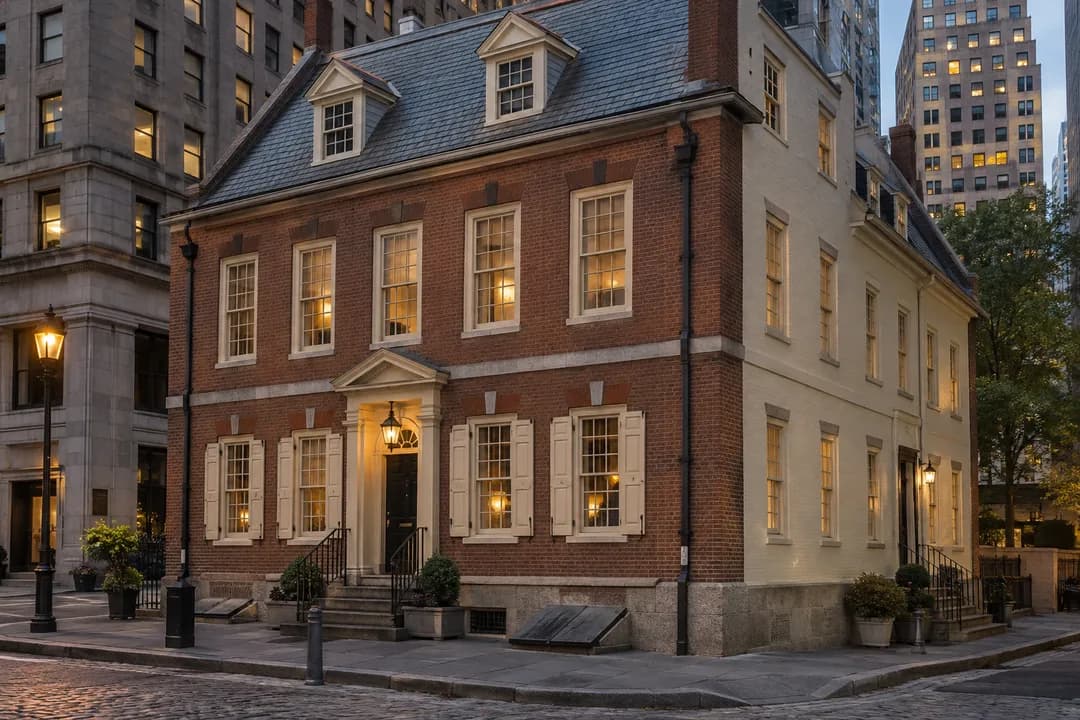
For history enthusiasts seeking haunted bars in New York, Fraunces Tavern at 54 Pearl Street holds an unrivaled position. Dating back to 1762, this historic Georgian building is Manhattan's oldest standing structure and has stood witness to the birth of the United States. Located in the Financial District, it operates today as both a vibrant dining tavern and a world-class history museum, drawing history buffs, architecture students, and cocktail enthusiasts alike. The three-story structure stands proudly amid towering glass office skyscrapers, a striking brick symbol of colonial resilience.
Reaching Fraunces Tavern is seamless thanks to extensive downtown subway connections that link the neighborhood with the rest of the city. Take the 1 train to South Ferry or the R and W lines to Whitehall Street, followed by a short three-minute walk north along Water Street. Alternatively, the J and Z lines at Broad Street deposit travelers within two blocks of the tavern's historic colonial doorway on the corner of Broad and Pearl.
The tavern complex encompasses several distinct dining rooms across its sprawling multi-building footprint, each offering a distinct mood and period aesthetic. The Dingle Whiskey Bar features tufted leather armchairs and walls lined with rare bottles, while the Independence Bar features low-beamed ceilings and colonial hearths. The air carries the rich aroma of aged oak casks, roasted meats, and seasoned fireplace logs that have burned for centuries. Broad wooden ceiling beams, brass candle sconces, and polished tavern tables evoke an authentic eighteenth-century gathering hall.
The building's supernatural lore is intimately tied to the American Revolutionary War and tavern founder Samuel Fraunces. It was in the tavern's second-floor Long Room that General George Washington famously bid an emotional farewell to his Continental Army officers on December 4, 1783. Staff and museum docents have long whispered about unseen presences and lingering colonial spirits in that sacred historical chamber, where tears were shed as the war drew to a close.
Security guards and late-night workers regularly report hearing creaking floorboards and phantom boot steps echoing down the upper staircases after museum hours. Objects in the kitchen have shifted positions overnight, and patrons dining in the dark-paneled Dingle Bar have reported sudden drafts accompanied by the faint scent of pipe tobacco. Several witnesses describe brief glimpses of spectral figures dressed in eighteenth-century tricorn hats and officer uniforms.
The tavern's drink collection is renowned nationwide, boasting one of the largest spirits selections in New York City with over five hundred whiskies from around the globe. Guests can sample the Washington's Reserve flight for twenty-eight dollars, featuring three distinct American bourbons with historical ties. For beer lovers, the house-brewed Samuel Fraunces Ale pours cold from brass taps for ten dollars a pint, accompanied by a rich head and biscuity aroma. Bartenders proudly discuss mash bills and aging methods, helping guests navigate flights that span historic Kentucky distilleries and rare private barrels.
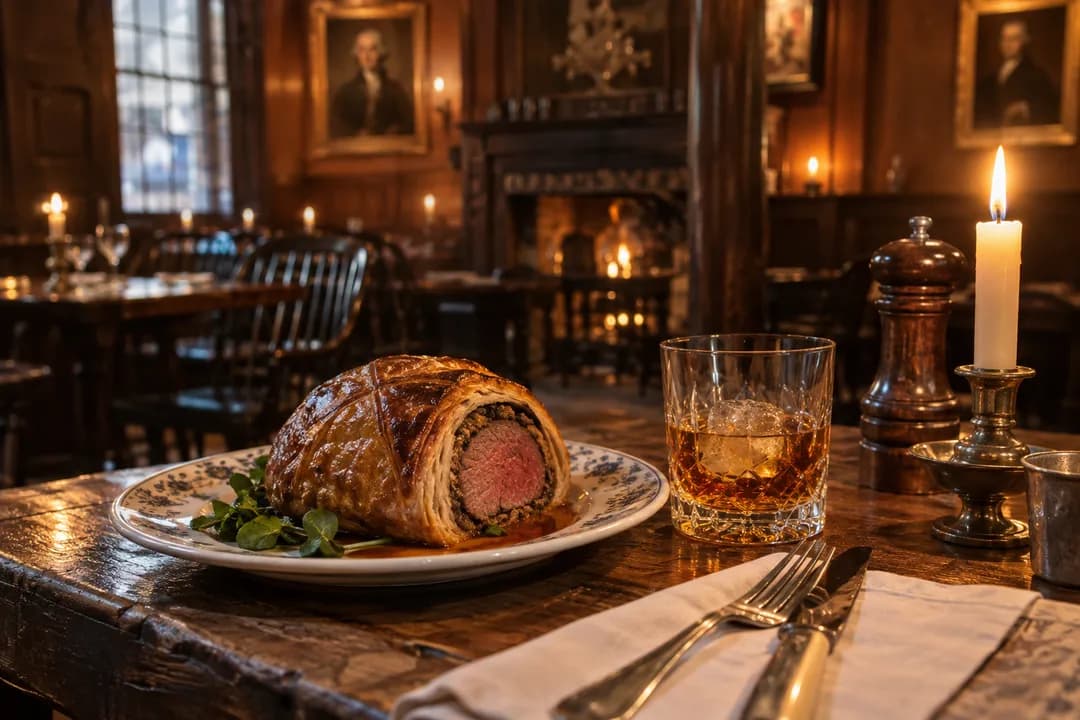
The dining menu celebrates classic colonial tavern dishes reimagined with contemporary culinary precision and seasonal ingredients. Their signature Traditional Beef Wellington costs forty-four dollars, featuring a tender filet mignon wrapped in mushroom duxelles, prosciutto, and golden puff pastry, served with rich red wine demi-glace. It is widely considered one of the finest and most comforting iterations of the dish in downtown Manhattan.
For more casual tavern dining, the kitchen prepares George Washington's Favorite Pot Pie for twenty-six dollars, loaded with slow-cooked chicken, pearl onions, carrots, and fresh thyme gravy under flaky pastry. Starters include savory Scotch eggs wrapped in seasoned pork sausage for sixteen dollars, accompanied by tangy whole-grain mustard and pickled cornichons that stimulate the appetite before the main courses arrive at the table.
Visiting during off-peak hours allows you to fully appreciate the building's museum-quality ambiance without feeling rushed. Tuesday and Wednesday afternoons between two and four o'clock provide a peaceful window to sip fine whiskey and admire the historic paintings. The tavern becomes bustling during weekday happy hours when Wall Street professionals gather, filling the bars with lively conversation and celebrating the closing bell.
Table reservations are easily booked online for the main dining rooms, making it more accommodating for groups than older walk-in-only taverns. However, the Dingle Whiskey Bar and the front tavern area always reserve plenty of space for walk-in cocktail seekers. If you have to wait for a table, head upstairs to tour the museum galleries and colonial exhibits that line the upper floors. While you wait, the museum gift shop on the ground floor offers books on early American history, maps, and colonial memorabilia.
The museum upstairs features remarkable Revolutionary War artifacts, including fragments of George Washington's tooth and locks of his hair. The restored Long Room accurately recreates the exact colonial setting of Washington's 1783 farewell banquet, complete with period china, crystal decanters, and antique banquet tables. The immersive display offers rare tangible contact with the nation's founding era, transporting visitors across centuries.
Constructed in 1719 as a residential mansion for merchant Stephan Delancey, the property was purchased by Samuel Fraunces in 1762 and converted into the Queen's Head Tavern. During the Revolutionary War, it served as a secret meeting place for the Sons of Liberty. Following independence, the tavern housed early offices for the departments of Foreign Affairs, Treasury, and War, functioning as the nation's early administrative heart.
The surrounding Financial District blocks offer rich opportunities for historic exploration before or after your visit. Walk two blocks south to Stone Street, Manhattan's first paved road, now lined with bustling outdoor dining patios and historic gas lanterns. Battery Park sits just four blocks away, providing sweeping views of New York Harbor and the Statue of Liberty against the open horizon.
Fraunces Tavern accepts all standard credit cards and provides full wheelchair accessibility across its ground-floor dining rooms. The staff is exceptionally knowledgeable about both the spirits menu and the building's deep revolutionary heritage. Whether visiting for the history, the world-class whiskey selection, or the lingering colonial ghosts, Fraunces Tavern delivers an unforgettable New York experience that honors the nation's earliest days.
Ask Karpo for more information.
Keep reading
- Chelsea Piano Bar Night Picker for a Gallery Night Birthday
 Upper East Side Piano Bar Night Picker After the Museums
 Midtown Piano Bar Night Picker for an Anniversary Date