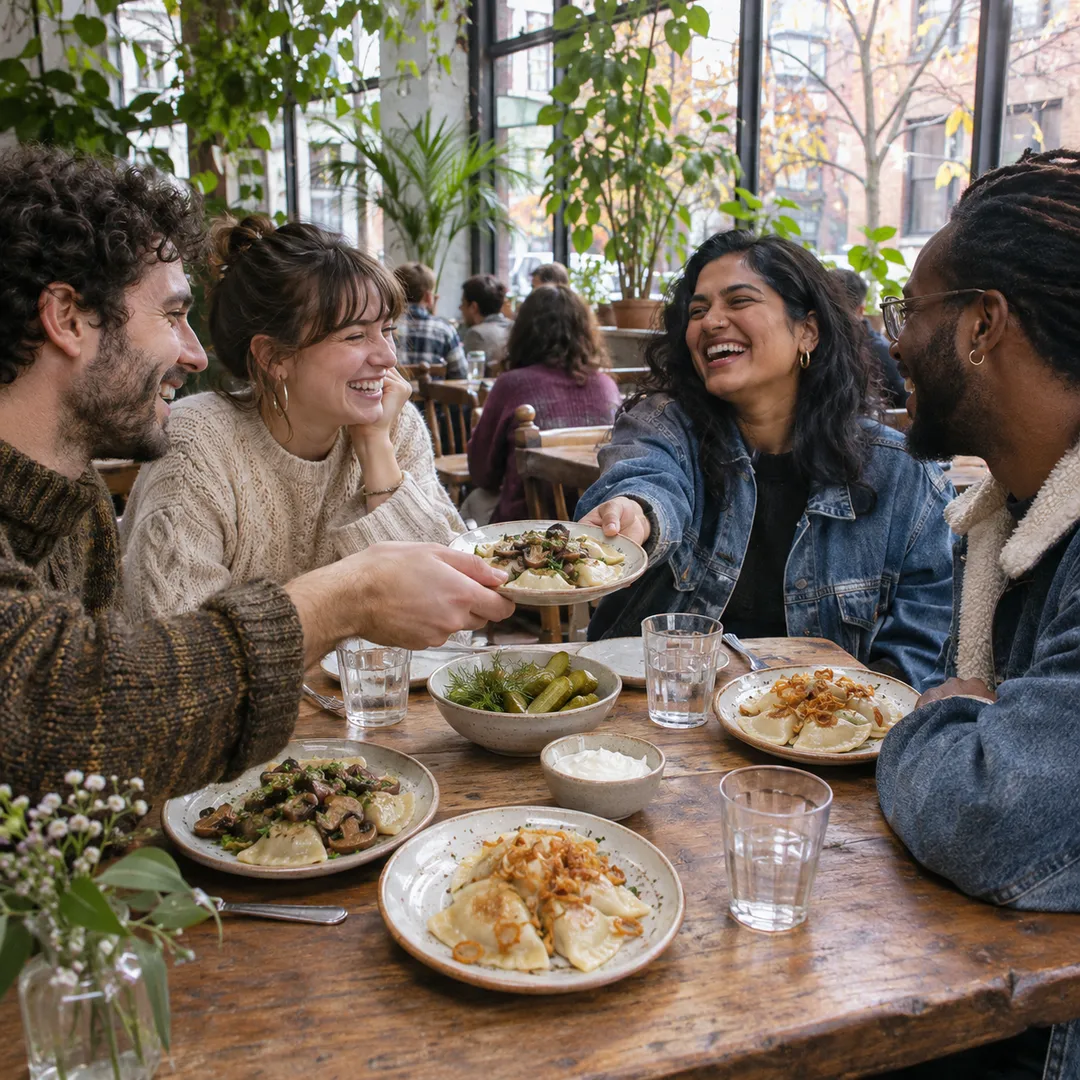
 Williamsburg Pierogi Lunch Spot Picker for Mixed Diets
Restaurants
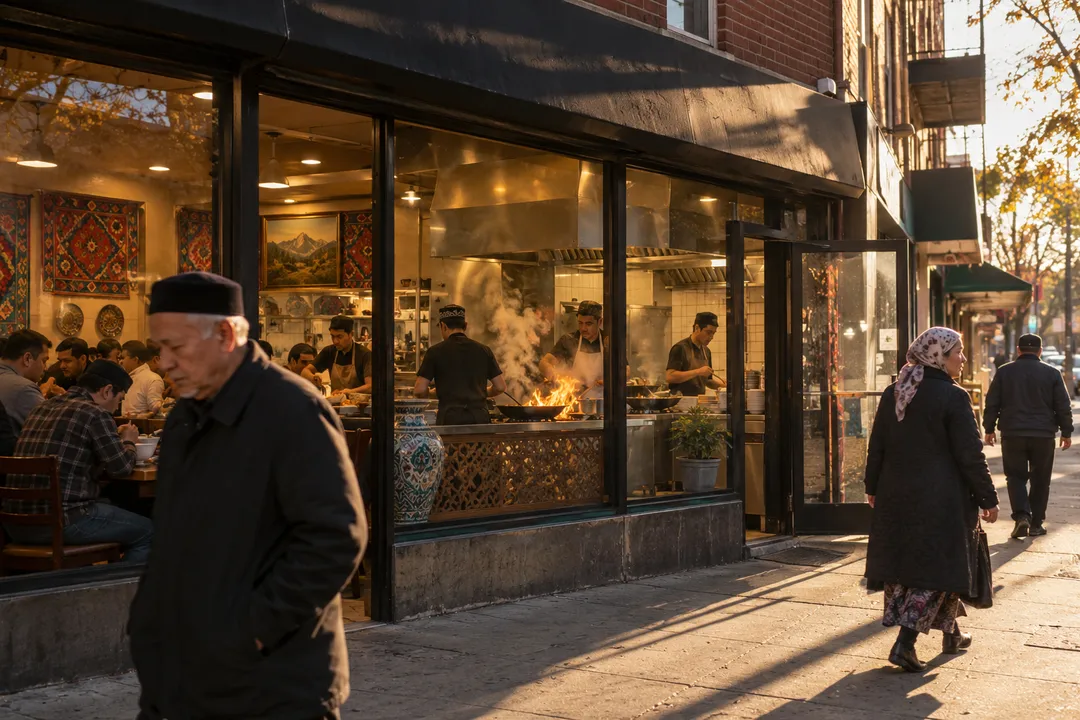
Brooklyn Hand Pulled Noodles: Wok Plates at Laghman Express
Laghman Express at 6201 20th Avenue serves halal hand-pulled laghman daily from 11 AM to 9 PM, with wok-seared noodles and Central Asian dumplings.
The menu explains the kitchen rhythm in three movements: dough becomes noodles, shaped pieces meet the fire, and the bowl lands under steam. That rhythm is easiest to notice at lunch, when you can watch the pass without the evening crowd closing every sightline. Laghman Express describes its noodles as hand-pulled in Brooklyn and says the full menu is halal. The result is a chew that is broader and more elastic than ordinary takeout noodles. Ask yourself whether you want a dry wok finish or a bowl with broth before ordering; the restaurant gives both routes, and the distinction matters more than adding several small plates.
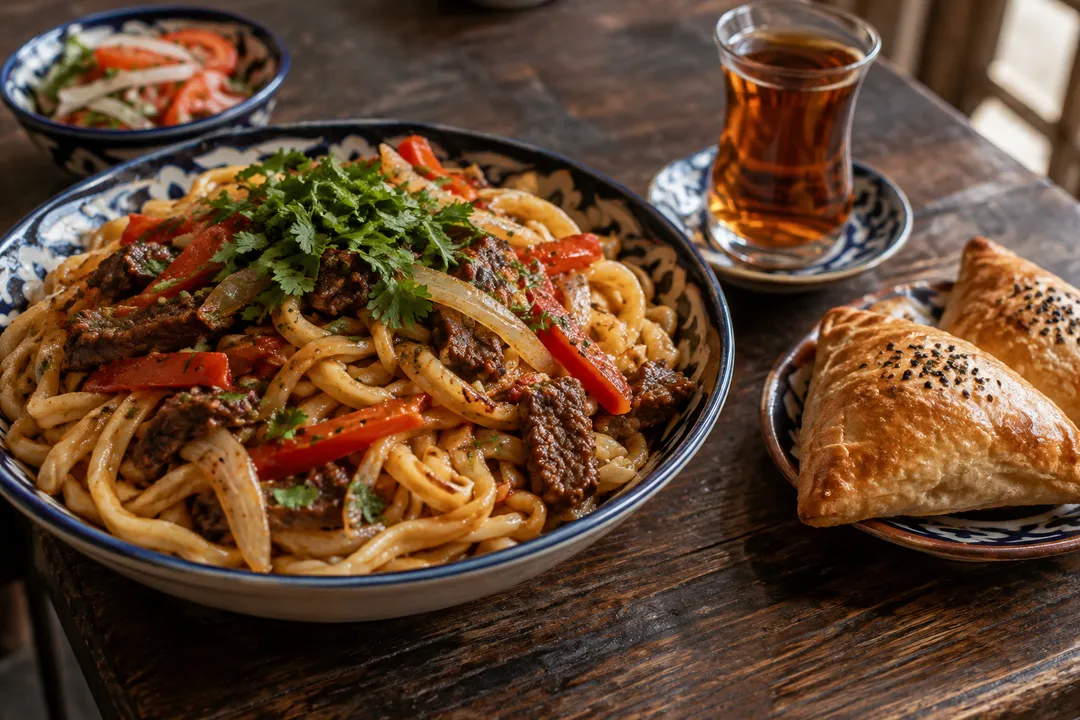
Start with Guyurou Laghman
Guyurou Laghman is the cleanest first order. The official menu calls it hand-pulled noodles under a topping straight off the wok, which means the noodle texture and the meat-and-vegetable finish arrive together. Dry Fried Noodles takes the same dough into a hotter, drier direction, with edges that catch in the open flame. Cumin Lamb is a useful supporting plate when you want the spice profile without another noodle bowl. My skip is ordering only baked bread and dumplings on a first visit: samsa and manty are good ways to understand the kitchen, but the restaurant’s reason for being is the hand-pulled laghman itself.
Add Samsa or Manty
Samsa brings a baked pastry with a shattering crust, while Central Asian manty are broad dumplings pleated by hand with a soft top and steaming middle. The site also names dapanji, non bread, a soup of the day, mini buns, and tea. Order one hot noodle plate, then choose one of those hand-shaped items so the table has contrast. The restaurant’s own language stresses that each kitchen keeps its own menu and that the live ordering site carries the day’s availability, so I am not assigning prices that the public page does not print in stable text. The useful fact is that the menu is designed to move from dough to wok to table without a long detour.
Practical Notes: The Bensonhurst Branch
The Bensonhurst branch is open daily 11:00 AM–9:00 PM, with the 20th Avenue address and phone shown on the official site. That schedule makes an early dinner the safest rhythm, especially if you want time to watch the kitchen and take a short neighborhood walk afterward. Laghman Express does not take reservations according to the restaurant’s structured location information, so arrive ready for a direct counter-style order rather than planning a formal seating time. If 20th Avenue is inconvenient, the site also lists a Gravesend kitchen on Coney Island Avenue and an Emmons Avenue kitchen, but use the branch selector because menus are location-specific.
Stay for Bensonhurst
Bensonhurst is part of the experience. After dinner, follow 20th Avenue through the neighborhood’s storefronts, bakeries, and apartment blocks rather than trying to recreate a downtown restaurant crawl. The route is intentionally local: wok smoke, tea, and hand-pulled noodles first; a short walk second. Laghman Express’s website says the New York Times included the restaurant among its 100 Best Restaurants in NYC in 2024, 2025, and 2026, but the strongest reason to come remains sensory. You hear the pull, smell the wok, and get a plate that makes the keyword hand pulled noodles feel like a cooking method instead of a search label.
A Central Asian Frame
Laghman Express’s official site places the Bensonhurst kitchen inside a wider Central Asian tradition, naming Kyrgyz, Uyghur, Uzbek, and Kazakh influences. It also says the full menu is halal and carries the same standards from 20th Avenue to other Brooklyn kitchens. The noodles are the base for wok-seared meat, cumin, baked pastry, and hand-pleated dumplings.
Choose the Right Kitchen
The website lists each Brooklyn kitchen separately and says every location keeps its own menu. Laghman Express, at 6201 20th Avenue, serves the Bensonhurst neighborhood. Gravesend and Emmons are legitimate alternatives, but the menus and hours differ. At 20th Avenue, order Guyurou Laghman first, then add either samsa or manty.
A Local Brooklyn Meal
Laghman Express is most satisfying when treated as a Bensonhurst neighborhood restaurant rather than a distant food trophy. Arrive for early dinner, listen for dough hitting the table, and eat the wok plate while steam is rising. Follow the meal with a short walk along 20th Avenue. The chew, cumin, and wok smoke all belong to this branch.
A Dry Plate and a Dumpling
At Laghman Express, start with the dry Guyurou plate and let its cumin, onion, and wok heat define the meal. Only then add a pastry or dumpling, because the dough deserves to stay the center of the table. The contrast between a glossy wok finish and a soft manty wrapper is more revealing than ordering several similar noodle dishes.
Practical Notes and a Return Visit
The Bensonhurst room rewards an unhurried lunch. Listen for the pan, watch the strands gather, and taste the first forkful before adding extra chili. Save the Bensonhurst branch details for the group; the branch selector matters because Laghman Express changes menus by kitchen.
Leave this Brooklyn stop with a clear comparison in mind: Guyurou Laghman is the wok-seared benchmark, while samsa or manty supplies a baked or steamed counterpoint. That pairing gives a return visit a purpose and keeps the Central Asian cooking legible from first bite to last. The Bensonhurst branch is especially useful for a diner who wants a meal with clear regional identity. Follow the dough from the prep surface to the wok, then decide whether a later visit should explore dapanji, soup, or another laghman variation. The daily schedule leaves room for an early dinner and a short neighborhood walk. The menu’s halal framing is also useful for mixed groups because everyone can read the same Central Asian story through different dishes. Keep tea or a baked side for the end rather than crowding the table at the start. That pacing also gives the kitchen room to show its range without making the first order feel scattered.
Ask Karpo for more information.
Keep reading
- Williamsburg Pierogi Lunch Spot Picker for Mixed Diets
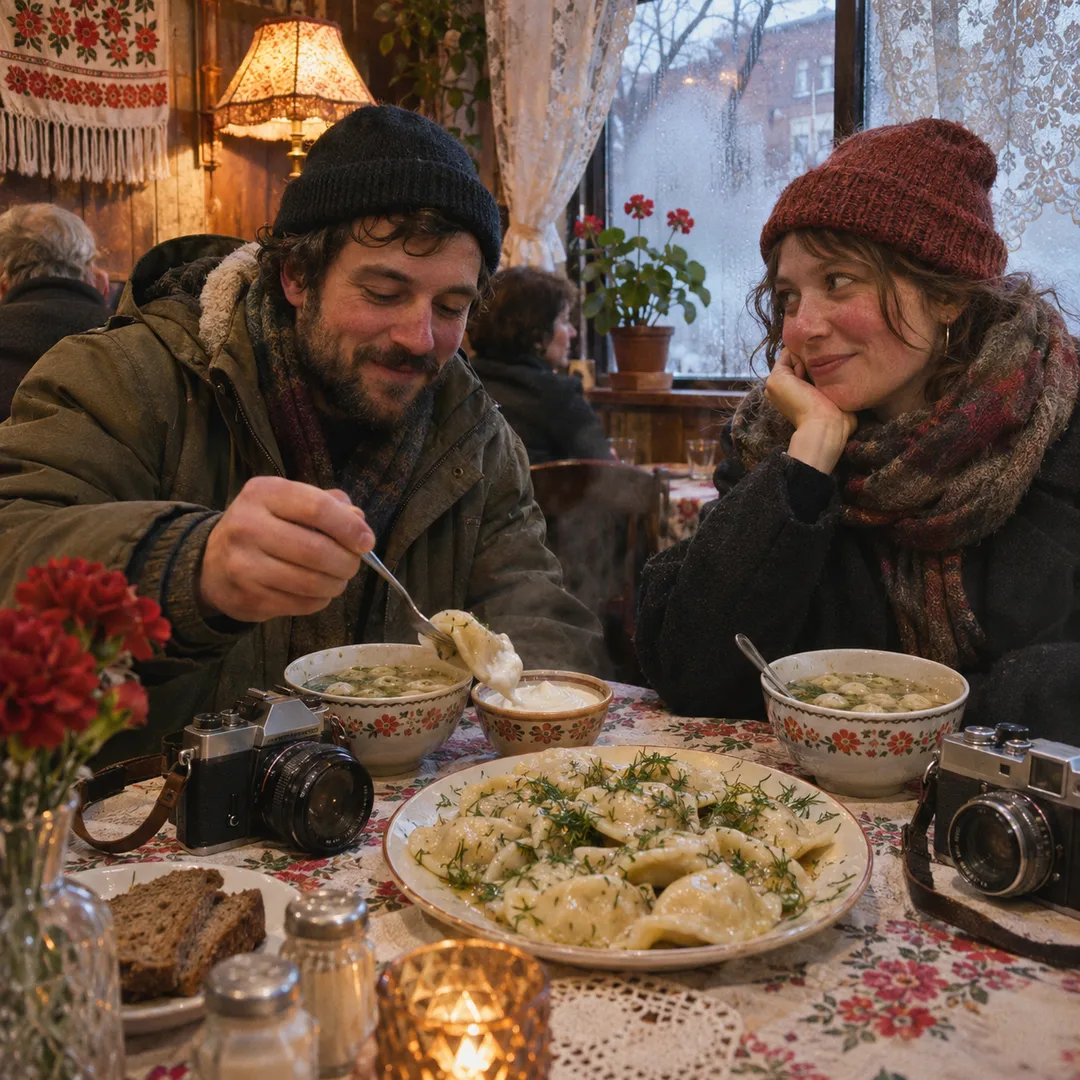 Brighton Beach Pierogi Lunch Spot Picker for Photographers
 Ridgewood Pierogi Lunch Spot Picker for Apartment Hunters