 Chelsea Consignment Shop Crawl Planner for Your First Studio
Hidden Gems & Odd Finds
NYC Guitar Repair Shop: 6 Notes for Warranty Requests
Plan an NYC guitar repair shop warranty inquiry with six notes on ownership, symptoms, documents, authorization, travel, and the reply you need to proceed.
A warranty inquiry at an NYC guitar repair shop starts with six notes: the instrument, ownership documents, symptom, existing work, approval question, and travel plan. Use Karpo APP to help organize relevant local options after you identify the manufacturer and the question you need answered. A repair estimate and a warranty decision are different outcomes. This workflow prepares an inquiry without assuming that a particular fault qualifies or that a nearby shop can approve coverage.
Note one: Identify the instrument without publishing its identity
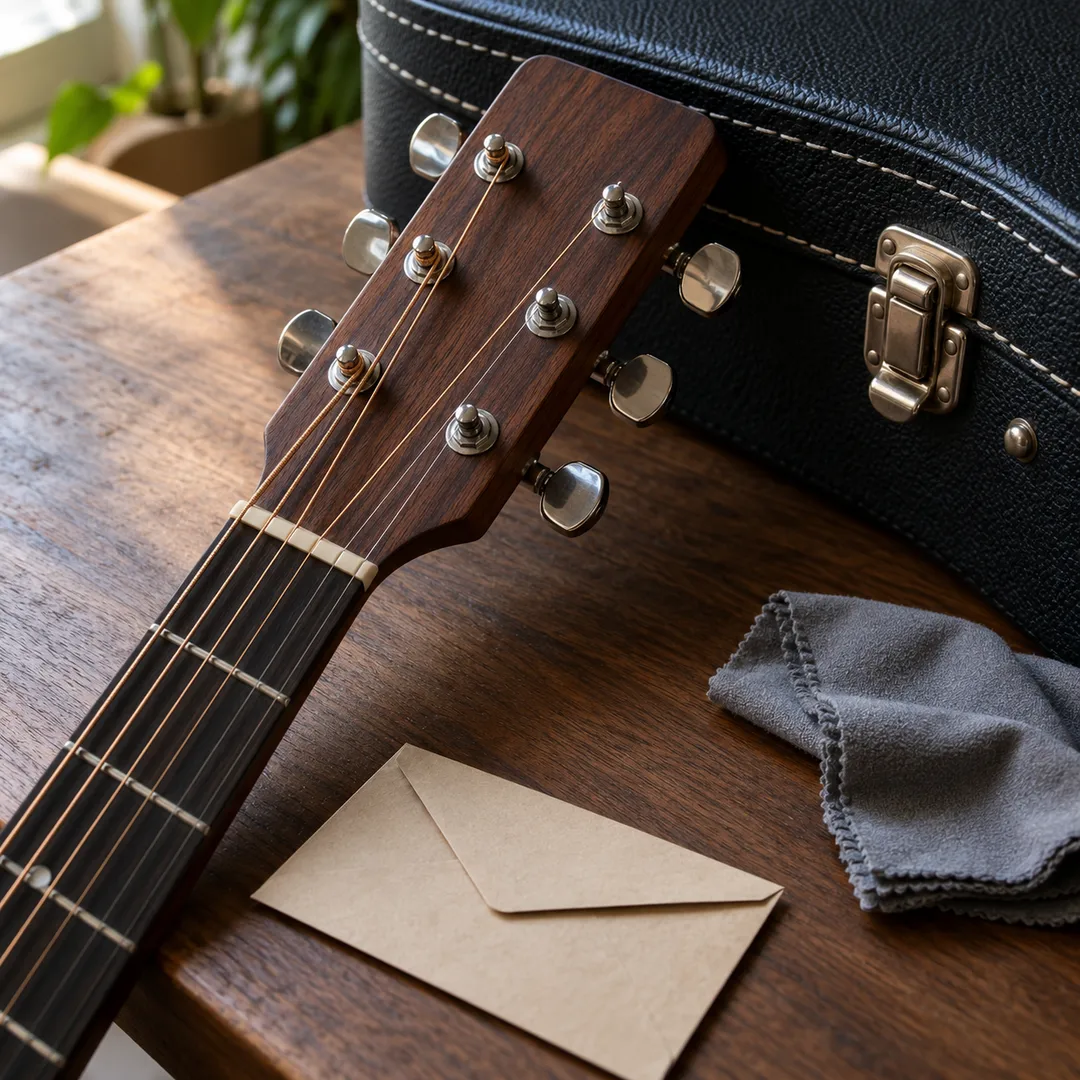
Start a private record with the brand, model, and serial number taken from your own instrument or documents. Copy the characters carefully rather than relying on a remembered model nickname. Keep photographs of identifying details with your records. For a broad local search, the brand and instrument type may be enough. Share a full serial number only through the contact route used by the manufacturer or repair business handling the inquiry.
Add where and when you bought the guitar, using the actual receipt if you have it. Ownership history matters to the question you are asking, but this article does not establish any brand's eligibility rules. A gift, a used purchase, and a new retail purchase should stay clearly distinguished in your account. If a document is missing, state that plainly in your private notes instead of reconstructing a purchase date from an uncertain memory.
Note two: Gather the papers before selecting a counter
Create a folder containing the receipt, any registration acknowledgment you received, earlier repair records, and relevant correspondence. Keep originals and copies distinguishable. A screenshot of a product advertisement is not the same thing as your purchase document. You can ask Karpo to help draft an inventory of the documents you hold, but there is no need to paste payment details or a complete receipt into an initial search prompt.
Read the manufacturer's published warranty and service instructions for your instrument. Record the route the manufacturer describes for starting a request, including whether it directs you to a dealer, service center, or its own contact team. Do not turn a general dealer listing into a claim of repair authorization. The question is specific: which party can evaluate this instrument under the applicable process? Keep the policy language beside your own documents so the two do not get confused.
Note three: Describe the problem as a sequence
Write when you first noticed the problem and what changed immediately before it appeared. Include the symptom you can reproduce and the conditions in which you notice it. An example might be a note that no longer rings clearly, a control that behaves intermittently, or a visible change near the bridge. Those examples are prompts for observation, not a list of covered defects. Use the description that fits your guitar, and avoid assigning a cause.
If you have already discussed the issue with the seller or manufacturer, summarize the answer and retain the original message. Include any case number when contacting the party that issued it. A clear sequence prevents a new conversation from restarting at the wrong point. It also keeps a preliminary opinion separate from a formal decision. Phrases such as “the seller suggested an assessment” should not quietly become “the repair has been approved.”
Note four: Disclose earlier work and proposed changes
List repairs and modifications you know were performed, including work done before you owned the instrument when that history is documented. Record unknown history as unknown. A new pickup, a previous structural repair, or a changed component may be relevant to the service conversation, but this page cannot determine its effect on any warranty. Present the history accurately and ask the manufacturer or authorized party how it affects the next step.
Keep an optional upgrade outside the warranty request. If you also want different tuners or a cosmetic change, label that as a separate paid-work question rather than mixing it into the reported fault. This makes the business's reply easier to interpret. You want to know what is being assessed, who is making the decision, and what work requires a separate estimate. Do not authorize an improvement simply because the guitar will already be at a bench.
Note five: Ask Karpo for a relevant NYC handoff
A focused prompt could be: “Help me organize a guitar warranty inquiry in NYC. I have a steel-string acoustic from this manufacturer and want to understand the service route described on its official website. Find local options only where the relevant authorization is explicitly stated, and help me prepare questions about assessment and approval.” Supply the brand without sensitive ownership details. The request asks for assistance researching a process, rather than an eligibility decision.
Use three categories for the result: clearly relevant contact, possible lead needing an answer, and unrelated retail listing. Ask for the reason behind each classification. A retailer carrying the brand may be a lead, but the information shown must support the role you assign to it. If the search does not establish a suitable NYC repair counter, retain the manufacturer's stated contact route as the next action. A missing local match is more useful than a confident substitution.
Your outgoing message should ask who authorizes assessment and repairs, what documents are required, and how the instrument enters the process. Add a request for written permission before chargeable work proceeds. Any inspection, transport, or repair charge belongs in the response from the responsible party. Do not assume that the word “warranty” makes every stage free, and do not fill an absent fee with a typical industry figure. Record only the terms actually offered.
Note six: Carry the case after the route is settled
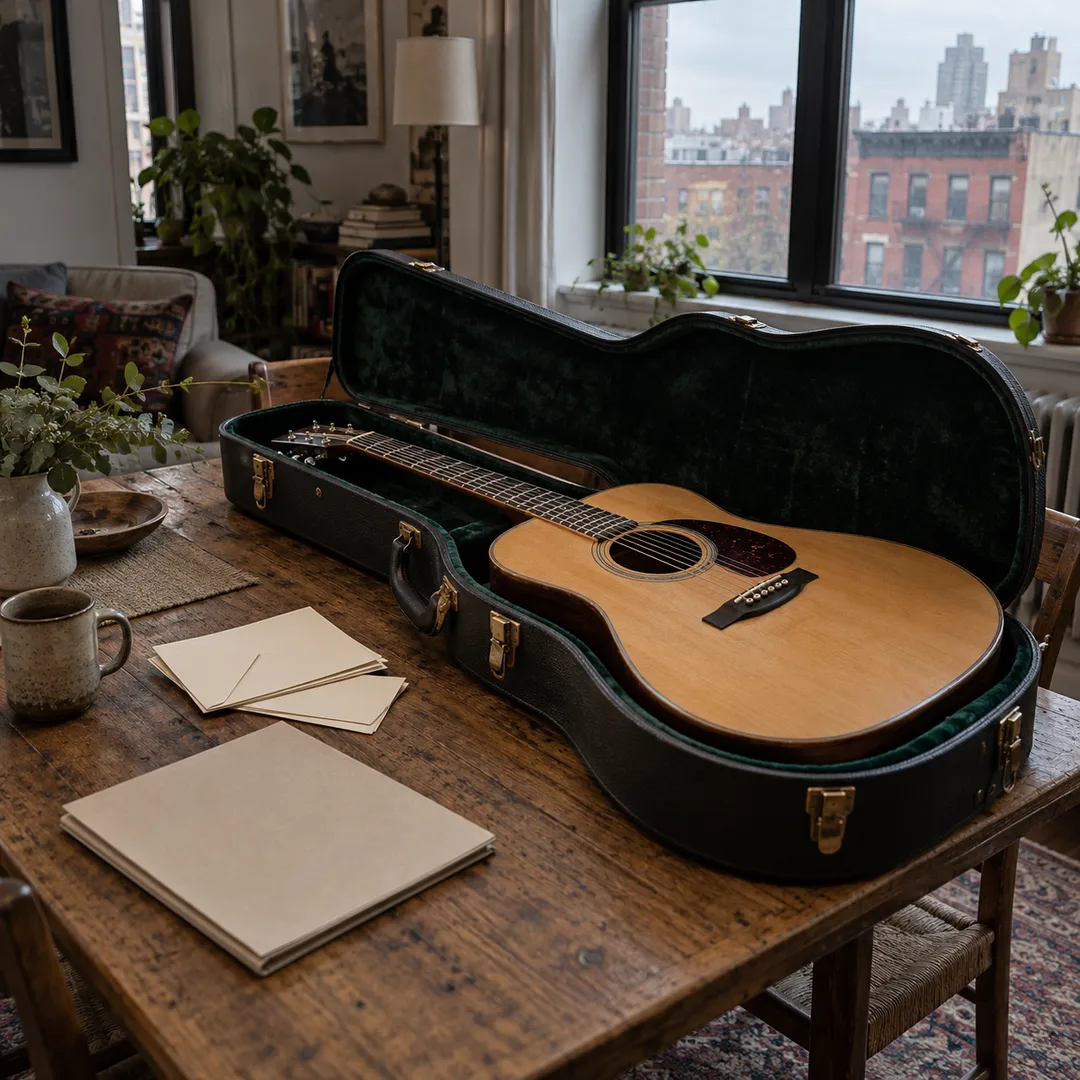
Once the responsible business gives intake instructions, plan the NYC journey around that specific destination. Tell Karpo where you start, whether you can manage stairs with the case, and when you can make a return trip. A Manhattan location near your work and a Brooklyn location near home create different collection options. The useful route fits the agreed handover. It does not turn a directory listing into an appointment or imply that the guitar will be ready when you return.
Prepare a brief inventory of what you leave: instrument, case, and any accessories the business has requested. Retain the intake record and the contact method for updates. If the instrument will move to another workshop, ask who remains your point of contact. These are questions to resolve in the service conversation, rather than promises this guide can make. Keep the final approval, any paid estimate, and the repair description together when the guitar comes back.
Practical Notes: Keep eligibility and logistics separate
The completed packet should let another person follow the story without guessing: what guitar you own, what happened, which documents you hold, and what answer you need. Use Karpo APP for a clearer inquiry and manageable NYC travel choices. Leave coverage, technical assessment, and work authorization with the manufacturer and responsible repair business. Skip a speculative drop-off when the prescribed service route is still unresolved; an organized message is the more useful next step.
Ask Karpo for more information.
Keep reading
- Chelsea Consignment Shop Crawl Planner for Your First Studio
 East Village Consignment Shop Crawl Planner: Leather Jackets
 Harlem Consignment Shop Crawl Planner for a Jazz Night Look