 Chelsea Consignment Shop Crawl Planner for Your First Studio
Hidden Gems & Odd Finds
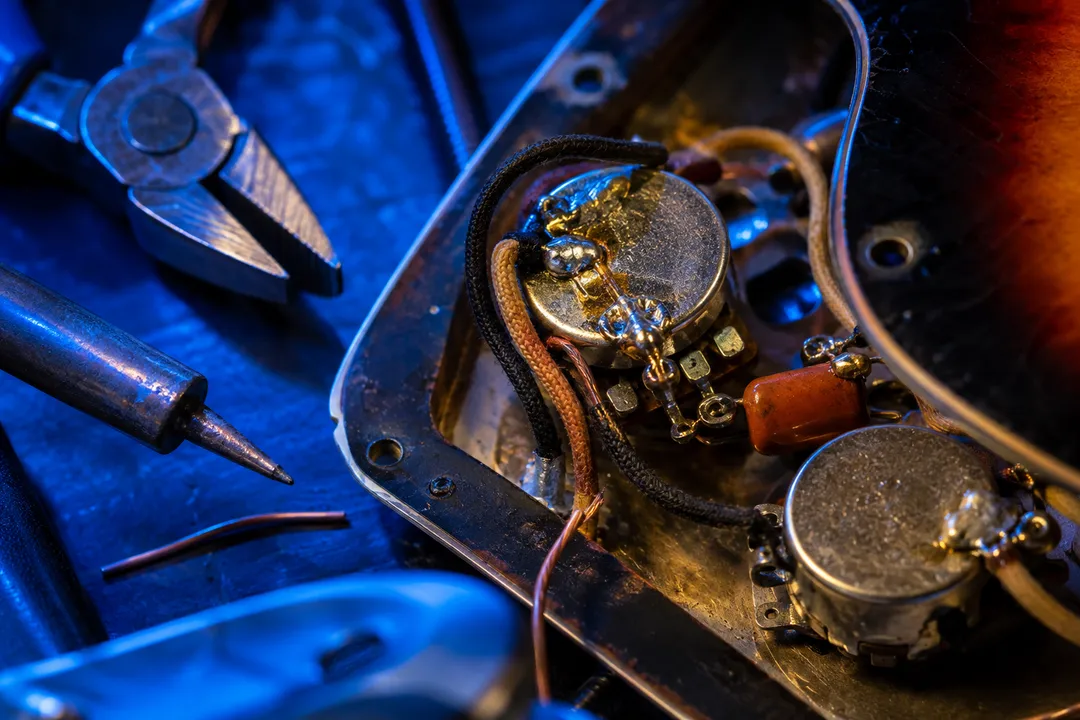
Tone Wolf Guitar Repair Shop: Sunset Park Fretwork
Tone Wolf Guitar Repair at 67 35th Street handles fretwork, electronics and setups by appointment in Industry City. Bring a precise symptom.
Tone Wolf Guitar Repair works from Suite C530 at 67 35th Street in Brooklyn's Industry City. Its official site names local guitar repair, fretwork, electronics and setups, so this is a focused technical appointment rather than a retail browse. Bring the instrument in its case and describe the repeatable symptom first: a fret that catches, a selector that crackles, or a signal that disappears.

Inside Industry City
For a player carrying a modified instrument, list every non-original pickup, bridge, switch or tuner before the visit. The inventory protects both sides of the conversation and makes any later parts decision easier to understand.
If the bench requests a recording, make one clean clip at the tuning where the issue appears. A single repeatable example is more useful than many unrelated takes and gives the repairer a reliable starting point.
Keep the pickup plan, approved parts and next contact date in writing. Those three details turn a technical intake into a manageable handoff, even when completion must happen on another day.
Make The Fault Legible
The final handoff should preserve the instrument, the agreed scope and the next contact point. Keep the case secure and the repair note accessible until the work is complete.
Industry City is a large working campus, and Suite C530 is easier to find when the address is saved before leaving home. Leave extra time for the complex's corridors and elevators. The useful arrival habit is simple: keep the case closed, carry the cable and pedals together, and have the guitar's normal tuning and string gauge written down where the technician can see them.
Tone Wolf's service vocabulary separates fretwork, electronics and setups. Use those labels when asking for an intake. A setup can address playability, while fretwork changes the contact surface and electronics work follows a different diagnostic path. A precise request gives the bench something measurable to assess and keeps a broad word like “fix” from hiding three unrelated jobs.
When The Bench Is Ready
Before the visit, write three lines: when the fault began, where it appears, and what changed immediately before it. Photograph the bridge, control cavity or fretboard only when those areas matter. A short clean recording can show an intermittent buzz or output cut more clearly than a long explanation. The aim is evidence that survives the trip across Brooklyn.
The workshop does not publish a general walk-in schedule or a standard repair price list on its official page. That makes the booking message part of the visit. Send the instrument type, tuning, symptoms and a photograph, then wait for an intake arrangement. Do not turn up expecting a same-day bench slot; an appointment is a conversation about scope and timing.
A useful shop rule is to protect the instrument from rushed handling. Keep loose screws in a labeled bag, do not tighten a part just before arrival, and bring the cable or pedal that reproduces the problem. If the guitar has modified wiring or a vintage pickup, say so before the case opens. The technician can then choose a safer inspection sequence.
Sunset Park After Intake
When the discussion reaches a pickup, bridge or fret job, ask what symptom the proposed part or process addresses. Ask which frets are included, whether the strings are part of the setup, and what result you should feel when you play the first chord afterward. These questions turn a verbal estimate into an outcome you can recognize at pickup.
Players who work in electric music will get the most from the electronics vocabulary: intermittent output, scratchy controls, grounding noise and a pedal-chain interaction are different clues. Acoustic players should mention action, fret buzz, bridge movement and tuning behavior. The site supports both repair categories, but the intake works better when the instrument's actual complaint leads.
One honest judgment: skip the request “make it better.” Replace it with lower action at a named fret range, a quieter selector, stable tuning or a clean signal. Specific targets let Tone Wolf distinguish adjustment from restoration and protect a customized instrument from an unnecessary change. The clearer the desired result, the more useful the follow-up discussion becomes.
Practical Notes
If the proposed date does not work, leave the exchange organized rather than starting over. Keep the symptom note, photographs, model information and any part numbers in one Karpo APP note. A second message can then ask about the same instrument without a new round of guesswork. This is especially helpful when a show date makes the repair urgent.
After intake, Industry City can supply a short neighborhood pause, but do it after the repair scope is recorded. Walk the campus only if the case is secure and the return plan is clear. Sunset Park's waterfront and food stalls are a bonus; they should not distract from who will contact you, what parts are approved, and when the instrument comes back.
Bring the current strings, a tuner, the correct cable and any unusual bridge or screw that came off during an earlier job. Do not bring a pile of unrelated accessories. A compact kit lets the bench reproduce the fault quickly and reduces the chance that a borrowed cable or pedal becomes part of the diagnosis by mistake.
The strongest preparation is modest: protected case, three-line symptom record, and a clear sentence about the desired playing result. Tone Wolf's official material supports local repairs, fretwork, electronics and setups, but it does not publish a universal price, walk-in window or turnaround promise. Leave those decisions to the appointment conversation instead of inventing a number.
Practical Notes: 67 35th Street, Suite C530, Brooklyn, NY 11232 is the address to save. The official site is tonewolf.com. Because no public daily hours or general prices are posted there, arrange the visit first. Keep service wording and instrument photos together in the Karpo APP so the next question stays tied to this guitar.Use the first reply to confirm the exact intake point inside Industry City and whether the instrument should remain in its case. That small logistical question prevents a long walk with a loose guitar and keeps the appointment focused on the repair itself.
Ask Karpo for more information.
Keep reading
- Chelsea Consignment Shop Crawl Planner for Your First Studio
 East Village Consignment Shop Crawl Planner: Leather Jackets
 Harlem Consignment Shop Crawl Planner for a Jazz Night Look