 Chelsea Consignment Shop Crawl Planner for Your First Studio
Hidden Gems & Odd Finds

Rivington Guitar Repair Shop: East Village Services
Rivington Guitars at 73 East 4th Street pairs repair intake with an instrument and parts counter, a practical East Village stop for careful diagnosis.
Rivington Guitars, at 73 East 4th Street, New York, NY 10003, places Repairs under its Services menu alongside guitars, basses, folk-family instruments, ukuleles, banjos and accessories. Start by naming the instrument and the symptom, then ask what the intake covers before discussing parts or a bench estimate. The retail counter is useful context, but diagnosis should remain the first conversation.
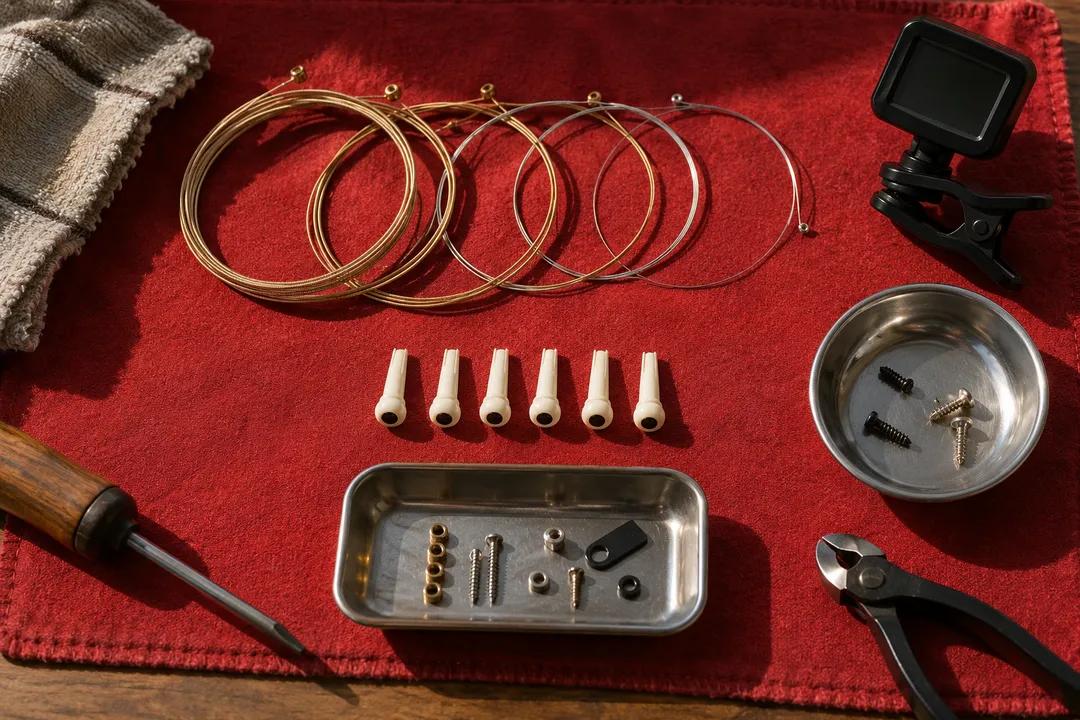
The East Village Counter
Rivington says the East Village store opened in 1998. The long-running counter feels different from a mail-in repair form because the instrument, parts and service conversation meet in the same place. Bring the normal accessories and explain whether you need a diagnosis, a setup, a restring or an electronic fix. The store’s retail range can help identify a part, but it should not distract from the original fault.
The official service material does not publish a general repair price list. That omission is useful information: leave the dollar figure blank until the staff defines the scope. Ask whether the work is handled in-house, what the next step is, and when the shop expects to contact you. A broad request for “a tune-up” creates less clarity than a sentence about action or signal.
For an acoustic guitar, say whether the sound is a buzz, bridge lift, crack or change in action. For an electric, bring the cable if output or grounding is involved. Rivington also sells folk-family instruments and accessories, so name the instrument before using guitar shorthand for a banjo, mandolin or ukulele. The right vocabulary keeps a repair conversation from starting on the wrong assumptions.
A Repair-First Intake
The counter is a practical scheduling point for working musicians because the Services menu, instrument stock and repair conversation share one address. Bring the case closed, state the fault in one sentence and ask what information the technician needs before approving any work. A clear intake protects a vintage neck, modified circuit or sentimental finish better than a rushed handoff.
Bring the case, current strings, cable and any pedal that reveals the problem. Photograph the guitar before travelling, especially if it has vintage parts or a sentimental finish. Do not tighten loose hardware in the doorway. A repairer needs to see the instrument as played, including the setup and tuning that produced the complaint.
Ask the store to distinguish a repair assessment from a part purchase. A pickup, tuner or cable may be the wrong answer if the real fault is a neck, fret or jack issue. Write down the proposed result before approving an upgrade. Rivington’s combination of repair and retail works best when diagnosis and shopping stay in separate columns.
Late Hours, Not Rush Work
The unspoken East Village rule is to make a narrow request. “The low E rattles at the fifth fret” is actionable; “it sounds bad” is not. If you tried a home adjustment, say what you turned and when. That history can prevent a second adjustment from masking the original problem and helps the technician protect the instrument’s existing setup.
Use the official contact channel to frame the intake before carrying a delicate instrument across town. Bring the case, a written symptom and the accessories that reproduce the problem. The posted storefront schedule supports planning, while the bench still needs its own inspection and scope; a drop-off conversation is not a promise of instant completion.
The East Village location makes a short Lower East Side route possible after the counter conversation. Finish the intake first, save the contact details and proposed scope, then walk. Keep one hand free for doors and stairs, and do not balance loose cables on the case. The neighborhood is the after-plan; the instrument remains the main responsibility.
A Lower East Side Detour
Skip the generic “make it better” request. Choose a target such as stable tuning, lower action, quieter frets or cleaner output. If the staff cannot quote a general price from the official page, do not fill the gap with a neighboring shop’s number. Ask for the estimate that matches this guitar and this problem.
Players browsing Rivington’s guitars, basses, folk instruments or accessories should keep the repair note visible. A new purchase may be interesting, but it does not solve the original fault automatically. Compare a part to the symptom and ask what change it is intended to create. That discipline is especially useful when the repair and retail counters share the same room.
If the shop is busy, wait for a clear handoff rather than opening the guitar case in a crowded aisle. State whether you are dropping off, buying a part or requesting an assessment. Clear intent makes a late visit easier for both sides. When the counter gives you a pickup arrangement, repeat it back and save it in your notes.
Practical Notes
An honest alternative to rushing is to leave with a diagnosis and schedule the work later. A careful repair conversation protects a vintage neck or modified circuit better than a hurried promise. Rivington gives players a physical place to discuss the problem and compare service scope with the instrument and parts already in the room.
Address: 73 East 4th Street, New York, NY 10003. The official site lists Repairs under Services and says the store opened in 1998. Source: https://rivingtonguitars.com/. Keep that address and the service menu together when planning a drop-off, and leave any unposted price or turnaround question for the staff to answer at intake.
Best fit: a player who wants repair guidance with an instrument and parts counter nearby. Bring the normal accessories, describe the fault and ask for scope before approving work. Save the service request and contact details in the Karpo APP, then keep the written diagnosis with the case until pickup.
Rivington’s strongest promise is practical access, not an advertised flat rate. Use the Services menu to frame the request and the official address to plan the visit. Leave unknown prices and turnaround times to the shop rather than writing a number the source does not publish. A narrow symptom gives the technician a better starting point.
Keep the East Village contact note and repair request together after intake.
Ask Karpo for more information.
Keep reading
- Chelsea Consignment Shop Crawl Planner for Your First Studio
 East Village Consignment Shop Crawl Planner: Leather Jackets
 Harlem Consignment Shop Crawl Planner for a Jazz Night Look