 Chelsea Consignment Shop Crawl Planner for Your First Studio
Hidden Gems & Odd Finds
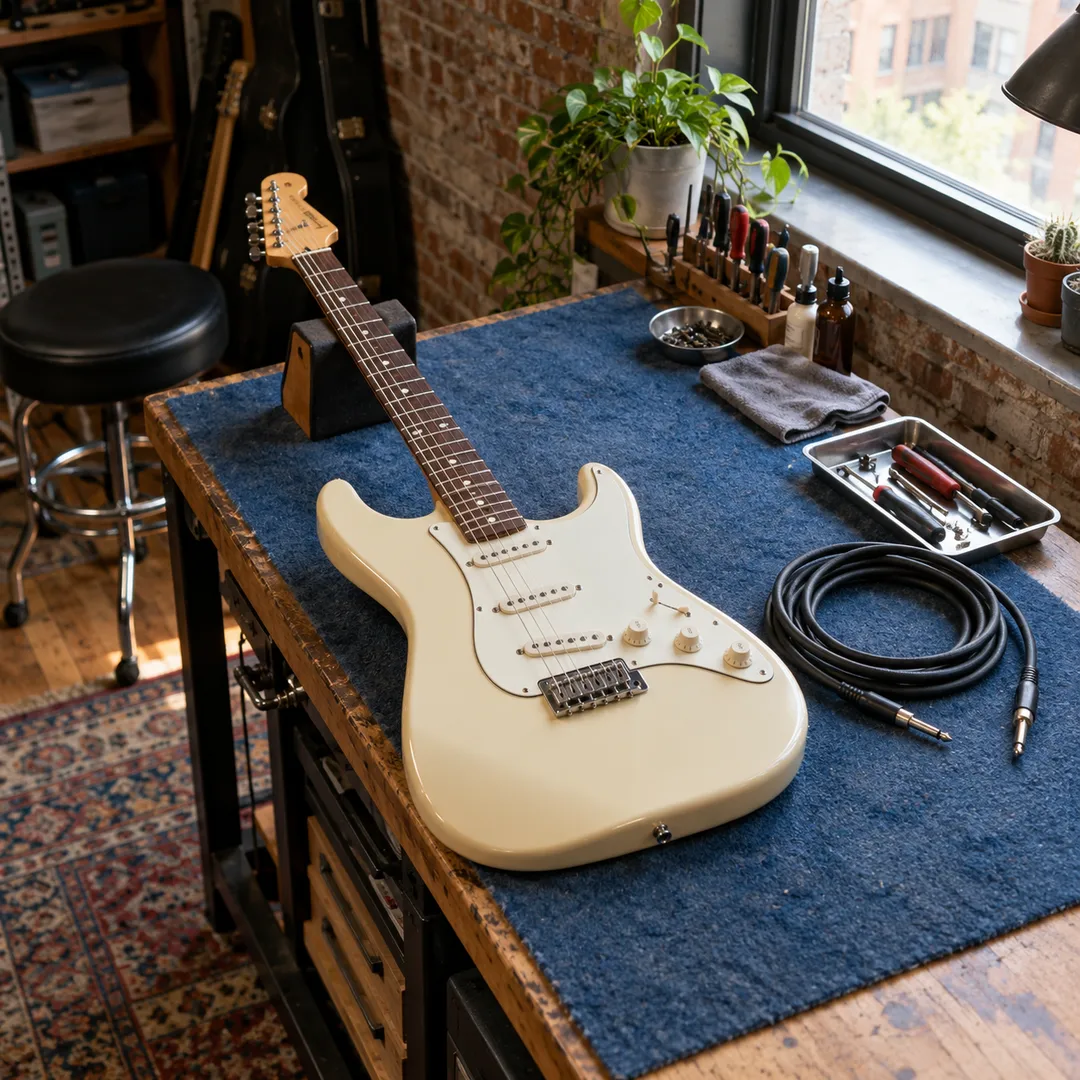
NYC Guitar Repair Shop: 5 Steps for Pickup Problems
Find an NYC guitar repair shop for pickup and output problems by comparing relevant services, intake steps, and the questions that make diagnosis useful.
A silent pickup, crackling jack, and noisy control need different repair questions. Use Karpo APP to narrow an NYC guitar repair shop search around the symptom you can actually describe, the instrument you own, and the trip you can make. The useful result is a focused shortlist and a clear handoff message. Start with five steps: record the fault, define the scope, compare relevant services, prepare the visit, and agree on a pickup test.
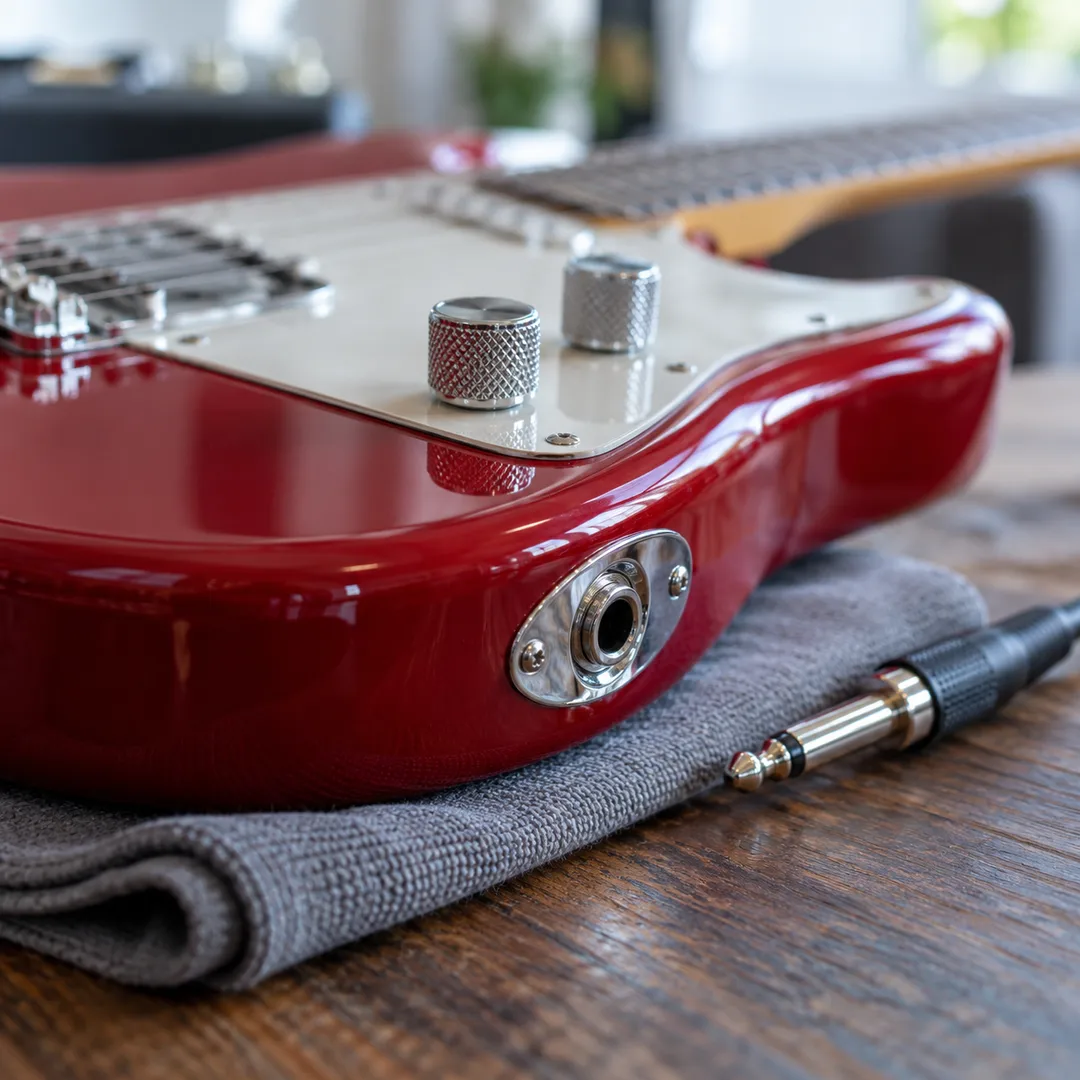
1. Give the fault a repeatable description
Write what happens before deciding which component is broken. A guitar that loses output when the cable moves presents a different conversation from one that stays silent in a particular selector position. Describe the position, movement, and sound in ordinary language. You are collecting observations for a technician, rather than choosing a replacement part. If the problem comes and goes, record when you last heard it and whether the same action brought it back.
An example brief might read: “My electric guitar cuts out when the plug moves. The bridge pickup still works in its normal selector position. I want diagnosis before any parts are replaced.” These are sample observations, not a diagnosis of your guitar. Replace every detail with your own experience. Keep a short recording if it captures the fault clearly, and retain the original file for the person who will inspect the instrument.
2. Set the repair boundary before comparing shops
Decide whether the request concerns restoring the existing sound or changing it. Repairing an intermittent connection and installing a different pickup are separate jobs with different outcomes. A page mentioning electronics does not establish that a particular upgrade suits your instrument. Put your preferred outcome first: dependable output, the existing tone preserved, or a specific modification discussed in advance. Keep optional upgrades outside the initial request so the estimate remains understandable.
Use this prompt in Karpo APP: “Help me find NYC guitar repair options for an intermittent output problem. I live in Sunset Park, can travel within Brooklyn, and want diagnosis with approval before replacement parts. Prioritize published electronics repair services and show the business page behind each suggestion.” Add your guitar type and any travel restrictions. This asks for research and comparison; it does not authorize work or establish a repair appointment.
A useful comparison has a few concrete columns: relevant service described, location, intake method, and unresolved question. An absent fee belongs in the question column rather than in a guessed price range. Ask Karpo to distinguish a merchant's explicit service statement from a general musical-instrument listing. A shop selling electric guitars may be a useful lead, but retail inventory alone does not answer whether its bench handles the fault you described.
3. Shortlist by evidence and by the trip with a case
Choose relevance before proximity. The closest result may be convenient for strings while another workshop explicitly discusses electronic repairs. Ask for a small set of candidates, with the reason each fits your request stated in one sentence. Reject entries whose explanation merely repeats “guitar repair” without connecting it to your symptom. The point is to reduce the number of conversations you need, while preserving the question that only an inspection can answer.
Then add the practical journey. A Brooklyn player starting in Sunset Park might prefer a direct trip to another Brooklyn neighborhood over a Manhattan transfer, even when both look similar on a map. Tell Karpo whether a long walk with a hard case is acceptable and whether you need a return journey after work. Treat the route as part of the choice, alongside service relevance, rather than letting distance alone settle it.
Do not ask an app to declare the broken component from a written description. A buzzing signal, a loose-feeling control, or an intermittent connection can be described without opening the guitar. Skip purchasing replacement parts simply because their names resemble the symptom. Your next useful action is a focused inquiry to a relevant repairer. If you already own a proposed part, say so, and ask whether the workshop accepts customer-supplied components before bringing it.
4. Prepare an intake message that gets a useful answer
Put the guitar model, symptom, desired outcome, and approval boundary into one compact message. Include any earlier modifications you know about, particularly a pickup replacement or a change to the controls. A technician should not have to infer whether the guitar's wiring is original. Avoid describing every musical frustration at once. Lead with the failure that brought you to the bench, then list secondary concerns separately so they do not become assumed authorizations.
Ask the repairer how to bring the instrument in and whether the cable associated with the problem would help the assessment. The business's reply determines the visit. A suggested location on a shortlist is not evidence of an available appointment, and an opening-hours listing is not a promise of immediate bench time. Keep those distinctions in your notes. Once a shop supplies an intake arrangement, copy that exact arrangement into your own calendar.
For an estimate, separate inspection, labor, components, and any other stated charges. You do not need an invented typical price to compare two replies. One may describe a diagnostic stage and another may offer a defined replacement job. Put them on the same footing by recording what each answer includes. If the second reply assumes a new pickup while you requested preservation of the current sound, return to that difference before approving the work.
5. Agree on what pickup should demonstrate
Your collection test should mirror the original symptom. If the fault occurred while moving a cable, describe that action when discussing how the completed work will be demonstrated. If one selector position was silent, include that position in the handoff notes. The repairer decides the appropriate technical test. Your role is to explain what success sounds like in your normal use, so a quiet guitar on the counter does not leave your original complaint unaddressed.
Keep the written scope and the final invoice together. Record what was repaired, which parts were replaced, and any advice the technician gives about the instrument. If a proposed change was declined, retain that decision as well. This creates a more useful history for a future visit than a vague note saying “electronics fixed.” Ask how to report the same symptom if it returns, using the workshop's own stated follow-up process.
Practical Notes: Leave with a shortlist, not a diagnosis
The finished research packet can be short: your symptom paragraph, a few relevant NYC candidates, their published service descriptions, and the questions still awaiting a reply. Use Karpo APP to help organize those choices and a sensible trip. Leave technical conclusions, repair authorization, and collection arrangements with the people handling the instrument. A successful search ends when you know whom to contact, what to ask, and what outcome you are trying to hear.
Ask Karpo for more information.
Keep reading
- Chelsea Consignment Shop Crawl Planner for Your First Studio
 East Village Consignment Shop Crawl Planner: Leather Jackets
 Harlem Consignment Shop Crawl Planner for a Jazz Night Look