 Chelsea Consignment Shop Crawl Planner for Your First Studio
Hidden Gems & Odd Finds
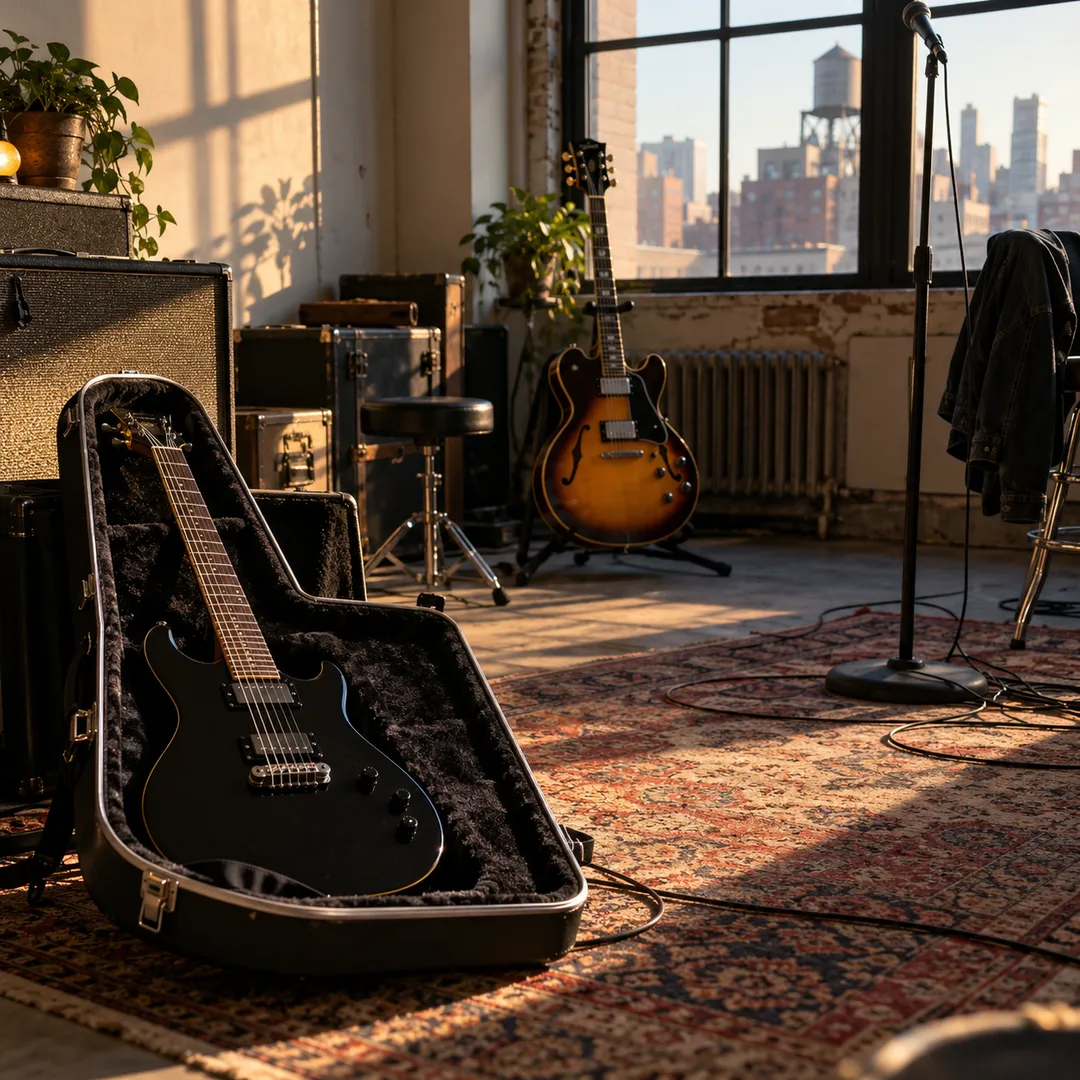
NYC Guitar Repair Shop: 3 Plans Before Your Gig
Build three plans for an NYC guitar repair shop search before a gig: a repair inquiry, a backup instrument, and a workable drop-off and collection route.
Before a gig, run three plans in parallel: a focused repair inquiry, a usable backup, and a realistic NYC handover route. Karpo APP can help narrow a guitar repair shop search around your instrument and travel constraints, while you give the repairer the actual performance deadline. A nearby result is not a promise of bench availability. Build the evening around an instrument you can use, and treat the repair schedule as an agreement that still needs a direct answer.
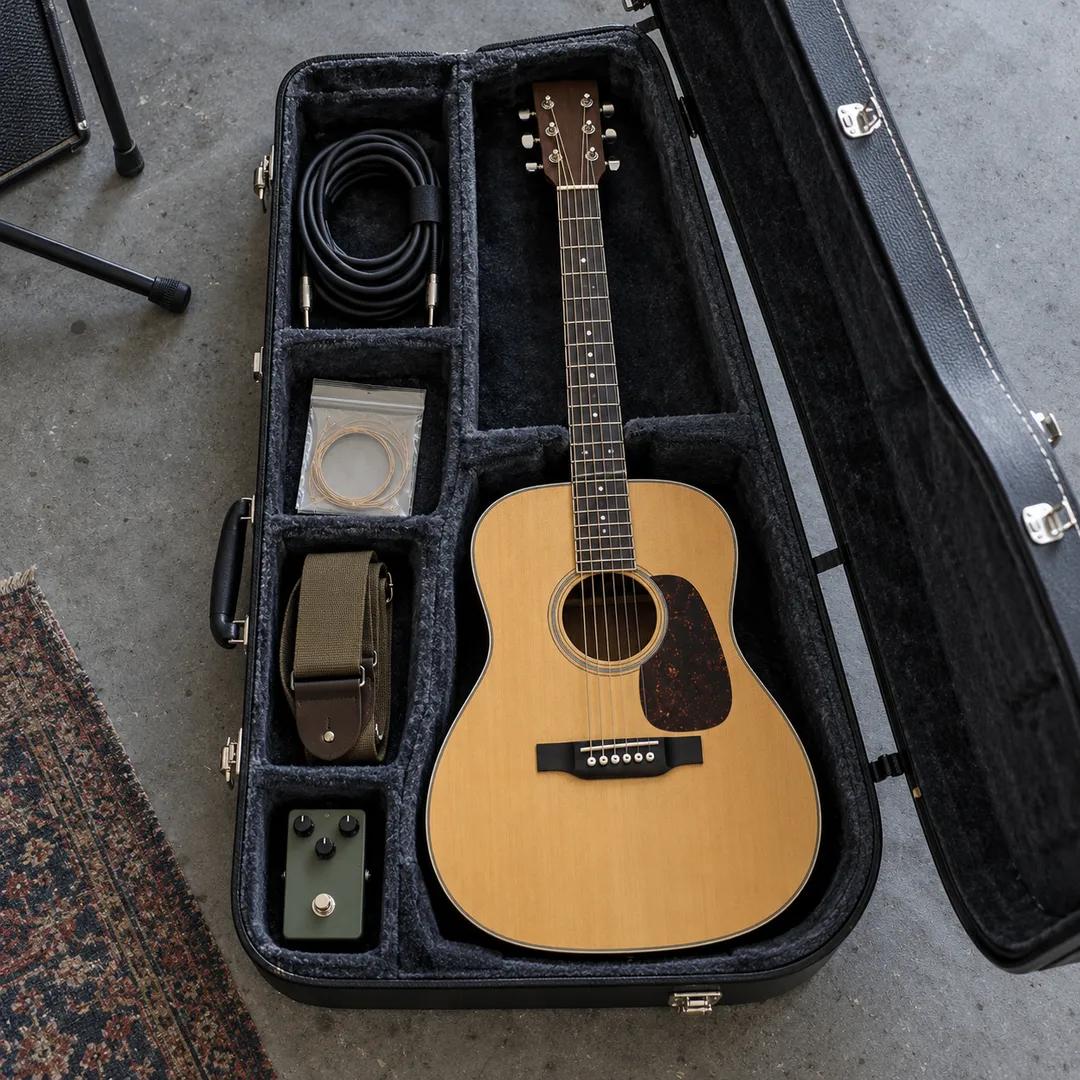
Put the performance deadline in a complete sentence
Write the date of the performance, the time you must leave for it, and the last point at which collecting the guitar would still be useful. Those are three separate constraints. A guitar ready before the performance begins may still be impossible to collect if you are already traveling to soundcheck. Work backward from the moment you need the case in your hand, including the trip home or to the venue and any equipment preparation you require.
Add one sentence describing the failure. “The output drops when I move the cable, and I need a dependable instrument for a performance” is a better inquiry than “urgent guitar repair.” Replace that example with your own observation. Include the guitar type and any known modification relevant to the complaint. Keep the technical conclusion open. Your deadline explains the urgency, while the symptom helps a repairer decide whether the inquiry belongs at that particular bench.
Plan A: Ask for a decision on a limited repair
In Karpo APP, try: “Help me find NYC guitar repair options for an electric guitar with this symptom. I start in Midtown and can travel after work. Prioritize relevant published services and a manageable collection trip. Help me write an inquiry stating my latest useful pickup time, without assuming same-day availability.” Add your own time and travel limits. This asks for a search and a clearer message, not for an automatic rush booking.
Look for a small number of relevant contacts rather than sending the same vague request everywhere. Compare what each business says it repairs and how it accepts instruments. A workshop with an appropriate service description may still be unable to take the job within your deadline. Keep that answer visible when it arrives. A research result, an intake acceptance, and an agreed completion arrangement are different milestones, and only the last one supports a collection plan.
State the smallest outcome that would make the guitar usable for this event. You may be asking to address an intermittent fault rather than requesting a full upgrade or cosmetic work. Let the repairer assess whether that limited outcome is appropriate. Do not ask for essential work to be omitted merely to meet a date. Keep optional changes on a separate list for a later visit, when they can be discussed without the performance acting as a countdown.
When the business replies, record what it can accept, the proposed scope, and the pickup arrangement it is actually willing to give. Ask how approval works if assessment changes the job. An urgent label is not consent to any repair at any price. If a rush charge is offered, place its stated amount and conditions beside the rest of the estimate. Leave unknown fees blank rather than inventing a typical premium for speed.
Plan B: Make the backup playable for your set
List the alternative instruments you personally have access to, including one you own or one a bandmate has explicitly agreed to lend. Access is the key word. A guitar appearing in a shop's inventory does not mean it is reserved for you, and a possible loan is not a completed arrangement. Decide which option could support the music you are actually playing. Consider the pickup output, tuning, playing feel, and equipment connections that you normally rely on.
Rehearse the set on that instrument before making it the plan. You are looking for practical differences that affect your performance, not trying to make every guitar identical. A familiar passage can reveal whether your usual fingering, volume changes, or effects sequence needs attention. Keep the repair appointment separate from this rehearsal. Having a backup lets you ask the technician for a realistic answer instead of pressing for a completion promise the workshop cannot responsibly make.
If a rental becomes part of the backup search, treat it as its own transaction. Ask Karpo to help identify relevant NYC rental options and the questions to ask, but obtain availability, collection terms, return instructions, and any deposit directly from the provider. This page names no available rental instrument or guaranteed stock. Your plan becomes usable when you have the actual arrangement, can collect the equipment, and understand what you must bring back afterward.
Decide in advance when to switch your attention fully to the backup. The decision can depend on an agreed communication point with the repairer rather than an arbitrary hour recommended by an article. Write the trigger in your own plan: for example, if the assessment has not produced a workable collection arrangement by your chosen point, rehearse and pack the alternative. This keeps the performance preparation moving while the repair conversation continues on its own terms.
Plan C: Make drop-off and collection fit the rest of NYC
Give Karpo two journeys to consider rather than only the trip to the shop. Your starting place for drop-off and your starting place for collection may differ. A Midtown worker might travel from the office on one visit and from another borough on the next. Include the weight and size of the case, your tolerance for transfers, and any accessibility needs. A nominally short route can be a poor fit if you cannot comfortably carry the instrument along it.
Build room around the handover instead of filling every gap with another stop. Intake may require a conversation, and collection may include playing through the original symptom with the technician. Your plan should allow for those activities without declaring how long the business will take. Avoid setting a social meeting immediately against a hard collection deadline. Once the case is in your possession and the handoff is complete, the rest of the outing can become flexible again.
Keep the written work order and contact details accessible while you travel. If someone else will collect the guitar, ask the business what authorization it requires and give that person the actual instructions. Do not assume that a friend can simply arrive with your name. If the guitar remains at the workshop through the performance, record the agreed next contact point and continue with the backup. A repair that takes longer than your event can still be a sensible repair.
Practical Notes: Pack for the performance you can deliver
Your final plan has three answers: who is assessing the fault, which instrument you will play, and how each case moves through the city. Use Karpo APP to help organize the search and route, then keep the direct repair and equipment agreements in your own records. Skip a last-minute modification that has no role in solving the immediate problem. The useful finish is a prepared musician with clear arrangements, rather than a hopeful assumption about a nearby workshop.
Ask Karpo for more information.
Keep reading
- Chelsea Consignment Shop Crawl Planner for Your First Studio
 East Village Consignment Shop Crawl Planner: Leather Jackets
 Harlem Consignment Shop Crawl Planner for a Jazz Night Look