 SoHo Stationery Shop Gift Picker for a New Job Desk
Hidden Gems & Odd Finds
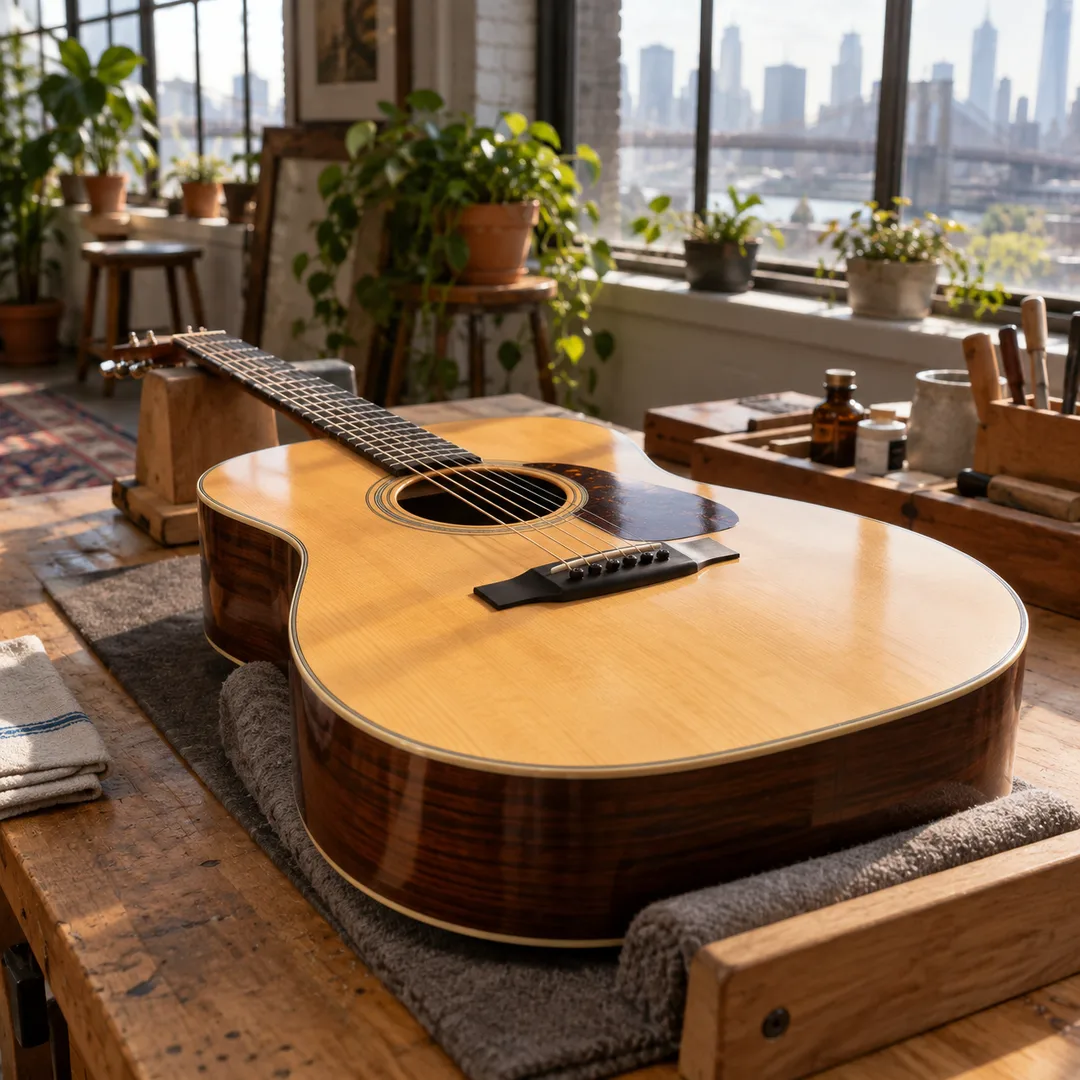
NYC Guitar Repair Shop: 4 Choices for Acoustic Damage
Compare four paths for an NYC guitar repair shop acoustic inquiry, from assessment to repair planning, with a clear scope and questions for the workshop.
An acoustic guitar with a visible crack or a worrying change in playability needs a clear assessment request before a repair decision. Use Karpo APP to compare NYC guitar repair shop options around the instrument and the work described by each business. Four choices structure the inquiry: arrange assessment, understand a targeted repair, discuss a broader restoration, or pause the project. None requires deciding the technical cause from a search result or an online photograph.
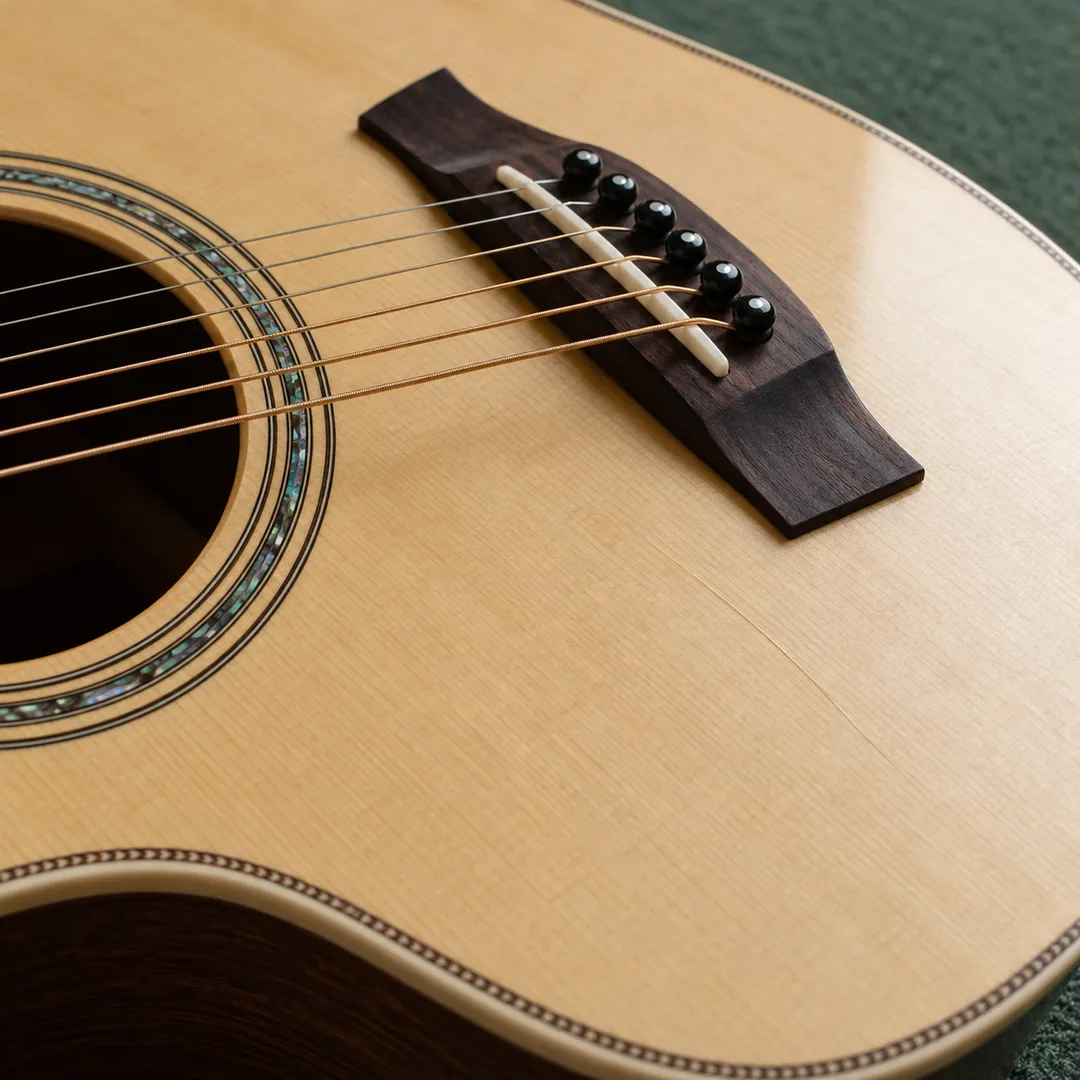
Describe what changed before choosing a repair name
Start with what you can observe. Note the location of a visible mark, when you noticed it, and whether the guitar now feels or sounds different. Take clear photographs for your own record without pushing, pulling, or trying to widen anything. An image can help explain a question, but it does not establish what is happening beneath the surface. Keep an account of any recent impact, transport, storage change, or earlier repair that you actually know occurred.
Separate appearance from performance in your notes. A mark in the finish and a change in the way notes ring are observations of different kinds, even when they appeared together. Do not turn that timing into a diagnosis. A useful opening message might say, “I noticed this line near the lower bout after moving apartments, and I want an assessment before any work is authorized.” Replace that example with your own facts and retain the photographs in their original form.
Choice one: Pay for understanding before committing to work
The first useful outcome may be an assessment rather than a completed repair. Ask a candidate workshop what its initial evaluation involves and how it reports findings. If it states an assessment charge, record the exact charge and what it covers. If it does not publish one, leave the fee unanswered until the business responds. The aim is to understand the instrument's condition and the proposed scope before agreeing to a procedure.
Use Karpo APP with a specific request: “Help me find NYC workshops whose published services include acoustic guitar structural assessment or repair. My guitar has a visible change near the body, and I want an inspection before choosing a repair. Compare the service descriptions and intake method, with a practical route from the Lower East Side.” You can widen the geographic area if service relevance requires it. A general music-store listing should remain a lead unless its repair role is established.
Ask for a concise comparison of relevant experience as described by each business, the instruments it mentions, and the questions you still need answered. Do not ask an app to rank repair quality from an attractive photograph. A workshop's account of the work it undertakes is a useful starting point, while the inspection and conversation determine whether it can take your particular project. Keep marketing language separate from the concrete service you are seeking.
Choice two: Evaluate a targeted repair against a defined outcome
After assessment, a workshop may propose work addressing a particular issue. Ask what the intervention is intended to accomplish and how success will be evaluated. Your priorities might include reliable playing, protection of the instrument, or preservation of its existing appearance. These are goals to discuss, rather than technical instructions to impose. Record any tradeoffs the technician explains so the estimate is attached to a result you understand, not just the name of a procedure.
Keep the written estimate limited to the work being discussed. If a repairer also suggests a setup or cosmetic treatment, ask whether it is essential to the proposed result or a separate option. You are not required to bundle every recommendation into the same project. A clear distinction makes it easier to compare scope and decide what to authorize. Retain the workshop's wording about labor, materials, and any further assessment rather than translating it into a simpler but inaccurate promise.
For a guitar with sentimental importance, explain that importance directly. “This was a family instrument, and preserving its appearance matters to me” gives the conversation useful context without inventing a market valuation. For an instrument used regularly on stage, explain the practical use instead. A technician can respond to priorities you state plainly. Neither emotional attachment nor a future performance date establishes which technical work is appropriate, so keep those priorities beside the assessment rather than above it.
Choice three: Treat restoration as its own project
A broader restoration deserves a different decision from fixing the immediate fault. Ask what would remain unchanged, which areas would be altered, and what information the repairer needs before offering a complete plan. If preserving original parts or visible wear matters to you, say so before authorizing work. A polished result is not automatically your preferred result. The goal is a project whose scope reflects the instrument's role in your life and the advice you receive.
Break the proposal into stages when the business offers that structure. An initial assessment, a defined repair, and optional finishing work should remain legible as separate decisions. Do not invent stages if the workshop does not work that way. Instead, ask how it handles discoveries that change the estimate. Your approval boundary should identify when another conversation is required, especially if the work could affect an area you intended to preserve.
Consider the whole commitment, including the period without the guitar and the journey to collect it. Ask Karpo to help you compare travel options only after you have relevant workshop candidates. Carrying a case from the Lower East Side to another borough can be a reasonable trade for a suitable service, but it should be a deliberate one. Keep a backup instrument question separate from the restoration estimate so urgency does not silently reshape the project.
Choice four: Pause with an informed record
You can decide to postpone a project after understanding the assessment. Ask the technician what handling or storage advice applies while you consider the proposal, and preserve that advice exactly. This page does not supply a universal treatment for cracks, lifting parts, or changing action. Skip experiments intended to make the guitar look normal for a photograph. An accurate record of its present condition is more useful for the next professional conversation than a cosmetic intervention you cannot explain.
If you seek another opinion, bring the same symptom account and disclose the earlier assessment. Compare the reasoning and proposed outcome rather than counting how many procedures each person names. Different scopes should remain visible until you understand them. Karpo can help organize those written proposals into a comparison, with uncertain points left as questions. It should not be used to pronounce which structural diagnosis is correct without the examination that the instrument requires.
Practical Notes: Let the assessment drive the outing
Prepare the case, condition photographs, known repair history, intended use, and a short list of decisions you have not made. Arrange the handover through the workshop's stated process, then plan the rest of your NYC trip around it. Use Karpo APP to make the research and route easier to manage. The finished plan should tell you where to ask, what you value, and which work needs your approval before the instrument changes hands.
Ask Karpo for more information.
Keep reading
- SoHo Stationery Shop Gift Picker for a New Job Desk
 SoHo Consignment Shop Crawl Planner: Designer Handbag Checks
 Williamsburg Stationery Shop Gift Picker for Office Swaps