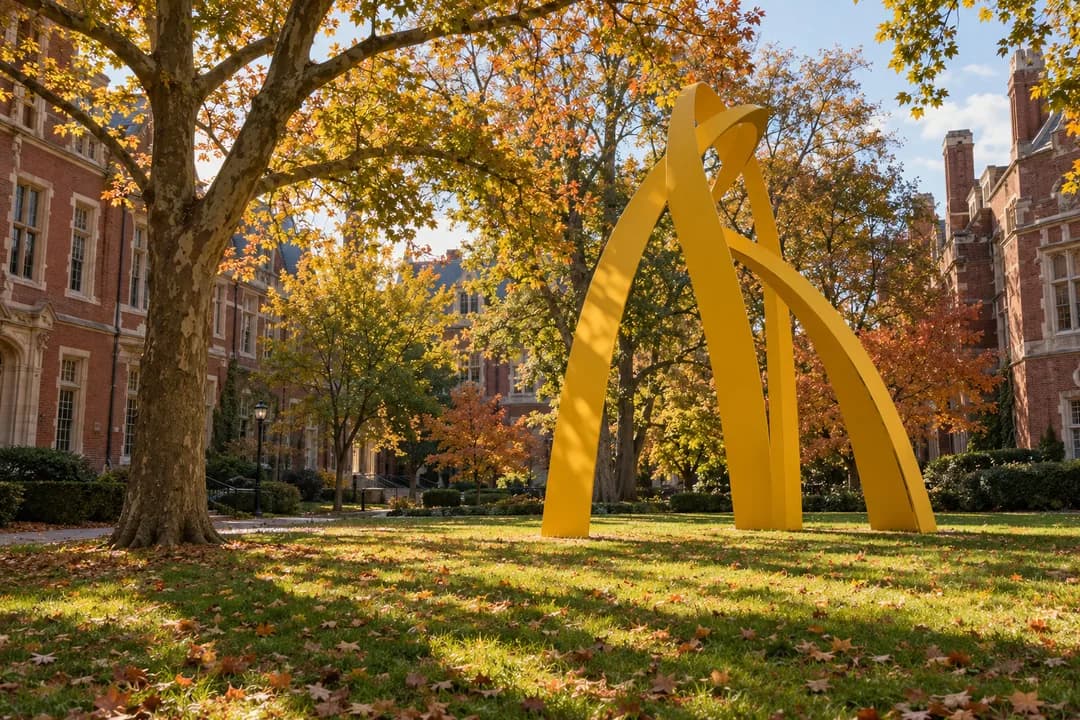
 Sculpture Garden Near Me in Clinton Hill: Pratt Institute's Free Campus Sculpture Park
Free Things to Do
The Free Queer-History Walk of Greenwich Village
A self-guided loop connecting Stonewall, Christopher Park, the Community Center, and the Hudson piers—all free, all essential.
Why this walk matters now
Greenwich Village didn't just witness queer history—it made it. The narrow streets between Sixth Avenue and the Hudson River hold the most concentrated collection of LGBTQ landmarks in the United States, and every single one is free to visit. This isn't a museum tour; it's a two-mile loop through active sites where the movement for queer liberation took root and continues to grow. June brings Pride crowds, but the walk holds power year-round, especially on weekday afternoons when you can linger without the crush. Start at Stonewall around 1 p.m., move north to the Community Center, then west to the piers for sunset. Budget three hours if you're moving steadily, four if you want to sit and absorb.
Stonewall Inn and the National Monument Visitor Center
Begin at 53 Christopher Street, where the Stonewall Inn's rainbow-lit windows mark the bar that became a flashpoint. On June 28, 1969, patrons resisted a police raid, sparking six days of protests that transformed the American gay rights movement. The current bar occupies part of the original site and welcomes visitors—order a drink if you go inside, but you can appreciate the exterior anytime. Across the street, the Stonewall National Monument Visitor Center opened in June 2024 as the first U.S. National Park Service visitor center dedicated to LGBTQ history. It's a small space with rotating exhibits, park ranger talks, and free admission. Hours vary seasonally, but it typically opens Wednesday through Sunday from 1 to 5 p.m. Stop here first to ground yourself in what happened and why it still reverberates.
Christopher Park's quiet monuments
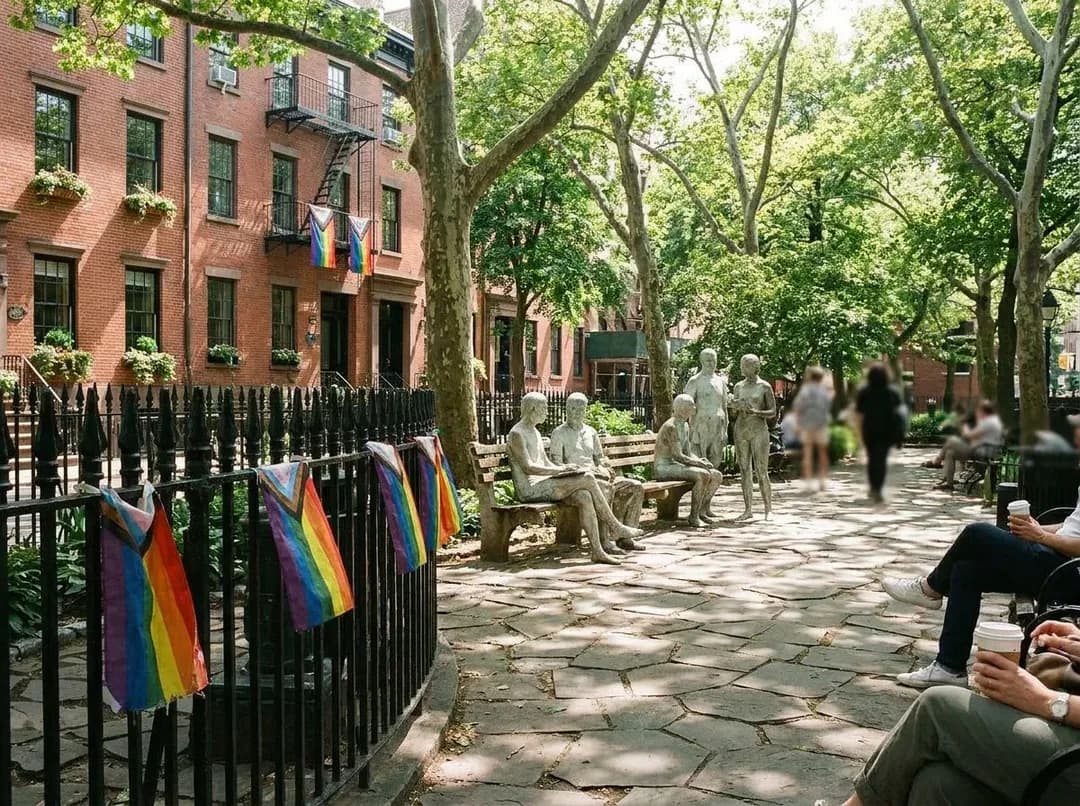
Cross the street to Christopher Park, a tiny triangular green space that serves as the monument's heart. George Segal's white-painted bronze sculptures, titled "Gay Liberation," have stood here since 1992—two male figures and two female figures, life-sized, seated and standing in casual intimacy. The ghostly white finish makes them unmissable, a quiet counterpoint to the bar across the street. Visitors often sit beside the figures or drape them with Pride flags and flowers, especially around June 28. The park also holds benches and a small lawn where locals still gather. It's a place to pause, not rush through. The juxtaposition of the sculptures' stillness against the busy intersection of Christopher and Seventh Avenue captures the tension between commemoration and ongoing life.
North to the LGBT Community Center
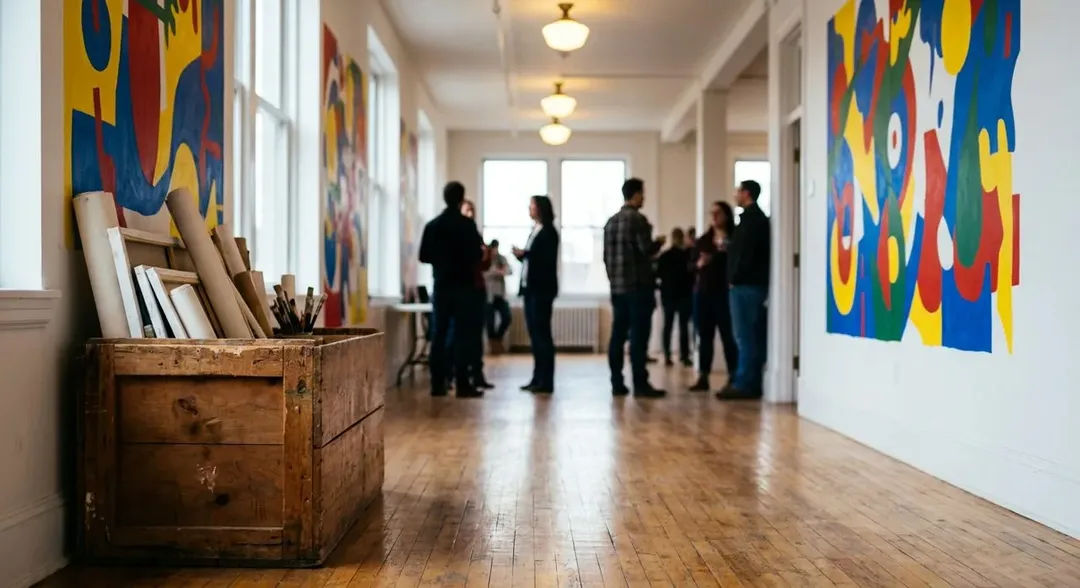
Walk north on Seventh Avenue South, then west on West 13th Street to number 208, home to the Lesbian, Gay, Bisexual & Transgender Community Center since 1983. The brick building hosts support groups, cultural programs, and events nearly every evening, and it's free to enter during open hours—typically weekdays from 9 a.m. to 10 p.m. and weekends with varying schedules. Head upstairs to see Keith Haring's 1989 mural "Once Upon a Time," painted in what was then a second-floor restroom. The mural covers the walls in Haring's signature bold lines and radiant babies, a late work completed shortly before his death from AIDS-related illness in 1990. The room is now preserved as a small gallery space, viewable when the building is open. Check the front desk if you're unsure how to find it—staff are used to directing visitors. The Center also maintains a National History Archive on the third floor, open by appointment, holding one of the largest collections of LGBTQ materials in the world.
West to Hudson River Park and Christopher Street Pier (Pier 45)
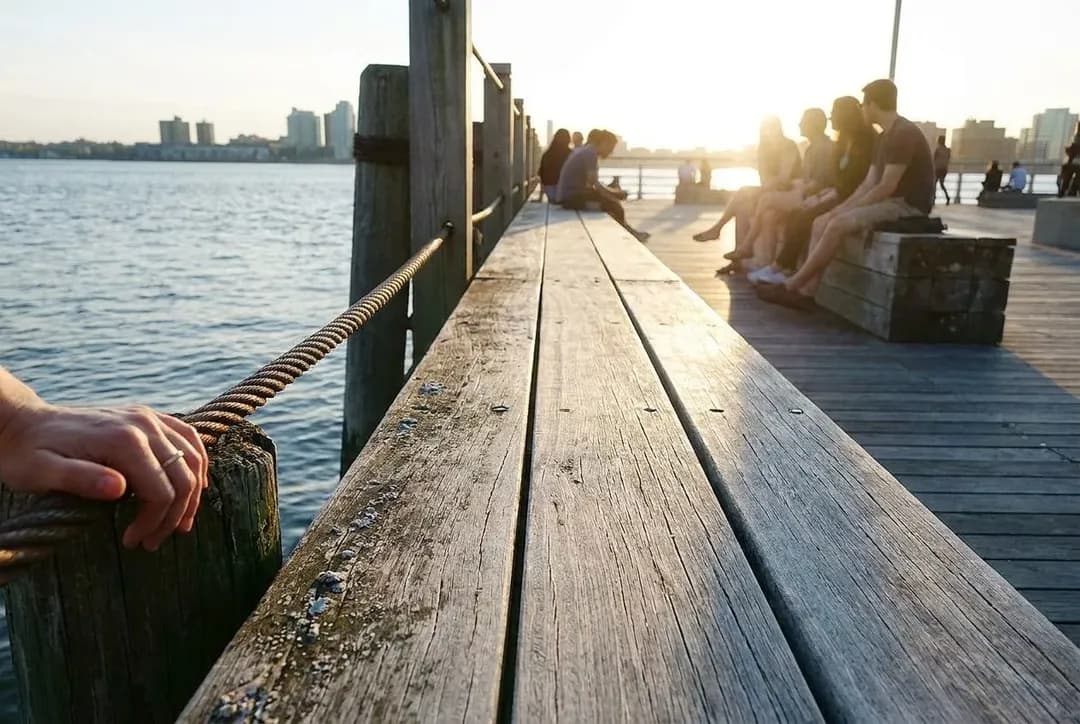
From the Community Center, walk west on Christopher Street all the way to the Hudson River—about a half-mile straight shot. The street itself is lined with rainbow crosswalks and storefronts that have served the queer community for decades, though gentrification has changed the retail mix. When you reach West Street, cross carefully (traffic moves fast) and enter Hudson River Park. Turn south and walk to Christopher Street Pier (Pier 45), a wide concrete pier jutting into the river with open lawns, benches, and unobstructed views of New Jersey and the Statue of Liberty. This pier has long been a gathering ground for Black and Latino queer and trans youth and the ballroom community, a legacy that stretches back to the 1980s when the piers were abandoned and became refuge for those pushed to the margins. Today the pier is rebuilt and maintained, but it remains a vital social space, especially at sunset when the light turns gold over the water and groups gather to talk, dance, and simply exist. Arrive between 6 and 8 p.m. in warmer months to see the pier at its best.
The river's layered history
Christopher Street Pier (Pier 45) and the surrounding waterfront carry both tragedy and resilience. During the AIDS crisis, these piers were sites of mourning and mutual aid. In the 1990s and 2000s, they offered sanctuary for homeless LGBTQ youth, particularly trans women of color and ballroom kids, even as the city began redeveloping the waterfront. The renovation of Hudson River Park, completed in phases since the early 2000s, brought safety improvements and public amenities but also displacement. Understanding this tension matters. The pier you walk on now is cleaner and safer than it was, but that came at a cost to the communities who claimed the space when no one else wanted it. Sit on a bench, watch the river, and hold both truths.
Extending or shortening the route
If you have more time, walk north from Christopher Street Pier (Pier 45) along the river path to Pier 46, another historic gathering spot, then continue to Pier 51's grassy knoll. The entire Hudson River Park greenway is accessible and free. If you want to add indoor stops, the New York Public Library's Manuscripts and Archives Division holds extensive LGBTQ collections, though those require advance appointments. To shorten the walk, skip the Community Center and go directly from Christopher Park to the piers—you'll still cover the essential ground in under two hours.
Practical notes
- Distance and timing: Approximately 2 miles total; allow 3-4 hours with stops.
- Best time to go: Weekday afternoons avoid weekend crowds; aim to reach Christopher Street Pier (Pier 45) by sunset.
- Accessibility: All sites are wheelchair accessible, including the piers and Christopher Park.
- Bathrooms: Available at the LGBT Community Center during open hours and at Christopher Street Pier (Pier 45) in the park facilities.
- Cost: Entirely free. Bring water and snacks or stop at a café along Christopher Street.
- Visitor Center hours: Stonewall National Monument Visitor Center typically open Wednesday-Sunday, 1-5 p.m.; confirm at nps.gov/ston before visiting.
- Community Center hours: Generally weekdays 9 a.m.-10 p.m.; check gaycenter.org for current schedule and evening events.
- Safety: The route is well-trafficked and safe during daylight hours; use standard city awareness at night.
Tags: #greenwichvillage #lgbtqhistory #stonewall #nycwalks #freenyc #pridemonth #queerhistory #manhattanwalks #hudsonriverpark #lgbtcommunity #nycpride #walkingtoursnyc #historicnyc #freethingstodo #nyctravel
Please drink responsibly. Must be of legal drinking age.
All trademarks are the property of their respective owners.
Ask Karpo for more information.
Keep reading
- Sculpture Garden Near Me in Clinton Hill: Pratt Institute's Free Campus Sculpture Park
 Sculpture Garden Near Me in Nolita: Elizabeth Street Garden, Saved for Good
 Sculpture Garden Near Me Downtown: Tom Otterness's Real World in Rockefeller Park