 Chelsea Consignment Shop Crawl Planner for Your First Studio
Hidden Gems & Odd Finds
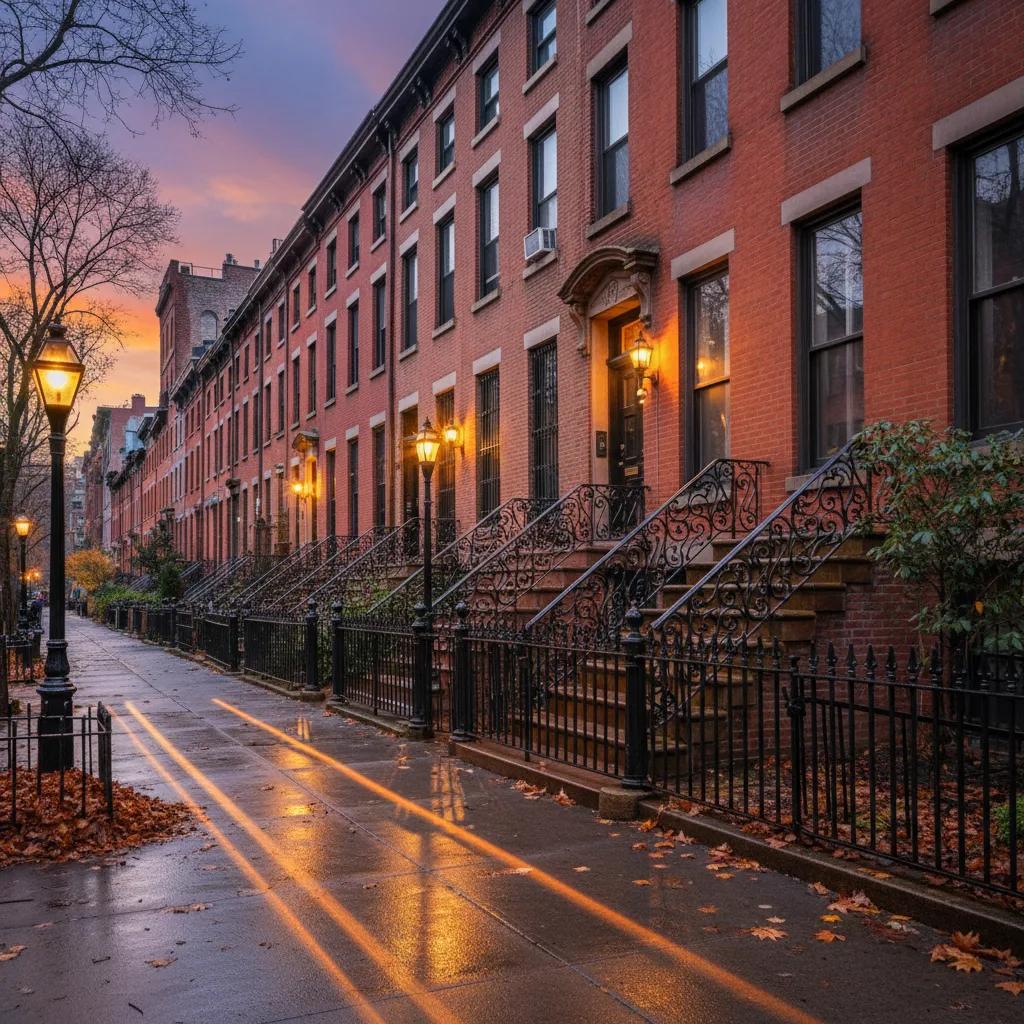
Ghost Tour in Greenwich Village: Boroughs of the Dead Walks
Ghost tour in Greenwich Village? Boroughs of the Dead leads small, archive-based walks past Poe haunts and brownstones, for history lovers over jump scares.
When autumn dusk settles across Lower Manhattan and you search for a ghost tour near me that values verified archival history over theatrical jump scares, Boroughs of the Dead stands out as the definitive standard. Founded in 2013 by historical fiction author and licensed tour guide Andrea Janes, this boutique walking tour company treats New York City's spectral legends with scholarly rigor and literary gravity. Instead of donning cheap Victorian capes or rattling plastic chains, guides lead small, contemplative groups through gaslit Greenwich Village side streets, connecting lingering ghost stories directly to documented epidemics, forgotten burial grounds, and genuine 19th-century municipal records.
The flagship Greenwich Village walking tour convenes near the Washington Arch at the base of Fifth Avenue, just steps from the West 4th Street subway station serving the A, C, E, B, D, F, and M train lines. Guests gather quietly on the paved perimeter of Washington Square Park fifteen minutes before the scheduled evening departure time. Because the route traverses narrow cobblestone lanes, residential mews, and dimly illuminated brick sidewalks, comfortable flat walking shoes and warm autumn layers are essential gear for navigating the two-hour itinerary.
What decisively separates Boroughs of the Dead from commercial walking tours is Janes' uncompromising narrative philosophy that urban ghost lore reflects genuine human grief, municipal disasters, and cultural anxieties. Tour guides are published authors, professional historians, or seasoned archival researchers who quote period newspapers, diaries, and municipal inquests with precision. Local legend says that lingering spirits remain tethered to specific architectural spaces, but the guides carefully frame supernatural claims as folklore reflections of real tragedies rather than confirmed physical facts.
The Greenwich Village itinerary anchors on the West 10th Street corridor, famously home to the historic brownstone known as the House of Death at 14 West 10th Street. Local legend says this graceful 1850s residence houses more than twenty restless apparitions, including the spirit of Samuel Clemens, better known as Mark Twain, who briefly rented the parlor floor between 1900 and 1901. Standard adult tickets cost $35 per person for the two-hour walking route, offering extraordinary historical insight into the tragic 1980s Stein murder and the earlier architectural transformations of the block.
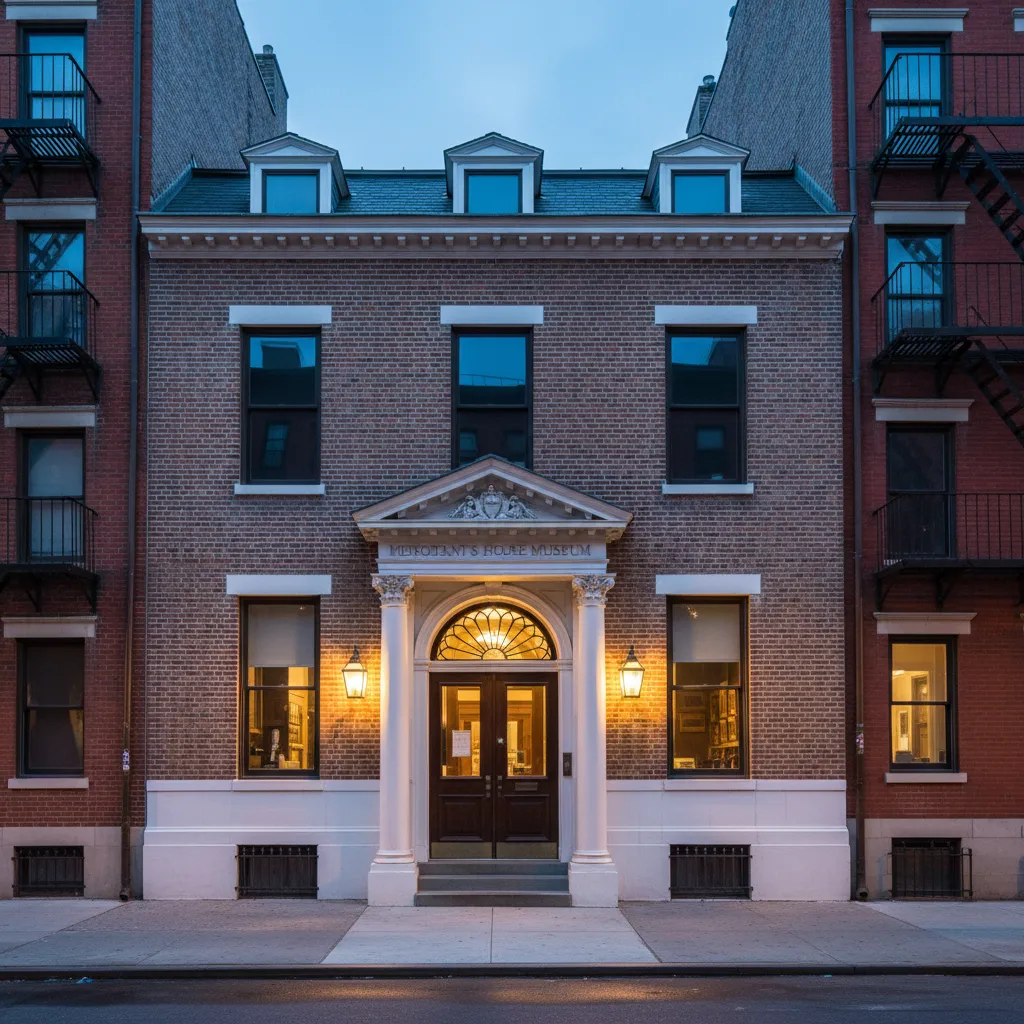
Continuing along the leaf-strewn sidewalks of East 4th Street, the tour pauses outside the austere Greek Revival facade of the Merchant's House Museum at 29 East 4th Street. Built in 1832 for wealthy hardware merchant Seabury Tredwell, the red brick landmark remained inhabited by his eccentric youngest daughter Gertrude until her death in 1933. Museum staff and neighbors recount unverified reports of pianos playing in darkened parlors and rocking chairs swaying on floorboards, stories the guide contextualizes against the Tredwell family's rigid religious devotion and social isolation.
The walking path weaves past Edgar Allan Poe's former residence on West 3rd Street and explores the shadowed iron gates of St. Mark's Church in-the-Bowery on East 10th Street. Beneath the historic cobblestone courtyard lies the ancestral burial vault of New Amsterdam Director-General Peter Stuyvesant, who died in 1672. Local lore claims his peg-legged footsteps pace the stone churchyard, while historical commentary highlights the dramatic 1878 grave-robbing of department store magnate A.T. Stewart that sent shockwaves through gilded Manhattan society.
Ticket prices for standard weekend walking tours run $35 for adults, while extended Halloween seasonal specials running through late October 2026 are priced at $40 to $45 per ticket. Tours require advance reservations through the official website, as group sizes are strictly capped at twenty participants to preserve an intimate listening environment and prevent crowded bottlenecks on residential sidewalks. For 2026 Halloween week, evening slots consistently sell out two to three weeks in advance, making early online booking mandatory.
Weekend tours depart promptly at 7:00 PM and 9:00 PM on Friday and Saturday evenings throughout the October season, with select Sunday twilight departures beginning at 5:00 PM. Participants must check in ten minutes prior to departure; guides do not delay walks for late arrivals to ensure the scheduled route finishes on time. In case of light rain or autumn drizzle, tours proceed under umbrellas, with cancellations issued only during severe weather warnings or citywide gale emergencies.
The ambient mood of the walk feels like an immersive, open-air salon on dark urban history rather than a manufactured haunted house attraction. Guides carry no loud megaphones, microphones, or theatrical props, relying instead on deliberate pacing, measured vocal cadence, and evocative period quotes to captivate their audience. The hush that settles over small alleys like Patchin Place or Gay Street under flickering amber streetlamps provides an atmospheric backdrop that feels genuinely eerie without relying on cheap theatrics.
Before your scheduled tour begins, grab an espresso or bitter hot chocolate at Caffe Reggio on MacDougal Street, operating since 1927 beneath antique Renaissance paintings. After completing the walk, decompress nearby at Marie's Crisis Cafe on Grove Street, an underground piano tavern dating to the 1850s where Broadway performers and neighborhood locals sing show tunes around a battered upright piano. Alternatively, walk two blocks west to Blind Tiger Ale House for craft beers and hot cider alongside a lively neighborhood crowd.
Practical Notes: Expect $35 to $45 per person for ticket admission, plus extra for post-tour drinks and dining. Wear broken-in walking shoes suitable for uneven flagstone sidewalks, tree root bulges, and damp brick streets. Public restrooms are unavailable along the walking route, so plan to use facilities at nearby cafes or subway stations prior to joining the group. Audio recording during the guide's presentations is prohibited, though still photography of historic building facades is warmly welcomed. The route covers roughly 1.5 miles at a relaxed walking cadence, with several prolonged standing stops at designated historic landmarks.
Boroughs of the Dead is ideally tailored for avid history buffs, historical literature enthusiasts, true crime aficionados, and solo travelers seeking thoughtful cultural depth over carnival gimmicks. Families with older teenagers will appreciate the sophisticated storytelling and architectural context, while very young children or visitors looking for jump scares and costumed ghouls will find the academic tone overly subdued. It represents the finest expression of New York's rich tradition of literary and macabre public scholarship.
By grounding every ghostly tale in municipal history, architectural preservation, and empathetic historical storytelling, Boroughs of the Dead elevates the humble ghost walk into a memorable work of public history. As the shadows lengthen across the red brick townhouses of Greenwich Village, you will walk away with an enduring appreciation for New York City's complex, layered past and the forgotten lives that shaped its streets.
Ask Karpo for more information.
Keep reading
- Chelsea Consignment Shop Crawl Planner for Your First Studio
 East Village Consignment Shop Crawl Planner: Leather Jackets
 Harlem Consignment Shop Crawl Planner for a Jazz Night Look