The platform that knows you're early
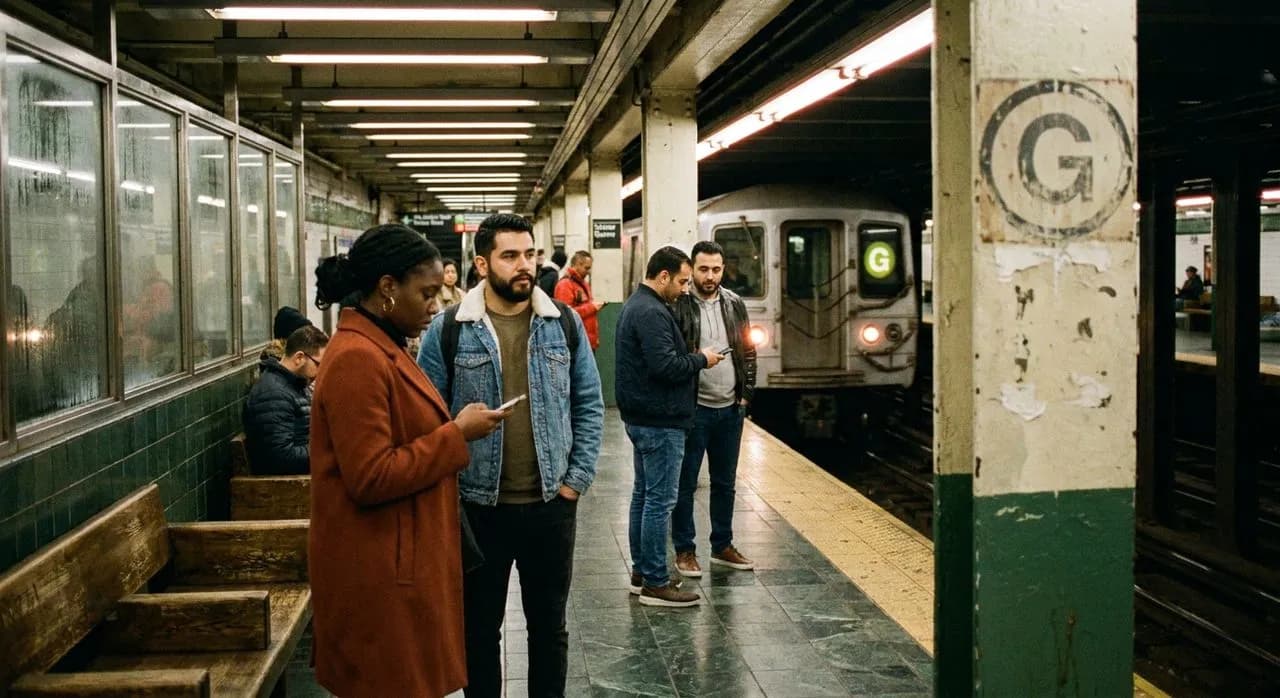
The G train runs four-car sets on platforms built for ten. This means you'll spend your first few rides walking mid-platform, waiting where the doors should open, then watching the train materialize somewhere behind you. Regulars know: stand near the center staircase at Court Square, the back half at Nassau Avenue, the front third at Carroll Street. The conductors don't announce these positions. You learn them the way you learn which bodega makes the good sandwiches—through repeated miscalculation and eventual muscle memory. The Metropolitan Transportation Authority calls this "operational flexibility." Everyone else calls it the G.
Updated August 2026: hours, prices, reservations, event dates, transit details, and venue policies can change. Use the linked official venue, city, or operator sources in the Sources section as the final reference before you go.
The line opened in phases between 1933 and 1937 as the Brooklyn-Queens Crosstown, back when crosstown meant something different than it does now. It was designed to connect industrial waterfronts and residential neighborhoods that fed workers into Manhattan via other trains. Eighty-seven years later, it still does exactly that, though the factories are loft conversions and the workers are freelancers checking email between stops.
Greenpoint's morning equation
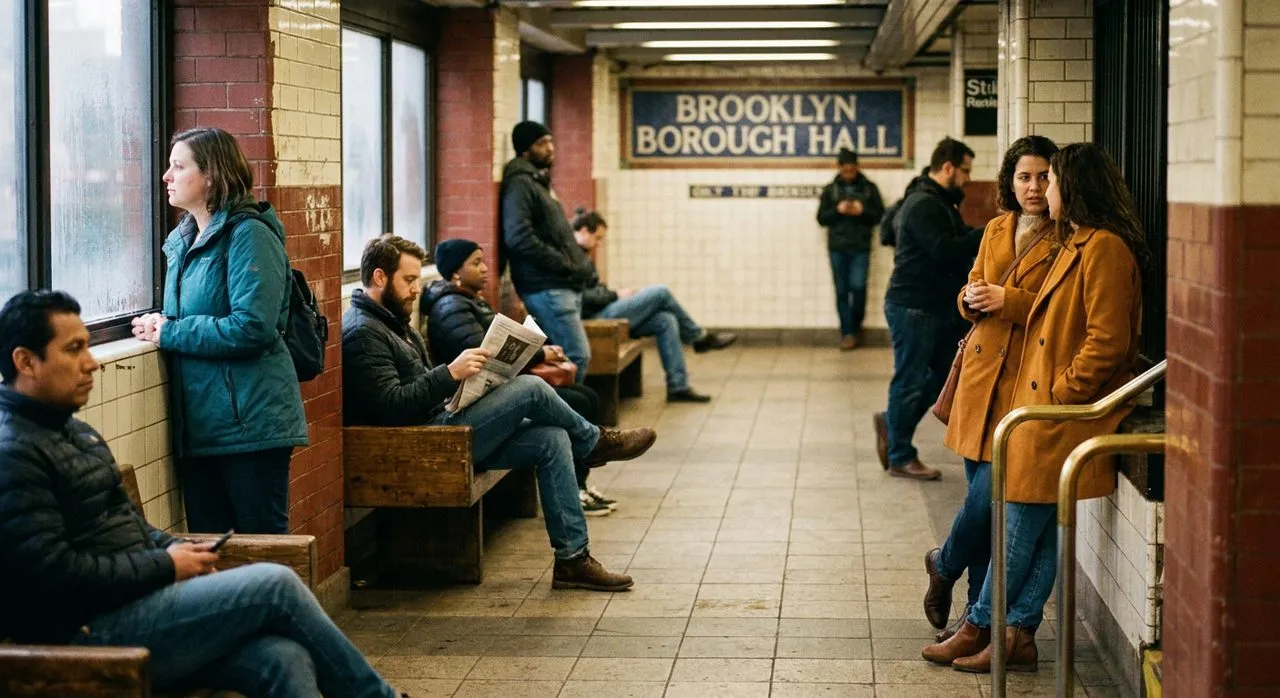
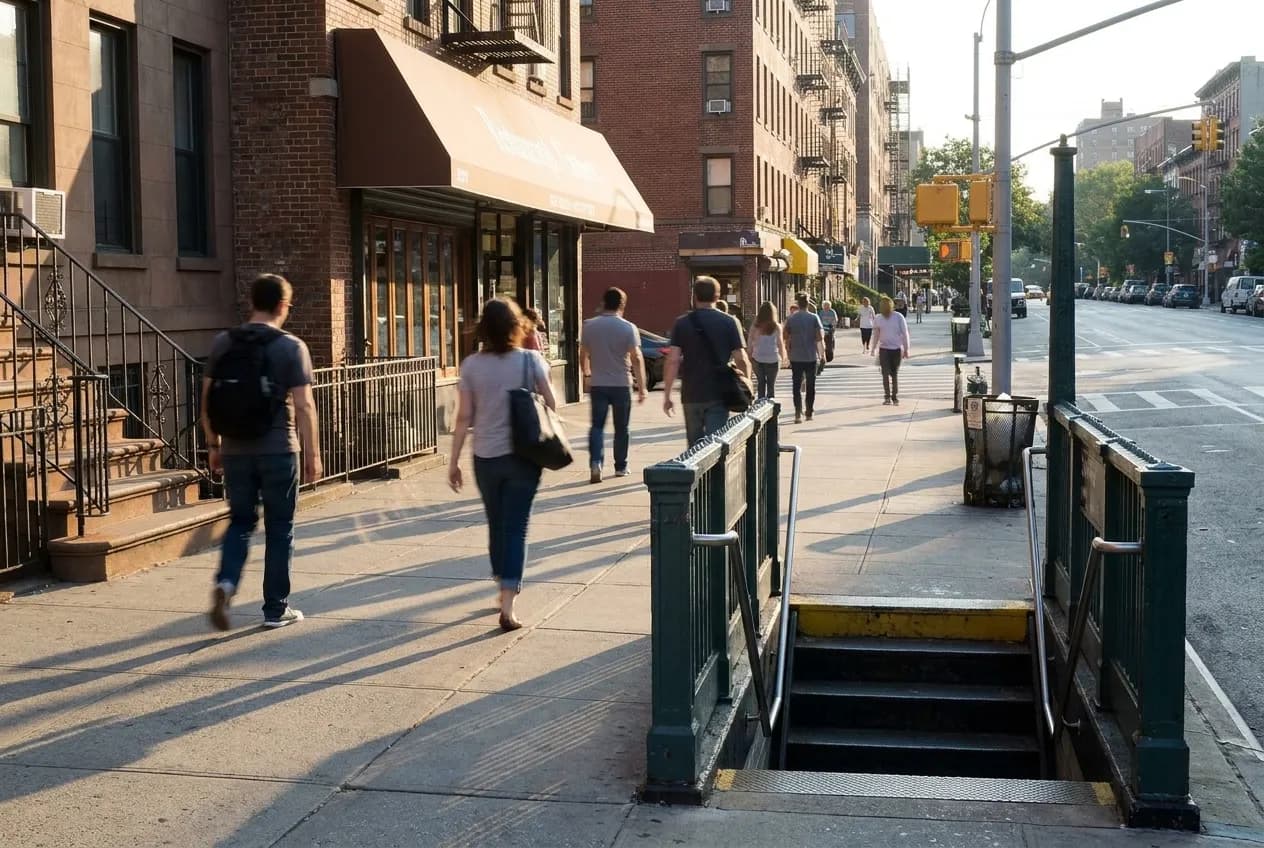
You board at Greenpoint Avenue around 8:20 AM on a Wednesday, which means you're surrounded by people who've already made their coffee at home. The morning G crowd treats the commute like a living room—legs crossed, books open, headphones creating private sound booths in public space. A woman in seat 4B of the second car (counting from the front) has claimed that spot every weekday for three years, according to the guy who sits across from her. They've never spoken, but they nod.
The train surfaces briefly between Greenpoint and Nassau, running elevated above a stretch of Brooklyn that still has auto body shops with hand-painted signs. For forty seconds you can see into third-floor apartments, laundry hanging in windows, someone's entire kitchen visible in cross-section. Then you're underground again, dropping into Williamsburg before the neighborhood figured out it was supposed to be Williamsburg. The Bedford-Nostrand stop opened in 1937 serving Polish and Italian families. Now it serves their grandchildren's landlords.
The transfer nobody takes
At Broadway, the G crosses the J/M/Z at a platform that feels like it was designed by someone who'd heard about subway stations but never seen one. The transfer requires a walk through a tunnel that curves like an intestine, depositing you at a different platform entirely. The MTA's official transfer time is four minutes. The actual transfer time is six minutes if you're moving with purpose, nine if you're checking your phone. Most people just stay on the G.
This is where the line's identity solidifies. Past Broadway, you're committed to the non-Manhattan experience. You're riding through Bed-Stuy, Clinton Hill, Park Slope—neighborhoods that relate to each other horizontally rather than radiating from a central business district. The woman selling tamales at Classon Avenue (weekday evenings, 5-7 PM, cash only, chicken are better than pork) has never taken the G to Manhattan because the G doesn't go to Manhattan. She takes it to work in Williamsburg, to her sister's in Kensington, to the good Asian grocery near Church Avenue.
Clinton-Washington's architectural accident
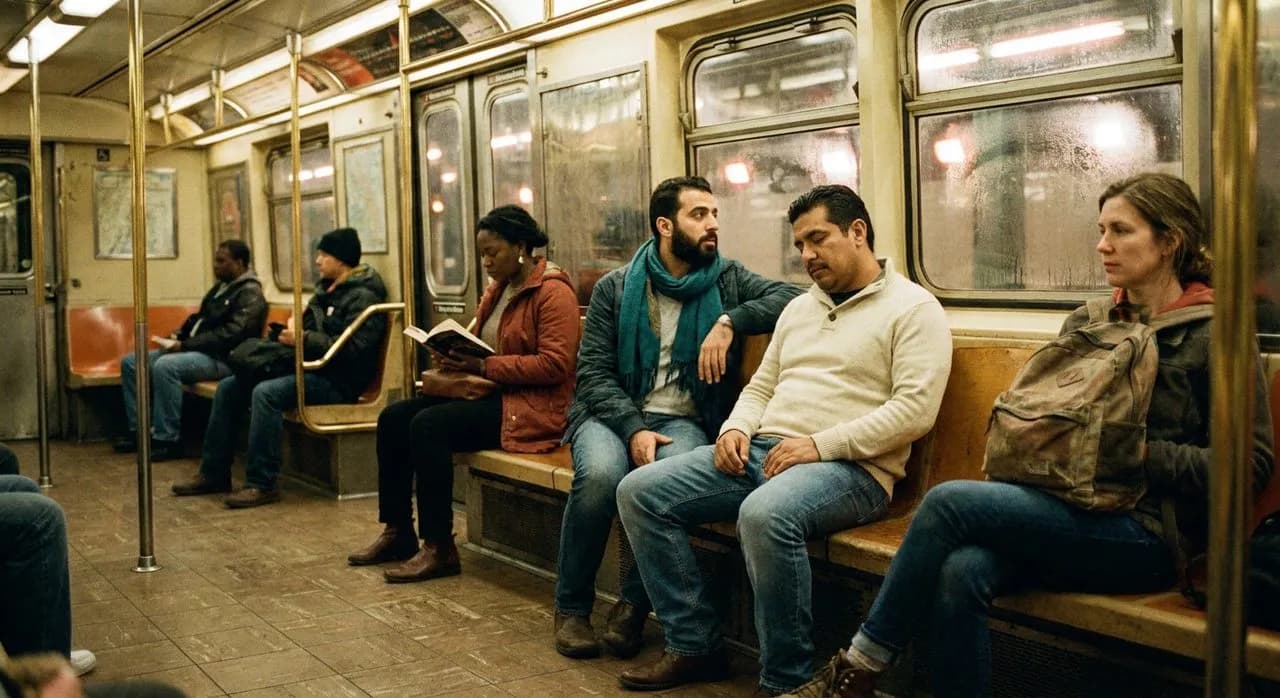
The Clinton-Washington stop has the most beautiful tile work in the system, and nobody knows why. Cream and blue terra cotta arranged in geometric patterns that look like they belong in a significantly fancier station. The platform also has a bench—seat 3, specifically, on the Queens-bound side—where the cell signal inexplicably works despite being sixty feet underground. Local freelancers treat it like an office during off-peak hours.
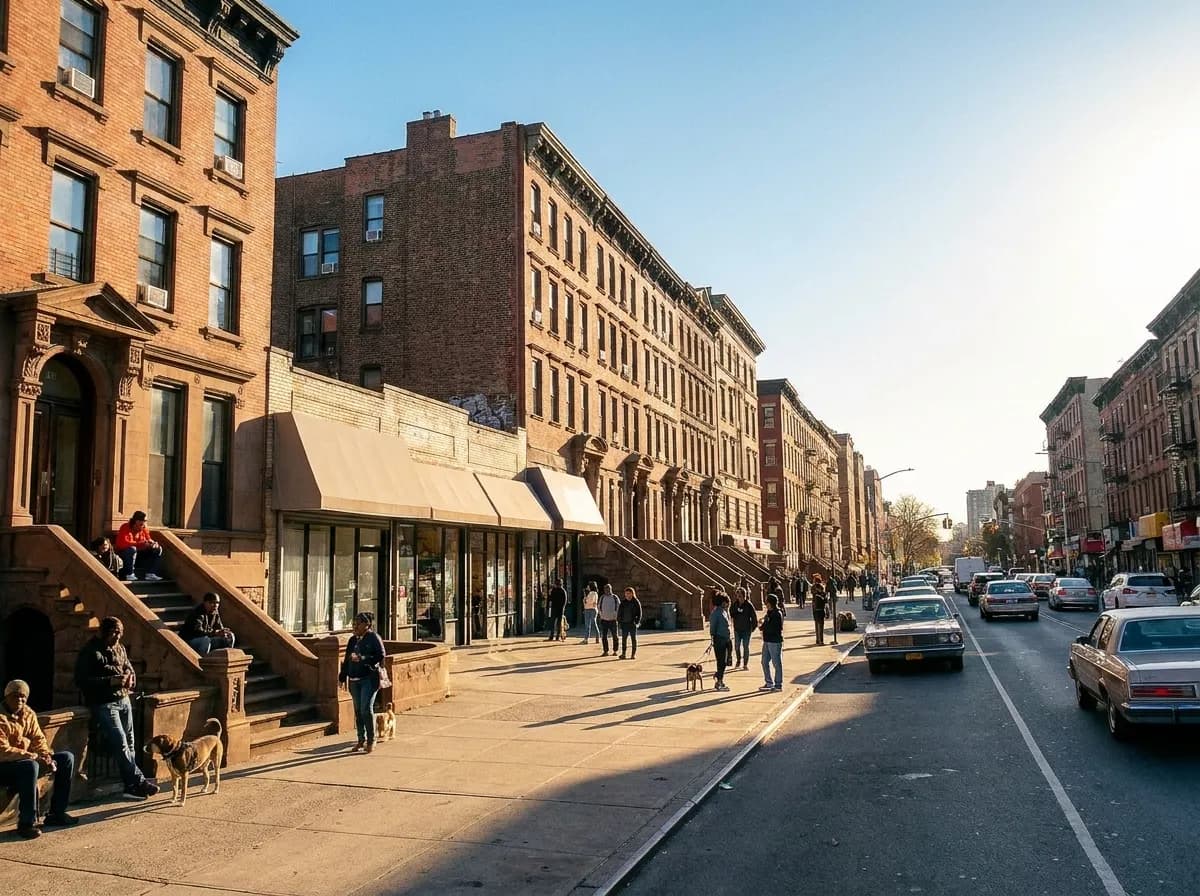
Above ground, Clinton Hill spreads out in brownstone rows that predate the subway by forty years. The neighborhood was built for the carriage trade, which explains the wide streets and the front stoops designed for watching the world pass. The G didn't create this area; it just connected it to everywhere else that Manhattan forgot about. You can trace the line's entire route on a map and never cross a bridge or tunnel under a river. It's the only way to ride the subway and stay in the outer boroughs exclusively.
The Carroll Street timing
Get off at Carroll Street on a Saturday around 2 PM and you've hit the neighborhood swap meet that isn't officially a swap meet. The bodega on the corner sells bacon egg and cheese until 3 PM, which is late for that particular sandwich but perfect for people operating on freelance time. The G's schedule—trains every 8-10 minutes during midday—creates a rhythm that matches how people actually live here, not how Manhattan thinks they should commute.
The train continues south through Park Slope's less-photographed blocks, past the kind of residential density that makes New York work: three-story buildings with six apartments each, enough people to support small businesses but not enough to require chain stores. At Seventh Avenue, you can transfer to the F if you've suddenly remembered you need Manhattan after all. Most people don't transfer. They're going to Church Avenue, where the G terminates at a station that feels like an ending because it is one.
The Church Avenue turnaround
The southbound G pulls into Church Avenue and just stops, like it's finally admitting it doesn't know where else to go. The conductor walks through the train to the other end, and the train becomes northbound without ever leaving the platform. If you stay on—and some people do, riding the full route back and forth like a meditation practice—you'll notice the same faces reappearing. The G attracts loyalists the way other lines attract tourists.
Church Avenue itself runs east-west through Brooklyn like a commercial artery, connecting Flatbush to Kensington to Windsor Terrace. The G drops you in the middle of this strip, equidistant from everywhere, which is either perfect or useless depending on where you're trying to go. The station has two exits, and choosing the wrong one adds four blocks to your walk. Regulars know: north exit for the good Pakistani food, south exit for the laundromat that's actually a social club.
Practical notes
The G train runs between Court Square in Long Island City and Church Avenue in Brooklyn, operating 24 hours with reduced service late nights. Weekday trains run every 5-6 minutes during rush hours, 8-10 minutes midday, 12-15 minutes evenings and weekends. A single ride costs $2.90 with MetroCard or OMNY tap payment. The entire route takes approximately 35 minutes end to end.
Key transfer points: Court Square (E, M, 7 trains), Metropolitan Avenue (L train), Broadway (J, M, Z trains), Hoyt-Schermerhorn (A, C trains), Bergen Street (F train). Most stations have elevators, though not all are reliably functional. The four-car trains mean platform positioning matters—watch where other riders wait and follow their lead. Weekend service occasionally faces disruptions; check mta.info before traveling. No bathrooms at any G train station. Bring water.
Tags: #GTrainNYC #BrooklynQueens #NYCSubway #NonManhattan #GreenpointBrooklyn #WilliamsburgLife #ClintonHill #ParkSlope #ChurchAvenue #OuterBoroughs #NYCTransit #LocalCommute #BrooklynNeighborhoods #QueensLife #SubwayCulture
Sources consulted: MTA · NYC Parks · Time Out New York
All trademarks are the property of their respective owners.