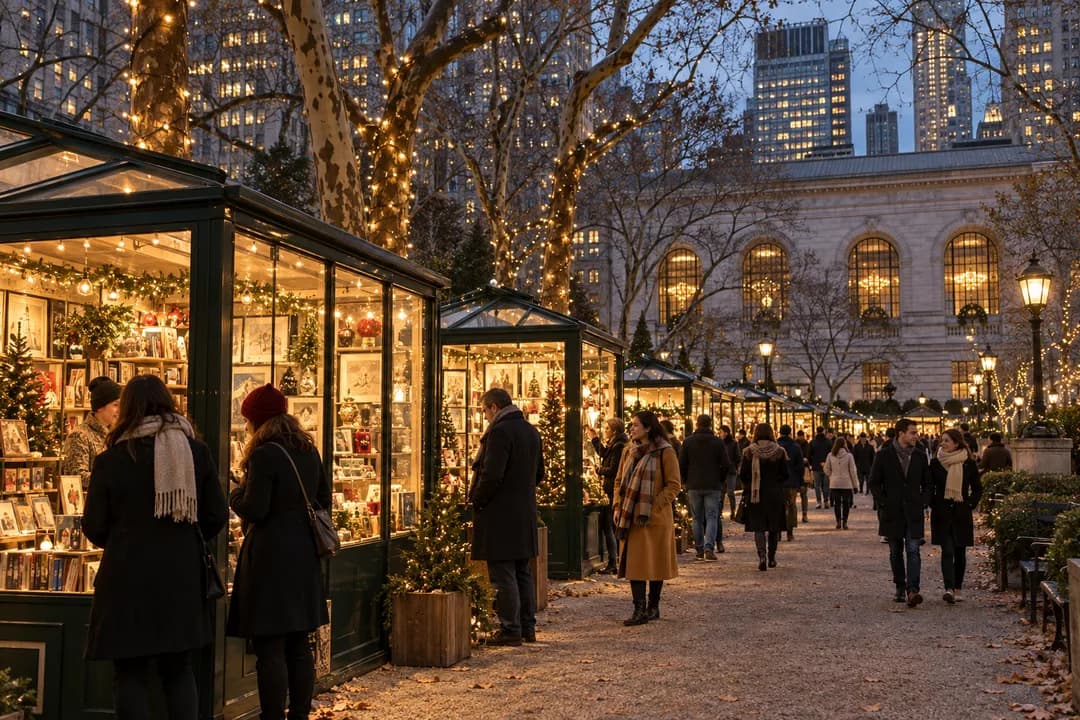
 Makers Market Near Me in Midtown: Bryant Park's Holiday Shops Kiosks
Weekend Plans
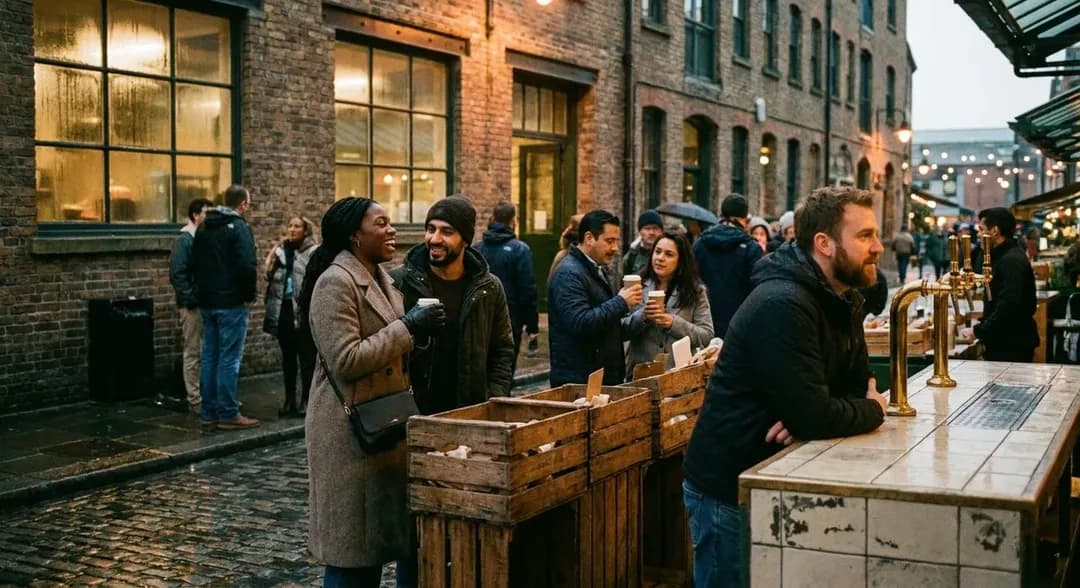
Opening Bell at the Fulton Fish Market: What 2 AM Looks Like at the Seaport
The wholesale fish trade left for the Bronx two decades ago, but the Seaport still knows the rhythm of the predawn hours. A few vendors, wet cobblestones, and the purple sky over Brooklyn Bridge.
The ghost shift
You wouldn't know it from the daytime crowds at South Street Seaport, but the neighborhood still operates on a clock most of Manhattan forgot. The wholesale fish market decamped to Hunts Point in 2005, taking its ice trucks and shouting auctioneers with it, but something of that 2 AM metabolism persists. The cobblestones along Front Street stay damp even on dry nights—residue from a century of ice melt and brine that seems to have soaked into the stones themselves. If you arrive at the right hour, you'll see what the real estate developers prefer to keep quiet: the Seaport still belongs to people who measure time in tides, not subway schedules.
The wholesale operation may have moved to the Bronx, but the district remembers. Restaurant suppliers still make their rounds in the pre-dawn hours, their unmarked vans navigating the narrow streets with the confidence of muscle memory. These aren't boutique operations—they're the descendants of a supply chain that once made this neighborhood the country's largest fish market, moving hundreds of millions of pounds annually through wooden stalls that reeked of mackerel and money. The market left, but the rhythm stayed behind.
The Paris Cafe exception
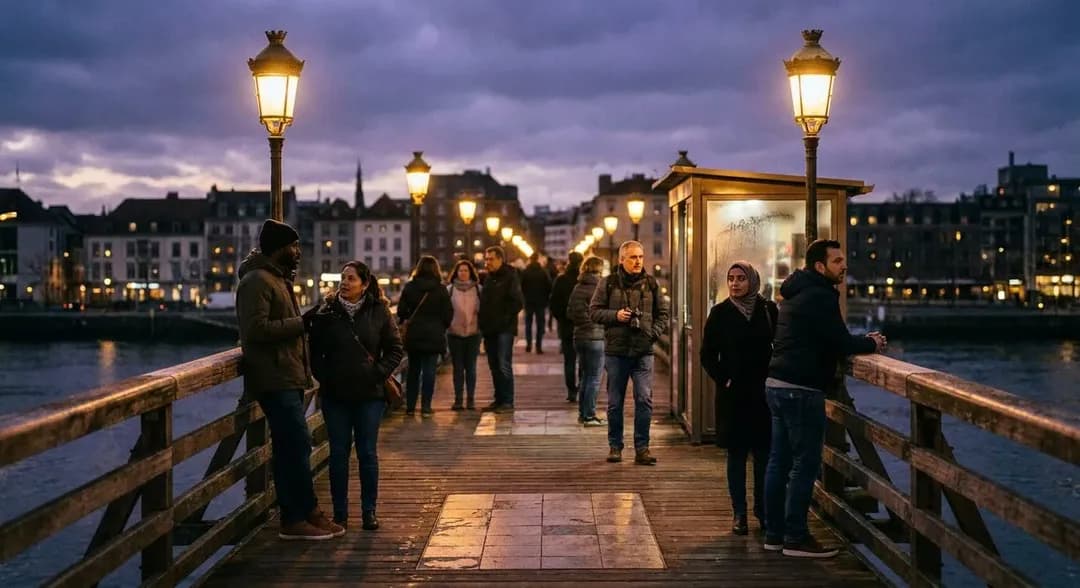
Paris Cafe at 119 South Street opens early enough to catch the stragglers from the night shift. The bar's been here since 1873—it survived the Brooklyn Bridge construction, two world wars, and Hurricane Sandy, though the flood line on the wall suggests that last one was close. The morning bartender pours coffee into ceramic mugs that look older than the building's liquor license. You want the corner booth near the front window, the one with the worn leather that faces the bridge. From there you can watch the sky change colors while dock workers finish their shifts and investment bankers haven't started theirs.
The kitchen opens for breakfast service, offering straightforward eggs and toast—no frills, just fuel. The regulars know to tip in cash and to leave the booth when the next person arrives. There's an unwritten rotation system that's been in place for decades. The coffee's strong enough to taste the burnt edges, which is exactly the point.
Cobblestone memory
The Belgian blocks that pave Front Street and Fulton Street weren't designed for comfort—they were ballast stones from cargo ships, repurposed as pavement in the 1830s. Walk them in the early morning and you'll understand why fish vendors wore rubber boots even in summer. The stones hold moisture like a sponge, creating a permanent sheen that reflects streetlights in wavering yellow lines. The city's attempted to smooth them over more than once, but the old blocks keep surfacing through the asphalt like bones through skin.
The best vantage point is the intersection of Fulton and Front, where you can see straight down to the water. Stand there in the pre-dawn hours and you'll catch the shift change—late night workers heading home, early morning crews arriving. The light at that hour does something specific to the brick facades of the 19th-century buildings, making them look less restored and more like they never left. The neighborhood reveals itself differently when the crowds are gone.
Brooklyn Bridge gradient
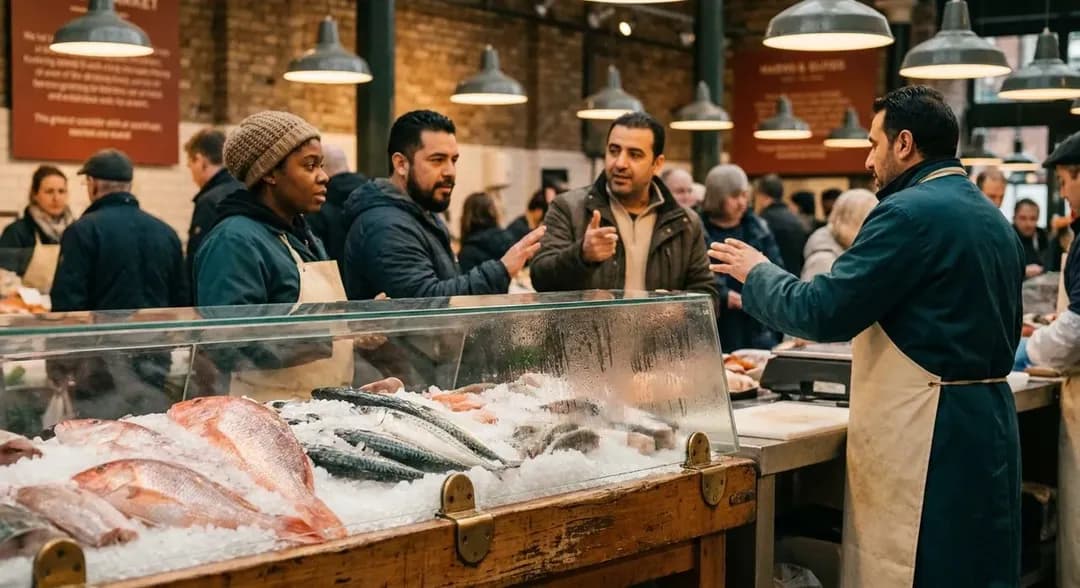
The sky starts changing in the hour before sunrise—earlier in summer, later in winter. You want to be positioned on the pedestrian walkway of the Brooklyn Bridge, Manhattan side, before this happens. Enter at Park Row and walk until you're past the first stone tower—roughly a third of the way across. The view back toward the Seaport gives you the full sweep: the old market buildings, the Financial District towers behind them, and the water below still holding onto night.
The color sequence is specific. First the black sky goes charcoal, then slate, then a purple so deep it looks artificial. This lasts several minutes. Then the purple bleeds into pink at the edges, and the pink goes orange, and suddenly you're in daylight and the moment's gone. Photographers know this progression—they call it the blue hour, though it's really more violet than blue. The bridge cables catch the light in stages, starting from the top and working down, like someone's slowly turning on a dimmer switch strung across the East River.
What the water remembers
The East River isn't technically a river—it's a tidal strait, which means it flows both directions depending on the moon's position. At the Seaport, the current reverses four times daily, and the old fish vendors planned their deliveries around these changes. The incoming tide brought boats up from the Atlantic; the outgoing tide flushed waste downstream. You can still read the water if you know what to look for. When it's flowing north toward Hell Gate, the surface goes smooth and quick. When it's flowing south toward the harbor, it churns and eddies around the pier pilings.
The smell changes too. Low tide exposes the wooden pylons that supported the original market docks, and they release a scent of creosote and salt rot that's been embedded in the wood for generations. High tide covers everything in a clean brine smell that could almost be mistaken for ocean. The seagulls know the difference—they work the low tide, picking through what the water reveals. By early morning they're screaming over scraps that aren't there anymore, following a routine that outlasted the fish market itself.
The handoff hour
In the hour before the city fully wakes, the Seaport belongs to no one in particular, which makes it the best time to see it clearly. The sanitation trucks have finished their routes but the coffee shops haven't opened. The tourists are asleep in their hotels, and the people who work in the towers haven't started their commute. You get a window when the neighborhood reverts to what it was before the development plans and the mall renovations—a working waterfront that happened to be attached to a city.
Restaurant suppliers work fastest during this hour, loading orders into unmarked vans that disappear up Pearl Street before most people know they were there. The transactions happen quickly, negotiated in the shorthand of long-standing business relationships. This is what the Seaport's early-morning economy looks like—a market that moved away but left its muscle memory behind, a neighborhood that still wakes before dawn even though the reason for waking has relocated to the Bronx.
Practical notes
The South Street Seaport is accessible via the 2/3 trains to Fulton Street or the 4/5 to Wall Street, both about a five-minute walk. Paris Cafe (119 South Street) serves breakfast; check current hours before visiting. The Brooklyn Bridge pedestrian entrance at Park Row is open 24 hours, but lighting is minimal before dawn—bring a small flashlight and watch your footing on the wooden planks. The surrounding streets and waterfront walkway remain accessible outside museum hours. Street parking is nearly impossible; if you're driving, use nearby parking facilities. Dress in layers—the wind off the water cuts through everything, and temperatures drop significantly near the river. Best months for this experience are October through March when dawn comes late enough to be practical but early enough to catch the full color transition.
Tags: #FultonFishMarket #SouthStreetSeaport #NYCEarlyMorning #BrooklynBridge #ParisNYC #LowerManhattan #NYCHistory #PredawnNYC #WorkingWaterfront #NYCInsider #FultonStreet #SeaportDistrict #RightOnTime
Sources consulted: newfultonfishmarket.com · southstreetseaportmuseum.org
Please drink responsibly. Must be of legal drinking age.
All trademarks are the property of their respective owners.
Ask Karpo for more information.
Keep reading
- Makers Market Near Me in Midtown: Bryant Park's Holiday Shops Kiosks
 Makers Market Near Me in Sunset Park: Industry City's Holiday Weekend
 Makers Market Near Me in Williamsburg: Artists & Fleas on North 7th