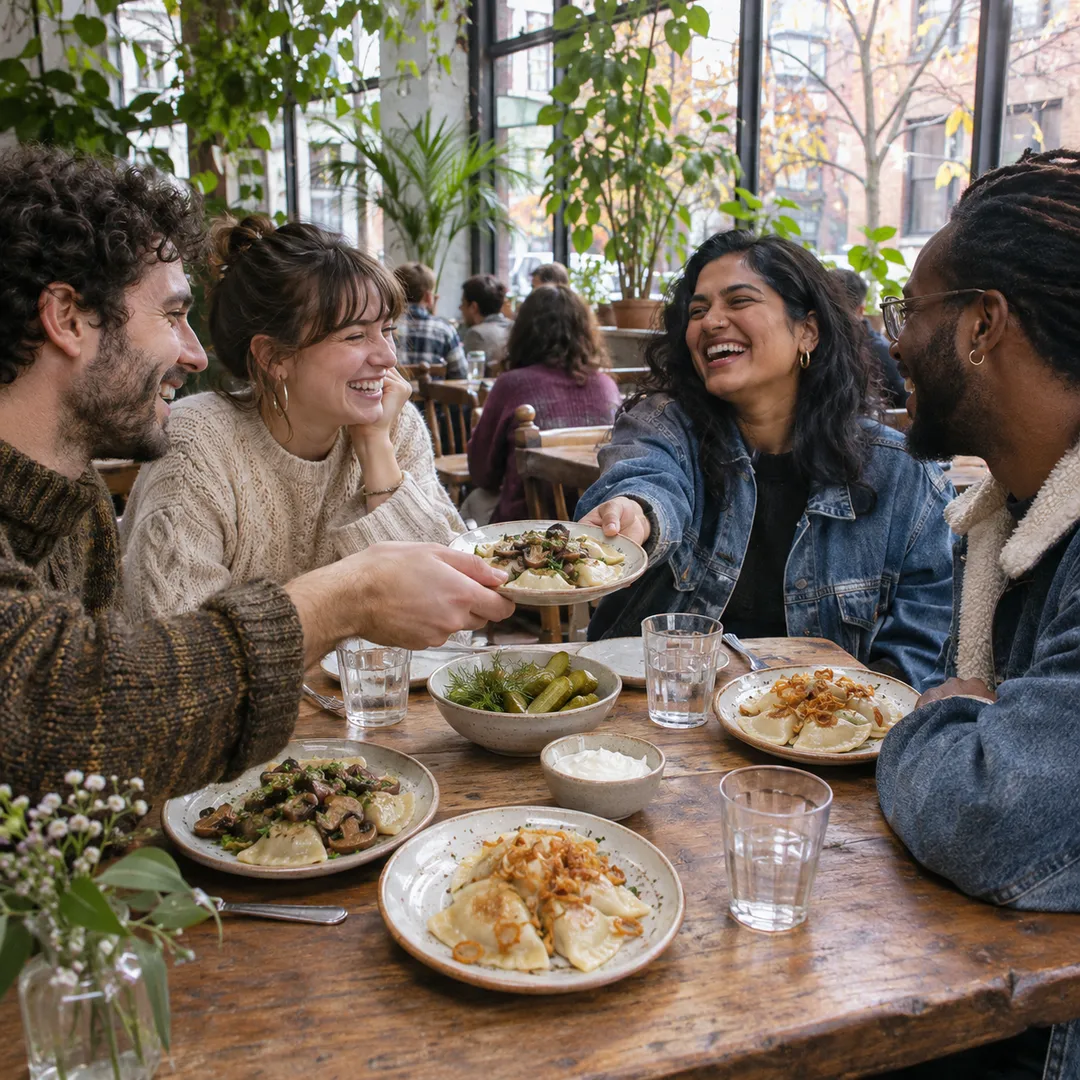
 Williamsburg Pierogi Lunch Spot Picker for Mixed Diets
Restaurants
French Restaurant Near Me in Tribeca: Frenchette on West Broadway
A Tribeca guide to Frenchette on West Broadway, with its modern French cooking, changing menu, reservation timing, neighborhood walk, and practical advice for a first visit.
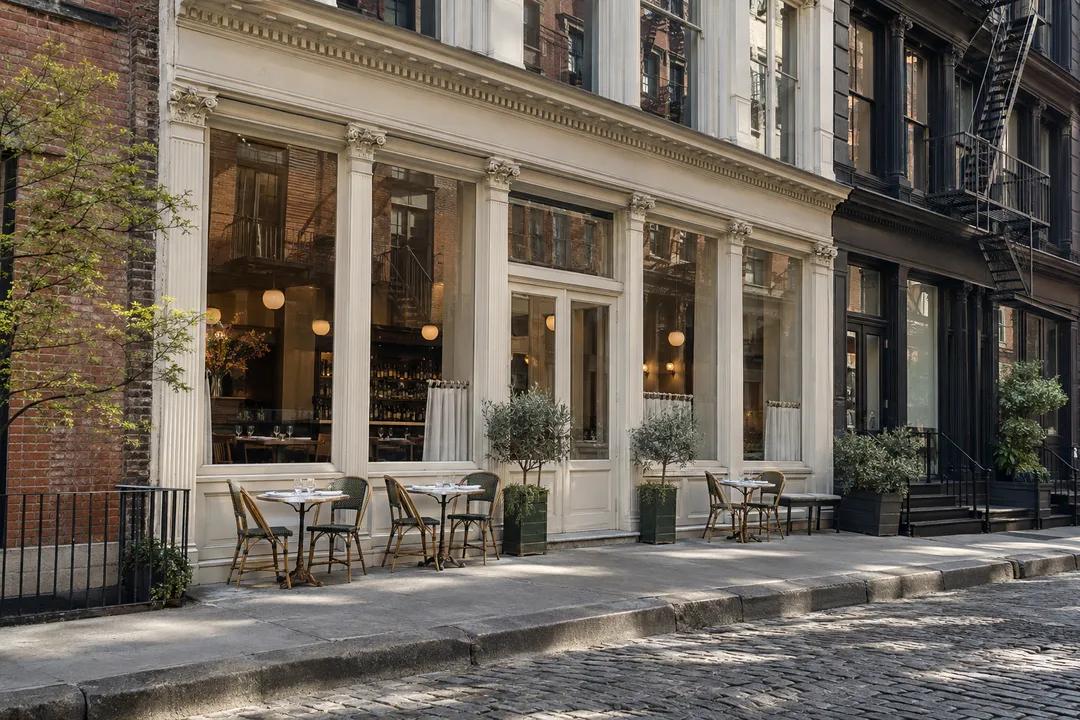
For a French restaurant near me search in Tribeca, Frenchette is the destination when you want contemporary French cooking with a distinctly New York point of view. The restaurant sits at 241 West Broadway, in a low historic building that feels grounded in the neighborhood rather than dropped into it. The menu moves with the season, the room is energetic, and the cooking rewards diners who are willing to order across several categories instead of choosing one oversized entree.
The nearest subway options are Chambers Street on the A, C, and E lines and Franklin Street on the 1. From either station, the walk takes you through the broad, quiet blocks that make Tribeca feel different from the rest of downtown. Arrive a little early and use the time to notice the cast-iron architecture and loading bays around West Broadway. Frenchette is easy to find once you are nearby, but the block does not advertise the restaurant with a giant visual signal.
The room is compact, warm, and designed for conversation that occasionally turns into a louder group rhythm. Tables, banquettes, and the bar all put you close to the action, while the lighting keeps the space from feeling exposed. This is not a hushed white-tablecloth restaurant. It is a place where a plate can arrive with a surprising sauce, a bottle can be shared across the table, and the whole meal feels a little more spontaneous than the reservation calendar suggests.
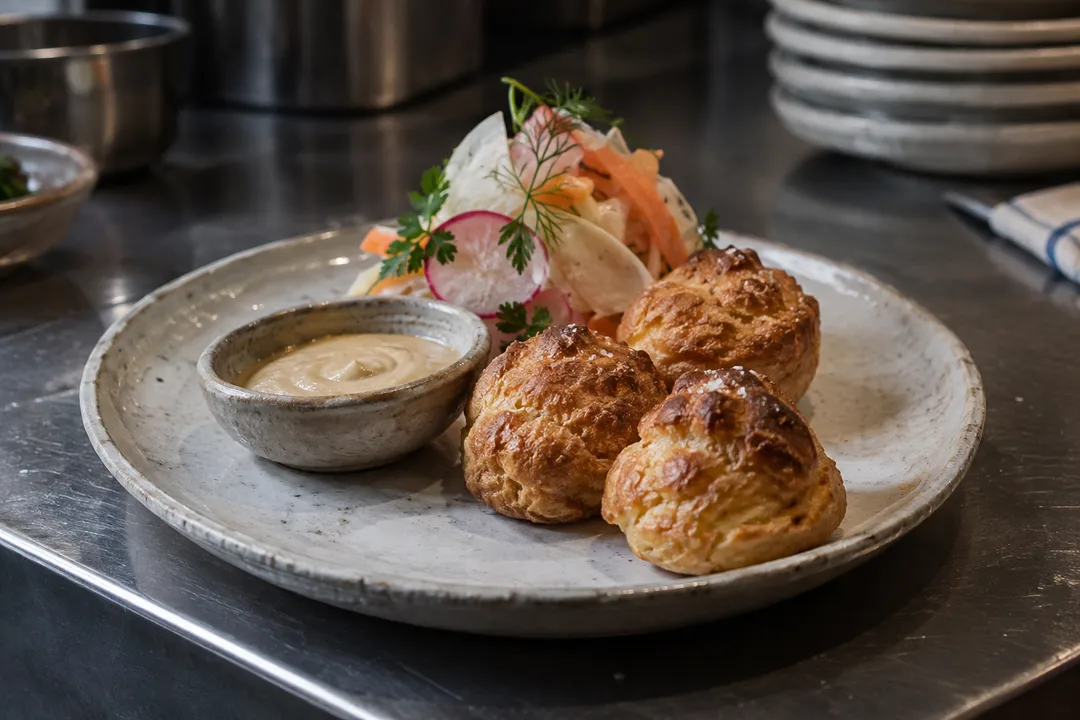
Start with the gougeres if they are available. These small cheese puffs are a useful introduction to the restaurant because they look simple but depend on timing, seasoning, and texture. A serving is often around $12 to $16, making it easy for the table to share. Pair them with a chilled aperitif or a mineral white wine, then add something fresh or raw. The best opening order balances the warm pastry with acidity rather than doubling down on richness.
Frenchette's menu can include raw bar items, vegetables, grains, and seafood alongside meat, so ask the server to identify the dishes that are defining the current menu. A seasonal vegetable plate may be more interesting than a familiar steak if the produce is at its peak. Prices vary, but smaller plates often land in the teens or twenties and larger dishes in the thirties or forties. Sharing two or three starters is a smart way to read the kitchen.
The kitchen is especially good at treating a substantial ingredient with an unexpected French accent. Duck, fish, or a slow-cooked cut may arrive with fruit, fermented notes, bitter greens, or a sauce that pulls the plate away from predictable bistro territory. If you are ordering for two, choose one classic-feeling dish and one adventurous plate. That contrast makes the meal feel specific to Frenchette rather than interchangeable with any French restaurant near me result.
Bread and butter are not filler here. Use them to follow the sauces, then leave space for a dessert that may be as inventive as the savory menu. Chocolate, fruit, custard, and frozen desserts often appear in seasonal variations, usually in the mid-teens. Coffee closes the meal neatly, but a final glass from the wine list can be a better choice if dinner has already moved into a long conversation. Nothing about the room encourages you to rush.
Reservations matter because Frenchette's dining room is not large and its reputation reaches well beyond Tribeca. Prime tables disappear quickly on Thursday through Saturday, while early weekday reservations are easier to secure. Walk-ins can try the bar, but treat that as an opportunity rather than a guarantee. If you are celebrating, note it at booking, but do not expect a theatrical presentation. The restaurant's personality is in the food, service, and pace of the room.
The most comfortable timing is either the first seating or a later table after the initial rush. Early dinner gives you a clearer look at the room and a more measured conversation with the staff. Later service can feel more electric, with dishes moving across the dining room and wine bottles opening at neighboring tables. If you are sensitive to noise, choose an early reservation and request a banquette or an edge table when possible.
The restaurant was opened by Riad Nasr and Lee Hanson, chefs whose work helped make modern French cooking feel natural in New York rather than ceremonial. That history matters because Frenchette is not simply a traditional bistro with new paint. It keeps the French vocabulary of sauces, pastry, and careful roasting, then lets the ingredients and the city push the sentence in a different direction. The result is confident without feeling over-explained.
Make the walk part of the plan. Before dinner, browse the galleries and home stores along West Broadway, then turn toward Hudson River Park for a few quiet blocks of open air. Afterward, walk south toward City Hall or east toward Canal Street if you want the neighborhood to change around you. Tribeca is at its best when you let the architecture and changing light do the work. The meal can be the anchor, not the entire itinerary.
Practical notes: the room is polished casual, but you will be comfortable in a jacket or a simple dress. Public transit and a taxi are easier than parking on the narrow downtown streets. Tell the restaurant about allergies when reserving because the menu changes and many dishes rely on sauces or garnishes. The restaurant can accommodate common dietary needs with notice, but it is not a place to arrive with a long list of last-minute changes.
Frenchette is best for diners who want a French restaurant near me search to lead to a meal with personality. It suits a date, a food-focused dinner with friends, or a visitor who wants to understand how modern New York interprets French technique. It is not the place for a fixed menu comfort meal or a rushed pre-event stop. Order broadly, listen to the staff, and leave room for the dish that was not on your original plan.
The smart first order is intentionally broad: one pastry-like bite, one vegetable or seafood plate, and one substantial dish for the table. That route makes the kitchen's range visible and leaves you with a better sense of Frenchette than a single safe entree would.
Ask Karpo for more information.
Keep reading
- Williamsburg Pierogi Lunch Spot Picker for Mixed Diets
 Brighton Beach Pierogi Lunch Spot Picker for Photographers
 Ridgewood Pierogi Lunch Spot Picker for Apartment Hunters