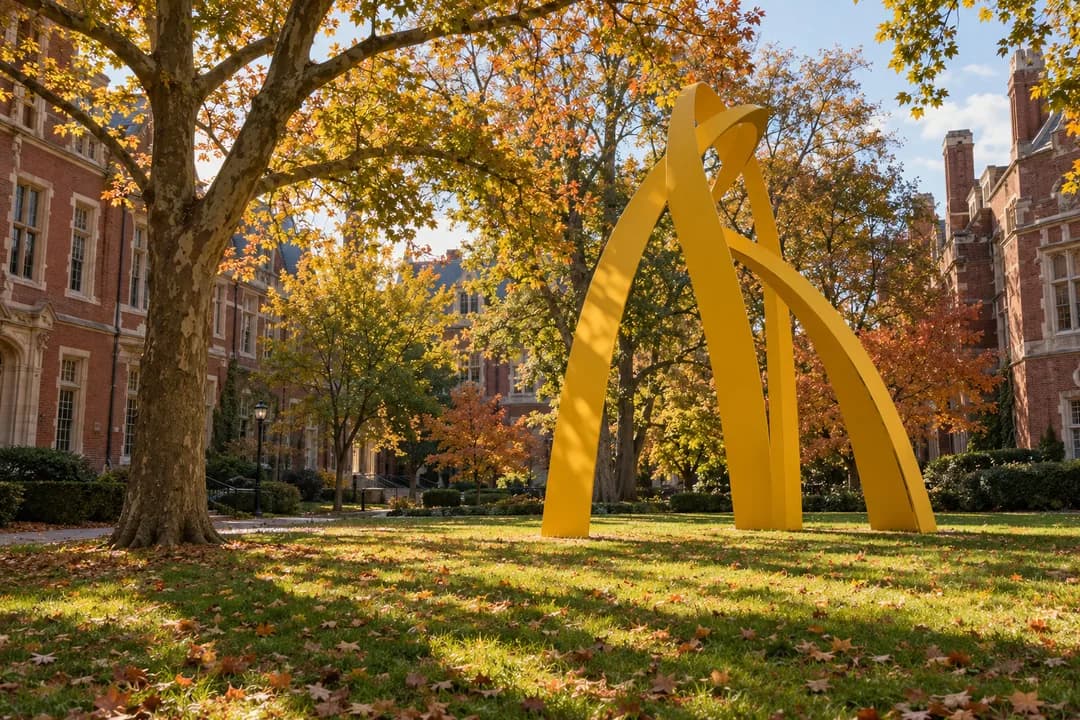
 Sculpture Garden Near Me in Clinton Hill: Pratt Institute's Free Campus Sculpture Park
Free Things to Do

Free Stargazing on the High Line: Telescopes, Volunteers, and a City That Dims
On select Tuesday evenings, the Amateur Astronomers Association hauls telescopes onto the High Line's wooden planks. Saturn appears, volunteers narrate the sky, and Manhattan briefly looks up instead of forward.
The Setup Happens Before Sunset
You'll find them near the southern end of the High Line around sunset, volunteers in windbreakers unfolding tripods and adjusting focus rings on Dobsonian telescopes that look homemade because some of them are. The Amateur Astronomers Association has been doing this since 2009, every Tuesday evening in season when weather cooperates. They set up near 14th Street, in the Little West 12th Street and Washington Street area, where the park meets the Meatpacking District. Arrive early if you want first looks before the crowd forms. The volunteers—retired engineers, teachers, software developers who build telescopes in their spare time—are there because they remember the first time someone showed them Saturn's rings through decent optics.
What You Actually See Through the Eyepiece
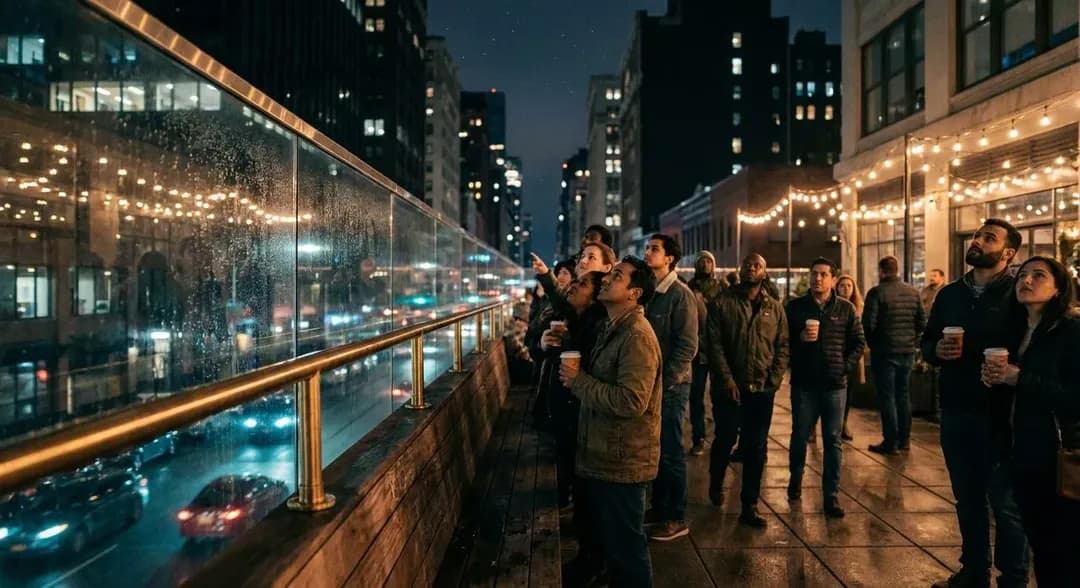
Saturn looks like a photograph that shouldn't be possible above the West Side. The rings resolve clearly on nights with steady atmospheric conditions—what astronomers call "good seeing." You'll spot the Cassini Division, the dark gap between the rings, if you look carefully and let your eye adjust. Jupiter shows cloud bands and sometimes its Galilean moons arranged like punctuation marks. The volunteers will point out the Andromeda Galaxy, which appears as a faint smudge your phone camera can't capture, and double stars that split into contrasting colors. On exceptionally clear nights after a cold front passes through, they'll aim at deep-sky objects like nebulae. One volunteer keeps a laminated chart of what's visible each month and will sketch celestial orientations on scrap paper if you ask.
The High Line Dims (Sort of)
The park's management doesn't cut the decorative lighting, but the volunteers position themselves where the overhead fixtures are spaced wider and the surrounding buildings create relative dark pockets. Light pollution remains the enemy—Manhattan's skyglow washes out fainter objects—but the elevation helps. You're above street level, which puts you above some of the direct glare from storefronts and traffic. The best viewing happens in the first hours after sunset. Later in the evening, the telescopes stay out, but the volunteers start packing auxiliary equipment. The crowd thins to insomniacs and couples who wandered up from the Chelsea galleries.
The Volunteers Explain More Than Expected
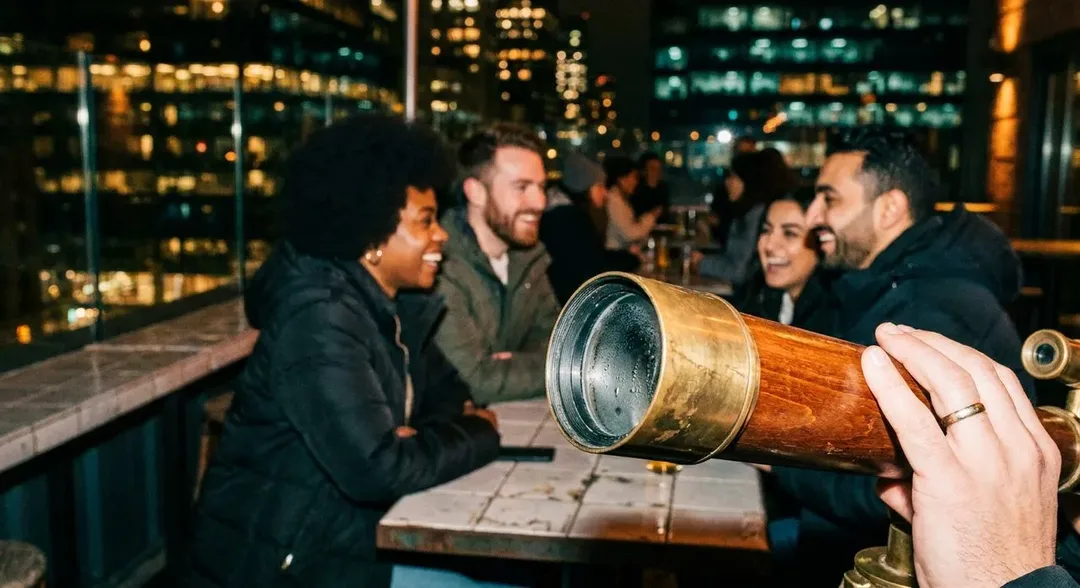
They don't just point and let you peek. A volunteer will ask if you've ever seen Saturn before, then explain why the rings look tilted—Earth's changing perspective as both planets orbit. Another will show you how to use averted vision for faint objects: look slightly to the side of the target, letting your peripheral retina's rod cells do the work. They'll mention that the Andromeda Galaxy's light left millions of years ago. One volunteer brings a green laser pointer to trace constellation patterns across the sky, showing you how to find the North Star using the Big Dipper's pointer stars, a trick that works anywhere in the Northern Hemisphere. They're patient with children and first-timers, less patient with people who keep their phone flashlights on, which ruins everyone's night vision.
Who Else Shows Up
The crowd caps naturally because there are only a handful of telescopes and each view takes time. You'll wait several minutes on busy nights, no wait on cool spring evenings when attendance is lighter. Regulars include retirees who come monthly and take notes, families from across the boroughs, and various tourists who stumbled onto the High Line and found something better than sunset photos. The volunteers recognize repeats and will remember what you saw last time, suggesting new targets. The scene feels like a pop-up lecture series that someone forgot to monetize. No one checks tickets because there are no tickets. No one sells anything because there's nothing to sell.
How to Confirm and When to Arrive
Check the Amateur Astronomers Association website the day of—they cancel for cloud cover, rain, or high winds that shake the telescopes. Arrive early if you want to watch the setup and ask questions before the scopes are busy. Bring a light jacket even in summer; the High Line funnels wind, and you'll stand still longer than you expect. Red-tinted flashlights are appreciated if you need to check your phone—white light destroys night vision for everyone nearby. The volunteers usually pack up around 10:00 PM, earlier if clouds roll in. They don't take reservations or answer emails about specific dates. You show up or you don't.
Practical Notes
The High Line stargazing sessions happen near 14th Street, in the Little West 12th Street and Washington Street area (southern end of the park). Events run every Tuesday evening in season (approximately April 7 through October 27, 2026), from sunset until about 10:00 PM. Free admission, no RSVP required. Subject to cancellation if overcast—check aaa.org the morning of for confirmation. The High Line is accessible via the A/C/E trains to 14th Street or the L train to 8th Avenue. Dress warmer than you think necessary—standing still in evening wind feels colder than walking. The volunteers appreciate questions but request you silence phone notifications and avoid white flashlights, which compromise night vision.
Tags: #FreeNYC #HighLine #Stargazing #NYCEvents #AmateurAstronomy #ChelseaNYC #FreeThingsToDo #NYCNights #Telescopes #SaturnRings #AstronomyNYC #HiddenNYC #NYCCulture #NYCSecrets #FreeCulture
Sources consulted: thehighline.org · aaa.org
All trademarks are the property of their respective owners.
Ask Karpo for more information.
Keep reading
- Sculpture Garden Near Me in Clinton Hill: Pratt Institute's Free Campus Sculpture Park
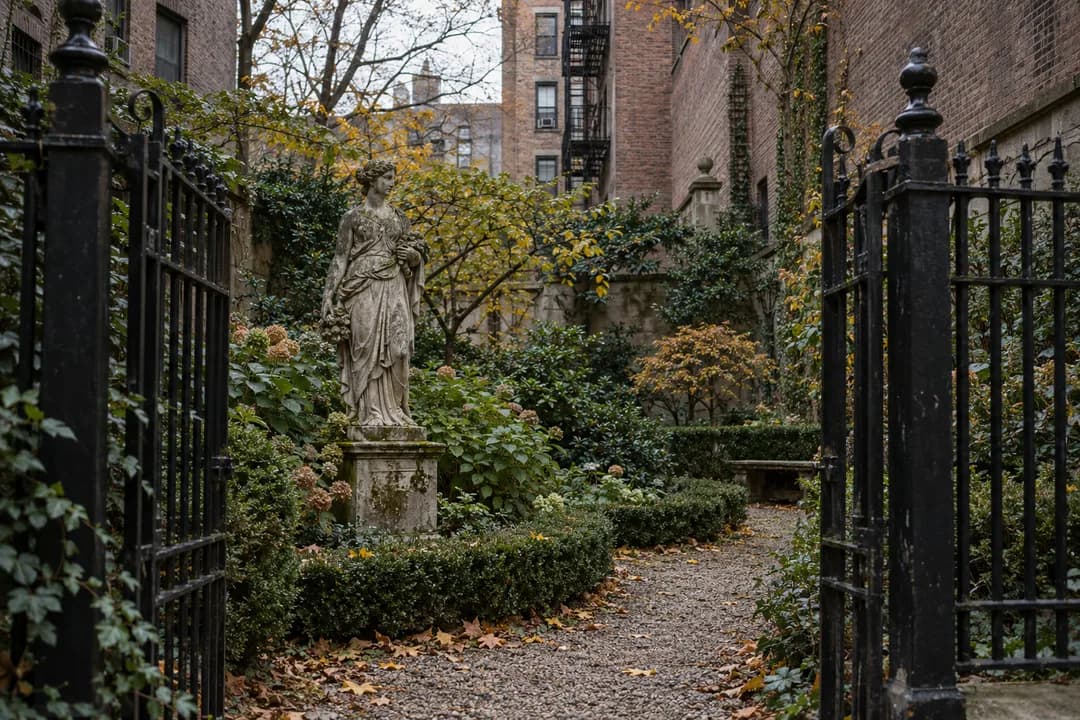 Sculpture Garden Near Me in Nolita: Elizabeth Street Garden, Saved for Good
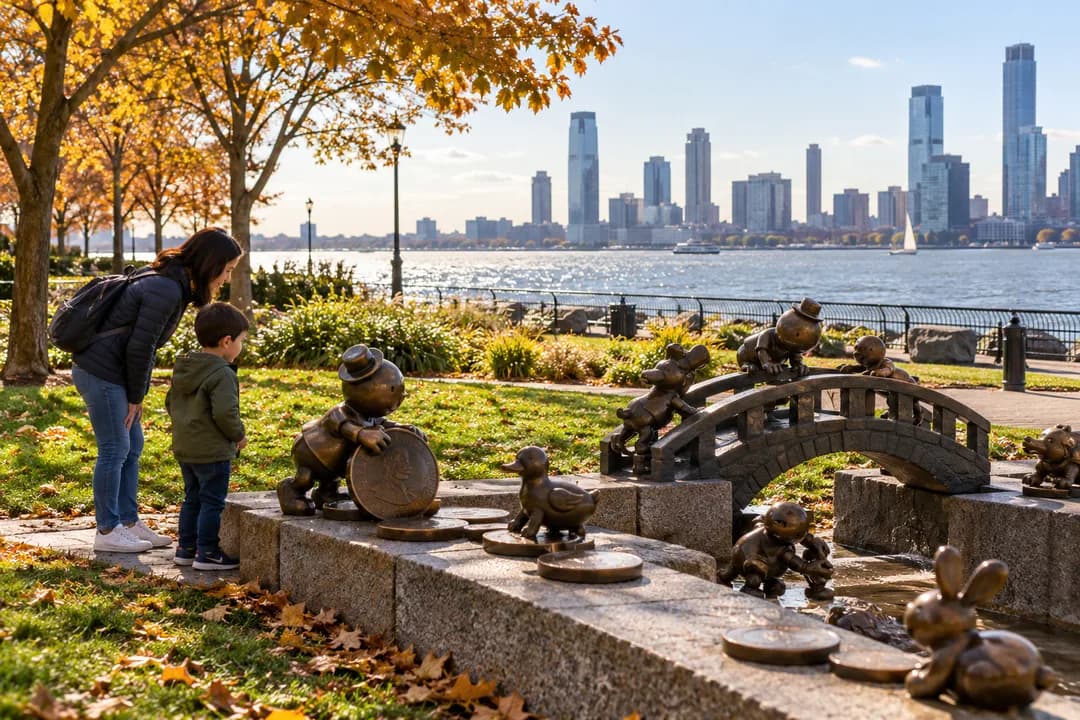 Sculpture Garden Near Me Downtown: Tom Otterness's Real World in Rockefeller Park