The Island That Manhattan Forgot (Then Remembered)
Governors Island occupies a peculiar place in New York's geography—close enough to Lower Manhattan that you can see office workers through the windows of the financial district, yet removed enough that car traffic becomes a memory the moment you disembark. The island operated as a military installation from 1794 until 1996, when the Coast Guard departed and left behind 172 acres of fortifications, parade grounds, and Victorian officers' housing. After years of planning and approximately $400 million in public investment, the Trust for Governors Island now operates it as a public park and cultural venue, typically open from May through October each year. Check the Trust for Governors Island website closer to your planned visit for the 2026 season's exact opening date, which historically falls in mid-to-late May, weather permitting.
The Free Ferry Calculus
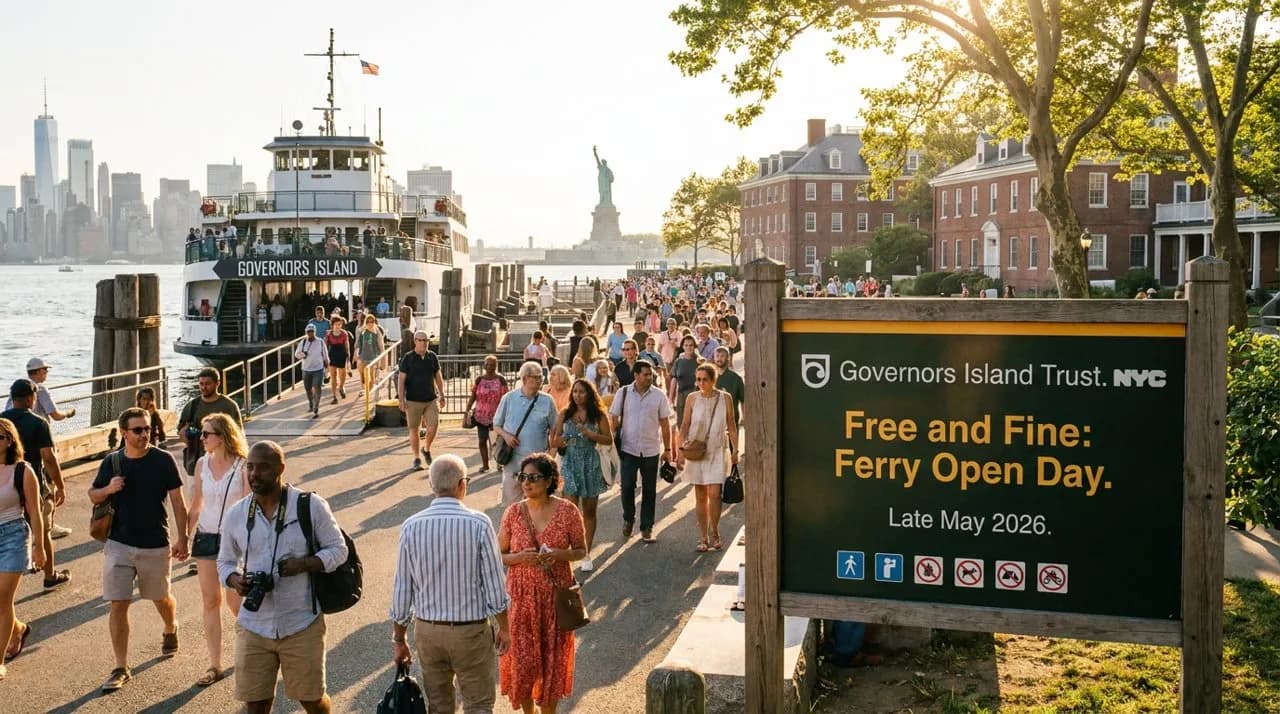
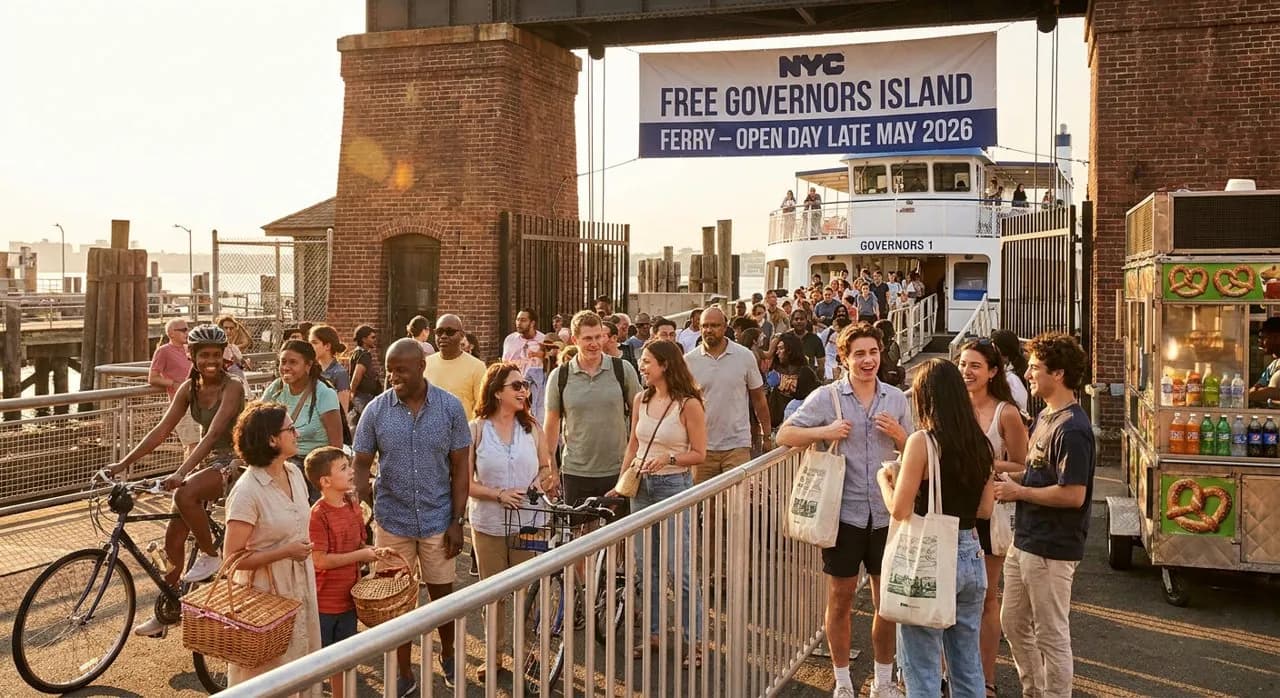
The Governors Island ferry operates from two Manhattan terminals: the Battery Maritime Building at 10 South Street (near the Staten Island Ferry terminal) and Pier 6 in Brooklyn Bridge Park. As of the 2025-2026 seasons, the Trust-operated ferry charges roughly $5 round-trip, with free service on Saturday and Sunday mornings before 11 a.m. and always-free fares for NYCHA residents, U.S. military, seniors 65 and over, IDNYC holders, and riders under 12; verify current pricing on the Trust's website closer to your travel date. The crossing takes approximately seven minutes from Manhattan, ten from Brooklyn, and boats typically depart every thirty minutes during peak weekend hours. On a late May Saturday, expect the first departures around 10 a.m. and the last return trips around 6 p.m., though extended hours often begin in June. The ferry itself is part of the experience: a slow reveal of the Statue of Liberty to your left, Brooklyn's industrial waterfront to your right, and the expanding sense that you're actually leaving the city without leaving the city.
What Late May Weather Promises
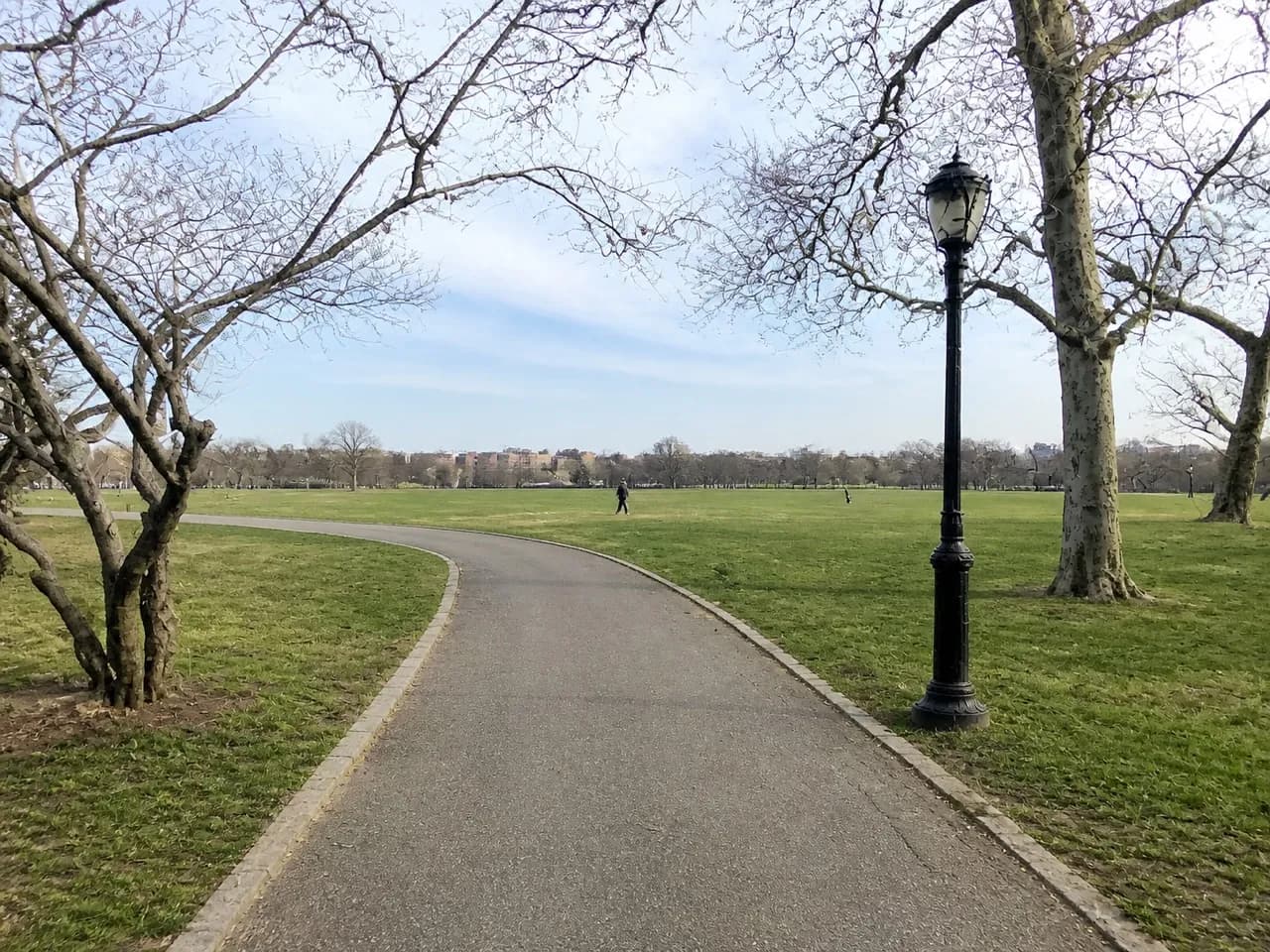
Late May in New York means temperatures typically ranging from the mid-60s to low 70s Fahrenheit—warm enough for short sleeves, cool enough that you won't wilt on the island's open lawns. The timing precedes the peak summer crowds that descend in July and August, and the seasonal vendors and art installations are usually operational by the final weekend of May. Hammock Grove—a popular installation featuring dozens of hammocks strung between locust trees—becomes accessible once the Trust opens for the season, and the hills on the southern portion of the island offer unobstructed views without the dense human tapestry of high summer. Spring also means the island's vegetation is fully emerged but not yet stressed by August heat, creating what amounts to a 43-acre park (the southern Hills area) where actual lying in grass remains pleasant rather than theoretical.
The Island's Free Attractions (And the Things That Cost Money)
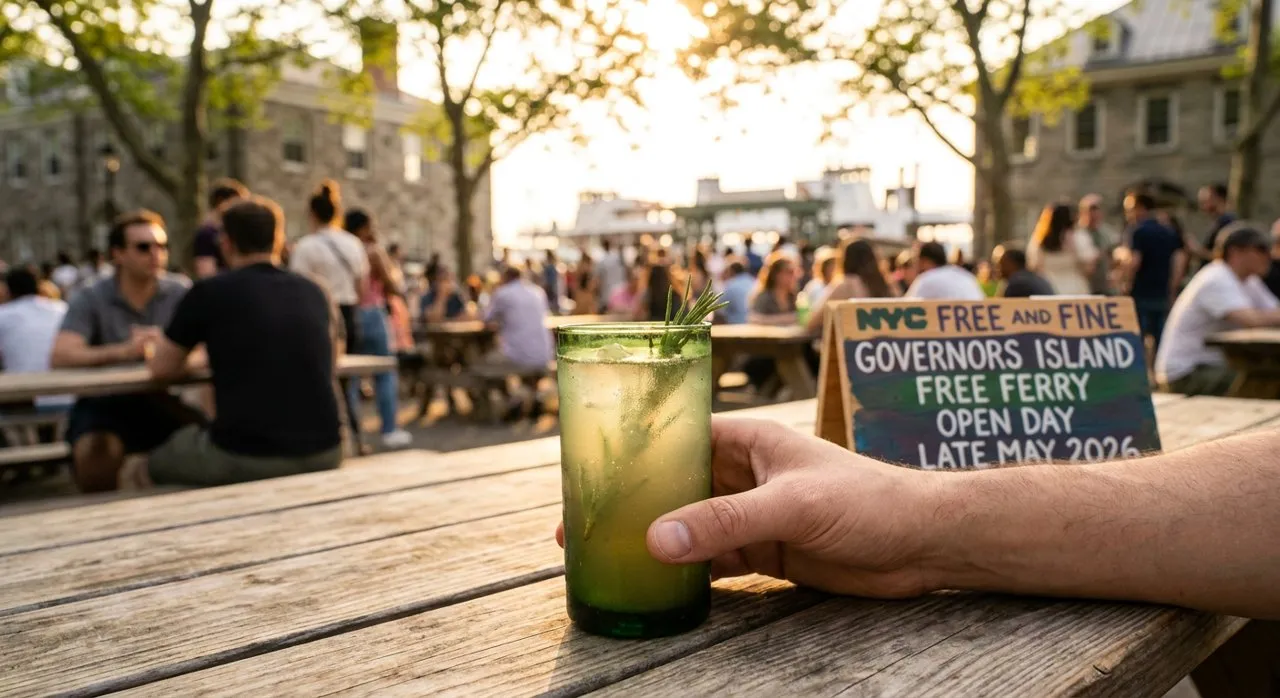
Admission to Governors Island itself is free, and the majority of the experience costs nothing: walking or cycling the car-free roads, exploring Fort Jay (a fortification dating to 1794), climbing the Hills for panoramic views, visiting Castle Williams (a circular fortification that once served as a military prison), and occupying any available lawn chair, bench, or patch of grass. The island typically offers free programming on weekends—check the Trust's calendar closer to late May 2026 for specific events, which have historically included art exhibitions, performances, and ranger-led tours. Bike rentals are available through a concessionaire (Blazing Saddles has operated this service in recent seasons) for approximately $20-30 per day, though bringing your own bicycle on the ferry is permitted at no extra charge. Food and beverage vendors operate across the island—expect to pay typical New York concession prices, roughly $12-18 for sandwiches or tacos, $8-12 for beer or wine. The Island Oyster restaurant has operated on the island offering sit-down service at correspondingly higher price points.
Actual Things to Do for Five Hours
A realistic Governors Island visit consumes four to six hours if you're inclined toward leisurely movement rather than aggressive sightseeing. Begin with the northern historic district—the preserved military installation where Belgian-block streets wind past nineteenth-century homes that now house arts organizations and cultural tenants. Nolan Park and Colonel's Row contain these structures, some of which host public exhibitions during operating season (schedules vary, so check individual organizations' websites). Walk or cycle the perimeter of the island via the waterfront promenade, approximately 2.2 miles of paved path offering rotating views of Brooklyn, Manhattan, the Statue of Liberty, and the Buttermilk Channel. The southern Hills—four artificial hills created during the island's 2016 expansion—rise to 70 feet above sea level, the highest points in New York Harbor, and provide sight lines that explain the city's geography more clearly than any map. Hammock Grove accommodates approximately 50 hammocks; claim one if available and understand that you've achieved a specific kind of New York victory: free horizontal repose with harbor views. QC NY Spa, a for-profit facility that opened in recent years, offers spa services and rooftop pools at premium pricing—roughly $50-150 depending on services—for those who prefer structured wellness to unstructured lounging.
Why This Matters Beyond Free Stuff
New York contains numerous free activities, but few eliminate as many urban stressors simultaneously as Governors Island. No vehicular traffic means children and adults can occupy roads without spatial negotiation. The absence of through-traffic (everyone present has chosen to travel here by ferry) creates a self-selected community of people who wanted to be on an island on a Saturday. The combination of historic military architecture, contemporary landscaping, and protected harbor views produces an environment that feels neither entirely wild nor entirely constructed—a middle landscape that doesn't really exist elsewhere in the five boroughs. On a late May Saturday specifically, you're also accessing the season before the island becomes peak-awareness crowded, when finding an empty hammock or an unclaimed patch of Adirondack chairs remains plausible rather than miraculous. The free ferry and free admission mean the experience costs exactly what you decide to spend on food and drink—a rarity for destination-quality New York activities.
Practical Notes
Ferry schedules and season opening dates: Check govisland.com closer to late May 2026 for confirmed operating schedule. The island's opening date varies by weather and operational readiness. • Ferry terminals: Battery Maritime Building (10 South Street, Manhattan) or Pier 6 Brooklyn Bridge Park (Brooklyn). Free service on weekends and holidays. • What to bring: Sunscreen, blanket or towel for lawns, water bottle (refill stations available), snacks if you want to minimize food spending. Bikes are allowed on ferries at no extra charge. • Dogs: Not permitted except service animals. • Hours: Historically 10 a.m. to 6 p.m. on spring weekends, with extended hours beginning in June. Last ferry times are firm—missing the final boat requires expensive water taxi service or an awkward evening. • Alcohol: Allowed in designated areas. Beer and wine available for purchase from island vendors. • Restrooms: Available throughout the island, concentrated near ferry landing and food vendor areas. • Accessibility: Paved paths cover much of the island. The Hills area involves grades but paved switchbacks make them navigable. Accessible ferries operate on all routes.
Tags: #GovernorsIsland #FreeNYC #NYCFerry #FreeAndFine #NYCParks #CarFreeNYC #NewYorkHarbor #SpringInNYC #NYCOutdoors #ManhattanViews #BudgetNYC #ThingsToDoNYC #NYCWeekend #GovisNY #FreeActivities
Editorial note & disclosure
Sources consulted: Governors Island — Wikipedia · Governors Island — Official Site · NYC Parks Department · NYC Ferry Routes & Schedules · Gothamist — NYC News & Culture
All trademarks are the property of their respective owners.