The Thursday Night Ritual
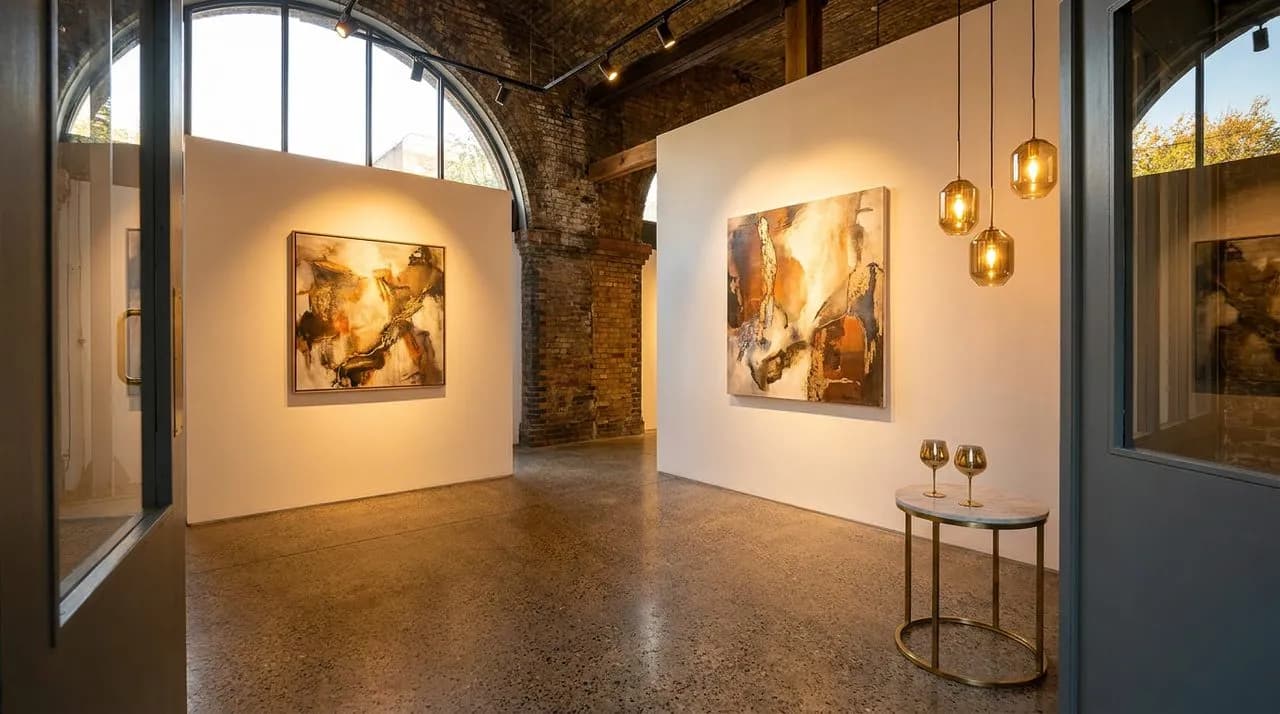
Every Thursday evening from 6pm to 8pm, Chelsea's gallery district transforms into one of New York's most democratic cultural experiences. The ritual is simple: dozens of galleries along West 24th through West 29th Streets open their doors to new exhibitions, offering free admission and complimentary wine to anyone who walks in. No reservations, no dress code, no art-world credentials required.
Want a Thursday gallery route that fits your start time and neighborhood? Text Karpo for a current Chelsea opening shortlist and the cleanest walking order.

This tradition has endured for decades, surviving rent increases and neighborhood transformations. In 2026, the Thursday-night openings remain as vibrant as ever, drawing a mix of serious collectors, art students, curious tourists, and locals who appreciate free wine and climate-controlled spaces. The concentration of galleries between Tenth and Eleventh Avenues creates a walkable art crawl that can fill an entire evening or a quick hour before dinner.
The Power Corridor: 24th to 29th Streets
The heart of Chelsea's gallery scene runs along a compact six-block stretch between West 24th and West 29th Streets, primarily between Tenth and Eleventh Avenues. This density is what makes the Thursday circuit work—you can visit a dozen galleries without walking more than half a mile. The mega-galleries anchor the district: David Zwirner occupies multiple buildings on West 19th and West 20th, Pace Gallery commands significant real estate on West 25th, and Gagosian's Chelsea outpost sits on West 24th Street.
But the smaller galleries give the neighborhood its texture. Hauser & Wirth, Paula Cooper Gallery, Matthew Marks, and Gladstone Gallery all maintain Chelsea presences, each bringing distinct programming. The converted warehouses and ground-floor spaces provide the high ceilings and square footage that contemporary art demands. Walking these blocks on a Thursday evening, you'll pass through exhibitions ranging from established blue-chip artists to emerging talents having their first New York shows.
Timing Your Arrival
Arrive at 6pm sharp and you'll find galleries still setting up, staff arranging wine tables, and only a handful of early birds circulating. The energy is calm, the viewing intimate. By 6:30pm, the rooms begin to fill with the art-world faithful—gallery directors greeting collectors, artists nervously watching reactions to their work, critics taking notes. This is prime viewing time: crowded enough to feel the buzz, but not so packed that you can't see the walls.
Between 7pm and 7:30pm, the openings hit peak capacity. The marquee galleries—particularly Zwirner, Pace, and Gagosian during major exhibitions—can become shoulder-to-shoulder affairs. Wine runs low, conversations spill onto sidewalks, and actually viewing art requires strategic positioning. By 7:45pm, the crowds thin as people migrate to dinner reservations. Galleries technically stay open until 8pm, but staff begin subtle cleanup. For serious art viewing, aim for 6:30pm. For people-watching and social energy, hit the peak at 7pm.
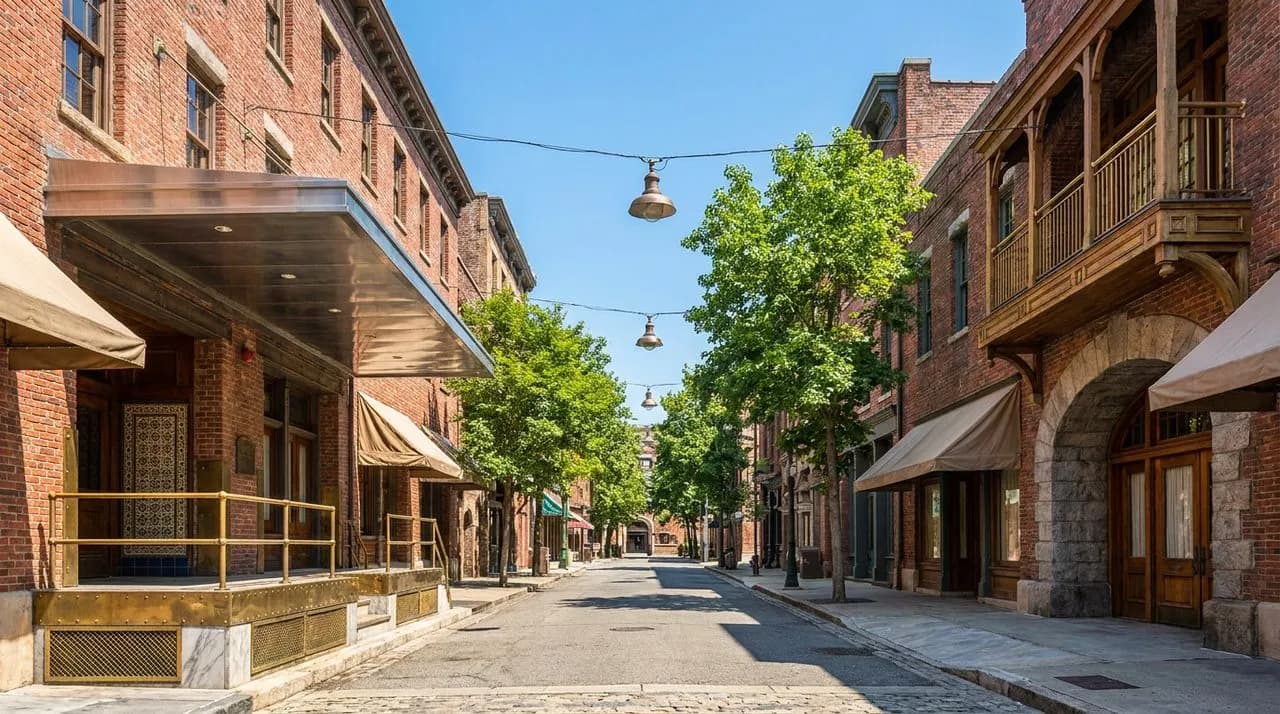
Free Wine Etiquette and Expectations
The complimentary wine is a Chelsea tradition, not a happy hour promotion. Galleries typically offer red and white—usually decent quality, occasionally exceptional when a major artist or collector is being courted. The unwritten rules: take one glass at a time, don't hover at the wine table, and remember you're in a professional art space, not a bar. Most galleries stock plastic cups, though some higher-end spaces use actual glassware.
Not every gallery serves wine at every opening, and some smaller spaces skip refreshments entirely to focus on the art. The mega-galleries almost always have wine, as do mid-tier spaces hosting significant exhibitions. If you're visiting specifically for free drinks, you're missing the point—but if you're genuinely interested in contemporary art, the wine is a pleasant bonus that makes the evening feel like an event rather than a museum visit.
Which Openings Overflow
Certain exhibitions predictably draw massive crowds. When David Zwirner shows a major name—a Kusama, a Richter, a posthumous exhibition of a legendary artist—expect lines out the door and standing-room-only conditions. Pace Gallery's photography exhibitions and large-scale installations similarly attract overflow audiences. Gagosian openings featuring marquee contemporary artists can feel more like nightclub entries than art viewings, particularly when the artist attends.
Smaller galleries occasionally create surprise crushes when they land a hot emerging artist or mount a critically buzzed exhibition. The art press and social media can turn a modest opening into a scene within hours. If you arrive at a gallery and find it uncomfortably packed, move on—there are dozens of other openings within a five-minute walk. Circle back later in the evening or visit during regular hours Friday through Saturday when the exhibition will be far more viewable.
Practical Notes for Your Thursday Circuit
The Chelsea gallery openings operate year-round, though summer and late December see reduced schedules as the art world vacations. Spring and fall are peak seasons, coinciding with major art fairs and auction weeks. Check gallery websites or aggregate listings to see which spaces have openings on any given Thursday—not every gallery opens every week, and some coordinate to avoid cannibalizing each other's audiences.
- Dress casually smart—jeans are fine, but the crowd skews more polished than a typical bar scene
- Bring a small bag or no bag; galleries prefer minimal belongings and some request bag checks for conservation reasons
- Take the C or E train to 23rd Street (Eighth Avenue) or the 1 to 23rd Street (Seventh Avenue), then walk west
- Gallery staff are knowledgeable and approachable—ask questions about the work, but read the room for how busy they are
- Photography policies vary; some galleries welcome Instagram documentation, others prohibit all photography
- Plan a route in advance using gallery maps, or simply wander and follow the clusters of people moving between spaces
Most galleries have restrooms available, though they're not always advertised. The High Line park runs parallel to the gallery district and offers public facilities at several access points. For dinner after your gallery circuit, the Meatpacking District and West Village are short walks east, or explore the newer restaurant scene along Tenth Avenue where casual spots cater to the post-opening crowd.
Beyond the Big Names
While the marquee galleries draw the biggest crowds, Chelsea's smaller and mid-tier spaces often provide the most rewarding discoveries. Galleries like Luhring Augustine, Metro Pictures, and Andrea Rosen Gallery (when mounting exhibitions) offer museum-quality shows without the crush of tourists. These spaces take risks on conceptual work, emerging artists, and experimental presentations that larger galleries avoid.
The ground-floor galleries along West 27th Street form a particularly rich cluster, with multiple spaces in single buildings. You can visit four or five galleries without stepping back outside, making rainy Thursday evenings especially efficient. The smaller galleries also tend to have more attentive staff willing to discuss the work in depth, and the artists themselves more frequently attend openings at these venues. For anyone genuinely interested in contemporary art rather than just the social scene, these under-the-radar spaces deliver the most substantive experiences.
Sources consulted: David Zwirner Gallery · Pace Gallery · Gagosian · Chelsea Gallery Map · MTA - New York City Transit
All trademarks are the property of their respective owners.