 Haaland Has Seven Goals and Norway Runs Entirely Through Him
⚽️2026 FIFA WORLD CUP
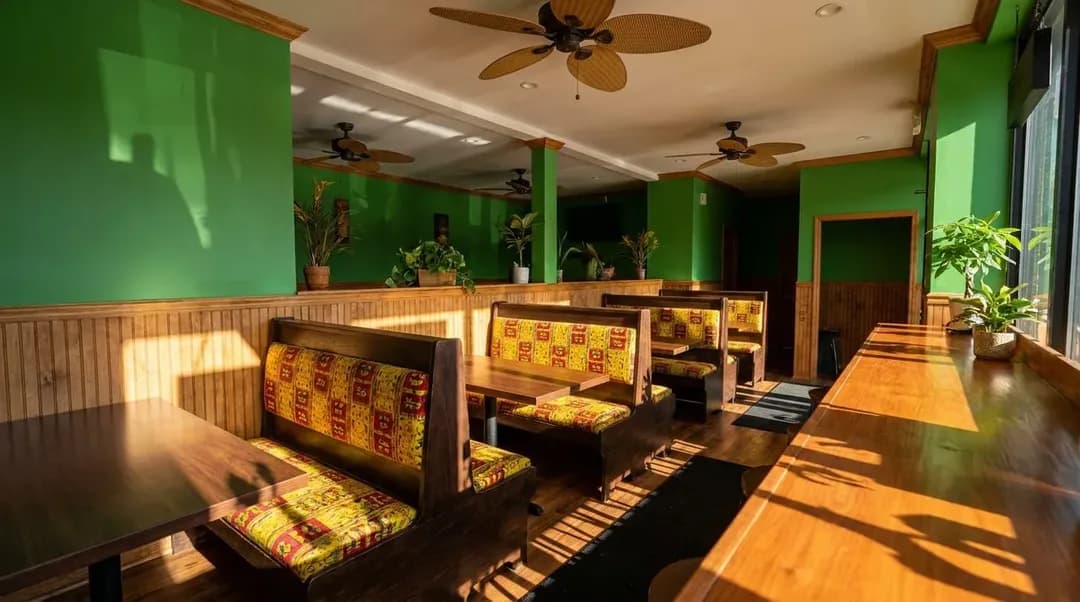
Flatbush's Caribbean Watch Culture: Free 2026 World Cup Concacaf Viewing in Brooklyn's Jamaican and Trinidadian Spots
No cover, no minimum—just jerk chicken, Patois commentary, and unspoken etiquette at Crown Heights and East Flatbush's Caribbean-owned venues.
Right on Time: The 2026 World Cup Arrives in Caribbean Brooklyn
The 2026 FIFA World Cup kicks off June 11, and by mid-May the Concacaf nations have already locked their rosters. For Brooklyn's Caribbean diaspora—concentrated along Flatbush Avenue, Nostrand, and Utica—the tournament isn't a distant spectacle but a family reunion played out on grass. Jamaica football, Trinidad and Tobago's Soca Warriors, and Haiti's Les Grenadiers each carry the weight of island pride, and the viewing parties that matter don't charge a cover or enforce a drink minimum.
Walk into any Jamaican patty shop or Trinidadian roti counter between Crown Heights and East Flatbush during match hours and you'll find flatscreens tuned to FS1 or Telemundo, the volume competing with a dozen smartphones streaming Radio Jamaica or Trinidad's CNC3. The etiquette is unspoken but ironclad: order something, claim a stool, and keep your celebration to a roar—not a scream—until the final whistle.
Where to Watch: Flatbush Avenue's Anchor Spots
Flatbush Avenue between Parkside and Farragut hosts the densest cluster of Caribbean-owned eateries with screens. The corner spots—bakeries that double as luncheonettes, jerk-chicken counters with four tables—treat World Cup matches like Sunday service. Golden Krust franchises and independent patty shops alike prop open their doors, and the scent of scotch bonnet and allspice drifts into the street. No reservations, no VIP sections, no bottle service.
East Flatbush's Utica Avenue corridor, particularly the blocks near Avenue D, leans Trinidadian. Doubles vendors and roti shops here sync their kitchen timers to halftime, rolling out trays of curry chicken and buss-up-shut exactly when the whistle blows. The TV sound stays low because most patrons are listening to their own commentary feeds—Patois, Trini English, Kreyòl—through earbuds or speakerphone, a polyphonic overlay that somehow never quite clashes.
The Unspoken Etiquette of Free Viewing
Free means no cover charge, not no purchase. The baseline expectation is a patty, a beef or veggie roti, or a soda—five to eight dollars that buys you ninety minutes of real estate. Regulars know to arrive fifteen minutes before kickoff to claim a sight line; latecomers stand along the wall or watch through the window. Phones out for photos is fine, but blocking someone's view earns a polite but firm tap on the shoulder.
Cheering is communal, but commentary stays personal. You'll see groups of three or four huddled around a single smartphone, rewinding a controversial offside call via a WhatsApp clip from Kingston or Port of Spain. The店's house TV shows the official broadcast; the phones show what people back home are saying about it. When Jamaica football scores, the eruption is collective. When the ref makes a bad call, the grumbling is a low, multilingual hum that never quite resolves into English.
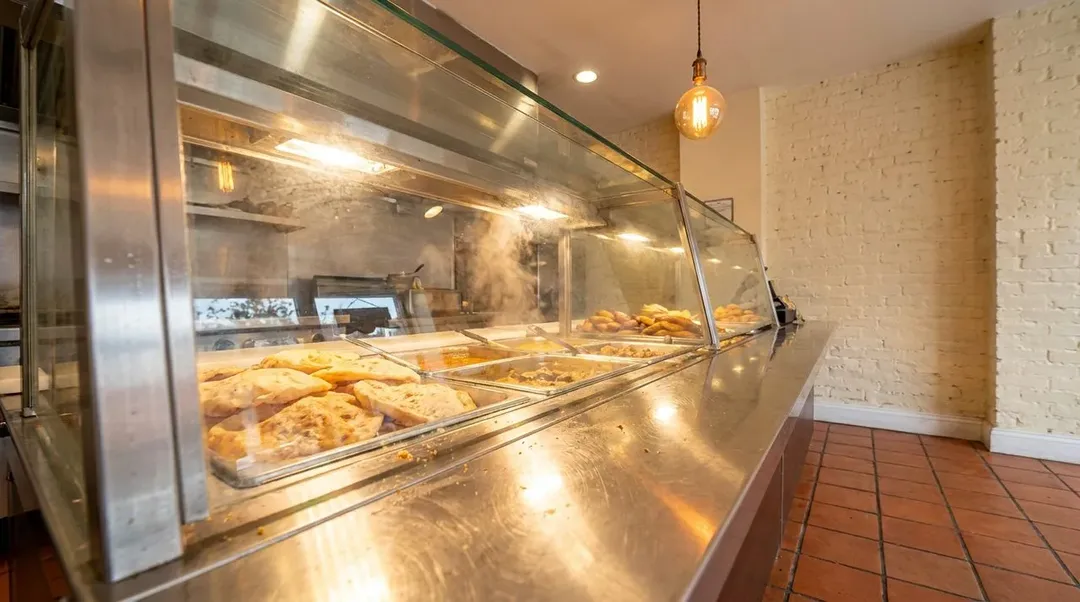
Jerk Chicken Specials Timed to Halftime
The smartest kitchens in Flatbush and Crown Heights have learned to batch their jerk chicken around the forty-fifth minute. Halftime is a fifteen-minute scramble: lines form, orders fire, and plates hit the counter just as the second half kicks off. The special—jerk chicken, rice and peas, plantain, small slaw—runs ten to twelve dollars and comes in a styrofoam clamshell sturdy enough to balance on your knee. No one sits at a proper table during a World Cup match; tables are for domino games and post-match autopsies.
Some spots advertise their specials on sandwich boards outside, others rely on word of mouth and the smell of pimento wood smoke. The jerk isn't dumbed down for tourists—it's the same marinade and char these kitchens serve every day, just timed to capitalize on captive, hungry crowds. By the seventieth minute, the trash cans overflow with bones and the counters are wiped clean. No one's ordering dessert until after the final whistle.
Trinidad Concacaf and Haiti World Cup Hopes
Trinidad and Tobago's Concacaf campaign has been a rollercoaster since their heartbreaking 2018 miss, and the 2026 tournament—with an expanded 48-team format—offered a real shot at redemption. Whether the Soca Warriors qualified or fell short in the final round, their matches draw Trini crowds to Utica Avenue's roti shops, where the commentary is as spicy as the pepper sauce. The same goes for Haiti: Les Grenadiers' World Cup dreams are a matter of national pride, and Flatbush's Haitian-owned bakeries and fritay stands become pilgrimage sites during qualifiers and group-stage matches.
Even if a Caribbean nation didn't qualify, the diaspora still watches. Jamaica football fans will track Mexico, the U.S., and Canada with the same intensity they'd bring to a Reggae Boyz match, because Concacaf is family—sometimes dysfunctional, always loud. And when a Caribbean team does take the pitch, the viewing rooms in Brooklyn feel less like sports bars and more like living rooms stretched across a dozen storefronts.

Practical Notes for First-Timers
If you're new to Caribbean watch culture in Brooklyn, a few ground rules will help you blend in. Dress casual—this isn't a rooftop bar in Williamsburg. Arrive early for marquee matches, especially if Jamaica, Trinidad, or Haiti is playing. Bring cash; many spots are card-minimum or cash-only. And remember that the vibe is communal but not anonymous—regulars know each other, and repeat visits earn you a nod and eventually a name.
- Order food or drink within five minutes of arrival—free viewing isn't free-loading.
- Keep your phone's audio low or use earbuds if streaming commentary; speakerphone is tolerated but not universal.
- Don't ask to change the channel; the house picks the broadcast and it stays.
- Halftime is for food runs and bathroom breaks, not extended conversations blocking the counter.
- Tip if there's table service, even if it's just a dollar in the jar.
- Respect the language mix—Patois, Trini English, Kreyòl, and Spanish all share the same air.
- After a goal, wait for the replay before launching into analysis; everyone wants to see it again.
- If you're taking photos, frame the screen and the room, not individuals' faces.
Beyond the Group Stage: July's Long Haul
The 2026 World Cup runs through July 19, and by the knockout rounds the casual fans have peeled off. What remains in Flatbush's viewing rooms is the core: the regulars who've been coming since the qualifiers, who know every player's club team and injury history, who can argue the merits of a 4-3-3 versus a 5-3-2 in three languages. These are the matches where the jerk chicken special disappears—there's no halftime rush because no one's leaving their seat.
If a Concacaf team makes it deep—say, Mexico in the semifinals or the U.S. in the quarters—the viewing rooms swell again, this time with a mix of Caribbean fans and the broader Brooklyn soccer diaspora. The etiquette holds. The food keeps coming. And when the final whistle blows on July 19, the screens will switch back to cricket, dancehall videos, and the local news, the World Cup a memory until 2030. But for six weeks in the summer of 2026, these rooms are the realest stadiums in New York.
All trademarks are the property of their respective owners.
Ask Karpo for more information.
Keep reading
- Haaland Has Seven Goals and Norway Runs Entirely Through Him
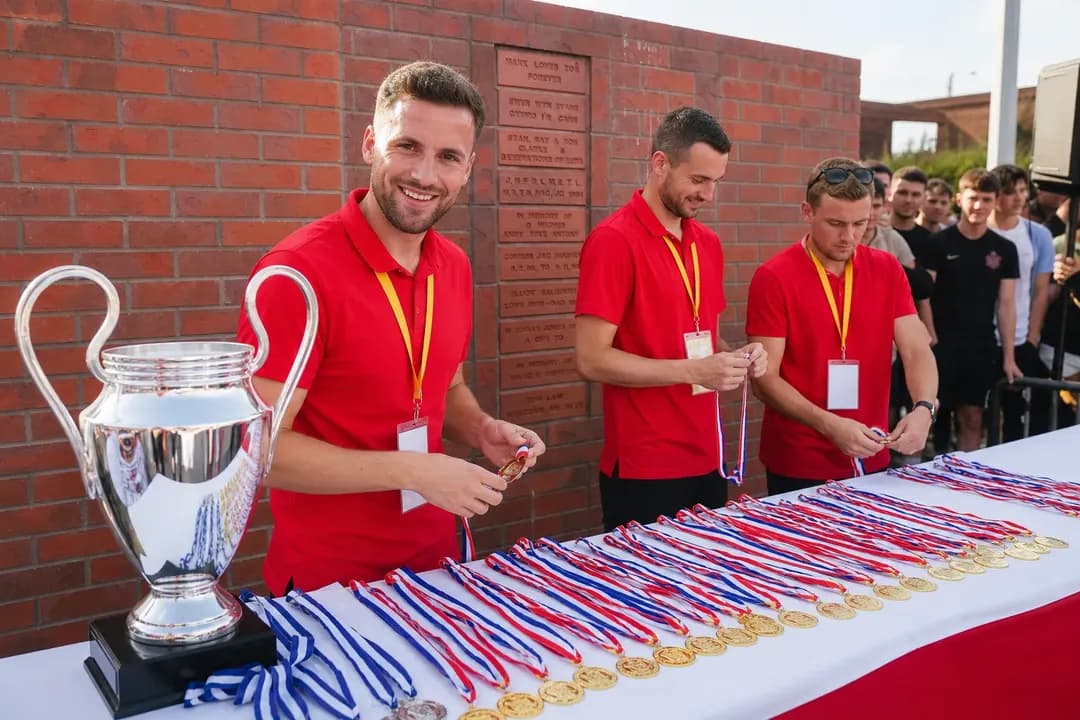 World Cup Trophy Ceremony Timing Medals and Postmatch Celebrations
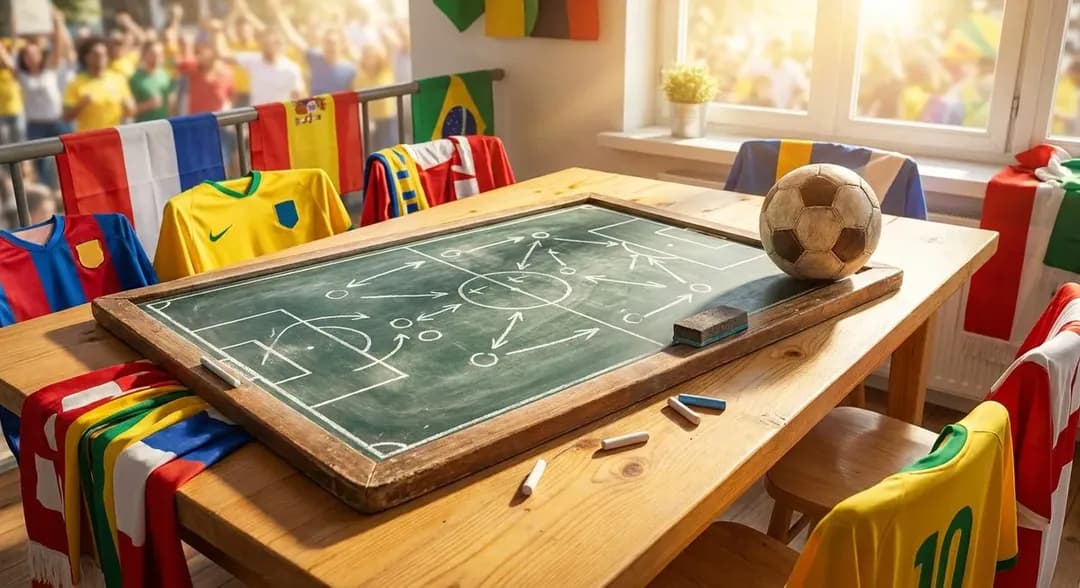 Olise and France's Attack: The Semifinal Tactical Question