The Tuesday tradition continues
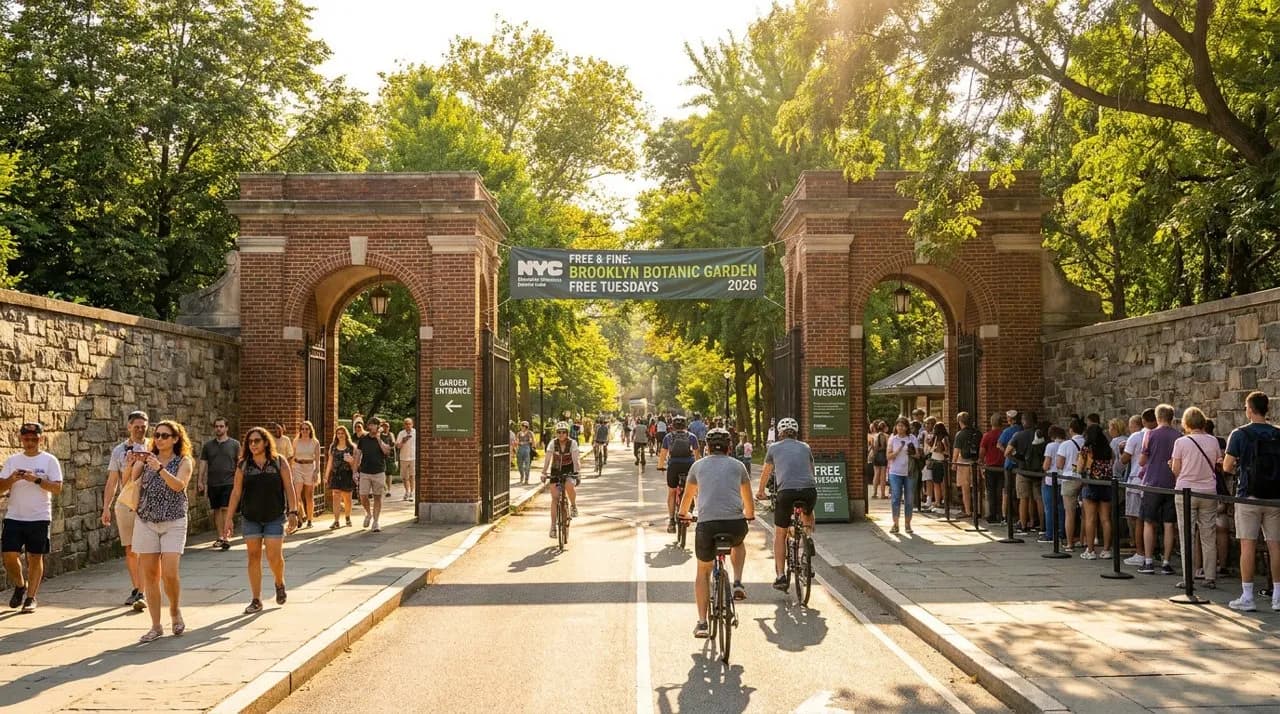
Brooklyn Botanic Garden has offered free admission on Tuesday mornings and early afternoons for years, and 2026 is no exception. This 52-acre urban oasis at 990 Washington Avenue in Prospect Heights typically waives its general admission fee on Tuesdays—though visitors should verify current hours and any seasonal exceptions on the garden's official website closer to their planned visit. The policy has made BBG one of New York City's most accessible cultural institutions, allowing tens of thousands of visitors each year to experience world-class horticulture without financial barrier.
The free Tuesday program generally runs year-round, but the garden's operating hours vary by season. During peak growing months, BBG typically opens at 8:00 AM, while winter hours may begin later in the morning. Free admission windows have historically ended in early to mid-afternoon—often around 12:00 PM or 2:00 PM depending on the season—so early arrival is advisable. The garden remains open after free hours conclude, but standard admission fees apply for entry or re-entry later in the day.
What to see across the seasons
Brooklyn Botanic Garden's collection spans more than a dozen specialized gardens, each offering distinct experiences throughout the year. The Japanese Hill-and-Pond Garden, one of the oldest and most admired Japanese-inspired gardens outside Japan, provides year-round interest with its carefully composed views, viewing pavilion, and koi-filled pond. Spring brings the garden's most famous spectacle: more than 200 cherry trees blooming in waves from late March through early May, drawing visitors from across the tristate area and beyond.
Summer sees the Cranford Rose Garden at peak performance, with thousands of rose bushes representing hundreds of varieties in bloom from June into fall. The Native Flora Garden demonstrates the beauty of Mid-Atlantic plant communities, while the Shakespeare Garden tucks literary-themed plantings into an intimate woodland setting. Fall offers dramatic foliage color and late-season blooms in the perennial borders, while winter reveals the garden's elegant bones—structural plantings, evergreens, and the warm refuge of the Steinhardt Conservatory's tropical and desert pavilions.
Strategic timing for free visits
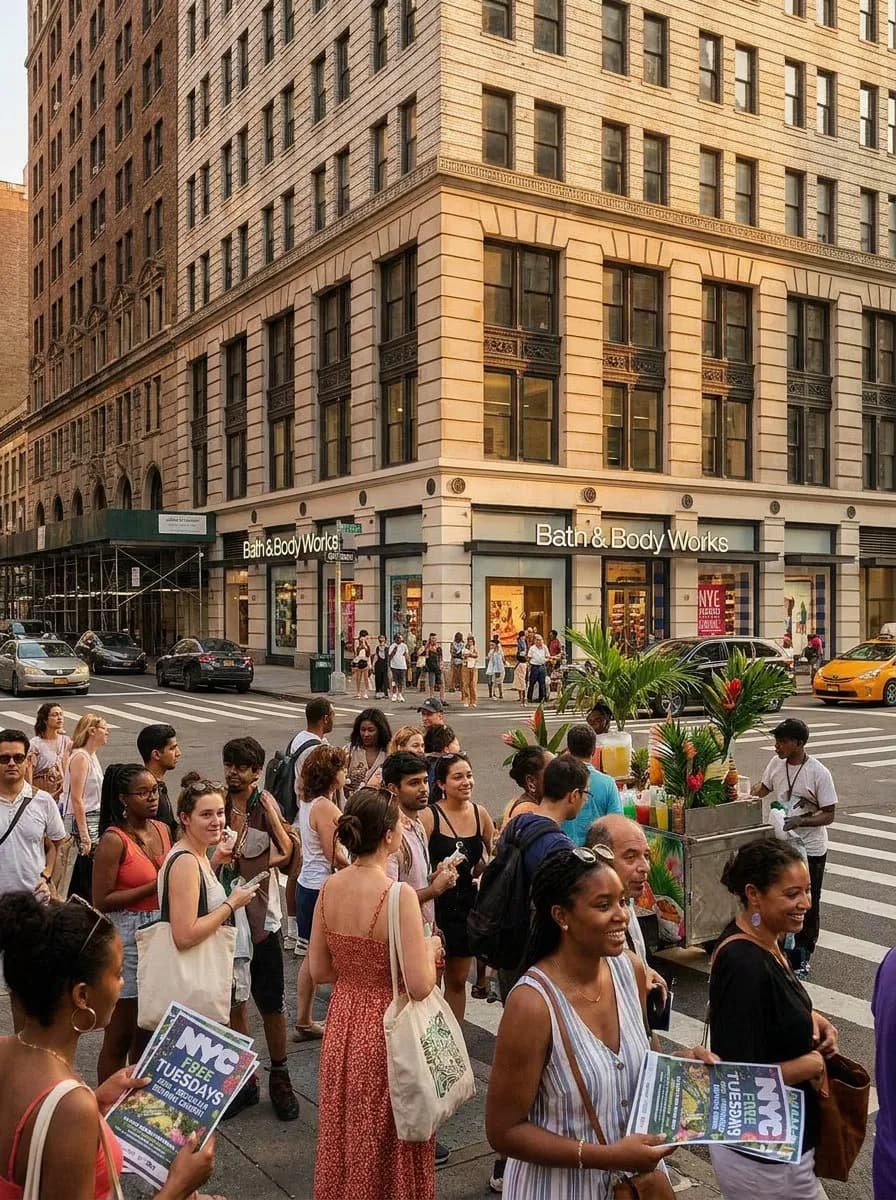
Arriving when the garden opens gives visitors the longest possible free visit and the best chance at peaceful wandering before crowds build. Tuesday mornings attract a different demographic than weekend afternoons—you'll encounter dedicated gardeners sketching specimens, photography enthusiasts capturing optimal light, and neighborhood regulars on their weekly ritual walks. The early hours also coincide with active wildlife; herons and egrets often fish in the ponds at dawn, and songbirds are most vocal in morning hours.
Cherry blossom season represents the busiest period for Tuesday visits, with free admission drawing substantial crowds even on weekday mornings. If you're visiting during this peak—typically the first three weeks of April, though bloom timing shifts with weather patterns—arrive at opening time and head directly to the Japanese Hill-and-Pond Garden or the Cherry Esplanade before the midmorning rush. Conversely, summer Tuesday mornings in July and August tend to be quieter, as do winter visits from January through March, offering nearly private experiences in certain garden areas.
Beyond the free hours
While Tuesday's free admission provides access to the outdoor gardens, certain experiences require separate tickets or fees regardless of the day. The Steinhardt Conservatory, housing tropical, desert, and temperate plant collections under glass, is typically included in general admission and free-hour access, but special exhibitions occasionally require timed tickets. Educational programs, workshops, and ticketed events like the spring Cherry Blossom Festival (Sakura Matsuri) carry additional fees even during free admission periods.
BBG's visitor center near the Eastern Parkway entrance houses a gift shop with garden-focused books, botanical art prints, and sustainable home goods, plus a small café offering coffee, pastries, and light lunch items. The shop operates independently of admission policies, so visitors can browse without entering the garden proper. For those who find themselves captivated by repeated Tuesday visits, annual membership provides unlimited admission year-round, guest privileges, and discounts on classes—often paying for itself within four visits at standard admission rates.
The neighborhood context
Brooklyn Botanic Garden sits at the intersection of several vibrant Brooklyn neighborhoods, making free Tuesday visits easy to combine with other activities. Prospect Heights offers independent coffee shops, bakeries, and restaurants along Washington Avenue and Vanderbilt Avenue, many within a five-minute walk of the garden's entrances. The adjacent Brooklyn Museum, one of the country's premier art institutions, offers its own free evening hours on Saturdays and has historically provided discounted or free admission on select days—check their current schedule for potential same-day cultural doubleheaders.
Prospect Park, designed by the same landscape architects who created Central Park, borders BBG's western edge and extends the green experience across 526 additional acres. Park Slope's Seventh Avenue and Fifth Avenue commercial corridors lie a short walk west, while Crown Heights' Caribbean restaurants and bakeries cluster along Franklin and Bedford Avenues to the east. The area's excellent subway access via the 2, 3, B, Q, and S trains makes carless visits straightforward for most New Yorkers and visitors staying in Manhattan or other boroughs.
Practical notes
Free Tuesday admission at Brooklyn Botanic Garden typically runs year-round, with hours varying by season. Verify current free admission windows, seasonal hours, and any holiday closures on bbg.org before your visit, as policies and schedules are subject to change. The garden is located at 990 Washington Avenue, Brooklyn, NY 11225, accessible via the B/Q trains to Prospect Park station, the 2/3 trains to Eastern Parkway–Brooklyn Museum, or the S train to Botanic Garden station. Street parking is limited and metered; public transportation is recommended. The garden is largely accessible, with paved paths throughout most areas, though the Japanese Garden includes slopes and stairs; mobility devices and wheelchairs are available for loan at visitor services. Outside food is not permitted in the garden, but the on-site café provides refreshments. Pets are prohibited except for service animals. Photography for personal use is encouraged; tripods and commercial photography require advance permits. Restrooms are located near both main entrances and within the visitor center.
Tags: #BrooklynBotanicGarden #FreeAndFine #NYCFree #BrooklynNYC #FreeAdmission #NYCGardens #UrbanNature #ProspectHeights #CherryBlossoms #NYCParks #FreeTuesday #BotanicalGardens #NYCCulture #BrooklynAttractions #CityGardens
Sources consulted: Brooklyn Botanic Garden — Official Site · Brooklyn Botanic Garden — Wikipedia · NYC Parks Department · Time Out New York — Museums & Attractions · Gothamist — NYC News
All trademarks are the property of their respective owners.