The Festival That Defined Brooklyn Summers
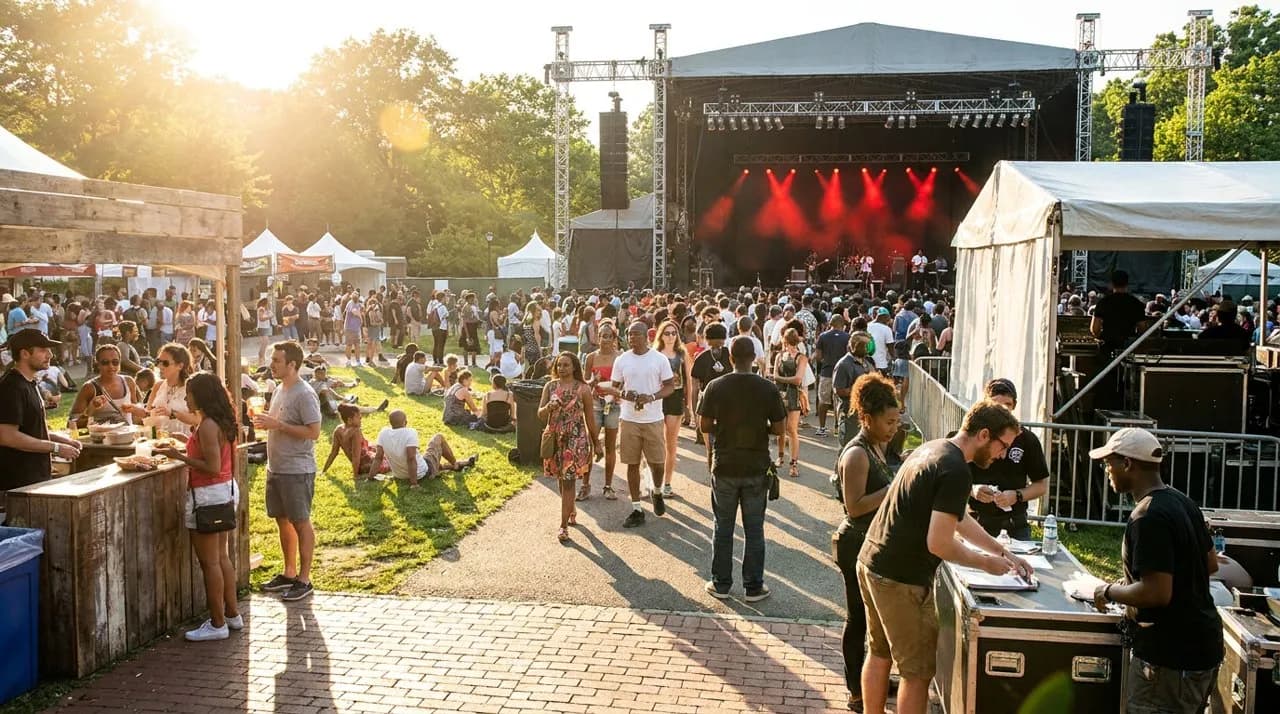
Since 1979, BRIC Celebrate Brooklyn! has transformed the Prospect Park Bandshell into one of New York City's most democratic cultural gathering places. The festival typically runs from early June through early August, presenting upwards of ten to fifteen performances annually—most of them completely free to attend. What began as a neighborhood initiative to revitalize an underused park venue has evolved into the borough's premier outdoor concert series, drawing everyone from families spreading picnic blankets to serious music devotees camping out for prime sight lines hours before showtime. The bandshell itself, a 1939 WPA-era structure officially known as the Prospect Park Band Shell, provides both architectural charm and surprisingly good acoustics for an open-air venue, its curved shell amplifying sound across the sloping lawn that accommodates thousands.
Updated August 2026: hours, prices, reservations, event dates, transit details, and venue policies can change. Use the linked official venue, city, or operator sources in the Sources section as the final reference before you go.
How Free Really Works
The festival operates on a hybrid model worth understanding before you go. The majority of performances—typically eight to twelve each season—are entirely free with no ticket required; you simply show up, claim your spot on the lawn, and enjoy. A smaller number of shows, usually three to five per season featuring particularly high-profile touring artists, operate as benefit concerts with paid admission that supports the festival's operations. Past seasons have seen this split work elegantly: free nights might feature celebrated artists like Angélique Kidjo, Preservation Hall Jazz Band, or indie favorites, while ticketed benefits have hosted acts such as The National or Patti Smith. BRIC, the presenting organization (formerly known as the Brooklyn Information & Culture collective), publicly announces the full lineup and ticket structure typically in April or early May, giving planners ample time to strategize their summer calendars. Check the official BRIC Arts Media website closer to spring 2026 for confirmed programming details.
Strategic Arrival and Lawn Real Estate
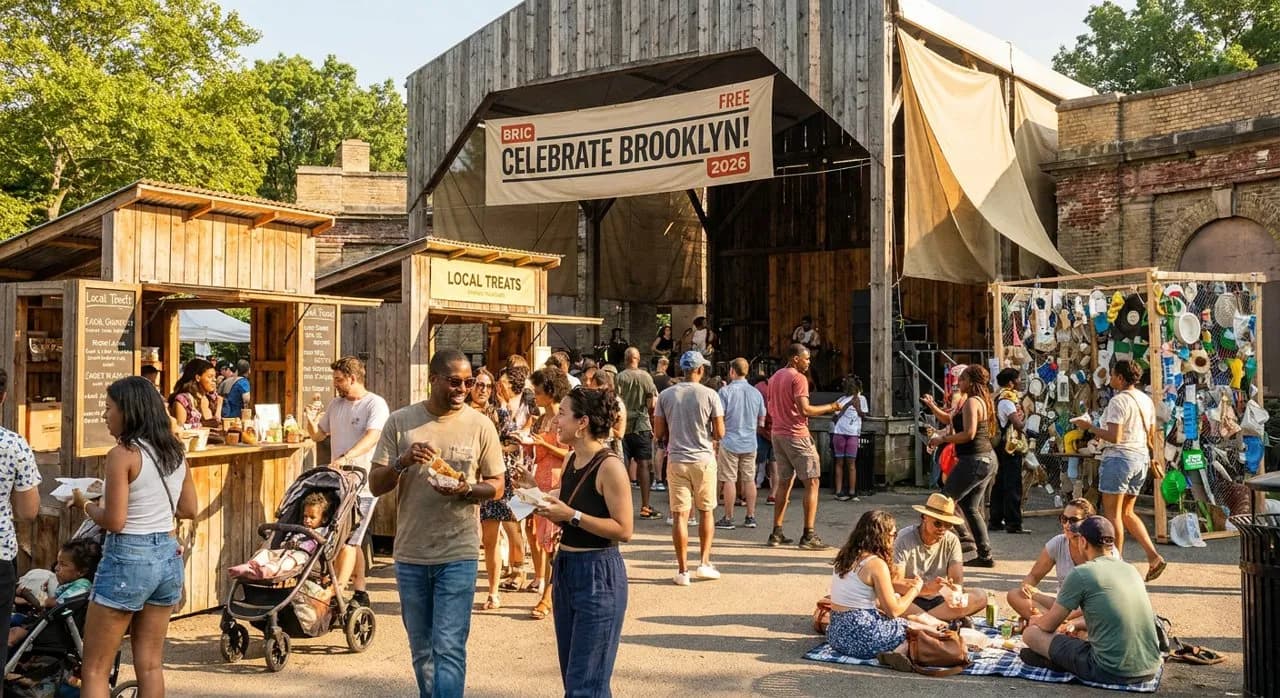
Gates typically open around 6:00 or 6:30 PM, with performances beginning at 7:30 PM as summer light softens into dusk—one of the festival's signature atmospheric qualities. For popular free shows, seasoned attendees arrive one to two hours early, armed with blankets, low-profile folding chairs, and picnic supplies. The venue permits outside food and non-alcoholic beverages, making it genuinely budget-friendly to pack dinner rather than rely solely on on-site vendors, though the festival does feature food and drink concessions if you prefer convenience. The lawn operates on a first-come basis with no reserved seating for free shows; closer to the stage offers better sound and sightlines, but mid-lawn positions often provide a more relaxed, conversational atmosphere. Paid benefit concerts typically include both reserved seating sections closer to the stage and general admission lawn areas—check individual event details when those announcements arrive.
Genre Fluency Across Decades
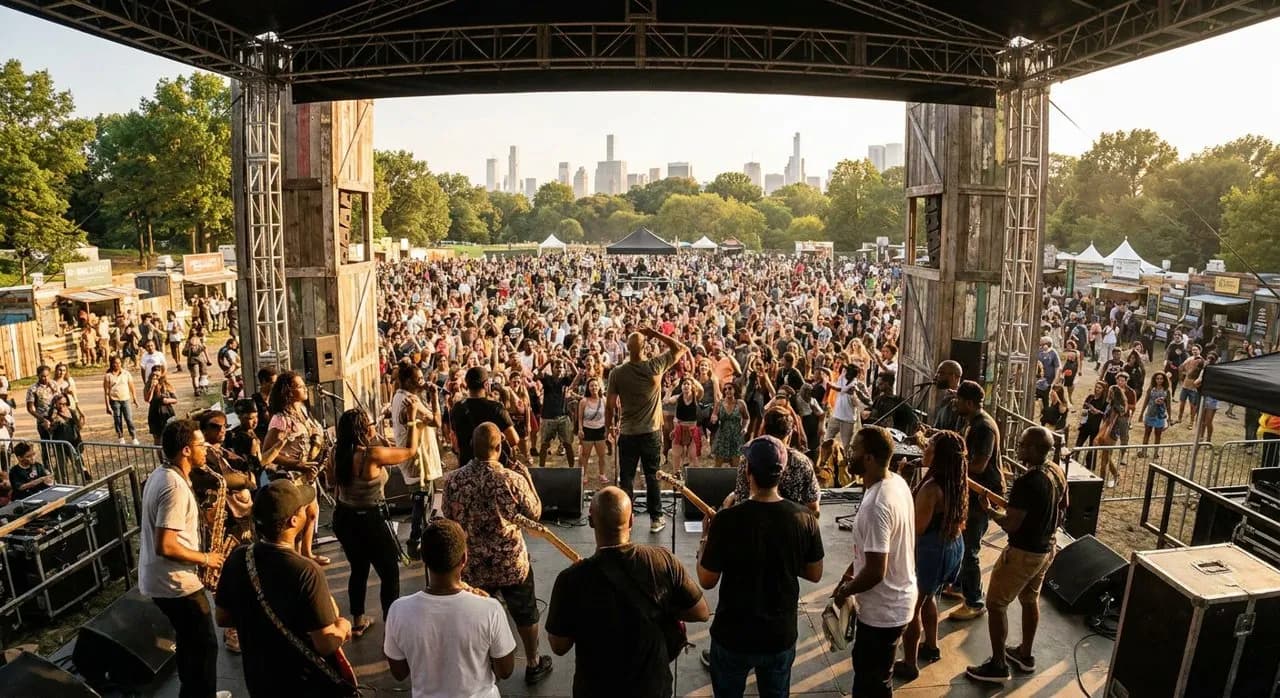
One of Celebrate Brooklyn's distinguishing characteristics is its genuine commitment to programming diversity. A typical season might span Afrobeat, classical chamber music, Latin jazz, indie rock, hip-hop, world music, dance performances, and even film screenings with live scores. This isn't tokenistic genre-checking but rather deep booking across traditions—recent seasons have featured everyone from Malian ngoni master Ballaké Sissoko to punk legends Television to contemporary R&B innovators. For the culturally curious, this eclecticism means you can attend multiple nights and experience entirely different artistic worlds, all within the same historic venue. It's also genuinely family-appropriate; many free nights draw multi-generational crowds, with children dancing near the stage while older attendees settle into their lawn chairs further back. The festival occasionally programs dedicated family and kids' shows on weekend afternoons, though the evening concerts remain the marquee offerings.
The Prospect Park Context
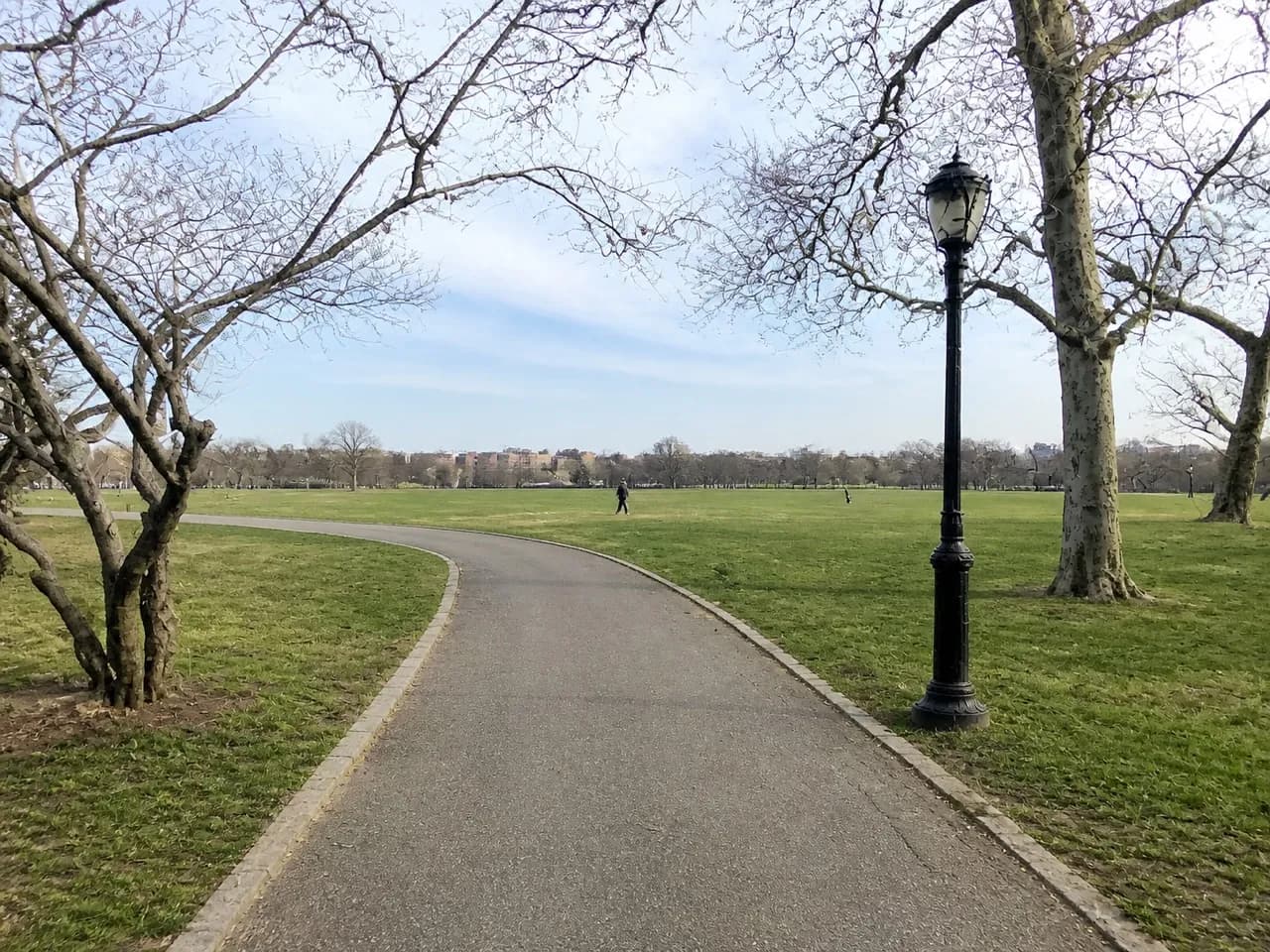
The bandshell sits in Prospect Park's southwestern section, closest to the Park Slope and Windsor Terrace neighborhoods, accessible via the 9th Street entrance off Prospect Park West or the 15th Street entrance. Arriving early gives you time to explore Frederick Law Olmsted and Calvert Vaux's 526-acre masterwork before settling in—the Long Meadow stretches north, the Prospect Park Lake lies east, and the entire landscape offers pre-concert wandering opportunities. The surrounding neighborhoods provide excellent pre- or post-show dining and drinking options. Longtime Park Slope establishments include Al Di Là Trattoria on Fifth Avenue for Venetian-inspired cuisine, or more casual options like Smorgasburg's weekend food market when it operates at the park's Breeze Hill location during summer months. For drinks, the neighborhood has bars like Fourth Avenue Pub or Union Hall, though venues and hours change—verify operating status closer to your visit.
Weather Contingencies and Sustainability Notes
These are outdoor performances subject to weather realities. Light rain typically doesn't cancel shows—many attendees come prepared with rain gear and ponchos—but severe weather can postpone or cancel. BRIC generally announces weather-related decisions via their website and social media channels by early afternoon on show days, so check before traveling if conditions look questionable. The festival has also increasingly emphasized sustainability practices in recent seasons, encouraging attendees to minimize waste, providing recycling and composting bins, and reducing single-use plastics at concession stands. Bringing reusable water bottles, utensils, and containers for your picnic aligns with these efforts and reduces your evening's environmental footprint while saving money on disposable supplies.
Practical Notes
**Getting there:** The venue is roughly a 10-minute walk from the F/G trains at 7th Avenue or the B/Q trains at 7th Avenue. The 2/3 trains at Grand Army Plaza station sit about 15 minutes away on foot. Multiple bus lines including the B61, B67, and B69 serve nearby stops. Cycling is popular—Citi Bike stations dot the surrounding streets, and the park has designated bike parking areas. **What to bring:** Blankets or low-profile lawn chairs (check festival rules for height restrictions on seating), layers for cooling evening temperatures, picnic supplies, reusable water bottles, and small flashlights or phone lights for navigating when leaving after dark. Umbrellas are typically prohibited during performances as they block sightlines. **Timing for 2026:** Full lineup announcements typically arrive in April or May. Free shows require no advance registration; paid benefit concerts sell tickets through the festival's website and standard platforms. Monitor BRIC's official channels starting in early spring. **Venue location:** Prospect Park Bandshell, Prospect Park West and 9th Street, Brooklyn, NY 11215. The park itself is always open, though bandshell performances follow the scheduled times above. **Festival considerations:** Alcohol sales are typically available on-site for those 21+; outside alcohol is generally not permitted. The venue is accessible, with designated accessible seating areas—contact BRIC directly for specific accommodation needs.
Tags: #CelebrateBrooklyn #BRICArts #ProspectPark #BrooklynSummer #FreeConcertsNYC #NYCFestivals #OutdoorMusic #BrooklynEvents #ParkSlope #SummerInNYC #LiveMusicNYC #BudgetFriendlyNYC #NYCCulture #FreeAndFine #BrooklynBandshell
Sources consulted: BRIC Arts Media — Official Site · Prospect Park — Wikipedia · Prospect Park Alliance — Official · NYC Parks Department · Time Out New York Music · MTA Transit Information
All trademarks are the property of their respective owners.