The two-car anomaly
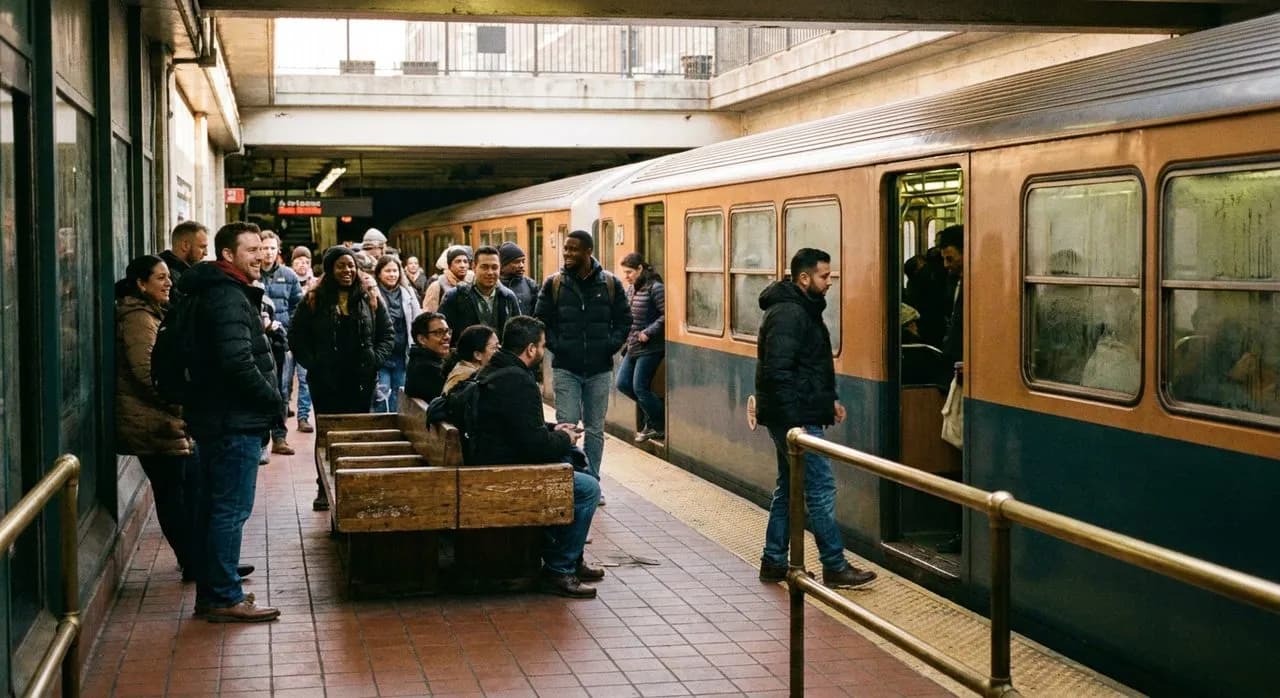
You board at Franklin Avenue, where the shuttle sits on its own stub platform like a toy train someone forgot to put away. Two cars. That's it. The entire consist is shorter than a single R train car is long. The conductor walks through both cars before departure, checking seats with the casual intimacy of a bus driver. On weekday mornings around 8:15, you'll see the same operator—tall guy, wire-rim glasses—who's been running this route for six years. He knows the timing so precisely that he can tell you which elevator at Botanic Garden will open first when you arrive.
Updated August 2026: hours, prices, reservations, event dates, transit details, and venue policies can change. Use the linked official venue, city, or operator sources in the Sources section as the final reference before you go.
The S train exists because of bureaucratic inertia and track geometry. It connects the 2/3/4/5 at Franklin Avenue to the A/C at Franklin Avenue—different Franklin Avenues, naturally, because this is New York. In between: Park Place and Botanic Garden. The entire run takes three minutes and forty seconds if you hit all greens. You could walk it faster, but you'd miss the specific pleasure of riding the system's most vestigial limb.
The Park Place window
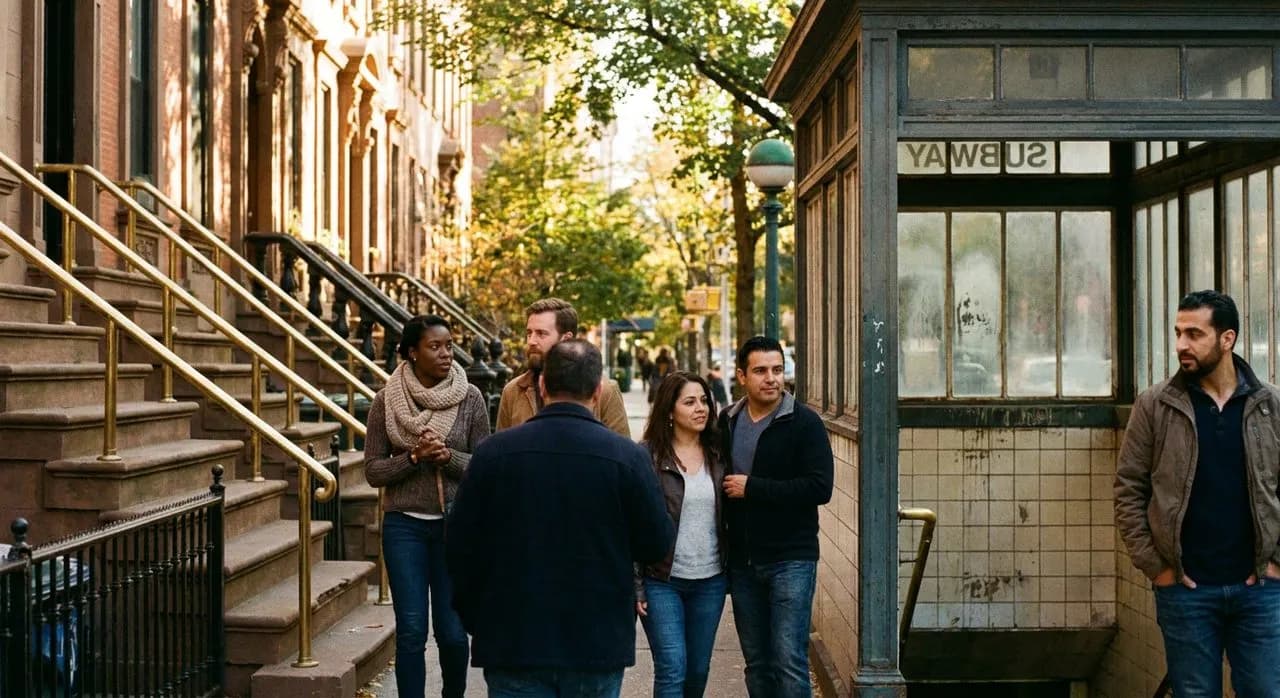
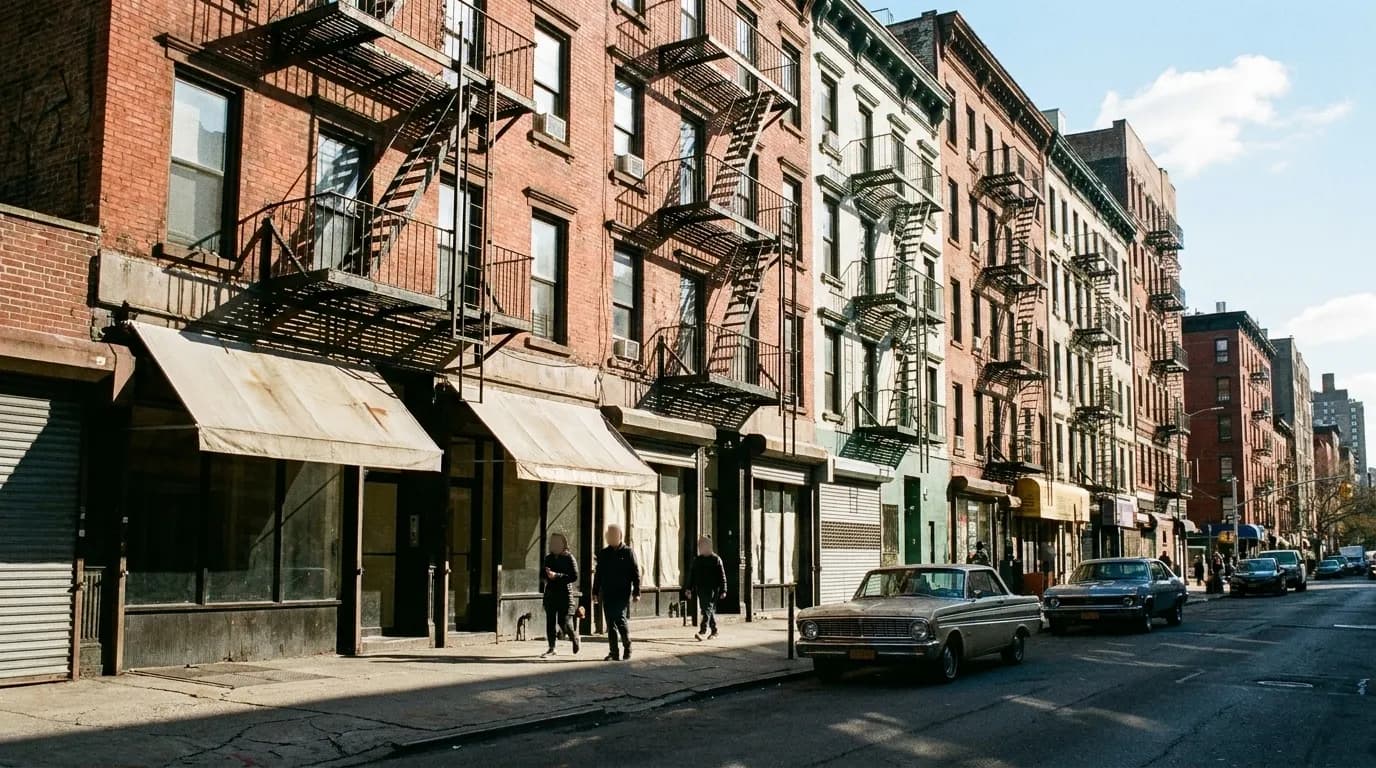
Between Franklin and Park Place, the train surfaces briefly, and if you're in the rear car, window seat on the right, you get a cross-section view into the backs of Eastern Parkway's brownstones. Laundry lines. Illegal roof decks. Someone's tomato garden in November, improbably still producing. The train moves slowly enough here—maybe twelve miles per hour—that you can count floors, read graffiti tags, spot the house with the hand-painted "No Amazon Deliveries" sign on the fire escape.
Park Place station itself is skeletal: one platform, minimal signage, the kind of stop that feels like it might not exist if you looked away. But the bodega across the street—on the northwest corner of Park and Franklin—sells loosies for a dollar and keeps a bowl of free coffee for morning regulars. The owner, whose name you won't learn unless you come five times, will tell you which apartments in the adjacent building used to be speakeasies during Prohibition. He has photographs.
Botanic Garden's secret exit
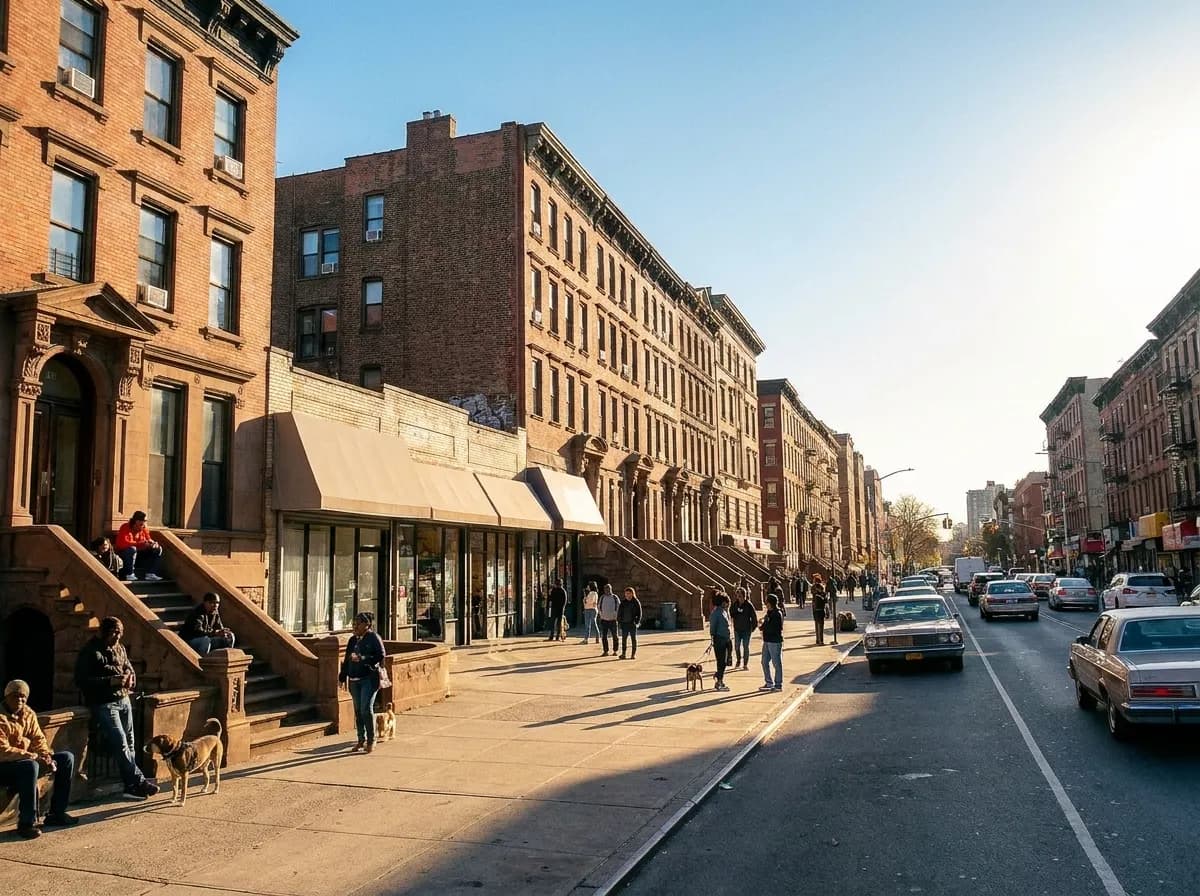
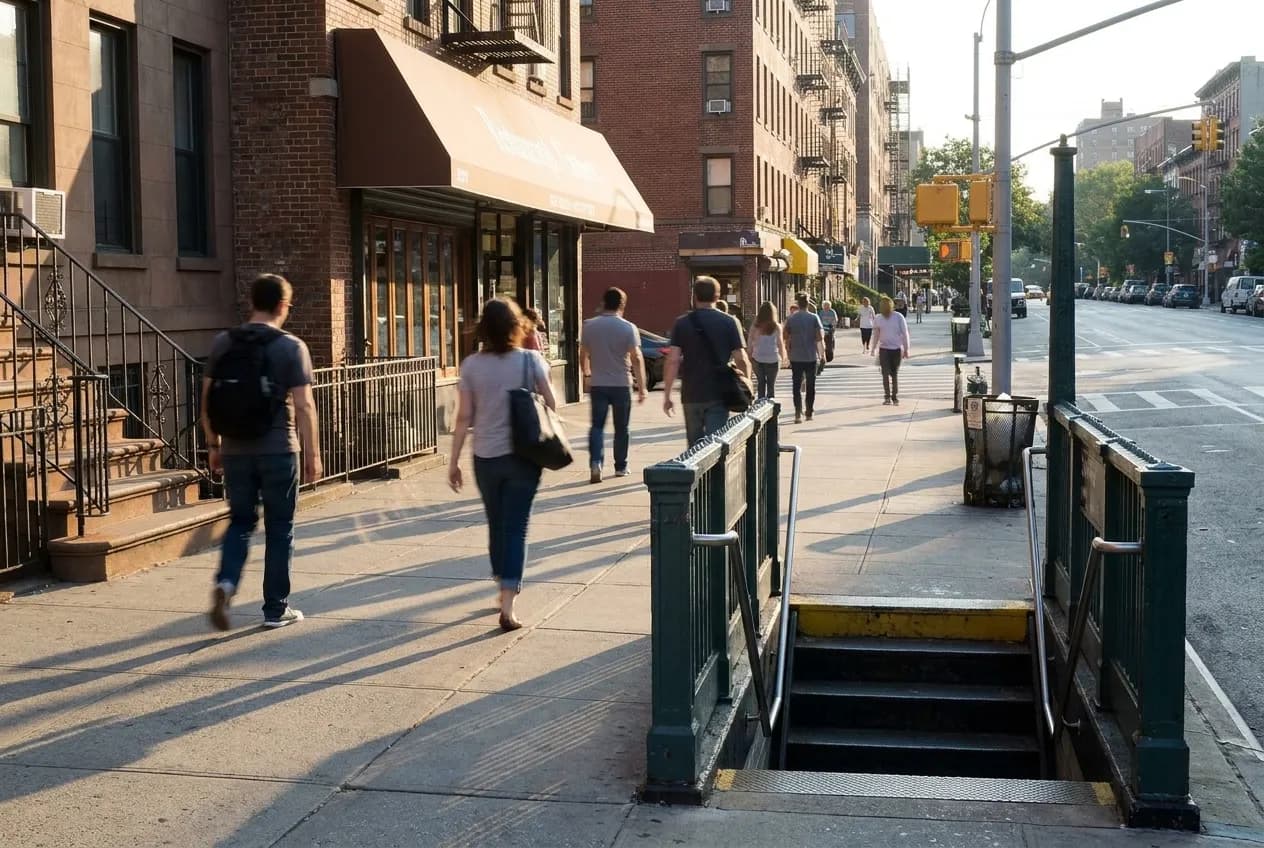
Everyone exits Botanic Garden station toward the garden entrance or Eastern Parkway. You should exit through the south exit—the one without the MetroCard machine—which spits you onto Lincoln Road between Flatbush and Bedford. This is the move. Turn right on Bedford Avenue and walk north exactly four blocks. You're now in the heart of the Crown Heights historic district that somehow never made it into the guidebooks.
The blocks between Lincoln and Union on Bedford contain the highest concentration of intact 1890s Queen Anne rowhouses in Brooklyn. Look for 1154 Bedford—the one with the conical turret and original stained glass. The current owners are architects who restored the interior using period-appropriate horsehair plaster. They give tours by appointment, but only if you email on a Tuesday. Next door, 1156 has a garden designed by the same firm that did the Enid A. Haupt Conservatory at the actual Botanic Garden. It's visible from the sidewalk if you stand at the right angle near the fire hydrant.
The Dean Street detour
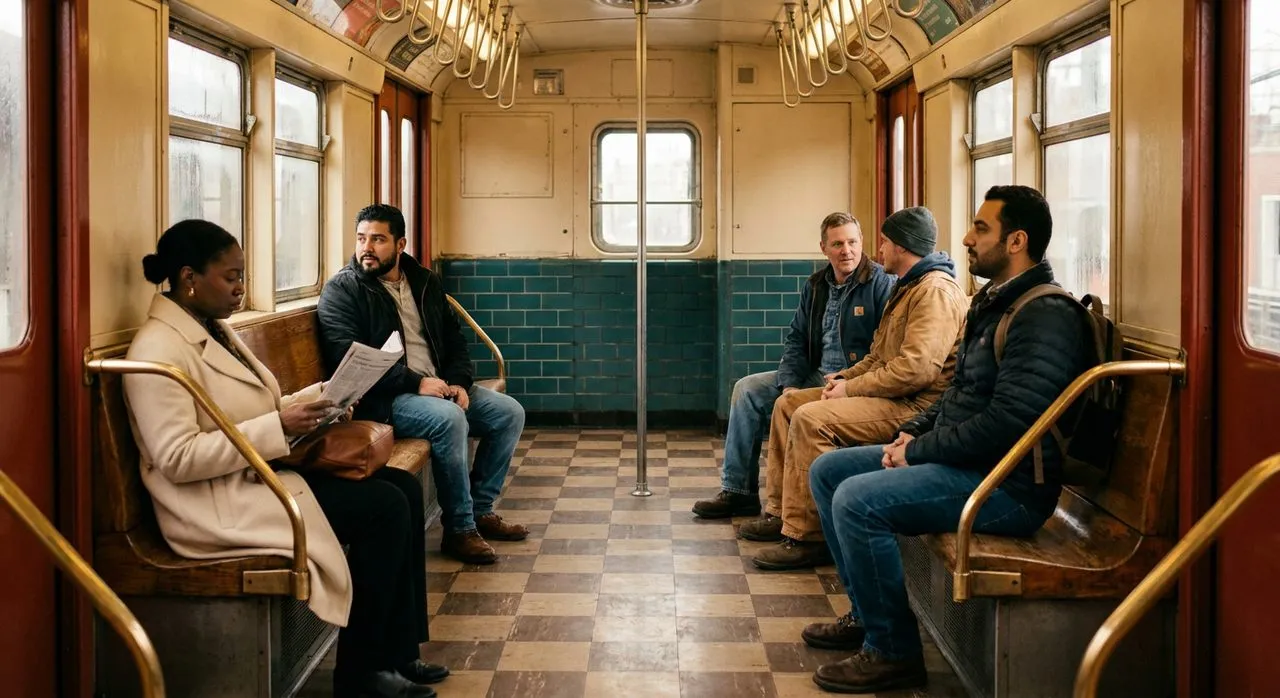
From Bedford, cut west on Union to Dean Street. You're looking for the block between Franklin and Classon, which contains what locals call "the Dean Street Twenties"—twenty consecutive brownstones built by the same developer in 1892, each with infinitesimal variations in cornice detail. The eighteenth house from Franklin has a carved stone owl above the parlor window. Nobody knows why. The owl faces west, and in late afternoon light between 4:30 and 5:00 PM in winter, the shadow creates a second owl on the adjacent building.
Dean Street also has the least-known coffee situation in the neighborhood: a living room café that operates Thursdays through Sundays, 7 AM to 2 PM, out of the garden-level apartment at number 867. No sign. You ring the bell. They serve one coffee—a rotating single-origin pour-over—and one pastry—whatever the owner's mother made that morning. Cash only. The bathroom is available but you have to ask.
The return loop
The shuttle runs every eight minutes during rush hour, every fifteen minutes midday, every twenty after 9 PM. If you time it right, you can walk the Botanic Garden neighborhood, loop back to Franklin Avenue on the 2/3, and catch the shuttle again from the opposite direction just to see the Park Place backyards from the other window. This is not efficient. This is also not the point.
The shuttle's brevity is its virtue. You can ride it as punctuation between errands, as a moving meditation, as an excuse to be in motion without destination. The MetroCard swipe covers the whole system; the shuttle costs you nothing but three minutes and forty seconds. Some people collect subway lines like birders collect species. The S Franklin Avenue is the rarest sighting—common but overlooked, always there but never quite believed.
Practical notes
The Franklin Avenue Shuttle runs between Franklin Avenue (2/3/4/5) and Franklin Avenue (A/C) via Park Place and Botanic Garden. Service operates approximately 6 AM to midnight daily, with reduced frequency after 9 PM. The two-car trains arrive every 8-15 minutes depending on time of day. Free transfer to all connecting lines. The Botanic Garden stop provides direct access to Brooklyn Botanic Garden (admission $18, free Fridays before noon) and Prospect Park.
For the Bedford Avenue walk, exit Botanic Garden via the south stairs to Lincoln Road. The historic district is free to explore year-round. The Dean Street living room café (867 Dean Street, garden level) operates Thursday-Sunday, 7 AM-2 PM, cash only. Standard subway fare applies: $2.90 per ride, unlimited MetroCards available. The shuttle is fully accessible at Franklin Avenue (2/3) and Botanic Garden stations. Best visited during daylight hours for architectural details; optimal light for the stone owl shadow is 4:30-5:00 PM, November through February.
Tags: #FranklinAvenueShuttle #NYCSubway #CrownHeights #BedStuy #BrooklynArchitecture #HiddenBrooklyn #SubwayExploration #HistoricDistrict #BotanicGarden #QueenAnne #BrooklynBrownstones #TheLongWayHome #NYCTransit #OffTheBeatenPath #LocalKnowledge
Sources consulted: MTA · NYC Parks · Time Out New York
All trademarks are the property of their respective owners.